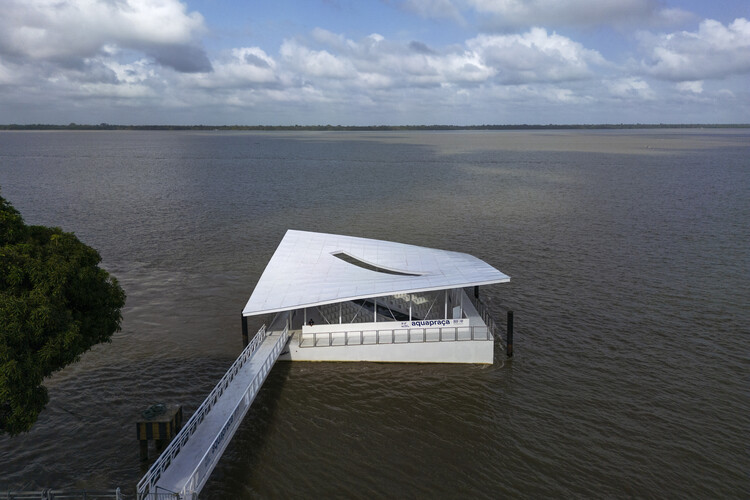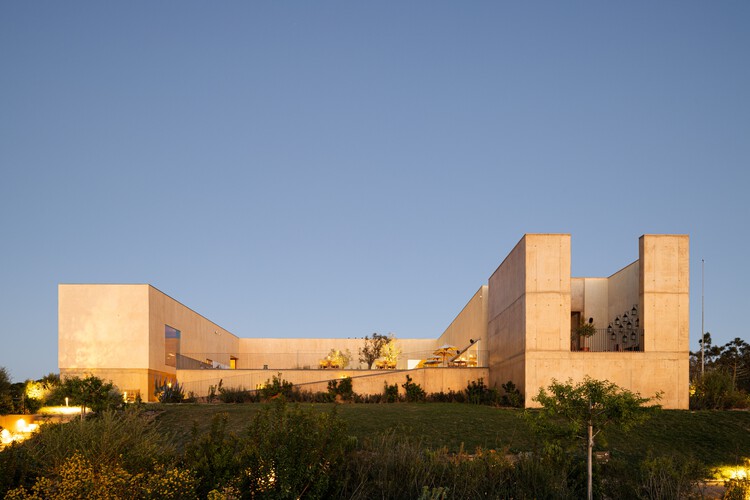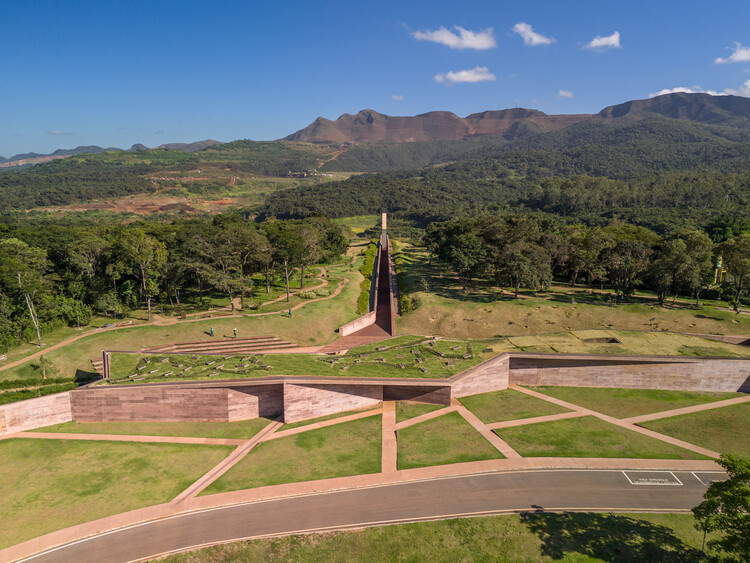
-
Architects: Gustavo Penna Arquiteto e Associados
- Area: 1220 m²
- Year: 2024
-
Manufacturers: Atex, Donata / Teccimen, FASA Fibra Ótica, Guardian, Lemca, +10

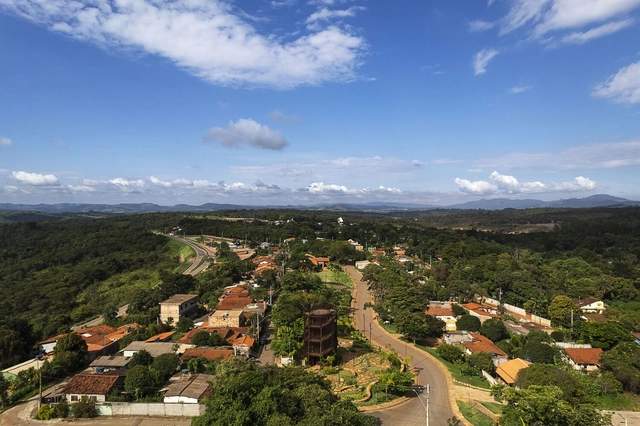
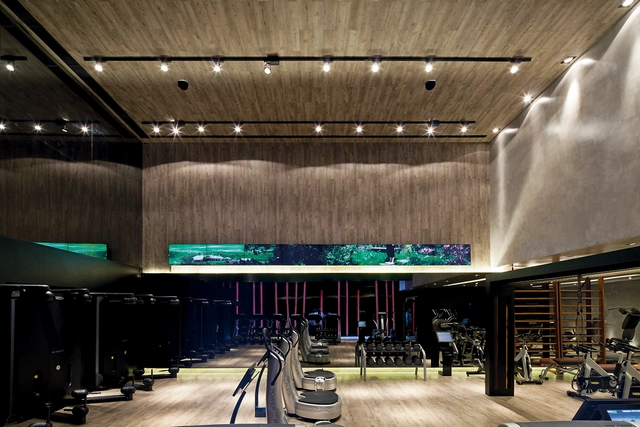

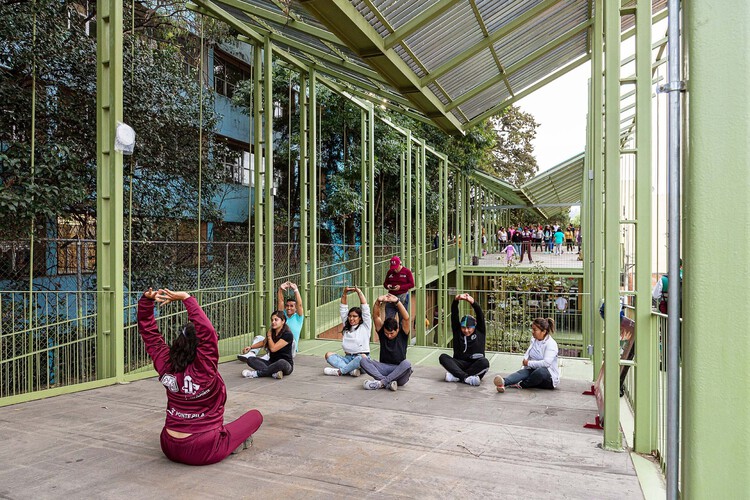
In many Latin American cities, peripheral neighborhoods have historically had less access to the resources that make urban life more than just livable. Housing, transportation, and public services are the usual markers of that gap. But there is another gap that is harder to quantify: the absence of places where people can gather, learn, rest, and participate in collective life. When those spaces do not exist, the city not only fails to provide a service. It fails to acknowledge a presence.
In recent decades, a growing number of projects have tried to address that absence directly. Rather than focusing only on physical infrastructure, they invest in spaces designed to support education, culture, recreation, and community, often merging several of those functions within a single building in neighborhoods where those spaces are otherwise limited.


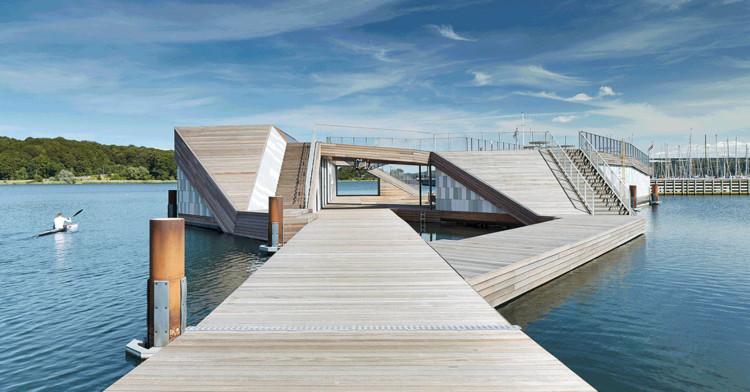
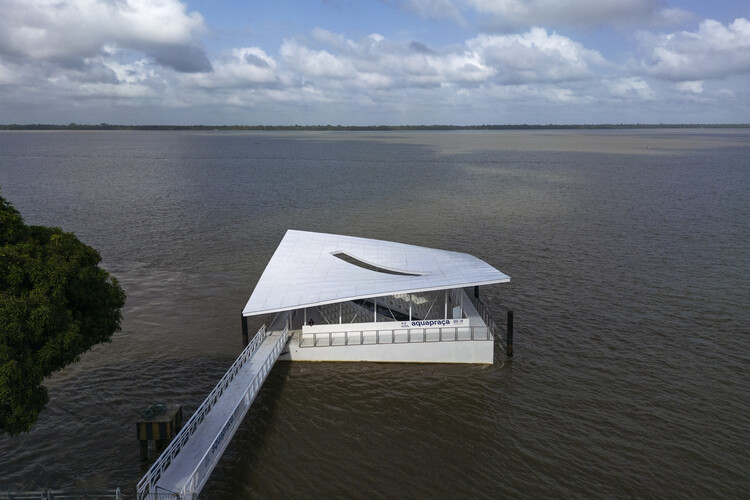
Building above water means doing away with a part of construction that is quite literally the basis of most of our built environment: the foundation. In a world dominated by water, currents, and shifting levels are variables that simply cannot be ignored, which is why the most emblematic feature these projects share is their adaptability.
Instead of robust, deep bases – such as piles or caissons – designed to anchor architecture into the earth, floating structures frequently employ solutions like concrete pontoons or plastic drums to prevent the building from sinking. These are typically paired with anchoring systems to "fix" the structures, even if only temporarily, to a specific location.

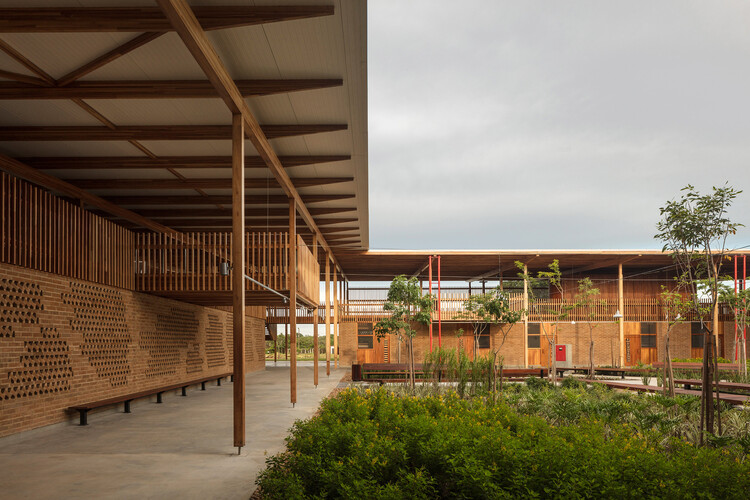
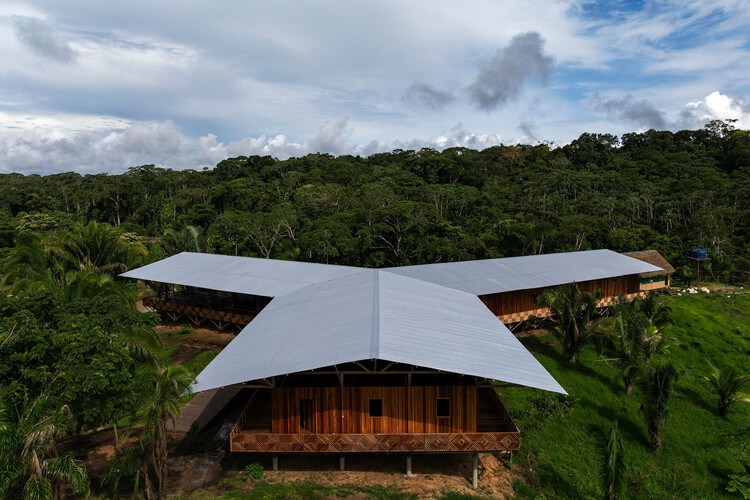
Across South America, architecture endures through the materials it uses, those that persist over time. Bamboo, brick, wood, and concrete appear across regions, connecting climate, labor, and culture in ways that ensure their persistence through generations. Their continuity does not depend solely on preservation or heritage. It depends on use.
In this context, cultural memory does not reside primarily in monuments or images, but in practice. It survives in repeated gestures: laying bricks, tying guadua joints, assembling wood frames, casting slabs that anticipate another floor. These actions are transmitted less through manuals than through participation. Over time, they form systems of knowledge embedded in habit and necessity. Materials endure not because they symbolize the past, but because they continue to work.

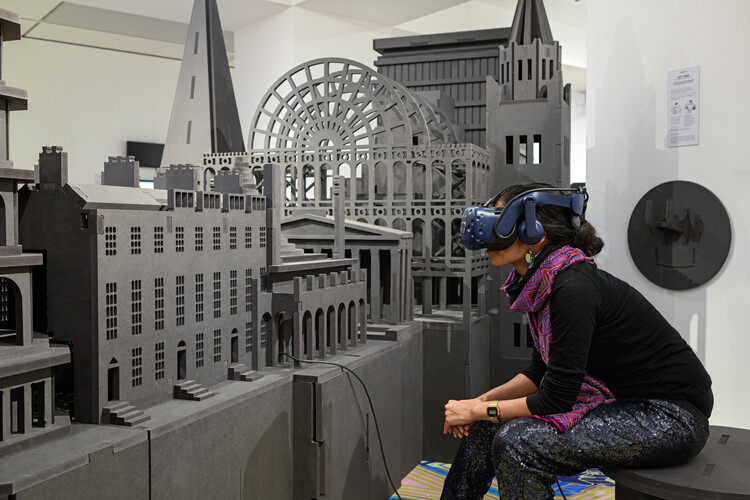
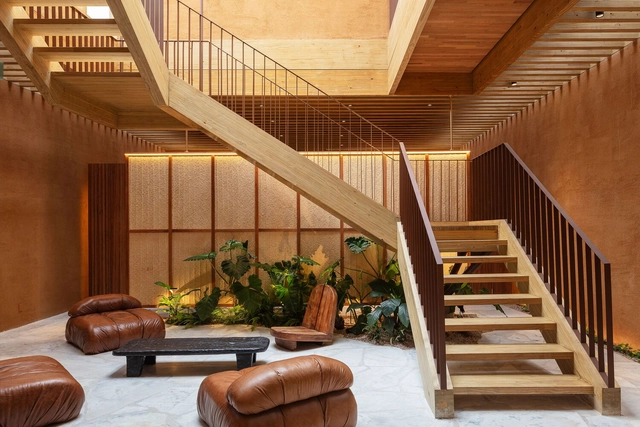
Before the digital turn, architecture's memory was largely tangible. It lived in the weight of drawings, the patina of models, and the thickness of books. To preserve architecture meant to preserve its traces, the documents, sketches, and photographs through which buildings could be remembered long after their material form had changed or disappeared. The modern architectural archive, as it developed in the 20th century, was both a refuge and a device of legitimacy. Institutions such as the Canadian Centre for Architecture, Casa da Arquitectura, or the Deutsches Architekturmuseum were built upon the conviction that to preserve architecture was to preserve its documents.
However, these archives didn't merely store knowledge. They determined what counted as architecture, who belonged to its canon, and how history would be told. To archive is to edit the past — to decide what enters, what is omitted, and how it will be interpreted. The archive, as theorised by Michel Foucault and later by Jacques Derrida, is never neutral; it is an instrument of power, a space that selects and excludes. In architecture, these dynamics are especially evident as they record the visible while silencing what falls outside their categories. The act of collecting has always been, implicitly, an act of judgment.


"In various regions of the planet, nature imposes adverse conditions on the human body. In these places, designing a building is almost like creating a garment: an artifact that protects and offers comfort. This challenge requires technological performance that must be combined with aesthetics. Making human beings feel good involves more than just meeting notions of comfort and safety; it's also a question of working with spaces in their symbolic and perceptual dimensions." This is the beginning of the description for the design of the Brazilian Antarctic Station in Antarctica, by Estúdio 41, located on the Keller Peninsula, where the surrounding sea freezes for around six to seven months of the year, where everything and everyone arrives by plane or ship and the nearest hardware store is days away. If designing a building in normal circumstances already presents numerous complexities, it's not hard to imagine the additional challenges when developing something in an extreme environment, such as locations with very high or low temperatures, or in places susceptible to corrosion, radiation, and more. In this article, we will explore the difficulties, the main solutions and the materials used in these contexts.

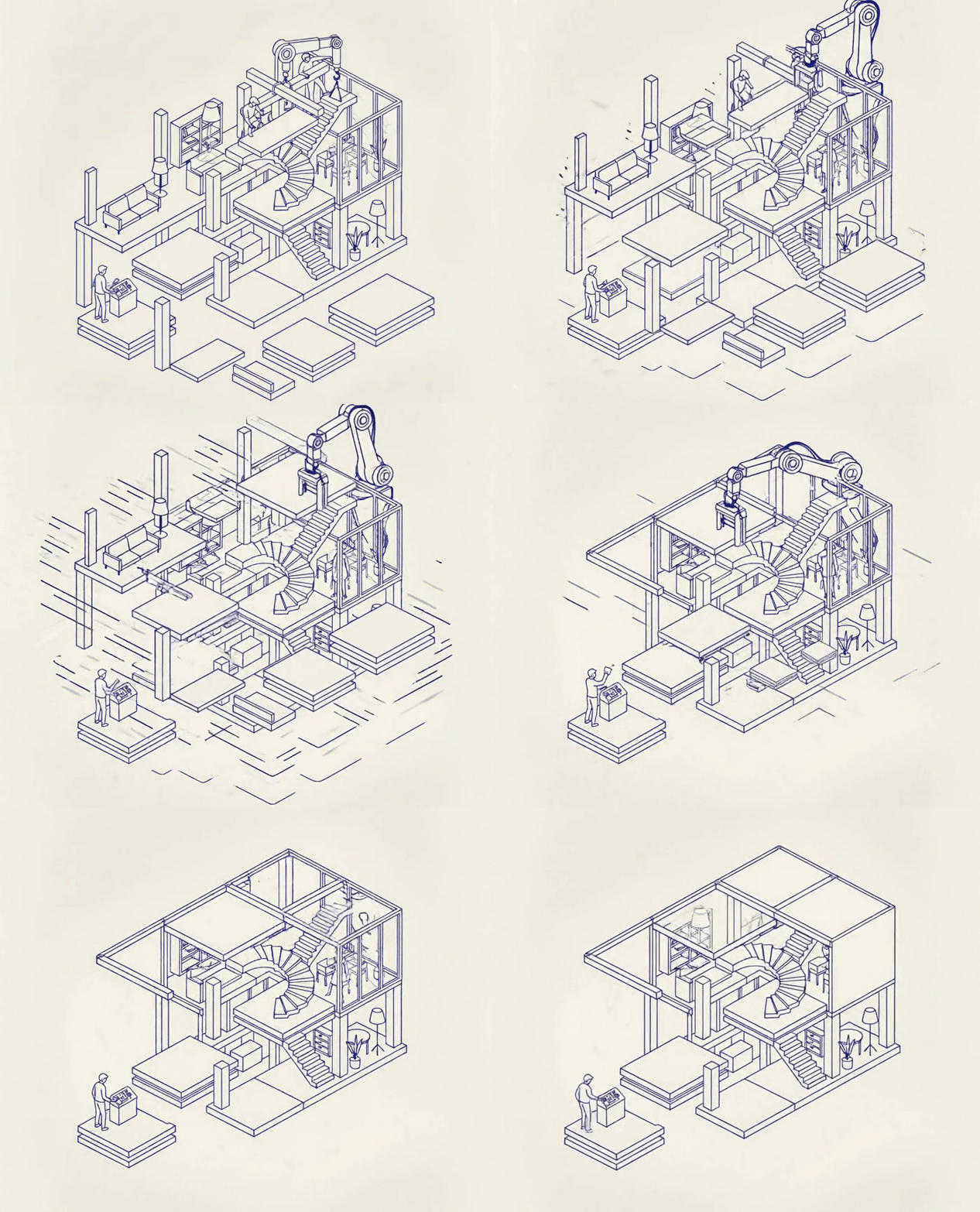
Generative AI (Gemini / Google DeepMind). Concept: Eduardo Souza / ArchDaily
Once synonymous with monotony, “prefabricated” buildings often bring to mind the gray, repetitive housing blocks of the postwar era. But that image no longer fits today’s reality. Powered by digital design, robotics, and advanced materials, prefabrication has evolved into a language of innovation and precision. Far from uniform, it now enables flexible, efficient, and sustainable spaces that reflect the individuality of contemporary architecture.
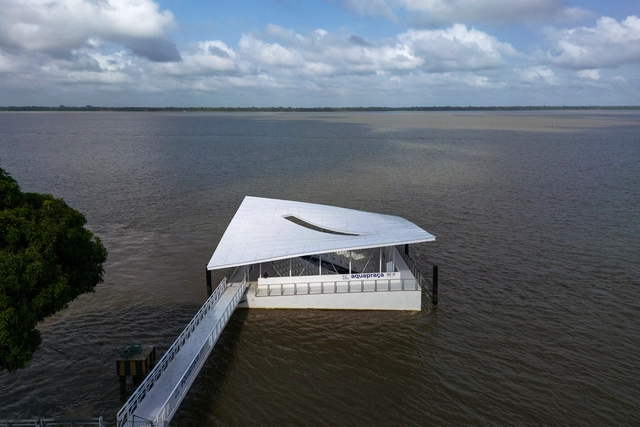
On November 21, 2025, the closing day of the 30th edition of the Conference of the Parties (COP) took place, the yearly gathering of United Nations member states to negotiate international climate agreements and assess global progress toward emissions reduction. This year, the event was held in Belém, Brazil, a port city of fewer than 1.5 million people, widely known as a gateway to Brazil's lower Amazon region. First convened in 1992, UN Climate Change Conferences (or COPs) are an international multilateral decision-making forum on climate change involving 198 "Parties" (197 countries, nearly all of them, depending on definitions of country, and the European Union). Their purpose is to assess global efforts toward the central Paris Agreement aim of limiting global warming to as close as possible to 1.5 °C above pre-industrial levels. The event brings together leaders and negotiators from member states, business figures, young people, climate scientists, Indigenous Peoples, and civil society around issues considered essential to that climate goal. This year, COP30 was marked by strong criticism of its ties to the fossil fuel industry, descriptions of agreements as fragile and insubstantial, and the struggle to move climate finance "from pledge to lifeline."