

-
Architects: Hild und K
- Area: 5000 m²
- Year: 2024
-
Manufacturers: RUBNER


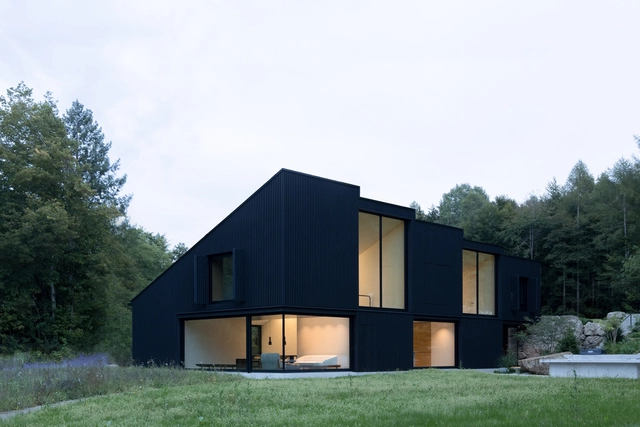
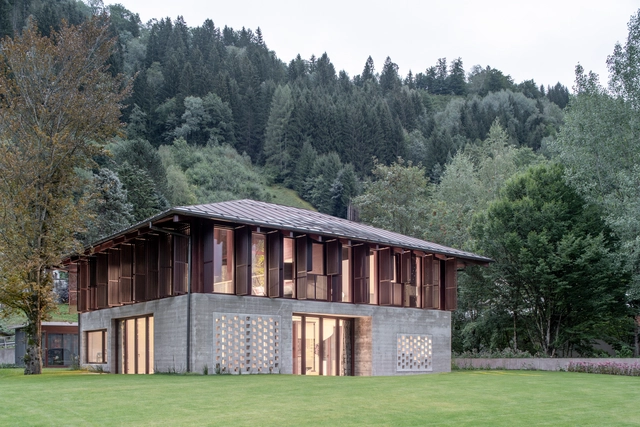
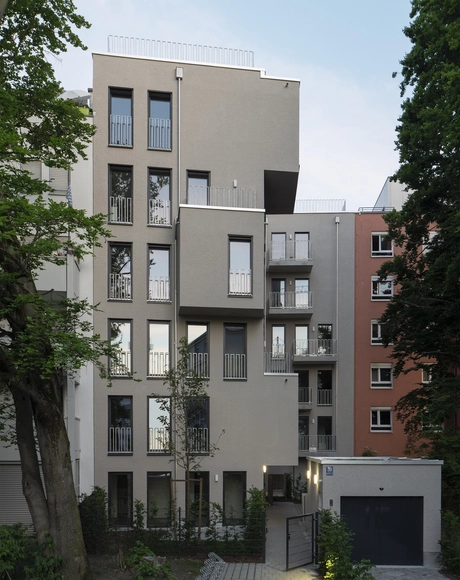
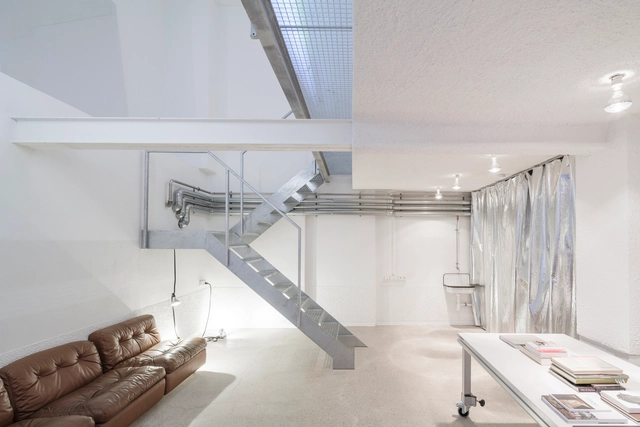
.jpg?1617300152&format=webp&width=640&height=580)
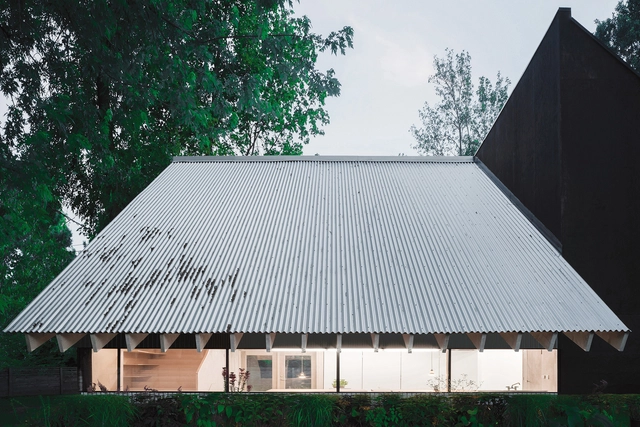
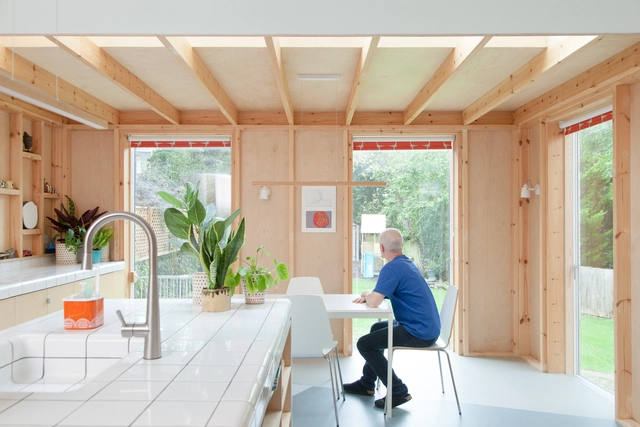
In each of our nostrils, two types of nerves play an essential role in our health. The olfactory and trigeminal nerves capture odors and send information to the brain, more specifically to the olfactory bulb, for interpretation. In turn, this communicates with the cortex, responsible for the conscious perception of odors, but also with the limbic system, which controls mood and unconscious emotions. This is the body's defense against bad smells or irritating or strong odors, creating aversion to those that could harm us in some way.
But not all pollutants can be detected through this sophisticated system, and they have an intrinsic ability to positively or negatively influence our health. In fact, research has shown that air quality can be quite poor and even worrying in many indoor environments, where we spend about 90% of our lives. This is usually caused by inadequate ventilation of the space, external pollution, and biological contaminants; but mainly chemical contaminants from internal sources. That is, the building materials used in space. Therefore, there are some products that should be avoided whenever possible.
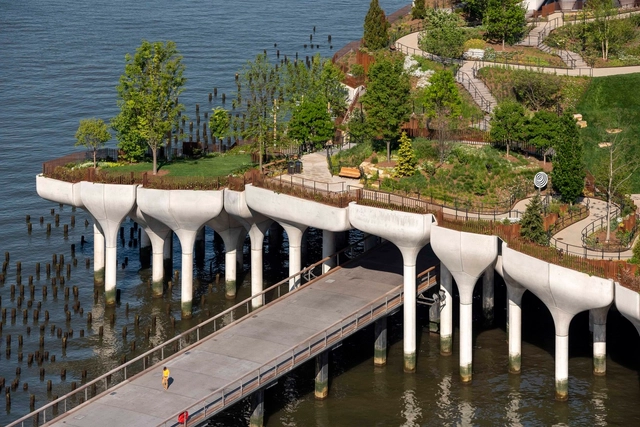
More than 5000 new projects published throughout 2021 make ArchDaily the largest online architecture library in the world. ArchDaily Curatorial Team researches, contacts offices, prepares, and delivers the built projects in the world on a daily basis, with the objective of providing inspiration, knowledge, and tools to our users who take part in the creation of better built environments.
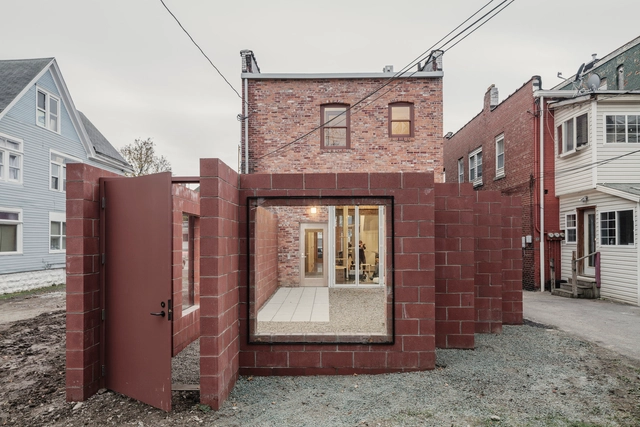
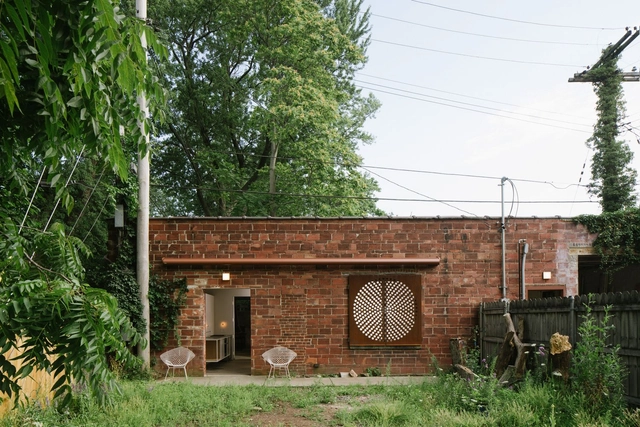

The Southwest United States is known for civic and monumental designs. These projects establish iconic, contemporary expressions that move beyond vernacular traditions. Located on sites throughout Texas, New Mexico, and Arizona, they are designed with modern aesthetics and new ideas. Novel spatial experiences and formal approaches are being explored by both local and international architects. Standing in contrast to the intimate, discreet spaces found within southwest residential architecture, these buildings are prominent landmarks and nodes within their respective cities.

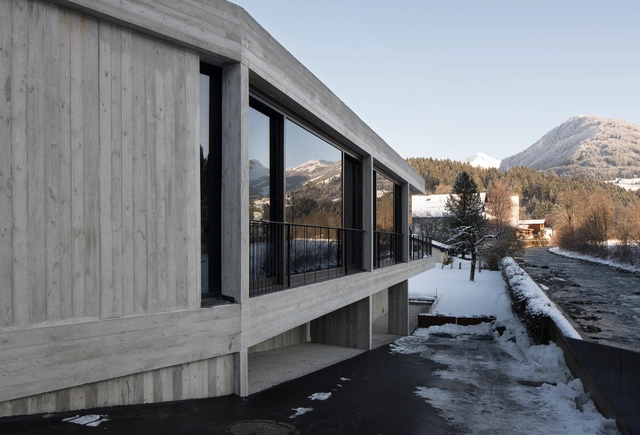
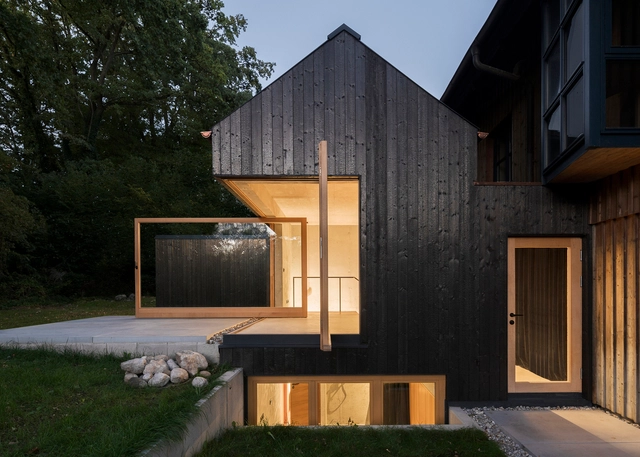
German design has become synonymous with accuracy, efficiency and precision. While the stereotype has roots in geography and local culture, the country's built environment reflects an affinity for structure, privacy and order. Combined with influences across Europe, Germany's contemporary architecture showcases refined forms and an emphasis on craft.


.jpg?1617299836&format=webp&width=230&height=230&crop=true)
.jpg?1617299973&format=webp&width=230&height=230&crop=true)
.jpg?1617300011&format=webp&width=230&height=230&crop=true)
.jpg?1617300029&format=webp&width=230&height=230&crop=true)
.jpg?1617300152)


