


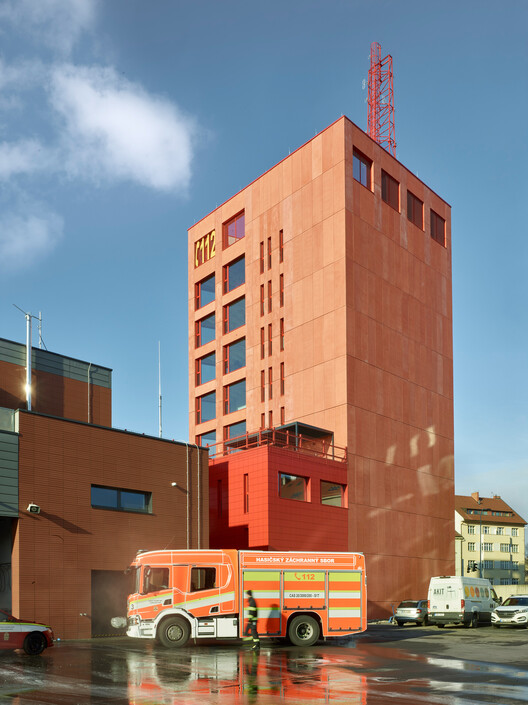
-
Architects: Architektura
- Area: 517 m²
- Year: 2025
-
Manufacturers: AbleTrade, B&V GIPS EU, B.V.A, BELLE Bohemia, BR-INVEST, +19


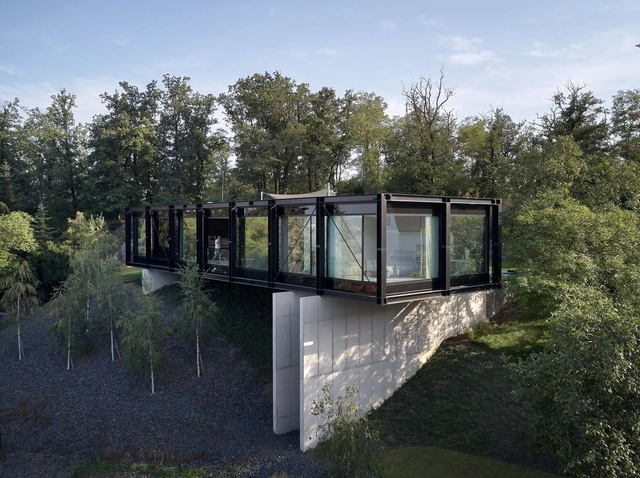
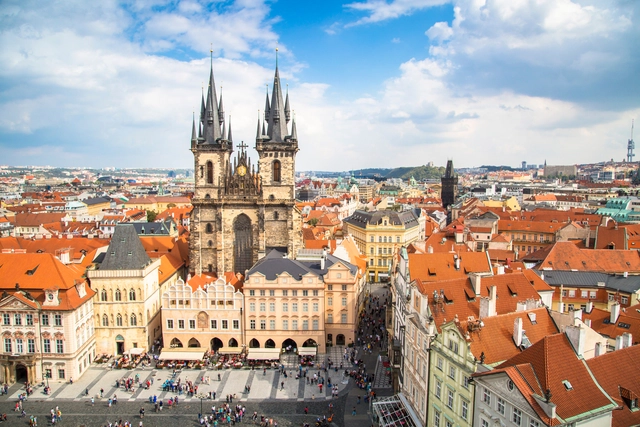
Prague, the capital of the Czech Republic, is one of Europe's best-preserved cities, having miraculously survived the widespread bombings of World War II. As the capital of the Czech Republic, Prague is home to over 1.3 million people and features an architectural heritage spanning centuries, covering a variety of architectural styles from Romanesque, Gothic, Renaissance, Baroque, and Rococo, to Modernist, Deconstructivism, and contemporary tendencies. The Old Town Square, where various architectural styles coexist, is a testament to this diversity. Known as the "Mother of all Cities," “the Golden City and “The City of a Hundred Spires,” Prague blends history and contemporary culture seamlessly. Its origins, steeped in legend, add to the city's charm.
Over the past few years, the city has also seen interest from internationally-recognized architectural offices. Following an international competition, BIG has set out to design a for the Vltava Philharmonic Hall on the riverbanks of the Vltava River, Zaha Hadid has recently completed an office and retail building in the city center, while Henning Larsen has been announced as the winner of the commission to redesign Prague Central Station, Nový Hlavák.

Wallpapers can be quite controversial. They can be typical of old-fashioned and antiquated homes, but at the same time, they can also add personality to otherwise dull spaces. One of the best parts of using these elements is that they can be quickly installed, and with relatively low costs. This also means that they aren't very long-lasting, and can therefore be quickly discarded and replaced, making them transient decoration items. As Joanna Banham—a researcher on wallpapers—states, “Wallpaper is often regarded as the Cinderella of the Decorative Arts – the most ephemeral and least precious of the decorations produced for the home. Yet, the history of wallpaper is a long and fascinating subject that dates back to the 16th century and encompasses a huge range of beautiful patterns created both by anonymous hands and by some of the best-known designers of the 19th and 20th centuries.” Today we are seeing another wallpaper resurgence, with numerous options of materials, patterns, and colors, and several examples of architects who have used them creatively in their projects. In this article, we go through the history of wallpapers and some of the current alternatives on the market, by diving into the Architonic catalog.
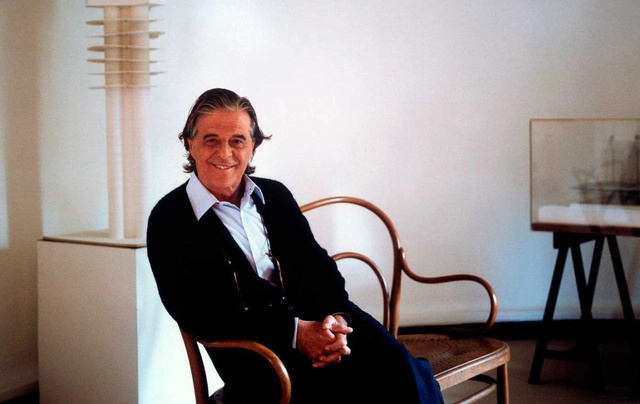
Ricardo Bofill, the Spanish architect founder of Taller de Arquitectura (RBTA), designer of the iconic Walden 7 and more than 1,000 projects in forty countries, has passed away at 82 in Barcelona on Friday, January 14, as officially announced by his own firm through a statement.


Few cities combine history and contemporary culture like Prague. The so-called "Mother of all Cities" was spared from widespread destruction during World War II, and as a result, its diverse architecture dates back over a millennium. As a political, cultural and economic center of Europe, the city has become a significant metropolis balancing both its past and future as one of the world's most beautiful cities.

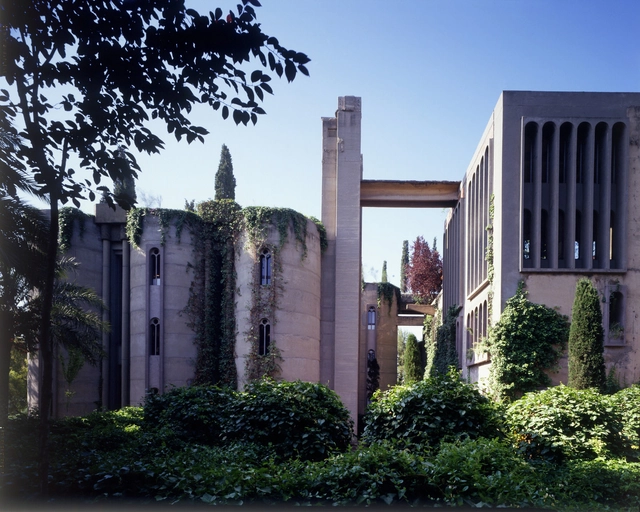
Ricardo Bofill (born 5 December 1939), a graduate of the Barcelona University School of Architecture and the School of Geneva, and the founder of interdisciplinary firm Taller de Arquitectura, is renowned for his extensive body of work and ever-changing design aesthetic. His career has spanned over 50 years, encompassing more than 1000 buildings in cities ranging from Lisbon and Boston to Tokyo and St. Petersburg. His architectural approach has evolved over the decades and has permeated dozens of countries worldwide.

.jpg?1543451831&format=webp&width=640&height=580)

Home automation, or Domotics, is a set of technologies applied to a residence to control lighting, climate, entertainment systems, and appliances. Its systems allow for efficient management of energy consumption, security, accessibility, and the general comfort of the building, becoming an important issue to consider when designing, building, and living.
Domotic systems are based on the collection of data by sensors, which are then processed to issue precise orders to the executors, varying the environmental quality of each enclosure according to the needs of the user. The pace of current life and the technological advances we have experienced in recent years have led to new ways of living, motivating the design of homes and more human, multifunctional and flexible buildings. What was once a luxury is now a feasible and effective solution for all types of projects.
In this article, we've compiled a collection of smart homes where domotics have been used.










.jpg?1642168917&format=webp&width=230&height=230&crop=true)
.jpg?1642169030&format=webp&width=230&height=230&crop=true)




.jpg?1543451003&format=webp&width=230&height=230&crop=true)
.jpg?1543449275&format=webp&width=230&height=230&crop=true)
.jpg?1543451127&format=webp&width=230&height=230&crop=true)
.jpg?1543450551&format=webp&width=230&height=230&crop=true)
.jpg?1543451831)


