When Sunlight Meets Tadao Ando’s Concrete

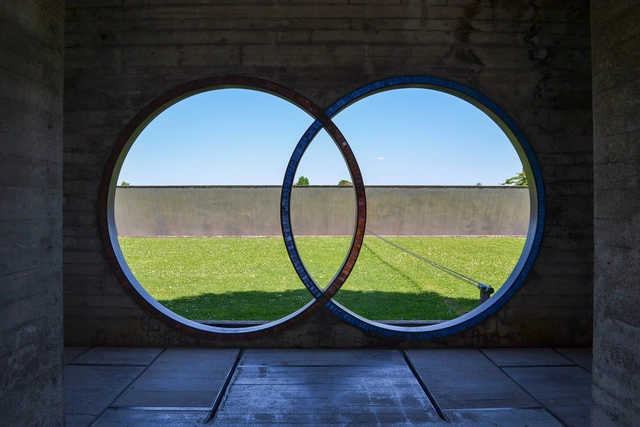
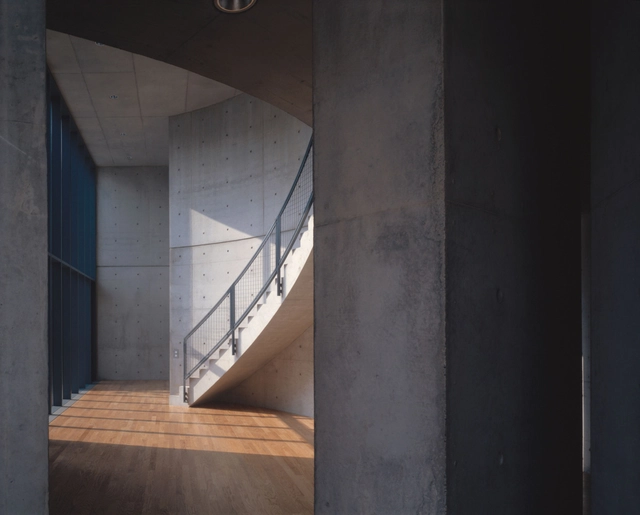
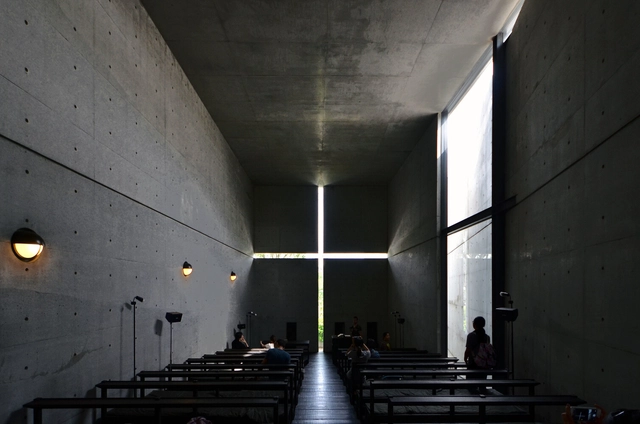
If there is any consistent factor in his work, says Pritzker-winning architect Tadao Ando, then it is the pursuit of light. Ando’s complex choreography of light fascinates most when the viewer experiences the sensitive transitions within his architecture. Sometimes walls wait calmly for the moment to reveal striking shadow patterns, and other times water reflections animate unobtrusively solid surfaces. His combination of traditional Japanese architecture with a vocabulary of modernism has contributed greatly to critical regionalism. While he is concerned with individual solutions that have a respect for local sites and contexts Ando’s famous buildings – such as the Church of the Light, Koshino House or the Water Temple – link the notion of regional identity with a modern imagining of space, material and light. Shoji walls with diffuse light are reinterpreted in the context of another culture, for instance, filtered through the lens of Rome’s ancient Pantheon, where daylight floods through an oculus. Ando’s masterly imagination culminates in planning spatial sequences of light and dark like he envisioned for the Fondation d’Art Contemporain François Pinault in Paris.
The Use of Light as a Divine Element in 5 Modern Churches

The use of light in religious constructions as an element of association with the divine has been present throughout the history of humanity. Historically, a series of temples from various religions have used this technique as an attempt to visually and perceptibly approach humans to a sacred and intangible dimension. Light is often given a spiritual connotation and significant symbolic force, capable of modifying people's relationships, perceptions, and experiences with their surroundings. Thus, it is an element that has been, and still is, used by architecture to create scenarios and effects in many religious spaces, especially churches.

What is Human Centric Lighting (HCL)?

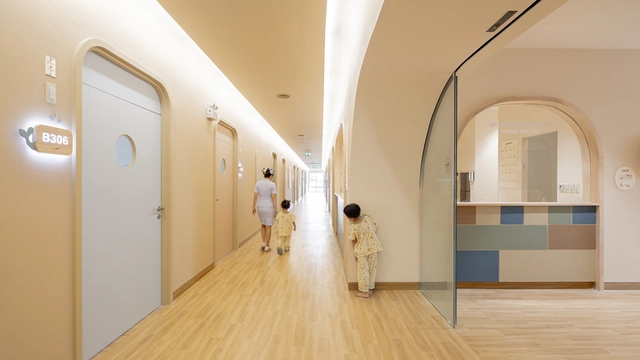
From Thomas Edison's empty glass bulb to AI-controlled LEDs, hundreds of years of constant evolution have passed, which culminated in what we now know as artificial lighting. Edison could not have imagined how dependent we would become on his invention almost two centuries later. It led to a way of life where we spend up to 90% of our time in enclosed spaces deprived of natural light, such as shopping centers and offices. Places where artificial light remains constant throughout the day, without any variation of color temperature or luminous intensity are where artificial lighting practically eliminates day and night differences.

Between Light and Shadow: Exploring Lighting to Create Atmospheres in Architecture

Light is part of various disciplines, shaping the world as we know it. In physics, it serves as a measure of speed and makes vision, and the recording of images by the eye and camera lens possible. Throughout art history, the representation of light - or its absence - has guided secular movements in various manifestations with equally different techniques and supports. This means that light - and its derivative shadow - can create environments, atmospheres and sensations, which can be perceived in objects and spaces. Light is also a part of architecture.

Young Architects Innovate for Better Sleep in Space and (Hopefully) on Earth

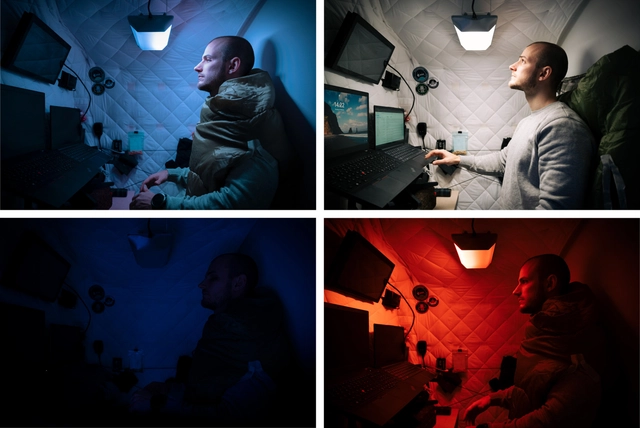
Since Yuri Gagarin's iconic pioneering flight in 1961, only 565 human beings have had the privilege of traveling into space. This extreme venture requires a high degree of devotion, extraordinary physical and intellectual preparation, and huge investments. Space exploration has the potential to benefit humanity in many ways, especially regarding the development of new technologies and the generation of scientific knowledge. Many of these technologies are already available to the public, such as GPS, water filters, or highly resistant fabrics. But while we often imagine astronauts floating in space and observing the Earth from a unique vantage point, many of them face the difficulty of sleeping and resting in space due to the lack of natural light. It is this issue that motivated a group of young Danish architects to develop a solution to improve the daily lives of astronauts in space, but also of many people on planet Earth who suffer from the same problem.

Zanzibar: The Many Meanings of Light

Light — how we perceive the world around us — is an integral, emotive architectural element. Access to light is enhanced and limited in an architectural capacity globally, with architects of expensive tropical dwellings celebrating sunny vistas with expansive glazing, while a wide range of art galleries reject light in its natural form, eliminating it in adherence to the sensitive exhibit requirements of art pieces. Light in an architectural and urban sense is also highly symbolic, evident in the many metropolises of our world, but where this symbolism takes on an interesting dimension is in the archipelago of Zanzibar.

The Importance of Gender-Sensitive Public Lighting

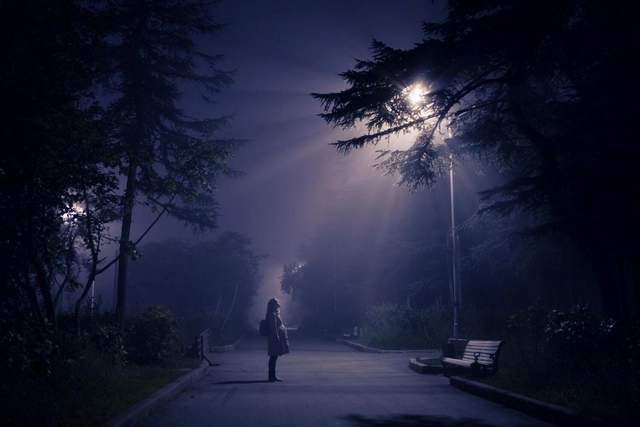
Gender is an undeniable layer of inequality in cities, which distinctly and effectively marks the experience and daily life of men and women in urban environments. Public lighting is crucial to ensure more inclusive and equal spaces, and often it is not planned from a gender perspective.

Carlo Scarpa: The Master of Sculpture and Light

Natural light is one of the most critical elements in architecture. Although unbuilt and difficult to control, it plays a crucial part in defining how space is perceived in terms of scale, textures, materiality, and overall atmosphere. Natural light also impacts the emotions people feel in a space, whether lack of light makes us feel fear and anxiety or ample light makes us feel safe and ethereal. As much as light impacts architecture, architecture also impacts light. Through framing vistas, creating 3D massings that cast sculptural shadows, and carving voids from solids that create unique light projections, many architects have mastered design techniques that utilize light in a way that seamlessly integrates it within a building- and perhaps one of the best to do this was the Venetian architect, Carlo Scarpa.

Light as Matter: 10 Artists Transform Space with Lighting

Light has been present in art for centuries. To think of the Baroque or Gothic without this element would be impossible. However, in the 20th century, artists began to explore light qualities and transformed them into a means of materializing art. Sculptures, immersive installations, and ways of shaping the environment through light, its colors and intensities brought new spatial perceptions by establishing a unique relationship with architecture.

10 Typologies of Daylighting: From Expressive Dynamic Patterns to Diffuse Light

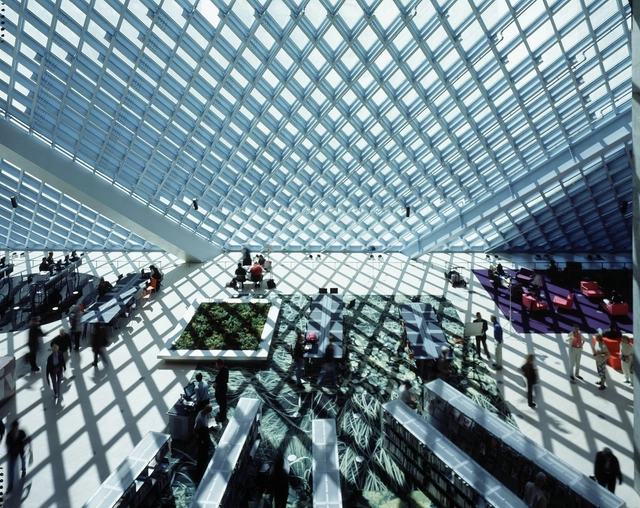
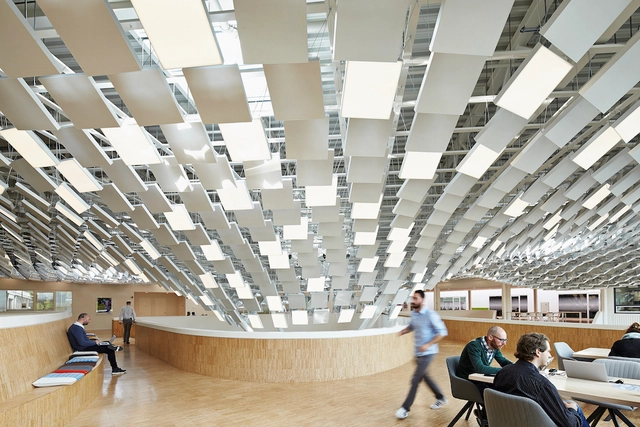
Sunlight has proven to be an excellent formgiver, with which architecture can create dynamic environments. The lighting design pioneer William M.C. Lam (1924-2012) emphasized in his book “Sunlighting as Formgiver” that the consideration of daylight is about much more than energy efficiency. Architects have now found numerous ways of implementing sunlight and the questions arises whether a coherent daylight typology could be a valuable target during the design process. However, many daylight analyses focus mainly on energy consumption.

7 Lighting Trends and How They Are Illuminating Today’s Interior Spaces

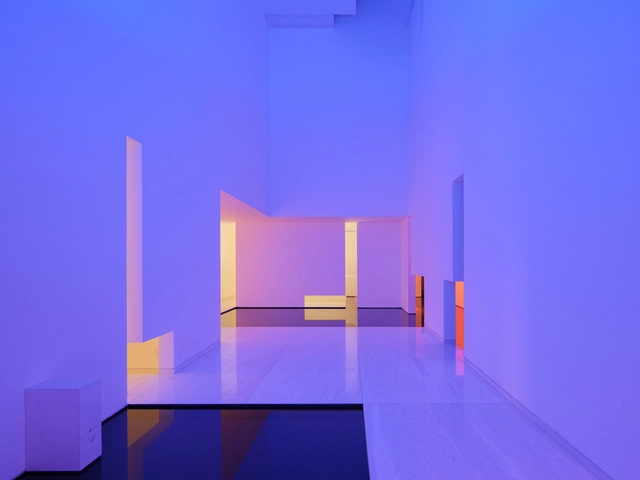
Luis Barragán’s legacy lies in the way he uses light and color. Tadao Ando's sensitive approach to natural light established his own architectural language. James Turrell's dramatic interior transformations explore a unique perception of visual experiences where "light is not a tool to enable vision but rather something to look at itself". Olafur Eliasson's immersive installations play with the psychology of viewers using just light, water, and air. These architects and designers, among others, have reimagined how light is perceived, inspiring generations of architects to follow suit with the way they understand and employ light.

Beyond Brightness: The Art of Lighting in 20 South Korean Commercial Spaces

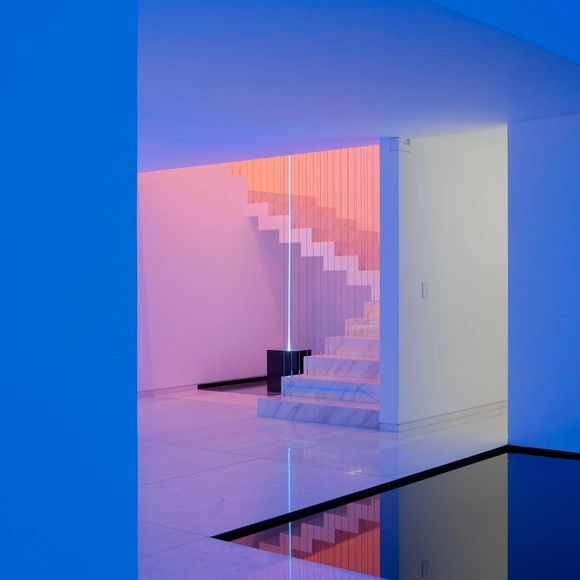
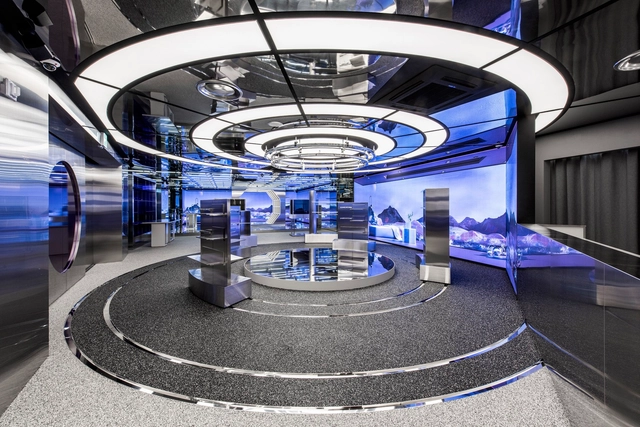
A rising number of studies suggest that well-considered lighting affects and boosts consumer behavior. Add to that the new Instagramability and promotional requirements, and the role of lighting becomes pivotal to achieving a filtered and commercially appealing visual. The latter has encouraged the implementation of new technology lighting panels and fixtures that offer a range of colors and dimmability, modifying the mood and even the overall color palette of a space. The results are some fun, sometimes almost cartoonish, settings that suggest the best backdrops and inviting venues.

The Safety of Light: A Short History of Light in Public Spaces

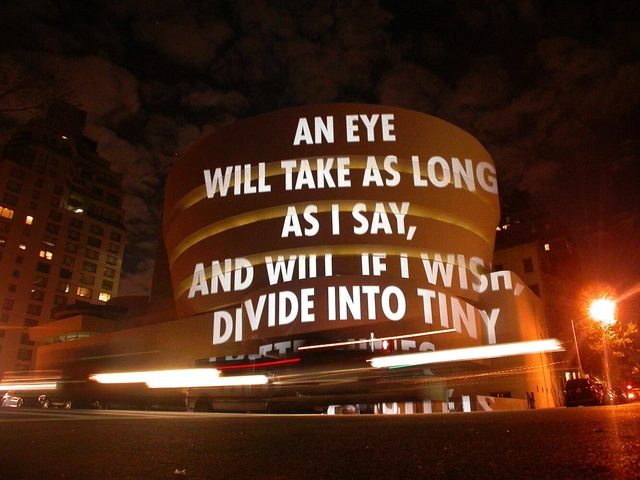
The simple activity of taking a walk in the evening can easily turn from a relaxing leisurely activity to a dangerous endeavor by removing just one element from the streetscape: public lighting. While not often recognized as defining aspect of urban environments, artificial illumination has played an essential role in defining the character of modern cities. Crime control, the appeal of nightlife, the rise of the shop window, revolutionary movements, utopias, and ideals of social equity are all concepts whose development is tightly linked to the history of public lighting. Technological advancements over the past centuries have continuously shaped the appearance and symbolism of streetlamps. Still, the this element has remains a constant throughout its history.

Sunlight Shadows for Slow but Colorful Façade Movements with Pierre Brault

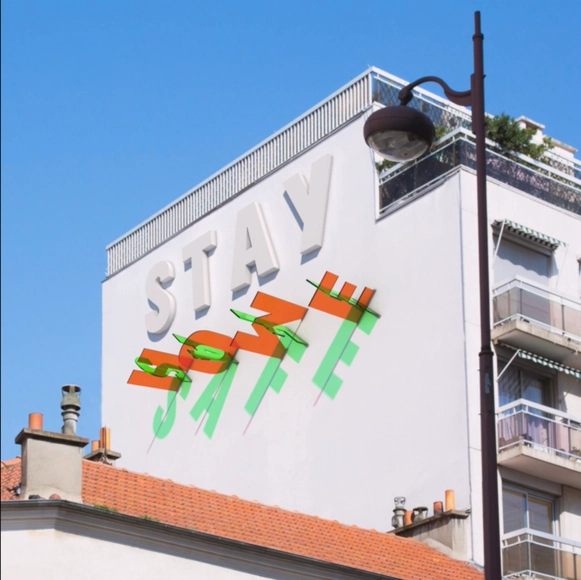
When transparent facade elements deliberately evolve from the course of the sun, we can explore a fascinating slow movement in stark contrast to the hectic urban street life on the ground. Especially the French designer Pierre Brault has responded to the accelerated rhythm of our society with facade installations that combine the principle of the sundial with colorful pop design. His three-dimensional works made of recycled colored plexiglass mesmerize through simple but dramatic movements of colored shadows. In the interview, Brault explains his inspiration, the experimental approach and his interest in working responsibly with material.

Less is More: Minimal Window Systems for Maximum Light

 | Sponsored Content

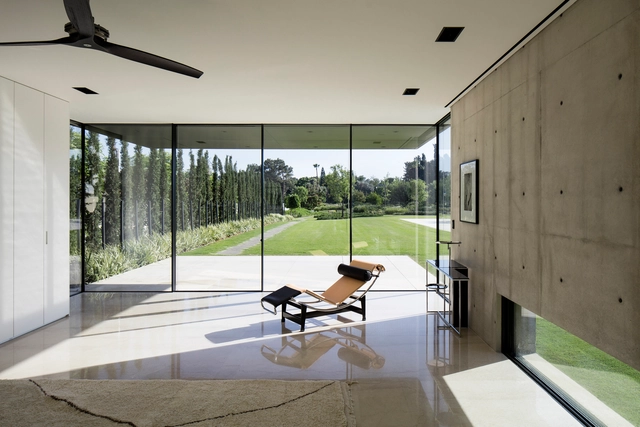
Le Corbusier once described architecture as “a learned game, correct and magnificent, of forms assembled in the light.” Natural light –and its accompanying shadow– plays a crucial role in shaping our perception of architecture, serving a long list of functions that define how users experience, engage and interact with buildings. From illuminating and accentuating to enhancing views and evoking warmth, the presence of daylight has the power to set a room’s tone and aesthetic language. It even has a significant impact on human health and well-being, including boosting mood and productivity, regulating circadian rhythms and reducing eyestrain and headaches –it makes our lives brighter, literally.

Translucency in 7 Projects of Contemporary Brazilian Architecture

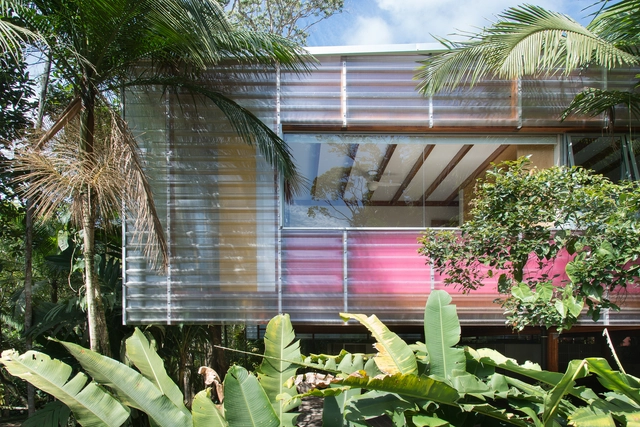
The use of translucent materials in Brazilian architecture has been a growing trend in recent years. Translucent laminated glass, polycarbonate and acrylic are just a few of them. They have different advantages and disadvantages regarding cost, impact resistance, and thermal and acoustic insulation. What outlines the common benefit between them is the constant dialogue they provide between interior and exterior.

The Role of Shadows in Vernacular Architecture

Whenever light falls on a surface there will be a shadow, no matter how insignificant its focus is. The outline will hardly be visible, but other shapes will come to the fore in this play of light and dark. In the case of being projected by solar dance, a latent dynamic is added to the shadows that can be used to intensify everyday phenomena, breaking the monotony of space. Orthogonal openings in a long corridor or woven pieces in a courtyard are examples of constructive elements that create patches of light and shadow, bringing in addition to aesthetic delight and thermal comfort to its users. In this way, it becomes evident that these intangible elements are essential parts of an environment that, long before Louis Kahn declared the power of shadows, was already being manipulated.

How Will We Illuminate Our Interiors in the Future?

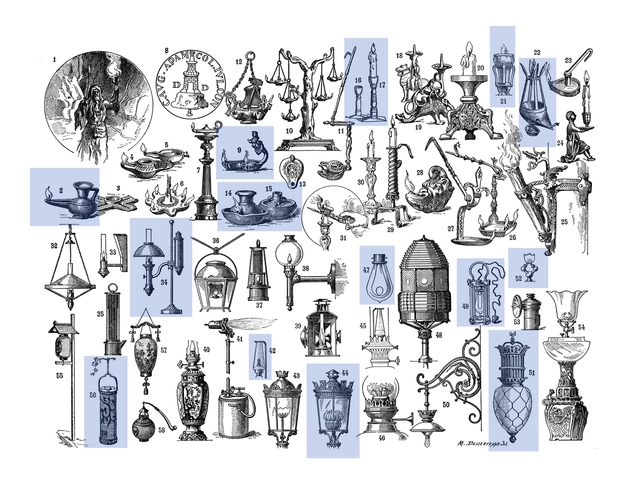
As trivial as the act of flipping a switch and lighting up a room may seem, we've had to come a long way to have safe and reliable light sources. It is estimated that the first lamps were invented 70,000 years ago, consisting of hollowed out stones or shells filled with an absorbent material soaked with animal fat that could be ignited. The Egyptians, on the other hand, used decorated ceramic vessels filled with oil, which provided a constant flame. Candles were popularized during the Middle Ages, made of tallow (animal fat) or beeswax, and could be burned in simple candlesticks and chandeliers. It was in the late 19th century that Thomas Edison and his team invented an incandescent light bulb that could be mass manufactured and was economically viable, soon becoming the dominant form of lighting for much of the 20th century. Although it was a revolutionary invention at the time, we are now aware that these lightbulbs are not very efficient, and they were eventually replaced by fluorescent and, more recently, LED bulbs. But if we have already advanced so much in such a short time, what can we expect for the future of lighting, and more specifically, how will our interiors be lit in a few years or decades?