Designing Without a Client: 6 Houses Created by Celebrated Architects for Themselves

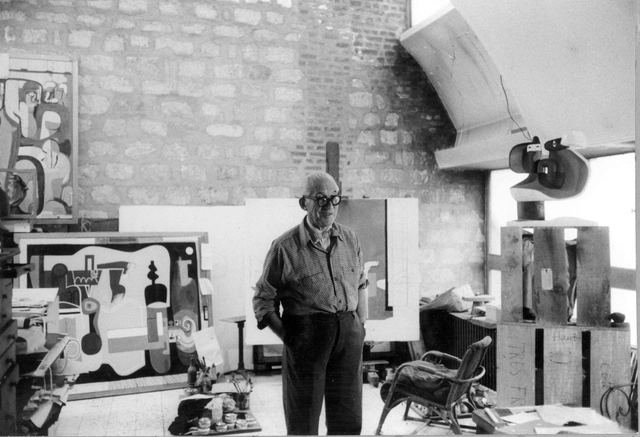
Examining the houses that architects designed for themselves can provide insight into their design process, priorities, and philosophy. While often reduced in scale, these personal residences offer a peek into the architects' mindsets and the way in which they translate their ideas into lived spaces without having client-imposed restrictions on the end result. The structures also reflect their creators' personal values, lifestyles, and aesthetic preferences.
What Is an Architectural Curator?

In his book "Curation: The Power of Selection in a World of Excess," Michael Bhaskar defines curation as "using acts of selection and arrangement (but also refining, reducing, displaying, simplifying, presenting, and explaining) to add value." Originating from the Latin word curare, meaning to take care of, the curator's role in dissecting our understanding of the world around us cannot be overlooked. Over time, as the definition morphs into different bodies, the practice of curation continues to evolve, filling the roles of caretakers of our built environment and thinkers of different forms for the overall bettering of society.

Step by Step: How to Specify Materials in an Architecture Project?

Just as fashion designers use pins, needles and textiles to bring their creations to life, architects rely on materials to shape our built environment. From steel and glass to wood and concrete, these form the artistic palette that transforms blueprints into tangible structures, bridging the gap between imagination and reality. It's as simple, yet as complex as that. But with so many materials –and countless shapes, finishes, textures and colors– available in this day and age, making the correct choices for a particular project can be quite challenging. Several questions naturally arise: How do architects navigate the endless possibilities to handpick the elements that will breathe life into their designs? What does the material specification process entail? Where does one begin?

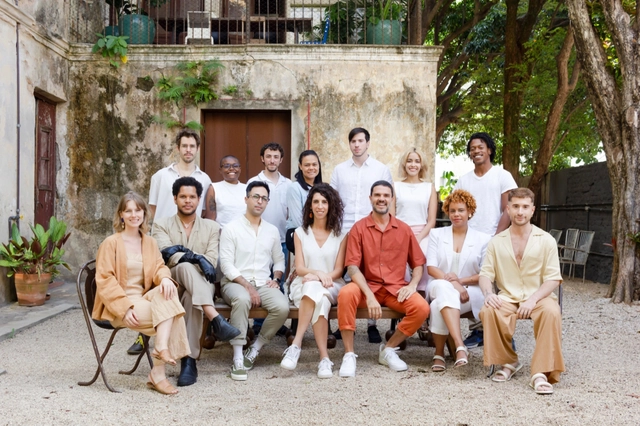
Technology, Nature, and Diversity in Architecture: An Interview with Guto Requena

During July, we delved into the Design Process as our monthly topic. Inspired by practices that intersect various uncommon layers in their creations, we talked with architect Guto Requena. When designing, his studio experiments with different digital technologies through a sustainable lens and with a keen eye on social issues, aiming to deliver innovative and emotional experiences. Today, the architect boasts numerous national and international awards, including the ArchDaily Building of the Year and the UNESCO Prix Versailles.

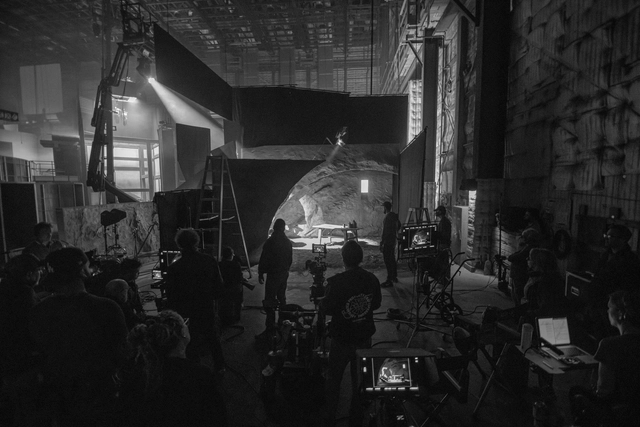
The Design Process in Production Design: 8 Conversations About Sets, Props, and Locations

"I have a feeling we're not in Kansas anymore," Dorothy says to her dog in 1939's 'The Wizard of Oz' as she walks around, discovering a fantasy set in which, without realizing it, we find ourselves immersed. From the initial sketch to the construction of the sets, production design for film requires careful detail to truly bring visions to life and transport viewers.

Social Sustainability: Participatory Design in Collective Space Creation

Increasingly, the concept of social sustainability has become a central theme in contemporary architecture discussions as users' subjective and non-static needs become paramount in the design process. Social sustainability in architecture aims to design and construct buildings and urban spaces that promote well-being, inclusion, and community cohesion. It focuses on creating environments that enable positive human interactions, support diverse needs, and improve the overall quality of life for people who inhabit and use these spaces. Socially sustainable architecture considers the social, cultural, economic, and health aspects of a community to address societal challenges and provide long-term benefits to residents.

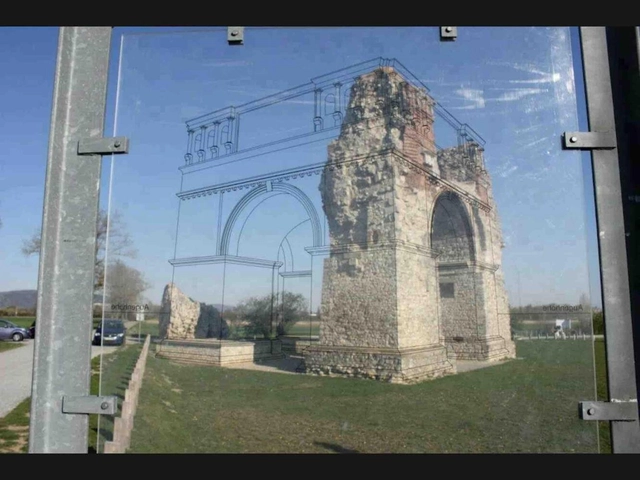
Explore the Future of Architecture with Augmented Reality

Augmented reality (AR) software has been a common feature in professional design toolkits for a while. But the recent release of Apple’s Vision Pro glasses shows the mixed-reality wearables sector is making serious inroads in consumer markets too, as one of the world’s biggest names in consumer design and technology enters the market.

Are Architecture Firms the Next Design Thinking and Innovation Giants?

As they recognize the growing significance of innovation in today’s business landscape, architecture firms are experiencing a transformation. Companies across diverse industries have also come to appreciate the impact of design on cracking challenges, thanks to the success of design-focused startups such as Airbnb. Traditionally confined to designing physical structures, architecture firms are broadening their scope and embracing research and innovation as integral elements of their design process. With the establishment of research and innovation divisions, these firms not only enhance their own practices but also offer their expertise to address the evolving needs of our era—ranging from human and technological advancements to strategic innovation. 

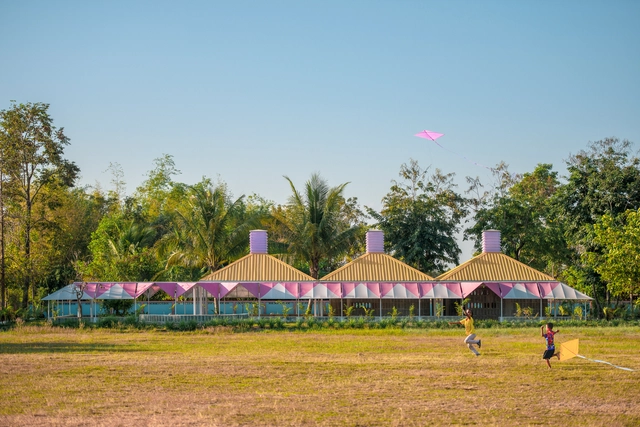
Designing With Users: 7 Projects Where Architects Collaborated With Communities

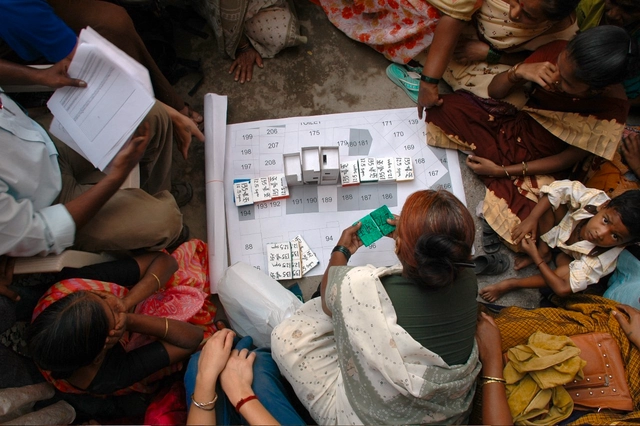
There are moments when architects take the design process beyond their practice and engage with potential users as design participants. This expands the design framework and makes the input of future users key to project development. By seeking the knowledge, skills, and decision-making of a communal collective, the project becomes more tailored to their needs, better designed to fit within their local context, and a platform to exchange techniques and vernacular skills. It also creates a general sense of belonging in communities and gives users the authority to claim the environment around them.

Five Ways to Revolutionize the Exploration, Design, and Creation of Buildings

 | Sponsored Content

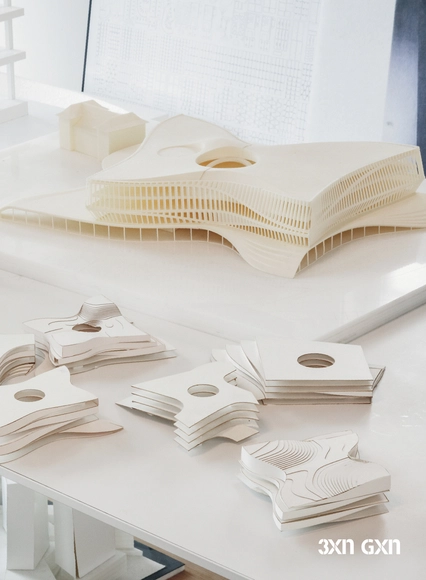
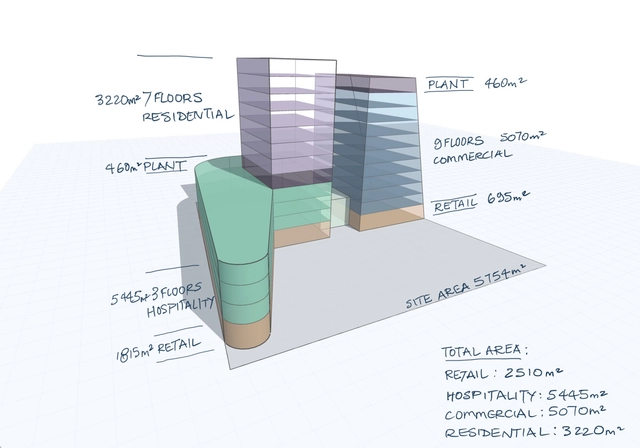
Architecture encompasses a comprehensive design process that incorporates various steps and considerations for transforming abstract ideas into well-designed and functional projects. While specific approaches may vary, this dynamic and iterative process involves understanding the requirements, goals, and constraints of each case, followed by a conceptual design and detailed development of the spatial organization, relationships, and aesthetic aspects. It concludes with a construction and post-occupancy evaluation. Creativity, collaboration, problem-solving, and previous site analysis guide the creation of functional and aesthetically pleasing designs.

What is the Impact of Apple’s Vision Pro Augmented Reality Goggles on the Field of Architecture?

On June 5, Apple launched Apple Vision Pro, a new type of spatial computer that uses augmented reality goggles to allow users to experience a blend between the digital and physical worlds. The device promises to offer its users an infinite canvas for apps, larger and more immersive than traditional displays, while allowing them to stay present and connected to others. It features visionOS, the first spatial operating system to create this new way of interacting with digital content. Previous concepts like the metaverse have promised to transform the way we experience digital worlds, with architects taking the opportunity to delve into the design of restriction-free virtual spaces. Could this new device bring new ways of experiencing three-dimensional spaces, to better integrate architecture with digital environments?

Sketches, Perspectives, Notes, and Drawings by Luis Barragán that Reveal Processes in His Work

Two years ago, as part of an initiative by the Barragan Foundation, the launch of the institution's renewed website was announced via its Instagram account. This represented an effort to compile all the information that exists so far from the Barragán Archive that enriches the study of his career, opening up the panorama to understand his trajectory and evolution from a clear chronology, experiments, and collaborations, as well as unrealized or demolished projects. The website compiles these five decades of career, presenting a list of 170 works inside and outside the country that is updated as more material is researched and collected.