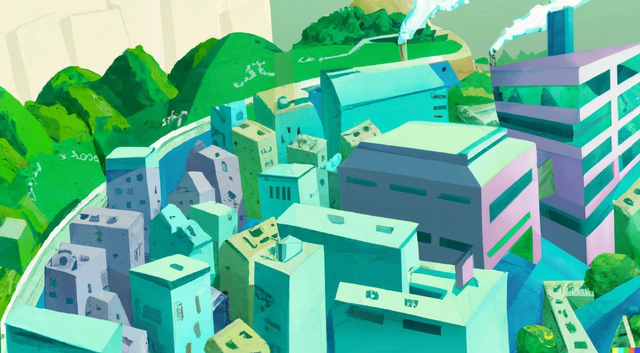
Image created using AI under the prompt: An expressive illustration of an urban environment with a lush landscape that exemplifies the decarbonization of architecture. Image via Via DALL.E 2
Architecture encompasses multiple processes, starting with identifying needs and transforming them into habitable structures through thoughtful design. Historically, construction-related processes like resource extraction and end-of-life disposal were often overlooked. However, it is essential to recognize that buildings have a lifecycle with significant impacts on carbon emissions. Emphasizing sustainable practices is vital to minimize our ecological footprint and positively impact the planet.
https://www.archdaily.com/1004300/how-to-reduce-the-carbon-footprint-through-architecture-three-approaches-across-the-building-lifecycleEnrique Tovar
The world has just witnessed the hottest months in recorded history, and the outlook is far from optimistic. Rising temperatures are driving greater cooling demands, threatening to trigger a vicious cycle of higher electricity use and carbon emissions. In a planet simultaneously facing unprecedented urbanization and a climate crisis, the intersection of building energy efficiency and cooling technologies has never been more crucial.
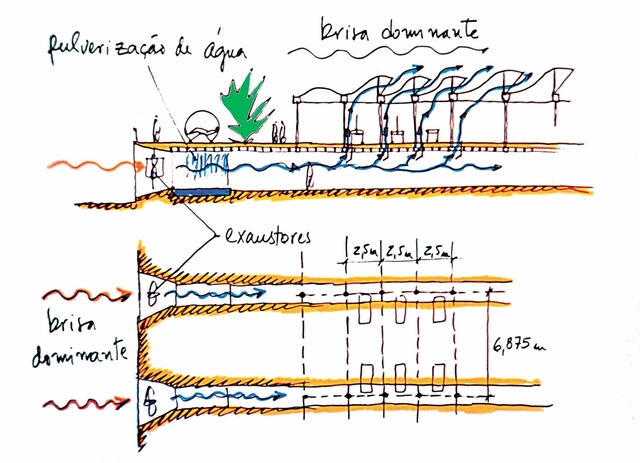
Design of the ventilation system at the Sarah hospital / João Filgueiras Lima (Lelé). Image via Concrete
Architecture is a transdisciplinary field. It incorporates principles and knowledge from several other disciplines to ensure a built structure functions as intended. This fundamentally involves considering the context in which a building is placed, including its immediate surroundings, such as neighboring structures, local biodiversity, and climate. Essentially, architecture only exists within a particular context. When we expand this context to a broader scale, it becomes what we commonly refer to as the "environment."
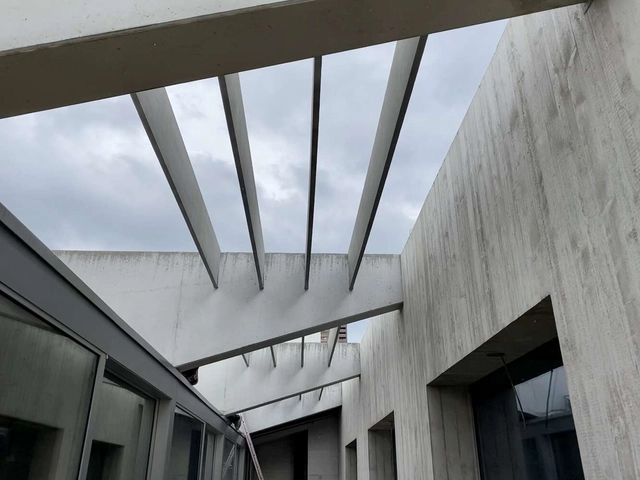
CPC concrete slabs are based on the technology of "carbon pre-stressed concrete," which originated from a long-term research project conducted by the Zurich University of Applied Sciences Winterthur (ZHAW) and Silidur AG, Andelfingen. These panels are reinforced with thin, pre-stressed carbon strands, allowing them to be three to four times thinner and lighter while maintaining the same load-bearing capacity as traditional reinforced slabs.
Sustainable construction certifications can play a crucial role in mitigating climate change by establishing solid criteria to foster ecologically responsible practices in the construction industry. They not only give public visibility to industry-accepted standards and monitor performance, ensuring compliance with regulations, but also stimulate the reduction of negative environmental impacts while rewarding buildings that fulfill strict sustainability standards. By establishing higher levels of excellence in projects and constructions, these certifications influence the evolution of construction codes, training professionals, and even changing corporate strategies.
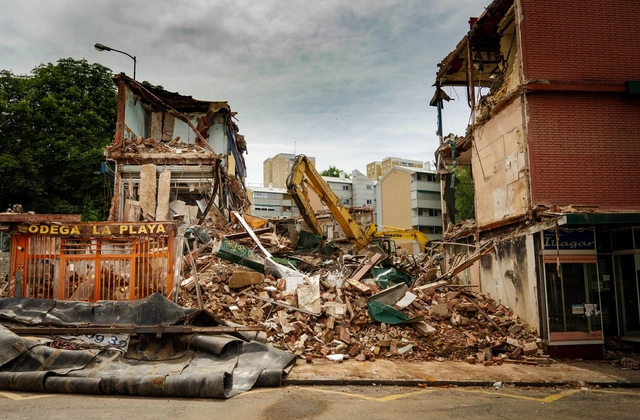
The built environment is responsible for approximately 42% of annual global CO2 emissions. During a building's lifespan, half of these emissions come from its construction and demolition. To decarbonize architecture and control global emissions, it is important to rethink and reduce the upfront or embodied carbon impacts of demolitions, as well as implement sustainable construction strategies for buildings. Demolitions typically involve dismantling, razing, destroying, or wrecking buildings and structural parts, leading to unsustainable levels of carbon emissions, material depletion, waste, and pollution. These hasty methods of ending the life cycle of a building have negative impacts on the environment, material components, and recycling strategies. Therefore, there is a clear need to re-think the way in which we approach the end of a building or infrastructure project's life towards a more sustainable system of deconstruction.