How Amsterdam Uses the Doughnut Economics Model to Create a Balanced Strategy for Both the People and the Environment

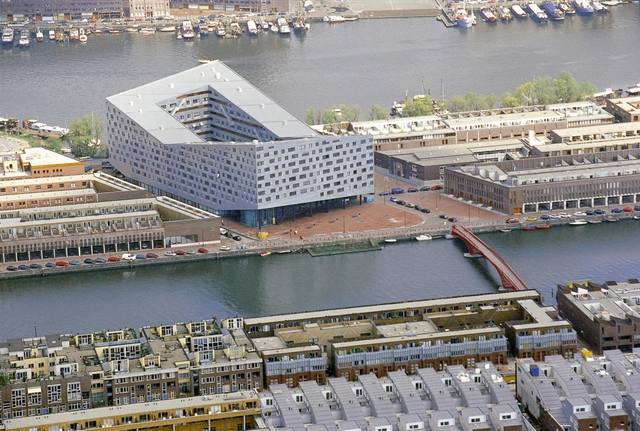
In 2020, in the midst of the first wave of lockdowns due to the pandemic, the municipality of Amsterdam announced its strategy for recovering from this crisis by embracing the concept of the “Doughnut Economy.” The model is developed by British economist Kate Raworth and popularized through her book, “Doughnut Economics: Seven Ways to Think Like a 21st-Century Economist”, released in 2017. Here, she argues that the true purpose of economics does not have to equal growth. Instead, the aim is to find a sweet spot, a way to balance the need to provide everyone with what they need to live a good life, a “social foundation” while limiting our impact on the environment, “the environmental ceiling.” With the help of Raworth, Amsterdam has downscaled this approach to the size of a city. The model is now used to inform city-wide strategies and developments in support of this overarching idea: providing a good quality of life for all without putting additional pressure on the planet. Other cities are following this example.
What is Circular Economy?

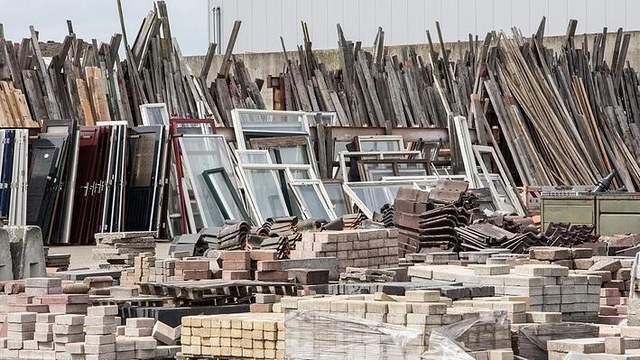
The circular economy concept became more defined in 1990 when it appeared in the article Economics of Natural Resources and the Environment, by British economists and environmentalists David W. Pearce and R. Kerry Turner. At the time, the main purpose of the research was to demonstrate that the traditional economy did not incorporate recycling. In this way, the environment assumed a secondary role, just like a simple waste reservoir. Therefore, the circular economy would gain strength as an opposition to the linear (or traditional) economy, in which the production chain motto is “extract, produce and discard”. A model deeply rooted in our economy that has become unsustainable for several reasons, like the depletion of natural resources and the contamination of the environment resulting from production and disposal.

What Does it Cost to Recycle Building Materials?

Almost two decades ago, in the downtown corridor of Columbus, Ohio, the century-old landmarked Lazarus Building underwent an extensive renovation to save the department store and restore it to its former glory. Sixty million dollars went into its restoration and transformation into a retail and office complex. During the construction, workers recycled nearly 5,000 pounds of steel, 2,000 pounds of concrete, and significant amounts of carpeting, ceiling tiles, and various wood- keeping 22,000 pounds of debris out of Ohio’s landfills. They also saved more than $25 million dollars by implementing this rigorous recycling process.

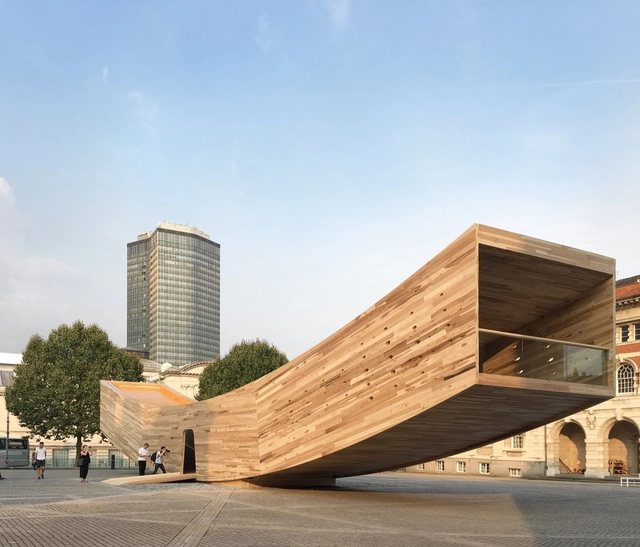
The Meteoric Rise of Cross-Laminated Timber Construction: 50 Projects that Use Engineered-Wood Architecture

Timber is a natural, renewable material, easy to fabricate, and with low-carbon emissions. As a construction material, however, when put under enough directional force along its grain, sawn timber is structurally unstable, so deemed unsuitable under higher loads. In comparison, the manufacture of cross-laminated timber (CLT) involves simply gluing multiple layers of timber together at right angles. By crossing the direction of the grains, CLT achieves a far higher level of structural rigidity along both axes. CLT boards start with a minimum of three layers but can be strengthened further with the addition of more. Simply put, due to the complex physics involved in the perpendicular lamination, the strength of CLT board is similar to that of reinforced concrete, and has proven performance under seismic forces.

Why the Global South Needs Different Sustainability Benchmarks

As world governments grapple with environmental crises, the construction industry rushes to reevaluate sustainable design and develop new ways of measuring its efficiency. Consequently, green building certification systems (GBCS) started gaining traction in the 20th century to evaluate and promote sustainable construction practices. The Global South faces distinctive challenges in building sustainable cities. Its developing nations demand an exclusive approach to designing an appropriate, economical, and inspiring architecture for their promising futures.

Circular Economy: Designing for Bioregions

Cities are complex ecologies of intersecting natural systems and urban infrastructure. Environmental degradation has brought attention to the asymbiotic relationship between man-made and natural systems. A new economy is emerging where interdependence and environmental stewardship are valued. Designing for a circular economy requires consideration of human habitats not as towns or cities, but as bioregions. 

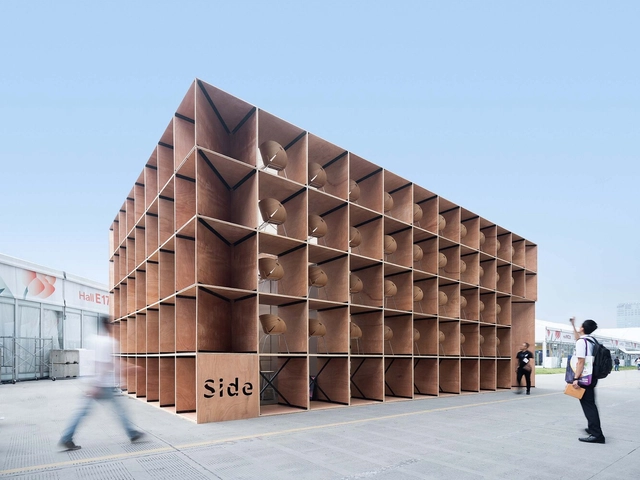
Afterlife of Pavilions: Exploring Reuse in Temporary Architecture

Temporary pavilions and installations, such as those used in events, exhibitions, or festivals, present themselves as a great challenge when addressing the circular economy in architecture due to their ephemeral condition. It seems contradictory to address resource management and try to extract the maximum value from the materials and minimize waste and pollution while designing a structure that is meant to be used for a limited period of time. However, there are several strategies to rethink the way we are designing these structures in order to promote circularity.

Circular Economy: Design Strategies in a Larger Time Dimension

These days, the architecture industry cannot disregard how significant the challenge of sustainability has become. One strategy for achieving sustainable development is a circular economy, based on a sustainable life cycle. This strategy minimizes resource usage and extends the useful life of buildings from a design perspective. Moreover, another challenge is how to increase the usability of the building itself, in addition to how we've incorporated building disassembly into the cycle. This requires that designers take the future into account when making design decisions, integrating the requirements of the present with the potential outcomes of what has not yet happened.

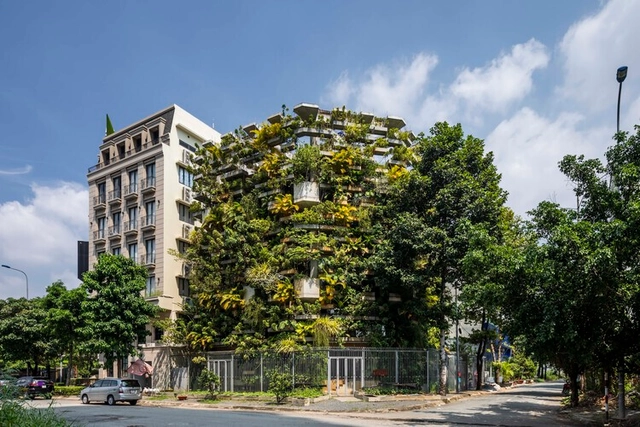
Biophilic Interiors: 21 Projects that Blend Architecture with Nature

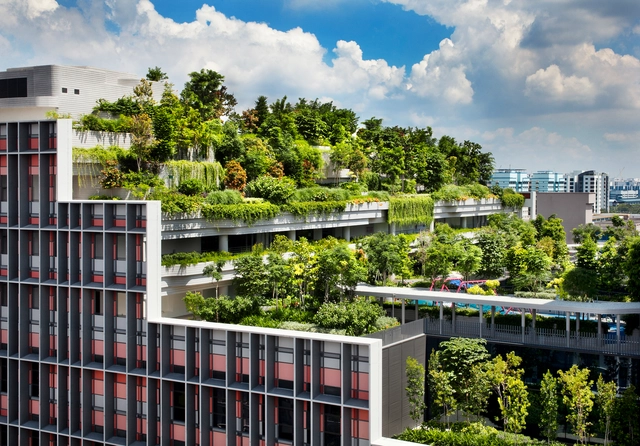
Humans are hard-wired to respond positively to nature; the crackling sound of fire, the smell of fresh rain on soil, the healing characteristics of plants and the color green, being in proximity to animals, etc. That, along with today’s critical environmental conditions and rapid urbanization, shifted architects' focus towards eco-conscious projects to bring people closer to nature. Architects explored numerous approaches: rammed earth structures, recycled materials and furnishing, designing around the site's sun orientation... The practice was so driven by green architecture that the lines became blurred between what is truly sustainable and ecological and what is "greenwashed". But what proved to bring about the most innate biological connection with nature was biophilia, and "bringing the outdoors in" through design.

What is Subscription Economy in the Context of Architectural Production?

Subscriptions are quickly becoming an integral part of everyday life. For example, streaming platforms have completely replaced the need to own video cassettes, while ride-sharing services partially cover the need to own a private car. Subscriptions have been largely understood as digital services, but a new trend suggests that the same concept could be transferred to physical objects in the near future. Instead of owning a fridge, a washing machine, or even light bulbs, one could acquire a subscription to ensure the freshness of produce, clean clothes, and a well-lit home.

Circular Economy in Latin American Housing: 12 Examples of Reuse of Materials

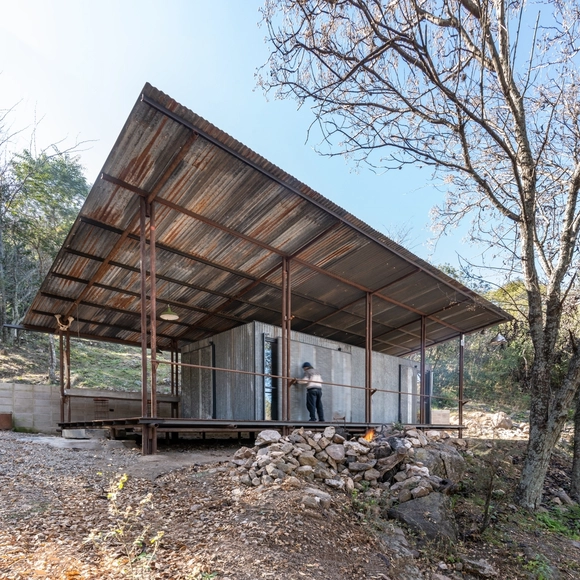
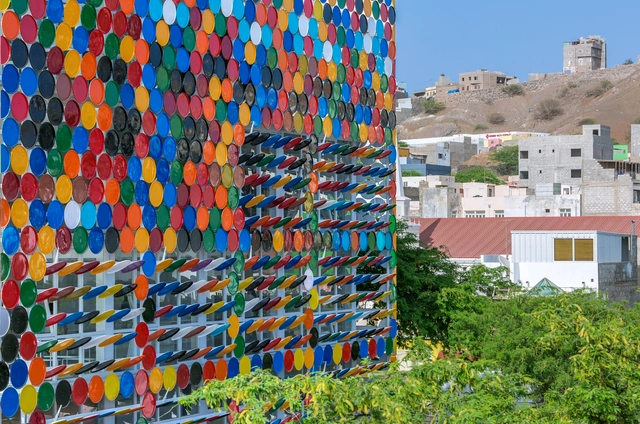
Although the circular economy involves other principles such as the regeneration of natural systems, the reuse or recycling of materials plays an important role in contributing to the reduction of waste generation by giving a second useful life to elements that could be considered waste. Wood, metal sheets, bricks, and stones, among others, can be reused, bringing sustainability and efficiency criteria to the projects, helping to consolidate this concept that still has a long way to go.

What is Regenerative Architecture? Limits of Sustainable Design, System Thinking Approach and the Future

A heavily cited fact within the architecture industry is that the built environment accounts for 40% of global carbon emissions. The concerning statistic puts immense responsibility on construction professionals. The idea of sustainability in architecture urgently emerged as a way of bandaging environmental damage. A wide range of sustainability practices aims no higher than making buildings “less bad”, serving as inadequate measures for current and future architecture. The problem with sustainable architecture is that it stops with ‘sustaining’.

Architecture of the Cloud: The Data Center Footprint

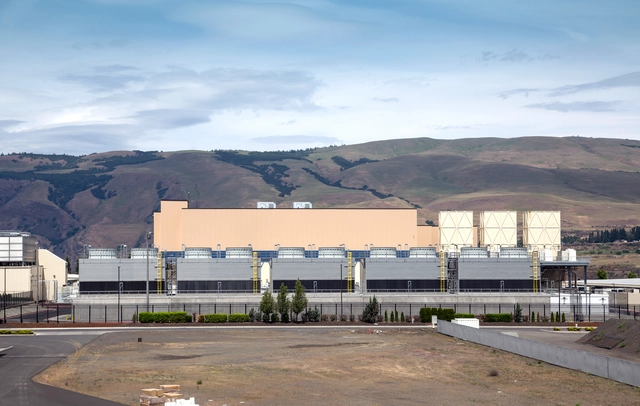
In the contemporary context, as has been said a multitude of times, we seem to be living in what is classified as a digital age. A worldwide pandemic has enhanced the popularity of digital avenues to communicate — such as Microsoft Teams and Zoom, and the multiplatform messaging app WhatsApp is reported to have over 2 billion active users. From an environmental standpoint, we see the migration of businesses to the “cloud” heralded as a sustainability win. In simplified terms and to pick out a specific example, companies can refrain from storing data on external hard drives, opting instead to store their data on online file hosting services.

Circular Economy and Architectural Heritage

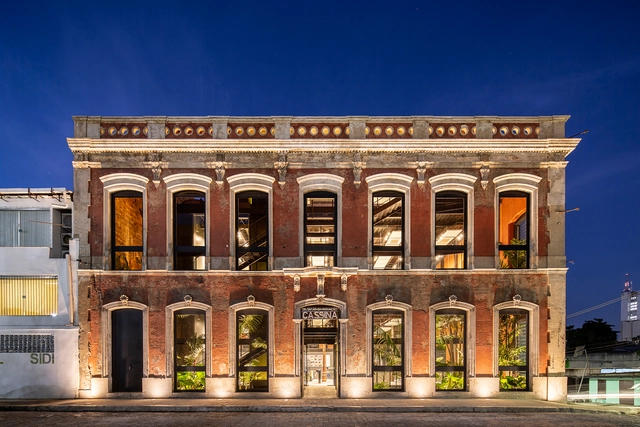
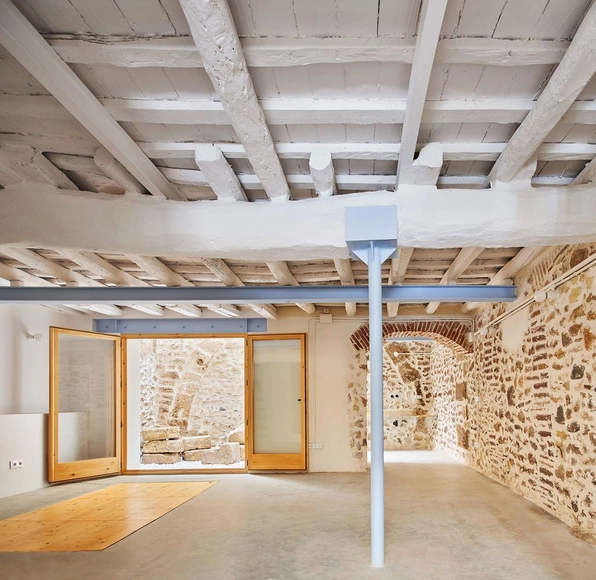
Form and function. Terms that accompany several definitions that belong to architecture, but more is needed to summarize the practice in 2023. Nowadays, building involves understanding the cycles of materials and how each action can be linked to the extraction of natural resources and their damage to the environment. We live in an urgent need to review the way we produce built space. In this search for models that move away from linear systems and provide a constant process of transformation and redistribution of matter, strategies arising from the circular economy emerge as a possible path. Its application in architectural heritage – for maintenance or restoration – can incentive the necessary changes toward a more sustainable society.

CARE, a New Digital Tool, Helps Designers Quantify the Value of Reuse Versus New Construction

Refurbishment and adaptive reuse have been at the forefront of architectural discourse in recent years. This demonstrates that the profession is becoming increasingly aware of its impact on the environment and the opportunities presented by reusing what has already been built. Architecture 2030 has recently launched CARE, or Carbon Avoided Retrofit Estimator, a new digital tool that enables designers, owners, and communities to quantify the carbon benefits of adaptive reuse. By entering a streamlined set of project information, such as energy targets and potential building interventions, users can quickly estimate both operational carbon emissions generated by the use of the building and embodied carbon emissions, which are tied to the building materials employed.

“Circular Economy Is a Point of No Return”: An Interview With Lucas Rosse Caldas

Carbon footprint, circularity and environmental sustainability are terms that are increasingly present in many professional fields, but what do they mean? How do they relate to architecture and the built environment? We spoke with civil, environmental and sanitary engineer Lucas Rosse Caldas about these and other emerging architectural issues.

The Aesthetics of Circularity: Detachable, Rustic, Light

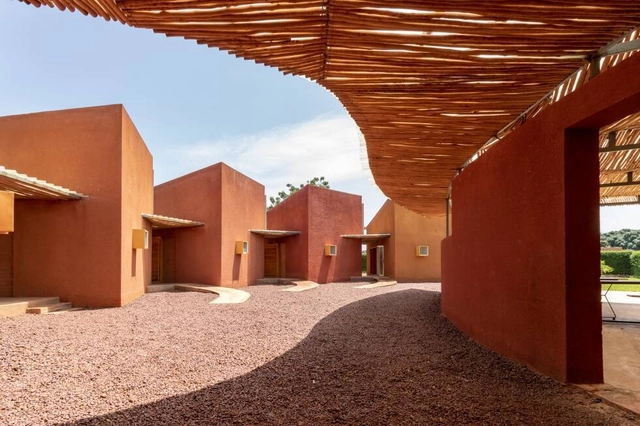
A widely discussed topic lately, the circular economy encompasses a whole production and consumption system which pursues the reuse of existing materials as long as possible. However, how does this ongoing concept involve architecture, design and its aesthetics? Joining the shift towards a circular future, architecture is discovering how circular operations and the reuse of materials can result in new aesthetics, as well as in an overall improvement of its environmental impact.

Spanish Architects Create Moisture-Absorbing Mortar from Construction Waste

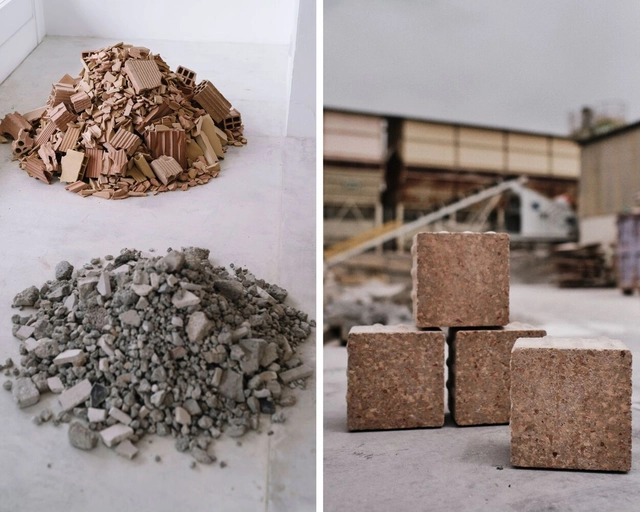
Cities are filled with waste materials and the need to reuse existing resources has become key in fighting the increase in waste production. More than a third of all the waste generated in the EU comes from construction and demolition, containing different materials such as glass, concrete, bricks and ceramics. But how to manage this staggering amount of waste production from construction? According to the Spanish Law on Waste and Contaminating Soils, concrete and ceramic waste with no considerable processing can both be reused in construction . By combining reused material waste with technology, architectural design can create innovative solutions that contribute to minimizing environmental impact.