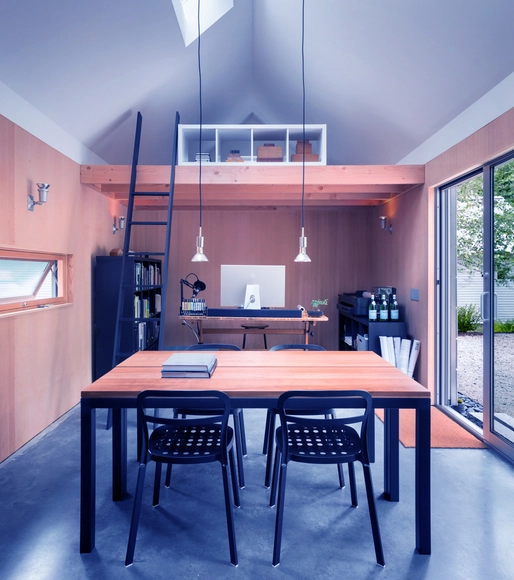
The Potential of Architects in Entrepreneurship

In today’s globalised, ever-evolving world, the architectural field continues to re-invent itself. Innovation has seen the emergence of new building technologies and new methods of communicating with clients, however, in some ways, a large majority of the architecture industry is still outdated – architects relying on client fees received from projects to run their architecture firms. Perhaps as a consequence of the emergence of start-ups in the technology sector, and the increased competitiveness of the global economy, architects have more recently chosen not to confine themselves to within the world of architecture and use their unique skill-sets and abilities in entrepreneurial ways.
The Close Relationship Between Art and Architecture in Modernism

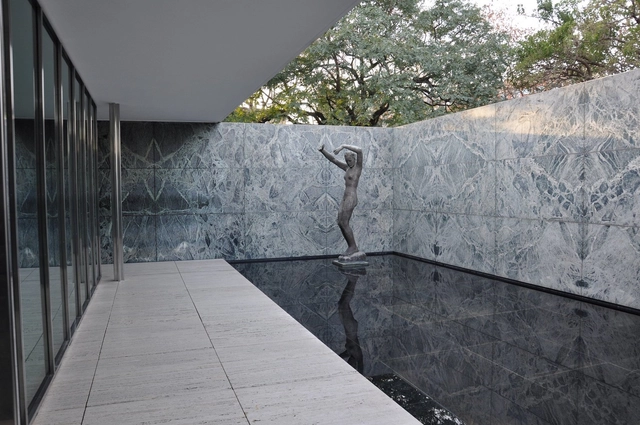
The idea of integration between art and architecture dates back to the very origin of the discipline, however, it took on a new meaning and social purpose during the Avant-Garde movement of the early twentieth century, becoming one of the most defining characteristics of Modernism. This close relationship is evident in the works of some of the greatest modern architects, such as Mies van der Rohe, Le Corbusier, and Oscar Niemeyer, to name a few.

Let There be Light! 12 Projects that Show the Impact Lighting can Make to an Interior Space

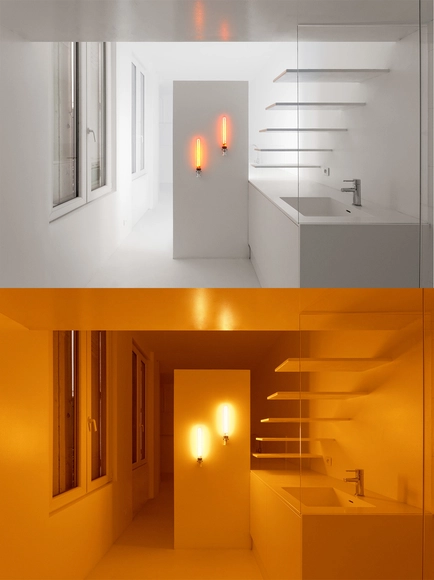
Light is a key feature in architecture. Centuries ago, the sun and fire were the only sources of illumination, but in today's technology-driven world, artificial lighting and cutting-edge optical technologies have found ways to mimic the qualities of natural light, making it possible to have a naturally-lit-looking space within four walls. LED technologies have even made it possible to embed lighting in furniture, interior surfaces, and facades, altering their intensities and hues to make light a main feature in the architecture's storytelling.

Taming Exterior Greenery: Landscape Design for Houses in Natural Environments

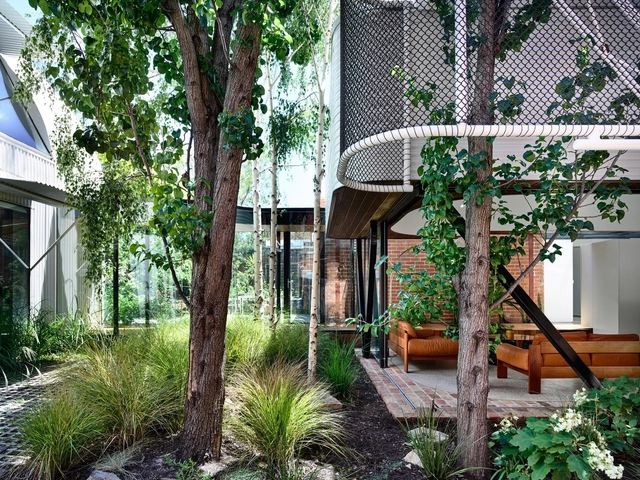
A healthy environment that is also visually appealing in our homes has become increasingly sought when it comes to designing houses and residential spaces, especially during the world’s current context. One of the most successful ways of achieving this is through a thoughtful design of the landscape that complements the built project. The art of landscaping is the arrangement of nature’s raw material elements, like vegetation and planting, combined with nonliving elements, such as exterior structures, paving, and decking, in order to create site-specific solutions that enhance the exterior spaces of a project.  

Participatory Architecture: Community Involvement in Project Development

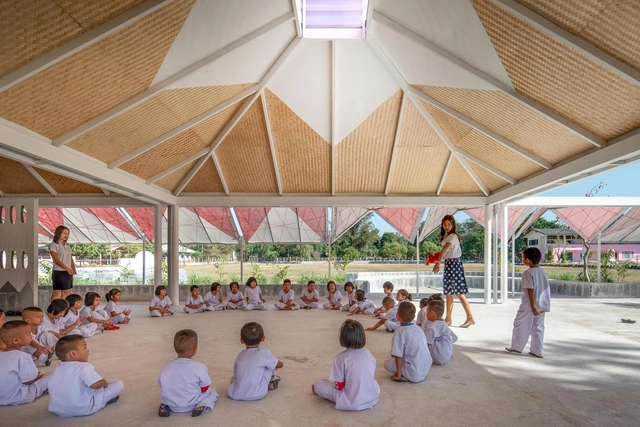
When designing community spaces, the architectural concept can easily clash with the user's experience. Therefore, engaging the community and future users in the project development and design process is a way of adding different perspectives to the architect's vision towards a more intelligent architecture.

Monograph: a Software Company Revolutionizing the Future of Managing Architectural Projects

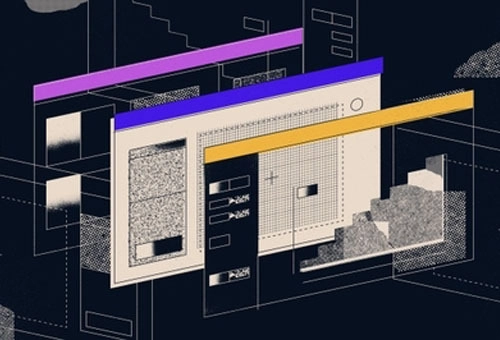
Providing digital solutions to basically “simplify” the work of architects, Monograph is a management software company that helps professionals of the AEC industry (architecture, engineering, and construction) oversee their projects in an integrated and user-friendly way. Founded and designed “by architects, for architects”, the San Francisco practice operations platform is an evolving building digital toolkit for projects of all scales.

"'If you Build it, They will Come' - This is a Passive and Risky Road to Success", In Conversation with Business of Architecture Founder Enoch Sears

Despite the emergence of collective and interdisciplinary practices, architectural entrepreneurship remains a vague discipline. As academic institutes focus on cultivating students' hard skills during their undergraduate years, their soft skills are often overlooked, left to be acquired or strengthened during their work experience. Stepping into the "real world", fresh graduates who decide to venture into their professional journey as freelancers or in start-ups, often find themselves overwhelmed with questions; 'How do I convince the client? Am I communicating my concept properly to the contractors? Am I charging the client enough? Why is the project not being executed like I designed it? Why is this project taking a lot more time than I intended it to? How can I run a successful business if I've never taken a business course in architecture school?'

How Social Sciences Shape the Built Environment

Within an increasingly specialized environment, architecture is becoming a collective endeavour at every stage of the design process, and social sciences have acquired an important role. As architecture has become more aware of its social outcome, decisions formerly resulted from the speculative thinking of the architect are now backed up by professional expertise. The following discusses the increasing role of humanist professions such as anthropology, psychology, or futurology within architecture.

It Takes a Village: Collective Led Projects from Around the World

A project of relevant scale is rarely a single Man’s work. From the village barn raising events done in the 18th and 19th century to the standard taskforce that a project developer engages nowadays, a build structure requires many hands on-board, bringing forth different inputs and expertise to shape and execute it.

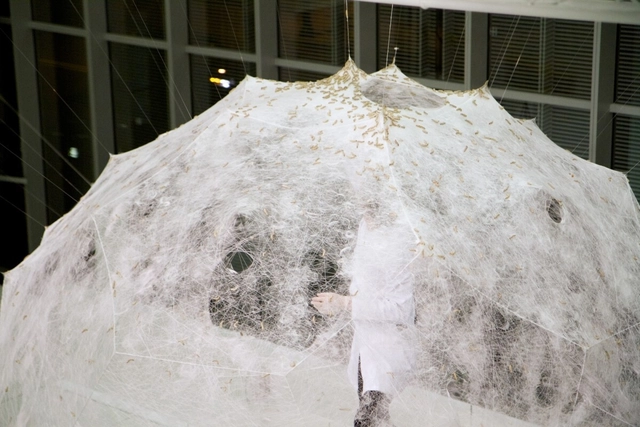
Materials at the Intersection of Nature, Technology, Art and Architecture

Popularly known as the lotus, the aquatic species Nelumbo nucifera has a useful particularity. Its leaves are self-cleaning, or ultra-hydrophobic. This means that no particles of dirt or water adhere to its leaf, which is especially useful in the humid and muddy environments where the plant typically grows. However, this effect does not derive from a perfectly smooth surface or a resinous layer on the leaves. The lotus is, in fact, full of tiny folds that reduce the area of the contact surface and repel all the particles that try to adhere there. The lotus effect has been studied by nanotechnologists in order to apply this same effect to products, such as surfaces, paints, fabrics, and tiles that can easily clean themselves. As trivial as this may seem, when we think of the resources applied to cleaning skyscraper glass or even of the reduction in photovoltaic energy generation due to dust on solar panels, we can get a sense of the infinite possibilities that hydrophobic surfaces could represent.

Materialising a Vision: Structural Engineering and Architecture

Recent years have seen an increased acknowledgement of the collective endeavour that is architecture and a better valuing of the different professions that participate in the design process. Within every extraordinary building, structural engineering plays an essential role in delivering the architectural vision. The article highlights the past and present contributions of engineering to the built environment, personalities that have stood in the shadow of architects delivering their design intent, and the collaboration between engineers and architects today.

Perceiving Chinese Architecture From the Eyes of Structural Engineers

When we are discussing the definition of “structure”, the term varies within different disciplines. In the context of the built environment, "structure" refers to anything that is constructed or built from different interrelated parts with a fixed location on the ground.

The Value in Non-Traditional Expertise: How the Design Profession Has Evolved to Make Architecture Better

The role of an architect has not always been what it is today. Historically, and almost since its inception, it was viewed as a “one-man show”, where the architect was the artist, the sculptor, and the visionary of a structure. As the practice has continued to evolve, it has become a much more collaborative, and much less individualistic profession in nature, continuously understanding the importance of considering outside perspectives- even those not traditionally trained in design.

Softer Ground: Reclaiming Wetlands through Design

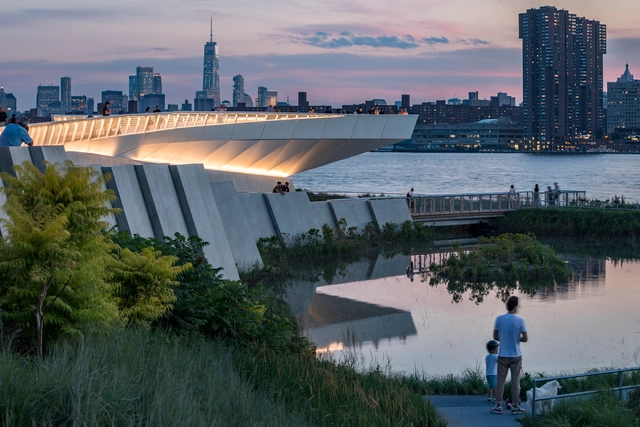
Architecture is shaped by its environment and natural forces. Inherently, the discipline focuses on the design of objects over systems, on formal morphology over networks or ecologies. However, no building exists outside its context; every structure is sited among ever-changing climates and cultural conditions. How designers respond and connect to these larger systems can radically change the nature and quality of their work. Often, it is the greatest constraints that produce novel solutions.

The Link Between Archaeology and Architecture

At the heart of it, architecture is an inter-disciplinary profession. Ranging from structural engineers to quantity surveyors, a design project thrives from the collaboration of individuals from various fields of work. An often-overlooked connection is the link between the fields of architecture and archaeology, which in more ways than one have a lot in common. In a time of increased awareness on issues of sustainability and heritage, the expertise present in the field of archaeology plays a vital part in the preservation of architectural landmarks of historical significance. This expertise can also play a significant part in creating sensitive architectural interventions suitable for their context, contemporary in their design while responding to historical precedents.