

-
Architects: Natrufied Architecture
- Area: 2100 m²
- Year: 2023
-
Manufacturers: MOSO BAMBOO, LTS Laminated Timber Solutions, Pfeifer Group, Webo, Zwarthout
-
Professionals: Goudstikker de Vries, Weever Bouw


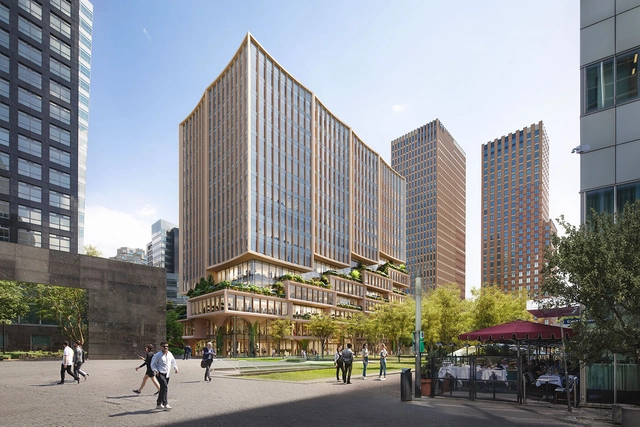
3XN GXN has revealed its design for Mahler 1, a 15-storey mixed-use office building. The structure, developed in collaboration with Victory Group, Icon Real Estate, and Erik Dhont Landscape Architects, features a hybrid-timber construction system that creates a stepped volume, breaking down the building’s mass. At the street level, the development offers a wide variety of public amenities, striving to become an active hub for both residents and office workers. The project is expected to begin construction in the first half of 2025 and conclude in late 2027.
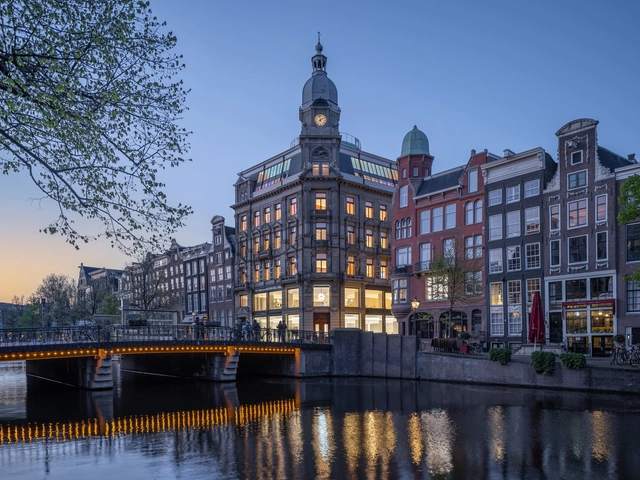

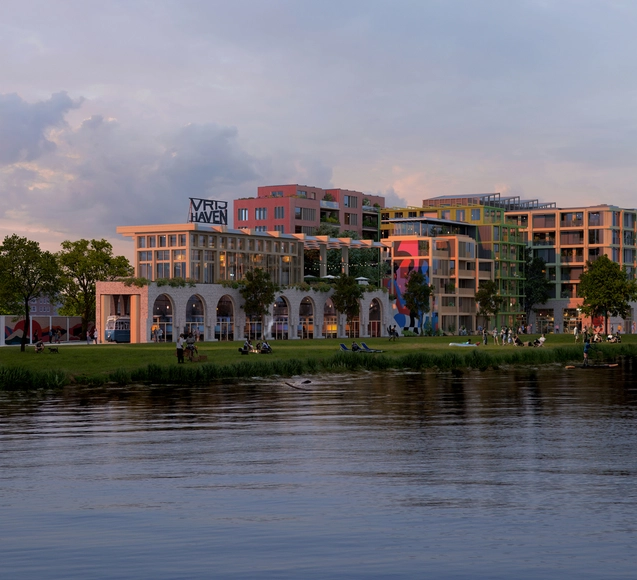
Powerhouse Company, together with Studio Donna van Milligen Bielke & Ard de Vries Architecten, Team V Architecture, Joppe Kusters, and DELVA Landscape Architecture | Urbanism, has won the competition to design a creative urban district in Havenstraat, a well-known fringe area in Amsterdam. Set in a location defined by disused industrial remnants, historic trams, and informal greenery, the area shows its potential in offering space for experimentation, opening itself to local businesses, creatives, and makers to refine its character.
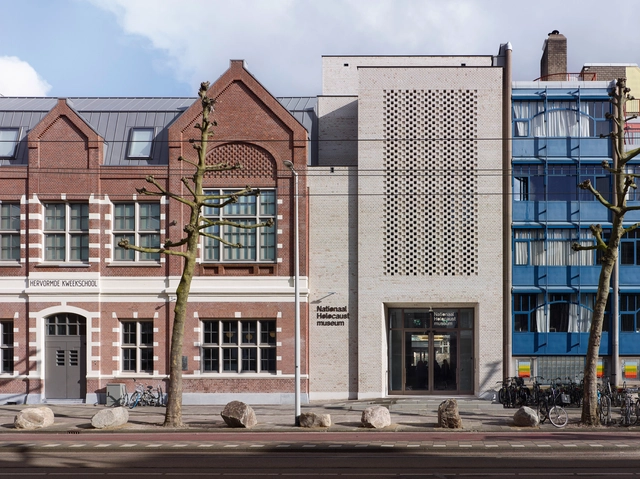
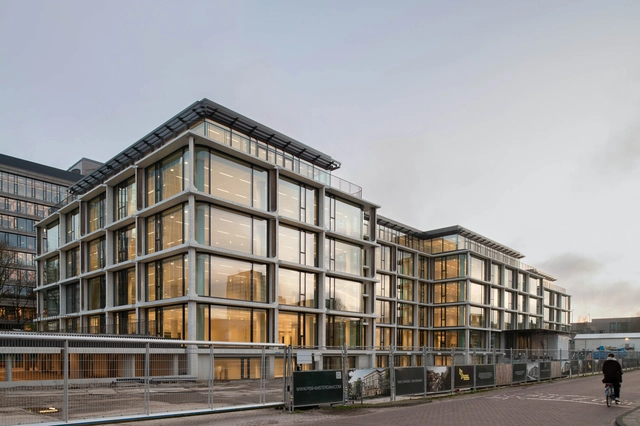
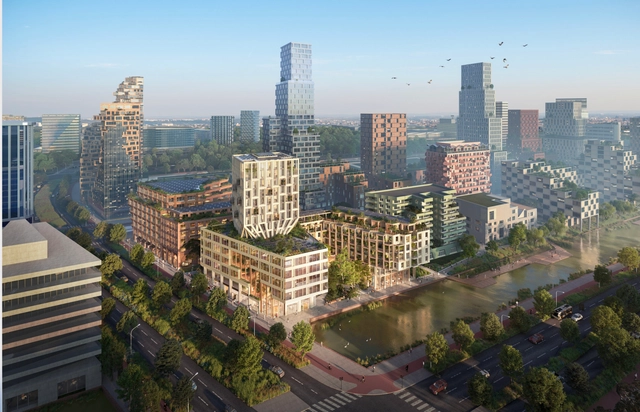
Powerhouse Company has just revealed its designs for “The Harmony” in the Amsterdam Zuidas area. Featuring two towers, The Canyon and The Coast, the project aims to blend office spaces, commercial areas, and affordable housing. “The Harmony” establishes a new link between the Zuidas district and the upcoming residential zone of Ravel.
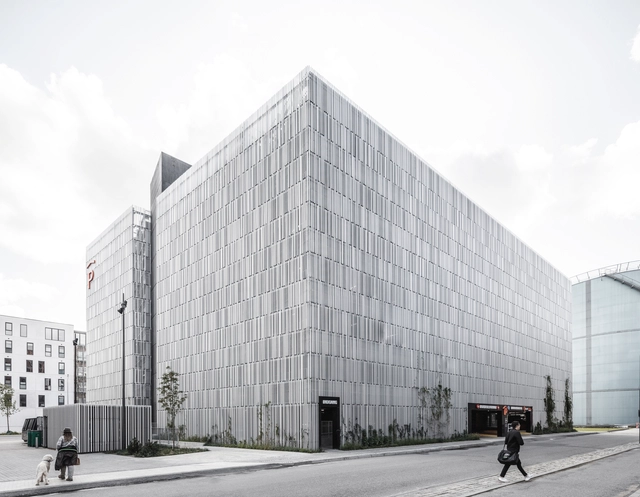
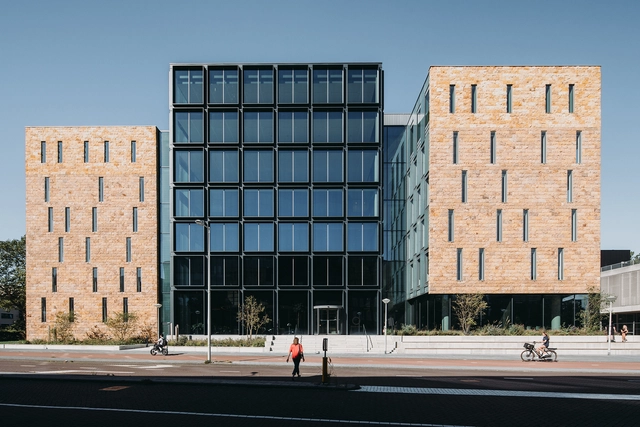
The principles of the circular economy have been most influential and applicable to the construction industry. Emphasizing the efficient use of resources, models around reuse and recycling of components and materials are increasingly being pioneered by global architecture practices. The concept of "design for disassembly" has emerged as an innovative approach especially in the case of building facades. Striking a balance between the demands for new infrastructure and the transition towards sustainability requires a review of traditional facade design throughout its lifecycle.

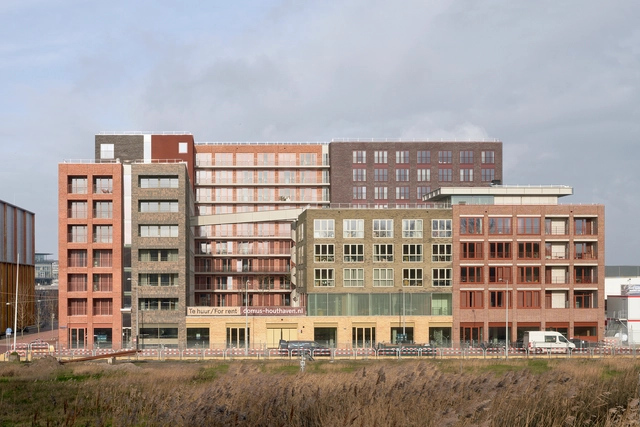
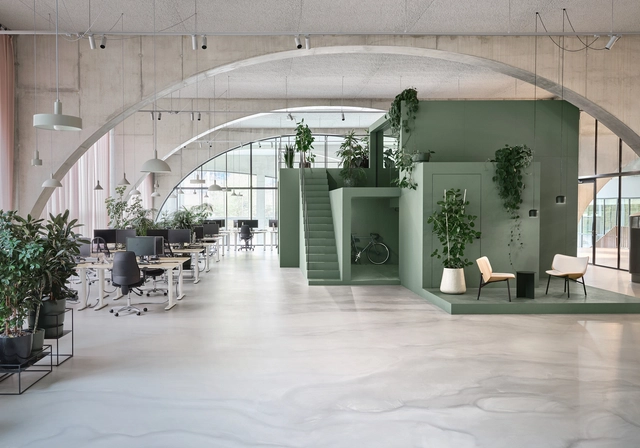
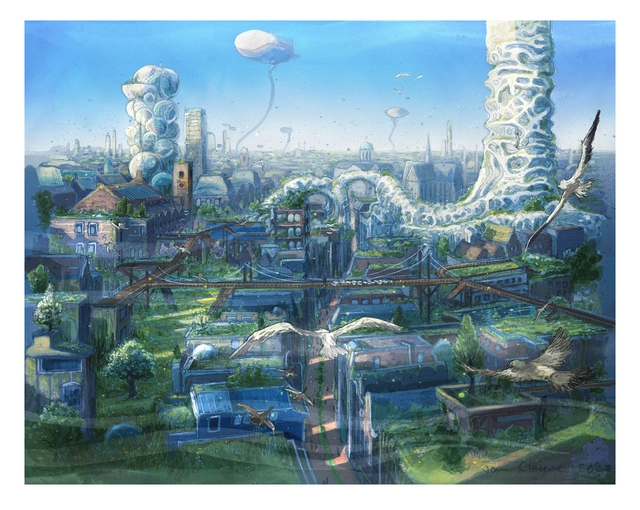
Internationally, the Netherlands is recognized as a country willing to experiment at a large scale, to devise state-wide systems to protect its land and improve the quality of life for its citizens. Provocative proposals from architects and urban planners such as Gerrit Rietveld, Piet Blom, Rem Koolhaas, and the Office for Metropolitan Architecture (OMA), have had an international impact, as they often challenge traditional ways of practice.
Still, the country faces expected and unexpected challenges, from an acute housing shortage to raising concerns regarding climate change and shifting ideas of ecology. In the words of curator Suzanne Mulder, the country is “once again on the drawing board,” as architects, urban planners, and designers are reopening conversations about the future by looking at past lessons. To come to their help, Rotterdam’s Nieuwe Instituut is organizing the exhibition ‘Designing the Netherlands: 100 Years of Past & Present Futures.’

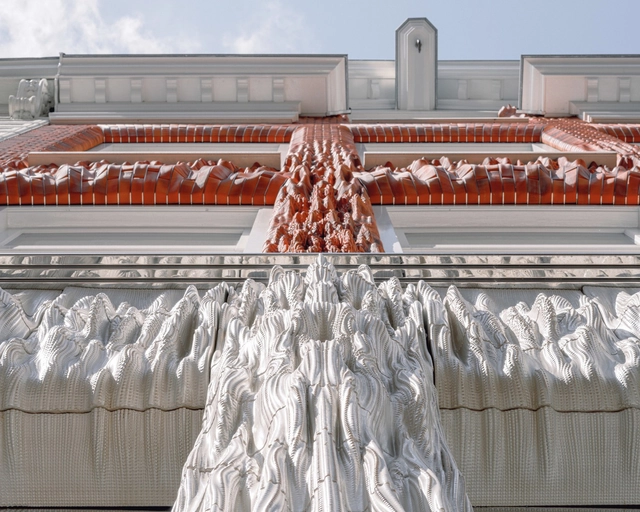
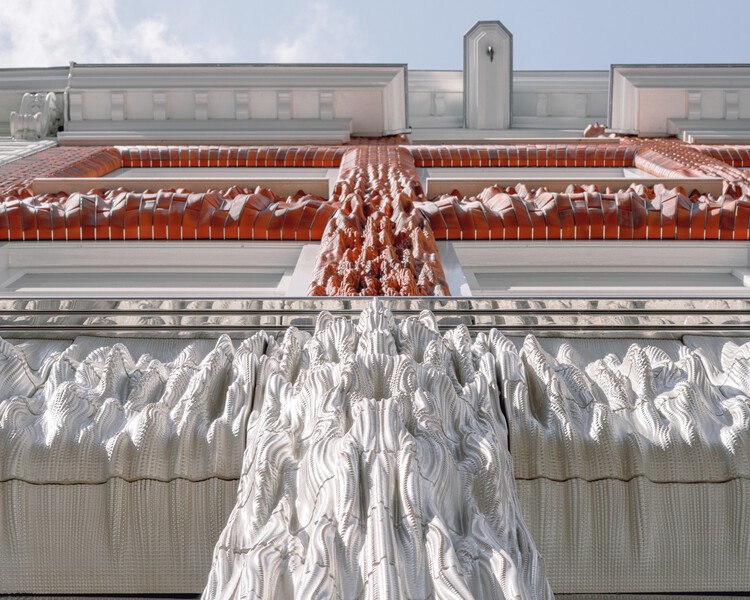
Advancements in 3D printing technology are progressing at an unprecedented pace, accompanied by a parallel surge in computational power for manipulating and creating intricate geometries. This synergy has the potential to offer architects an unprecedented level of artistic freedom in regards to the complex textures they can generate, thanks to the technology's remarkable high resolution and rapid manufacturing capabilities. If the question of production was out of the way, and architects could now sculpt virtually anything into a facade effectively and efficiently, what would they sculpt?