Aldo Amoretti

BROWSE ALL FROM THIS PHOTOGRAPHER HERE

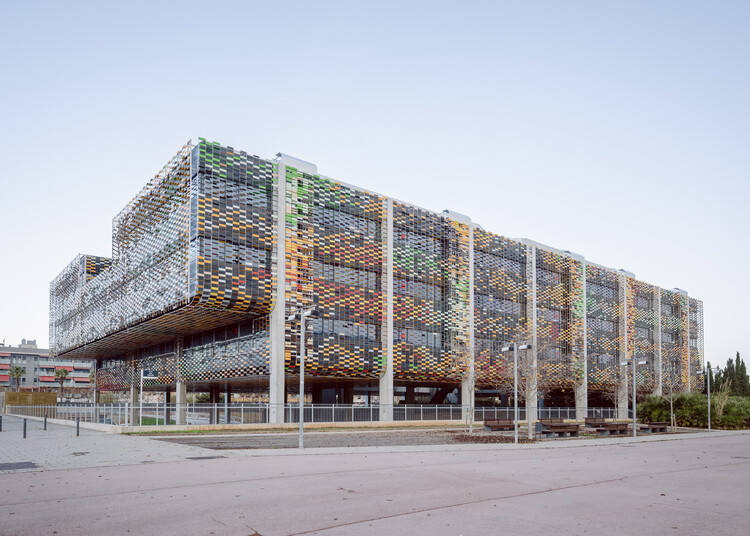
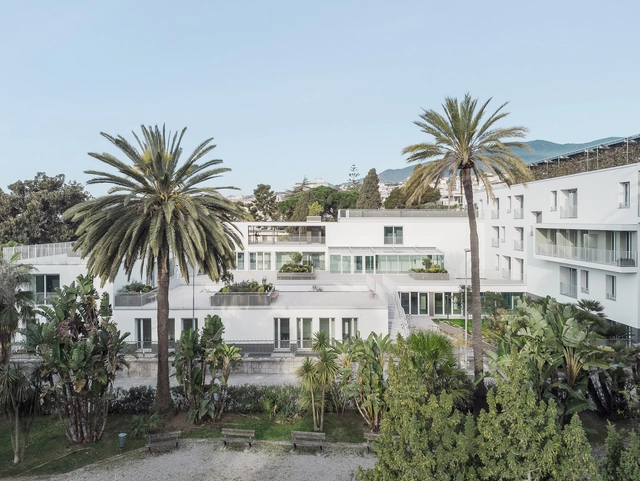
Delta Business Center / Picharchitects/Pich-Aguilera

Delta Business Center / Picharchitects/Pich-Aguilera - More Images+ 13

Viladecans, Spain
  • Area Area of this architecture project Area:  11326
  • Year Completion year of this architecture project Year:  2025
  • Manufacturers Brands with products used in this architecture project
    Manufacturers:  Apimet, Breinco, Denvelops, Garcia Faura, Preconal, +1

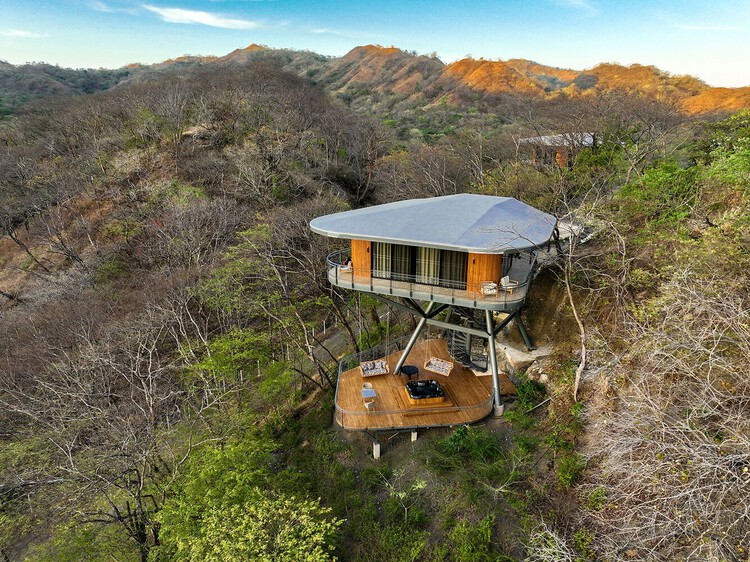
Building with the Landscape: Non-Invasive Design Strategies for Steep Terrain

Subscriber Access | 

The relationship between constraint and design excellence is well established in architectural theory, yet often remains underexplored in discussions of site-specific practices. When architects encounter extreme topography, they face a fundamental choice: transform the landscape to accommodate the building, or modify the building to fit the landscape. The first approach is straightforward and requires the builder to cut, fill, terrace, and build on level ground. This choice, however, carries cascading consequences as any amount of earth moved may destabilize slopes, disrupt drainage, and fracture ecosystems. A growing body of innovative architectural work demonstrates an alternative to earth-moving and retaining walls.

Building with the Landscape: Non-Invasive Design Strategies for Steep Terrain - More Images+ 76

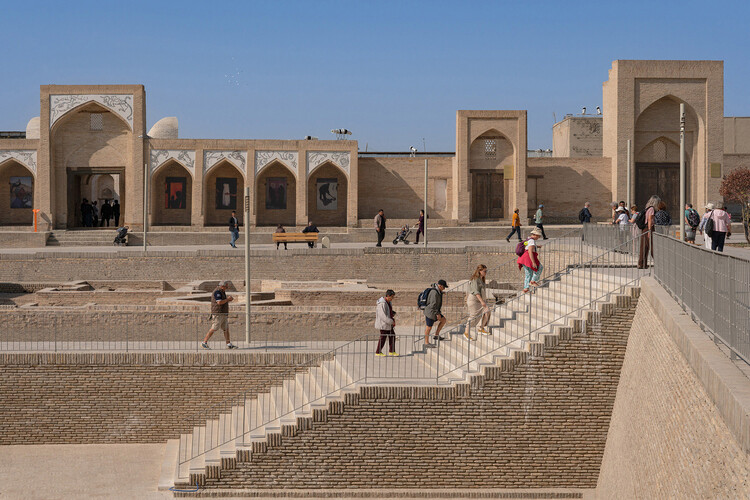
Shaping Architectural Continuity: 25 Revitalization Projects Across Historic, Industrial, and Natural Sites

Heritage sites constitute complex spatial archives in which architecture, history, and collective memory converge. They encompass a wide spectrum of contexts—from archaeological remains, ancient and historic townscapes, UNESCO-listed landscapes, to early modern civic structures and industrial infrastructures. Yet these environments confront challenges: climate change, urban transformation, disaster, shifting social needs, and the gradual erosion of material fabric. Revitalization and restoration projects respond to these conditions by positioning architectural and spatial practice as an active mediator between preservation and the contemporary topologies.

In current practice, conservation is understood as a creative process of adaptation and reinterpretation that serves both communities and inhabitants. At the same time, monumental architecture continues to define the identity and landscape of a place for wider audiences and future generations. Architects and planners are called upon to negotiate sensitive historic contexts while introducing new programs, techniques, and spatial experiences. They exemplify diverse design approaches, including precise structural interventions, climate-responsive strategies, and meticulous material restoration, alongside the thoughtful insertion of new architectural elements. Equally important is their engagement with vernacular knowledge and materiality, which preserves the locality and cultural specificity of each site.

Shaping Architectural Continuity: 25 Revitalization Projects Across Historic, Industrial, and Natural Sites - More Images+ 21

Introducing the 75 Finalists of the 2026 ArchDaily Building of the Year Awards

Two weeks and over 85,000 nominations later, the finalists of this year's Building of the Year Awards are in. The selection is much like the ArchDaily audience that chose it: diverse in geography, generous in ideas, and precise in intent. With projects from 46 countries, in a variety of typologies and scales, they present a beautiful snapshot of the current architectural moment.

We invite you to sit back, browse, and vote for your ultimate favorites. Below, you will find all of the 75 finalists in their respective categories. Voting is open until February 18th at 18:00 EST. Thank you—your participation is key to making this the world's largest community-driven architecture award.

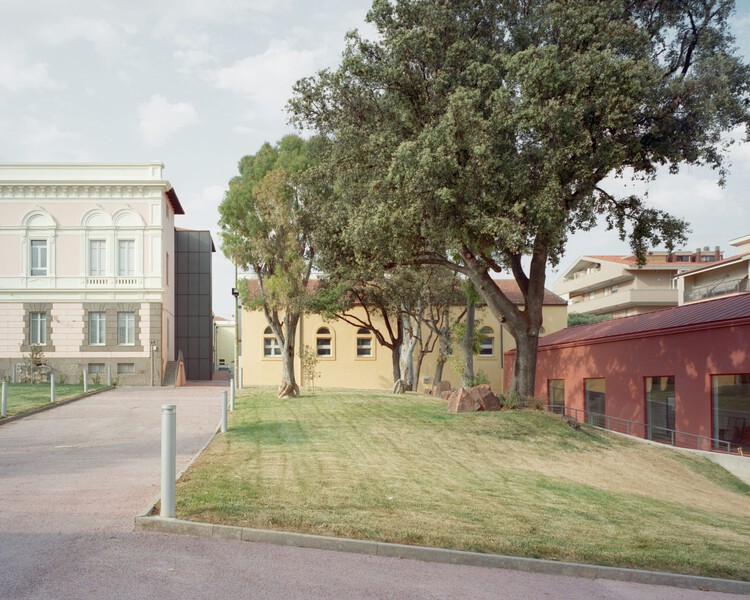
M. Sironi Academy of Fine Arts / LERUA Studio

M. Sironi Academy of Fine Arts / LERUA Studio - More Images+ 14

  • Area Area of this architecture project Area:  1888
  • Year Completion year of this architecture project Year:  2025
  • Manufacturers Brands with products used in this architecture project
    Manufacturers:  Secco Sistemi, Amonn, Diasen, Fassa Bortolo, MARAZZI, +3

Why Sit by the Dock of the Bay? Designing Thresholds to the Water

Subscriber Access | 

Boat docks and harbors are liminal spaces where the shore marks the meeting of land and water, and serve as a space for the convergence of culture, industry, and community. For those who work at sea, from commercial fishers to marine freight operators, the dock is a threshold between labor and rest, between oceanic uncertainty and terrestrial stability. For others, the dock serves as a gateway to recreation, sport, and adventure, accommodating everything from rowing clubs to family sailing trips. And for many who never board a vessel, the dock offers a powerful connection to the marine environment where one can pause, observe, and engage with the rhythmic tides.

Why Sit by the Dock of the Bay? Designing Thresholds to the Water - More Images+ 48

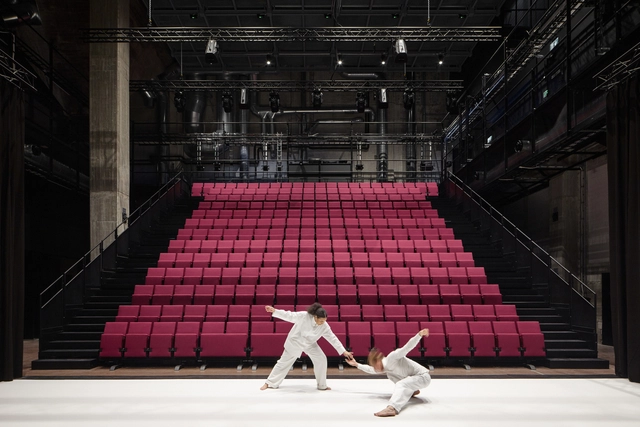
Choreographing Space: Architecture and Dance as Interdisciplinary Practices

"Dance, dance… otherwise we are lost." This oft-cited phrase by Pina Bausch encapsulates not only the urgency of movement, but its capacity to reveal space itself. In her choreographies, space is never a neutral backdrop, it becomes a partner, an obstacle, a memory. Floors tilt, chairs accumulate, walls oppress or liberate. These are architectural conditions, staged and contested through the body. What Bausch exposes — and what architecture often forgets — is that space is not simply built, it is performed. Her work invites architects to think not only in terms of materials and forms, but of gestures, relations, and rhythms. It suggests that architecture, like dance, is ultimately about how we inhabit, structure, and emotionally charge the spaces we move through.

Historically, architecture and dance have operated in parallel, shaping human experience through the body's orientation in space and time. From the choreographed rituals of classical temples to the axial logics of Baroque palaces, built space has always implied movement. The Bauhaus took this further, as Oskar Schlemmer's Triadic Ballet visualized space as a geometric extension of the body. This was not scenery, but spatial thinking made kinetic. In the 20th century, choreographers like William Forsythe and Anne Teresa De Keersmaeker integrated architectural constraints into their scores, while architects such as Steven Holl, Diller Scofidio + Renfro, and Toyo Ito designed buildings that unfold as spatial sequences, inviting movement, drift, and delay.

Choreographing Space: Architecture and Dance as Interdisciplinary Practices - More Images+ 35

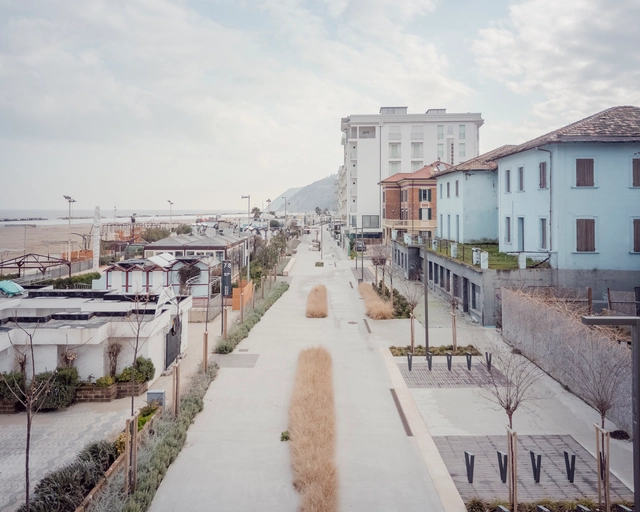
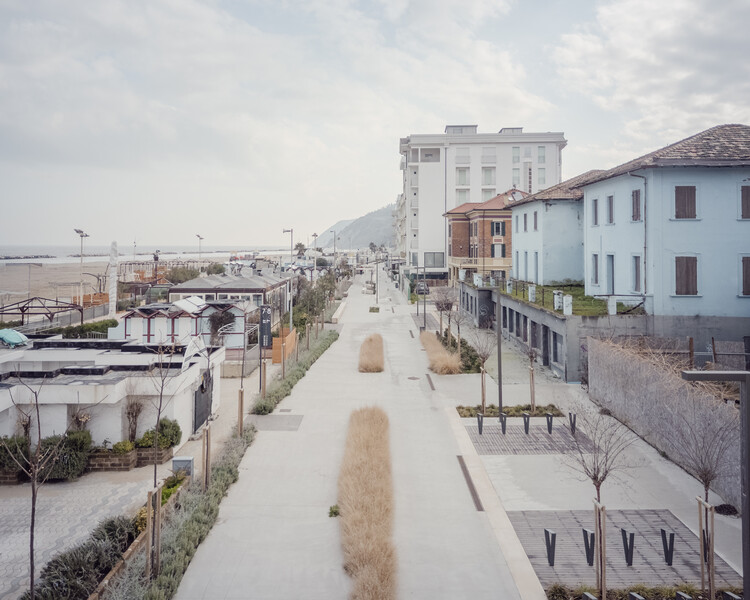
Gabicce Mare Seaside Promenade / Architects Barbara Balassone + Gianluca Mazzari

Gabicce Mare Seaside Promenade / Architects Barbara Balassone + Gianluca Mazzari - More Images+ 20

  • Area Area of this architecture project Area:  5000
  • Year Completion year of this architecture project Year:  2024
  • Manufacturers Brands with products used in this architecture project
    Manufacturers:  CTM, Ideal Work, Vivai Manfrica

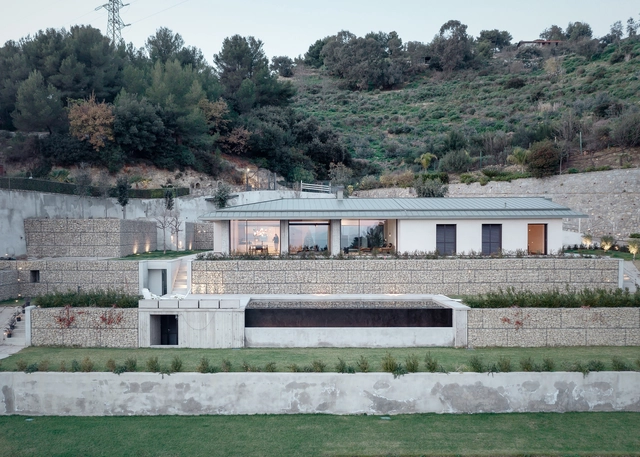
Villa Beusi / Calvi Ceschia Viganò architetti associati

Villa Beusi / Calvi Ceschia Viganò architetti associati - More Images+ 24

  • Area Area of this architecture project Area:  250
  • Year Completion year of this architecture project Year:  2021
  • Manufacturers Brands with products used in this architecture project
    Manufacturers:  Bocci, Meridiani, Porro

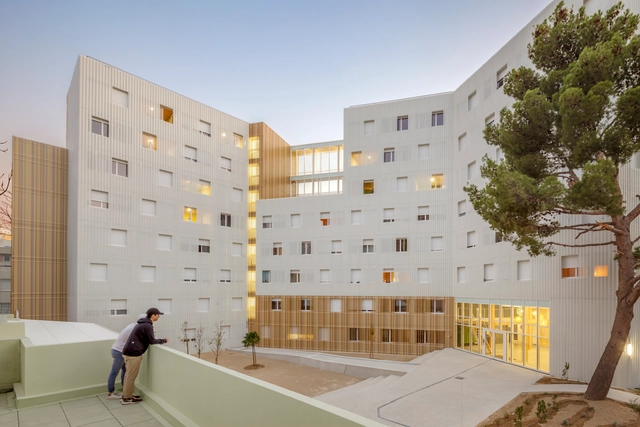
Conversion of Ex-Tribunale in sheltered accommodation / Calvi Ceschia Viganò architetti associati

Conversion of Ex-Tribunale in sheltered accommodation / Calvi Ceschia Viganò architetti associati - More Images+ 26

From Modernism to Multiculturalism: The Historical Evolution of Student Housing

Student housing has undergone a remarkable transformation over the last century. Once seen as a utilitarian necessity, providing shelter and basic amenities for students, this architectural typology has evolved to address increasingly complex societal, cultural, and urban demands. Starting with Le Corbusier's modernist approach at the Cité Universitaire in Paris, student housing has reflected broader trends in architecture, urbanism, and social change.

Today, these buildings must cater to a highly diverse and transient population, navigating the pressures of affordability, density, and the evolving living standards of young adults. With rapid urbanization and increasing student mobility, universities now face the challenge of designing housing that is not only functional but also adaptable to different cultural and social contexts. This has led to more flexible, innovative solutions that promote both privacy and community living.


From Modernism to Multiculturalism: The Historical Evolution of Student Housing - More Images+ 55

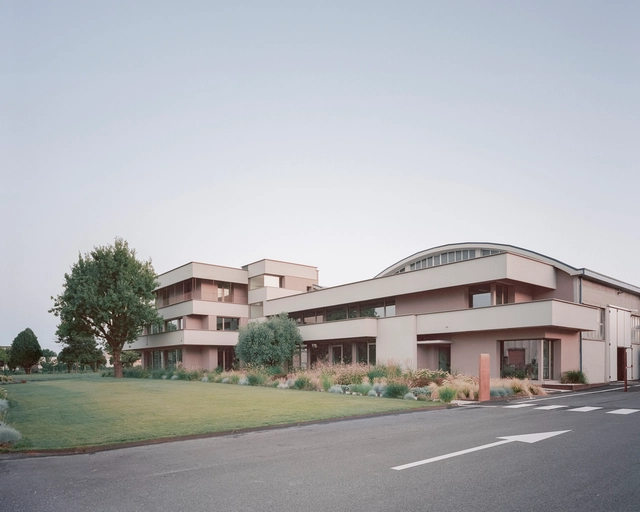
Dante Negro Headquarters / Studio Bressan

Dante Negro Headquarters / Studio Bressan - More Images+ 30

  • Architects: Studio Bressan
  • Area Area of this architecture project Area:  4750
  • Year Completion year of this architecture project Year:  2023

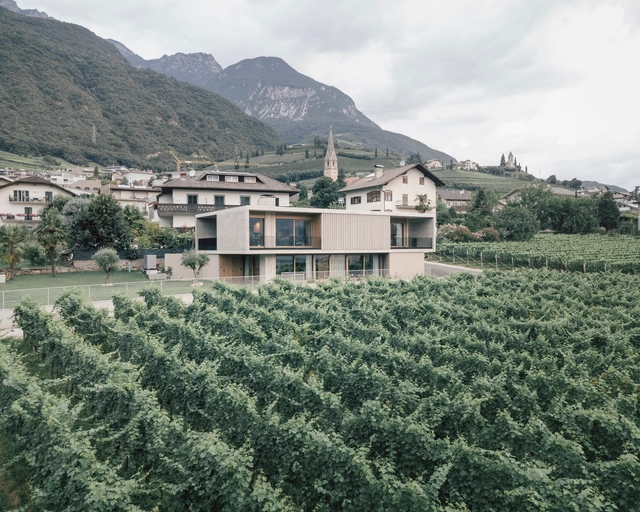
House Zöggeler / Stuflesser Moroder

House Zöggeler / Stuflesser Moroder - More Images+ 6

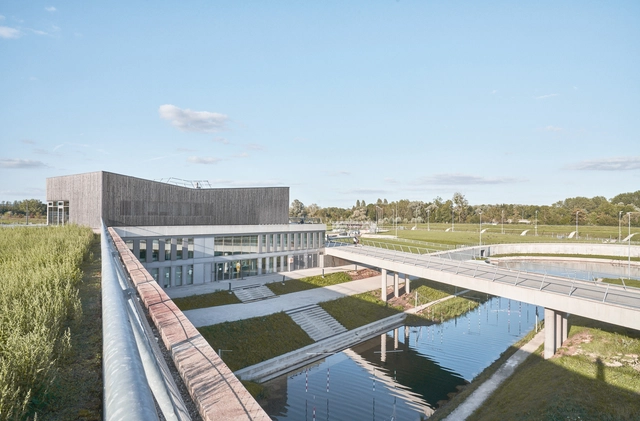
Vaires-Sur-Marne Olympic Nautical Stadium / Auer Weber

Vaires-Sur-Marne Olympic Nautical Stadium / Auer Weber - More Images+ 14

Vaires-sur-Marne, France

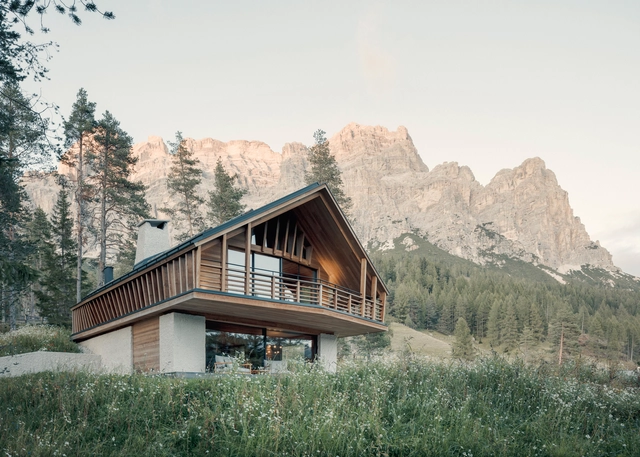
House Conturines / Perathoner Architects

House Conturines / Perathoner Architects - More Images+ 9

San Martino in Badia, Italy
  • Area Area of this architecture project Area:  385
  • Year Completion year of this architecture project Year:  2023

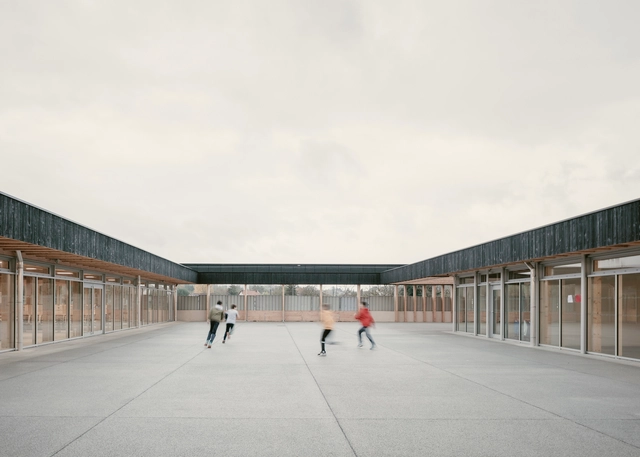
Collège d’Orlinde Bretenoux / Dietrich | Untertrifaller + phBa architectes

Collège d’Orlinde Bretenoux / Dietrich | Untertrifaller  + phBa architectes - More Images+ 14

Extension Starnberg District Office / Auer Weber

Extension Starnberg District Office / Auer Weber - More Images+ 9

EUmies Awards 2024 Announces its List of 362 Nominees

The European Commission and the Fundació Mies van der Rohe have announced the 2024 European Union Prize for Contemporary Architecture / Mies van der Rohe Awards (EUmies Awards) nominees. A total of 362 works of architecture realized over 38 different European countries have been selected, marking the first stage of the EUmies Awards’ 18th cycle. In the next stage, the jury will choose 40 outstanding projects, followed by visits to the finalists and interviews with the architects, their teams, and the project clients.
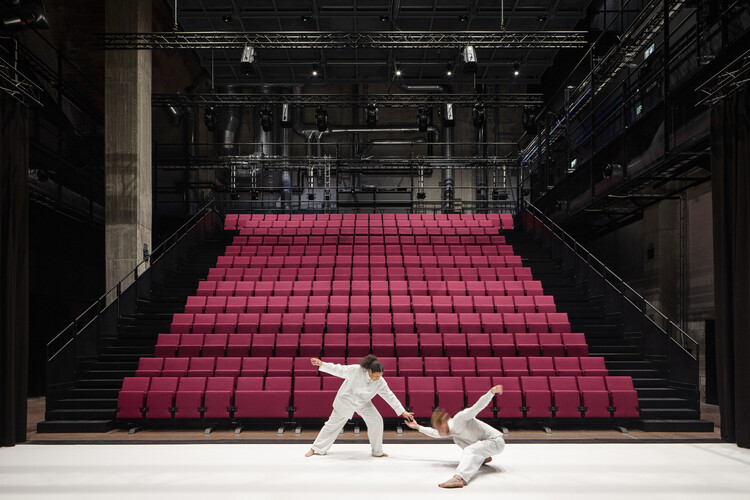
The 2024 EUmies Awards aims to recognize the best-built works in Europe completed between April 2021 and May 2023. The selection of projects reflects the current changes within the European context, with increasing attention given to environmental, social, and economic awareness expressed through architecture, landscape architecture, urban planning, and design. This year’s jury is chaired by Frédéric Druot (Paris/Bordeaux), who will be accompanied by Martin Braathen (Oslo), Pippo Ciorra (Rome), Tinatin Gurgenidze (Tbilisi/Berlin), Adriana Krnáčová (Prague), Sala Makumbundu (Luxembourg), and Hrvoje Njiric (Zagreb).

EUmies Awards 2024 Announces its List of 362 Nominees - More Images+ 34