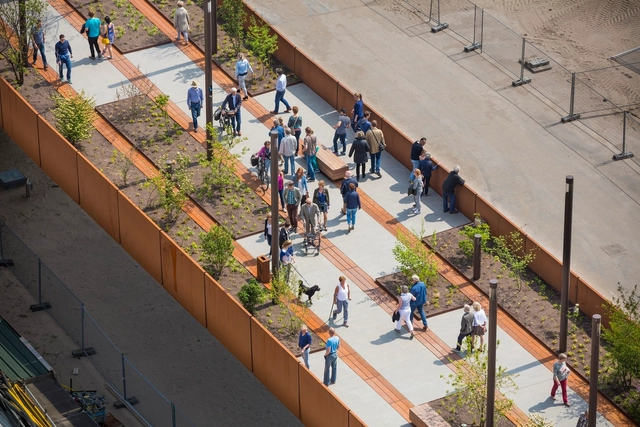
Why We Should Integrate Tactile Surfaces into Architecture

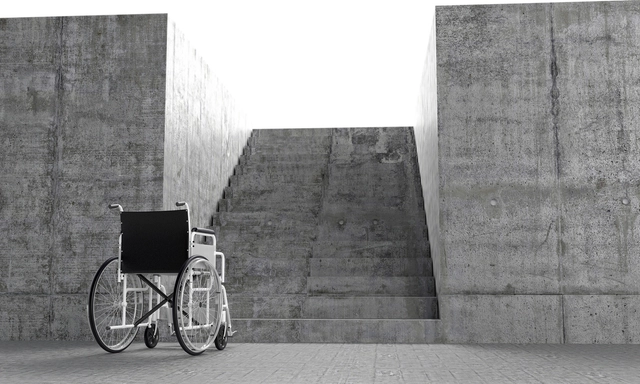
Accessibility is one of the most important considerations in architecture, ensuring that the built environment caters to people of all abilities. However, popular conceptions of what disability and accessibility look like remain limited, and often encompass only physically disabled people such as wheelchair users. Among architectural designers especially, it is common to visualize accessibility as adding ramps, wide corridors, and elevators. However, disability can take many different forms, some less visible than others; accordingly, accessibility in architecture means much more than accommodating just wheelchair users. For the visually impaired, incorporating specific tactile elements in architecture and urban design can vastly improve the navigability of a foreign space. In this article, we talk about tactile paving specifically, including its different forms, its history, and its means of implementation.
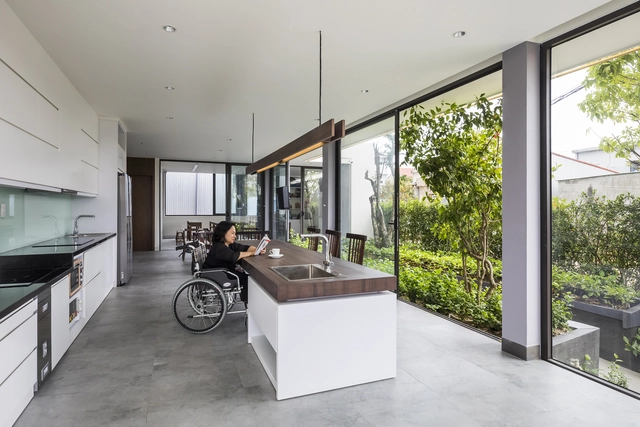
What Types of Residential Floors Favor Wheelchair Circulation?

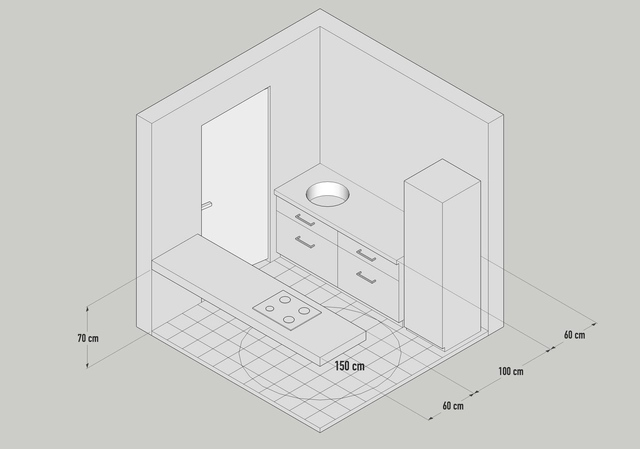
One of the most important design considerations that residential architects have the responsibility to address is accessibility, ensuring that people with disabilities can comfortably live at home without impediments blocking basic home functionality. Accessibility for wheelchair users is a particularly important architectural concern due to unalterable spatial, material, and other requirements necessitated by wheelchair design and use. Because guaranteeing the comfort of all users, including disabled users, is one of the most essential obligations of all architects, designing for wheelchair users must be done with utmost the attention and care, especially in residential environments. Below, we delineate several strategies for designing floors for wheelchair circulation, helping architects achieve this goal of maximum comfort and accessibility.

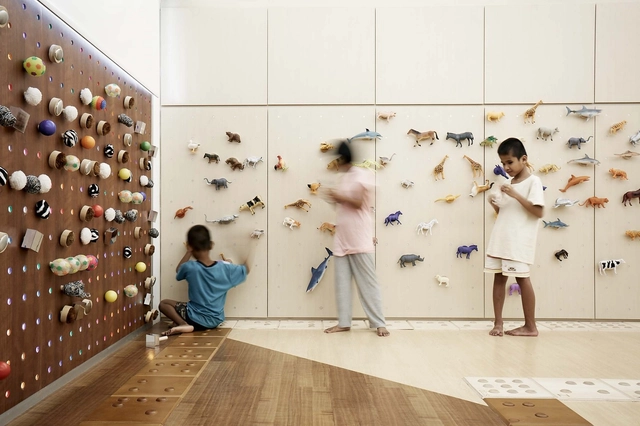
Classroom Makeover For The Blind / Creative Crews

The design resulted from conversations with the Pattaya Redemptorist School for the Blind’s principal. The new facility was conceived to provide a new learning environment necessary to supplement the programme that, up until this point, he could only dream of offering. The main aim for the programme is to equip all students with fundamental skills for future livelihoods beyond the school’s gate. The school enrols pupils with varying degrees of visual impairment, and abilities thus the facility needs to be flexible.

Architecture Has Limits to Achieve Urban Equity. What Should We Do?

Accessibility and mobility. When perceived through the architectural lens, these terms often evoke a range capped by two extremes. On the one end, the flexibility of circulation systems; the universality of egress networks; and the technicalities of minimums and maximums. On the other end, a project’s capacity to support broad ranges of socioeconomic narratives; its malleability in the face of rapid fluctuations of program and function; and its reactivity in maintaining a productive role amidst the ebbs and flows of societal dynamics. 

Neutral Architecture Doesn't Exist

Accessibility is often approached as a field related to disability, whether physical or mental. When it comes to architectural design, it always comes up as a peripheral consideration of the project and not as something fundamental. However, there are other barriers.

How to Design Safe Bathrooms for the Elderly

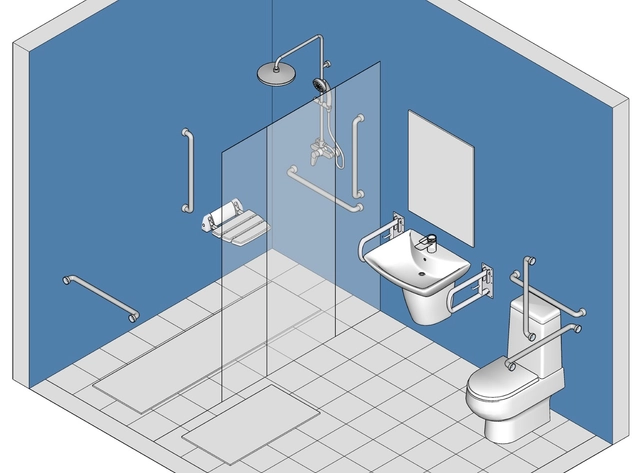
There exist frequent reports of toilet accidents, as they are often located in tight and slippery places. Although no one is immune to a slip after bathing, it is the elderly who suffer most from falls, and can often suffer serious injuries, sequelae, and functional limitations. Due to the natural reduction of reflexes and muscle mass, the higher the age group, the more prone to falls we become.

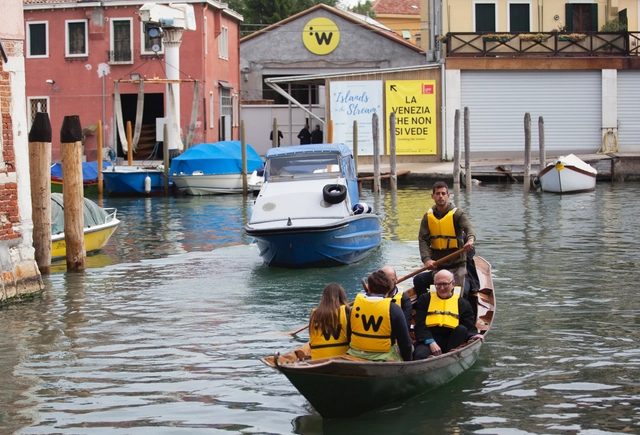
How Ancient Cities Become Accessible Cities

As the trend of migration from rural to urban areas continues, it is estimated that by 2050, one billion people with disabilities will live in cities. Many of these urban centers, with cores dating back hundreds or even thousands of years, are currently ill-equipped to respond to this demand.  There is, therefore, an immediate challenge for architects, urban planners, and city officials to address the inaccessibility of historic cities, from uneven cobblestones to narrow, stepped alleys, creating an urban realm that offers universal mobility without detracting from their historic charm.

The Role of Urban Mobility in Providing Accessibility

Being able to move around cities is a basic requirement for the development of most human activities. Yet daily trips between home and work, study, leisure, and other daily commitments are not always done under the most comfortable conditions, whether it be because of crowded public transportation or unexpected traffic jams. Urban mobility is a hotly debated topic, from informal conversation circles to technical and scientific seminars. It's hard to find someone who doesn't have an opinion on the subject or some miraculous solution to the problems in their city or region. In fact, we have already posted several articles addressing this issue on this site, from utopian proposals to questions related to the daily lives of most of the population.

10 Technologies for Accessible, Affordable Cities

Major cities are facing major crises. The United Nations estimates that by 2050, almost one billion people with disabilities will live in cities, representing 15% of total city dwellers. With urban landscapes awash with inaccessible subways, shops, and bathrooms, the UN has declared that poor accessibility represents a major challenge for cities. At the same time, most cities around the world are struggling to provide safe, respectable, affordable housing for their citizens, with rent accounting for more than 50% of some incomes. The World Economic Forum recently warned that “a world in which only a few can afford housing is not sustainable.”

New Rules for London's Skyscrapers Favor Pedestrians

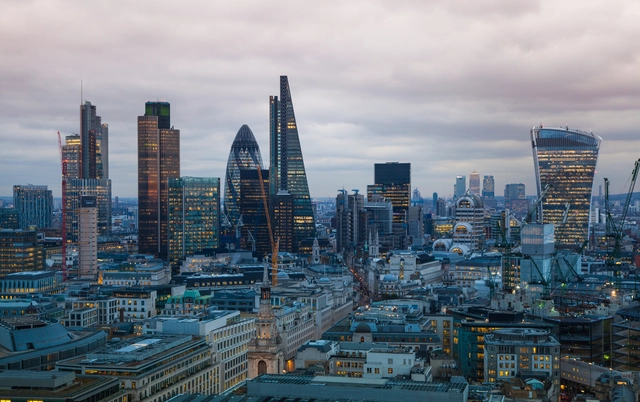
With a very bold and pioneering move, the UK for the first time is prioritizing cyclists and pedestrians. The city is making pressures on skyscrapers by issuing new rules on the design of the high-rises in order to prevent the creation of wind tunnels.

On Accessibility and Expo 2020: “Expo 2020 Dubai to Be Accessible For People of All Abilities”

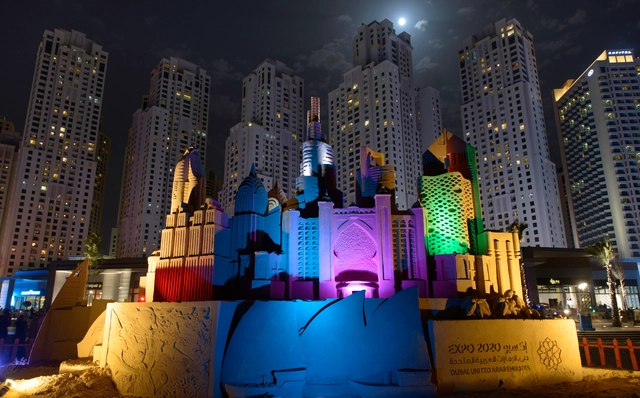
Expo Dubai 2020 will showcase new levels of accessibility, ensuring that the topic is thought through at the very first stages of design and that the approach is anchored in the project and the program. With the help of the UK based company Direct Access consultancy, specialized in the incorporation of accessibility into building designs, the expo will try to put in place solutions for regularly faced issues.

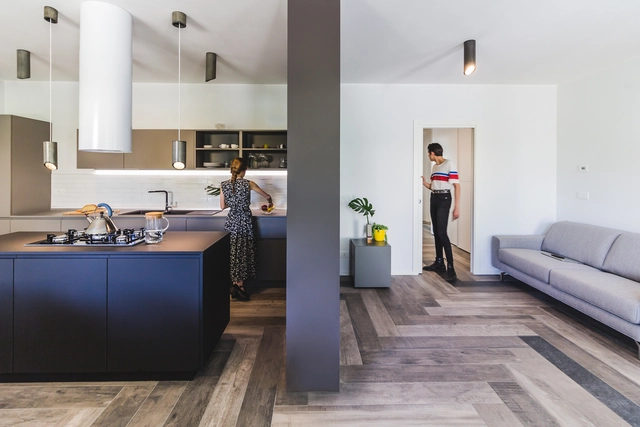
Basic (And Necessary) Recommendations for Designing Accessible Homes

A good architecture project must be accessible to all, regardless of their physical or cognitive abilities. To raise awareness about these issues, and help you in the design process, we have compiled some basic actions that must be carried out for people to inhabit residential spaces comfortably and without obstacles.

Social Sensory Architecture for Children with Autism

U-M architect and an associate professor at the University of Michigan's Taubman College of Architecture and Urban Planning, Sean Ahlquist with MSU playwright Dionne O'Dell created a sensory theater experience for children with autism spectrum disorder (ASD) challenges. Ahlquist has sought out solutions to help initially his daughter with her autism, by learning more about her specific needs, and the way that she interacts with the world around her.

We Need More Wheelchair Users to Become Architects

When famed architect Michael Graves contracted a mysterious virus in 2003, a new chapter in his life began. Paralyzed from the chest down, the pioneer of Postmodernism would be permanently required to use a wheelchair. Graves could have been forgiven for believing that having fought for his life, having been treated in eight hospitals and four rehab clinics, and needing permanent use of a wheelchair, that his most influential days as an architect were behind him. This was not the case. To the contrary, he would use this new circumstance to design trend-setting hospitals, rehab centers, and other typologies right up to his death in 2015, all with a new-found awareness of the everyday realities of those in wheelchairs, and what architects were, and were not doing, to aid their quality of life.

Universal Signage: The First Step in Making Cities More Accessible

Of all the steps a city can take to make itself more pedestrian-friendly, developing a integral system of signage is both a quick and easy improvement that makes a world of difference--as shown by initiatives like Legible London, New York's WalkNYC, or Rio on Foot, in Río de Janeiro.

Architecture for the Blind: Intelligent and Inclusive Spaces for the Blind User

The design of spaces for people with visual disabilities is an important issue when it comes to talking about accessibility. Architects who adopt the principles of universal design understand that the needs of a blind client are the same as those of all people.

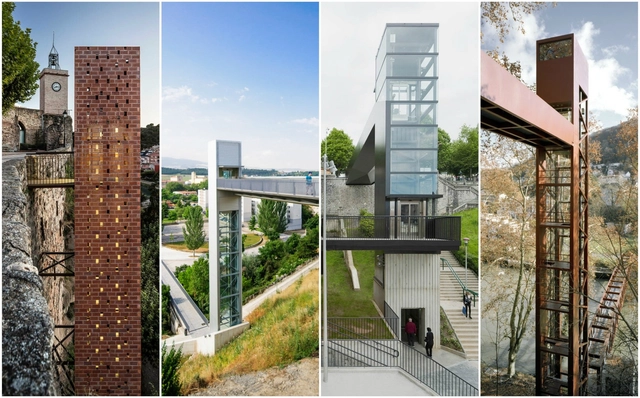
8 Urban Elevators That Bring Connectivity and Continuity to Cities

When working in an urban area with a complex topography, one of the biggest challenges is urban integration. Worldwide, many socially deprived neighborhoods are situated in complicated geographical locations surrounded by steep slopes. Such areas complicate mobility for pedestrians, cyclists, and the elderly, with a lack of accessibility often excluding them from taking part in city life effectively.

In this context, urban elevators can be a novel solution which combine elements of both functional connectivity and sculpture. With some rising up to 30 meters in height, they become urban and touristic landmarks, creating new viewpoints and walkways. Additionally, in many cases, they can help to uphold the historic legacy of the city.

Below we have collected some interesting examples of urban elevators that have been key in the spatial planning of the urban environment.

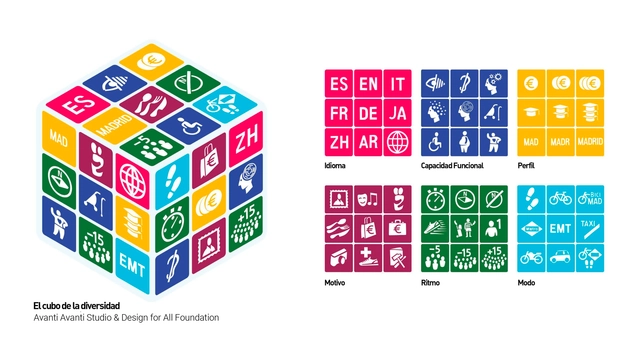
Avanti-Avanti Studio: "Design for All, the Start of the Creative Process is Through Individual Diversity"

Avanti-Avanti Studio is a design studio dedicated to the development of creative communication strategies, particularly specialized in “Design for All.” Founded by Alex Dobaño (graphic designer and member of the Design For All Foundation) and Elvira Muñoz (architect), the duo leads a multidisciplinary team of professional people in communication, design, and technology, and work with companies and institutions specialized in leisure, tourism, culture, museums, and cities. They describe their practice as a meeting point, where professionals from different fields come together for every new venture, to ensure that the built environments are suitable and inclusive for anyone experiencing them.