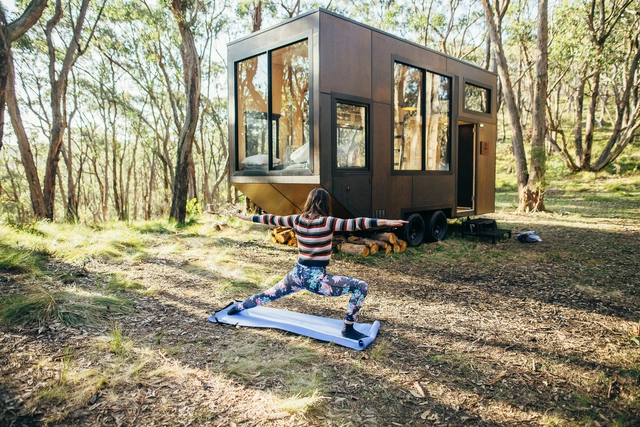
The Great Tiny House Debate: What it Means to Downsize the Dream

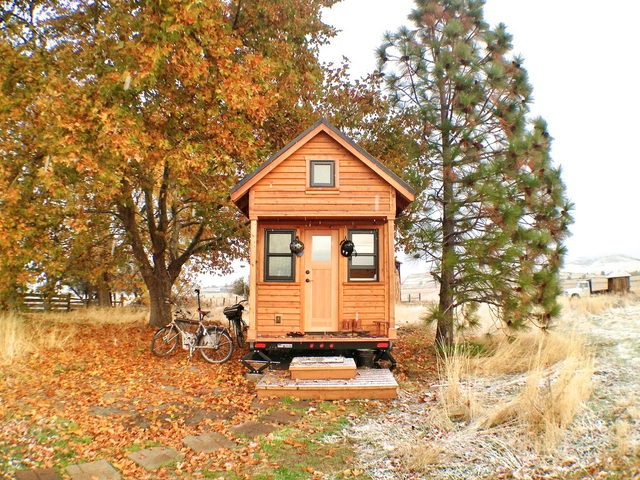
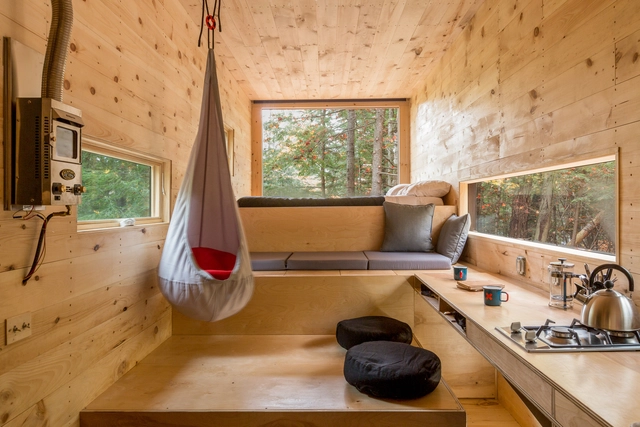
The dream of a home in the suburbs with a white picket fence is changing. Between housing crises and homelessness, mounting debt and downsizing, home ownership has become increasingly less attainable. The tiny house movement is a direct response to these forces, with cities and designers asking whether micro dwellings can address pressing issues or if they are glorifying unhealthy living conditions.
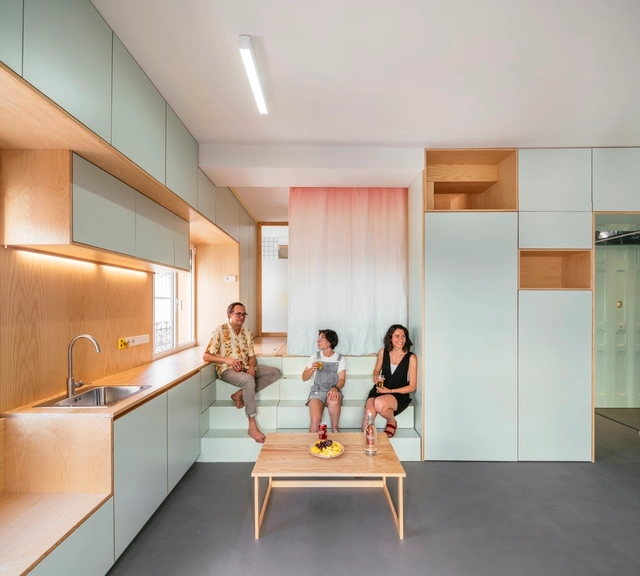
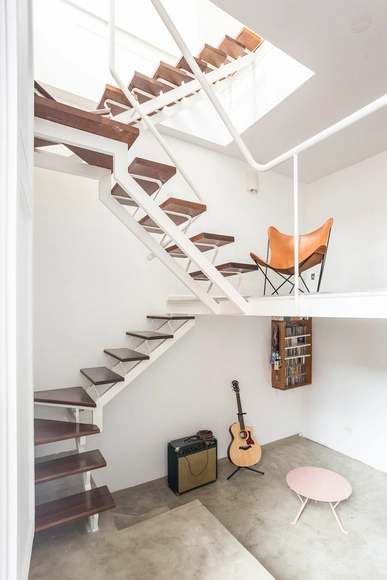
House Plans Under 50 Square Meters: 30 More Helpful Examples of Small-Scale Living

Designing the interior of an apartment when you have very little space to work with is certainly a challenge. We all know that a home should be as comfortable as possible for its inhabitants, but when we have only a few square meters to work with and the essential functions of the home to distribute, finding an efficient layout is not easy. Following our popular selection of houses under 100 square meters, we've gone one better: a selection of 30 floor plans between 20 and 50 square meters to inspire you in your own spatially-challenged designs.

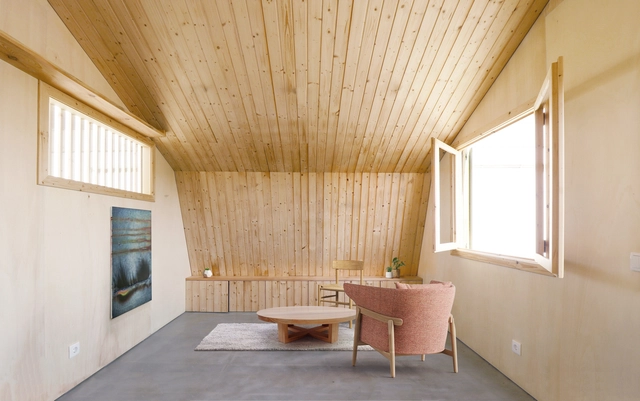
Portugal in Small-Scale: 15 Architecture Projects Under 25m²

It is becoming a priority for architects to optimize projects that require increasingly smaller spaces, especially when building in urban areas where land value is often the most critical factor. This happens in countries like Portugal, for example, where urban plots are scarce and the properties available for remodeling are usually very small.

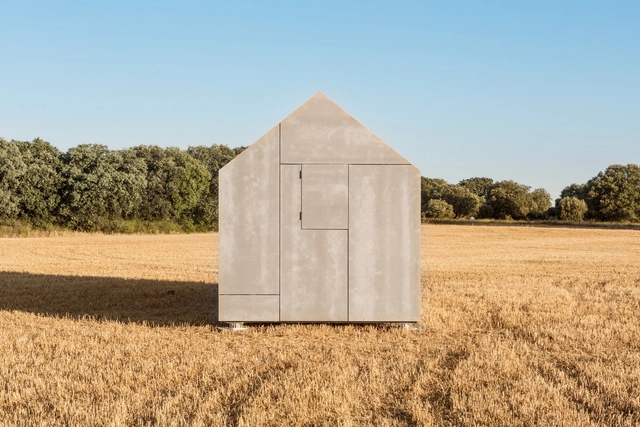
The Life and Death of the Tiny Home Trend

The tiny home trend has been hard to ignore over the last several years. There's an increasingly saturated market of TV shows and Pinterest pictures dedicated to the topic of exploring micro-dwellings where your home is reduced to the size of a walk-in closet and each room takes on a triple-duty programmatic role has only increased its popularity. What looks enticing on reality TV is often much less desirable in real life, and as people continue to long for a lifestyle that frees them of material goods and the ability to travel, what does this mean for the actuality of tiny home construction? Is it just a wanderlust fantasy that no one actually lives and was there ever any promise to its realization in the mainstream world?

How Small Can A Home Be? A Glimpse into the Smallest Houses in the World

Sheltering is a fundamental issue in Architecture. The ways of living and interacting with the space in which we spend our daily lives is an everlasting debate in the field, which is committed to providing a better quality of life, but also to developing new ways of living. By adding other aspects such as real estate speculation, high housing density in urban centers, the pursuit of nomadism, or even the sheer desire to follow a trend, the debate around small-scale houses becomes even more relevant. And so, we ask ourselves, what is the smallest area required to live in?

Sisters Houses / Daher Jardim Arquitetura

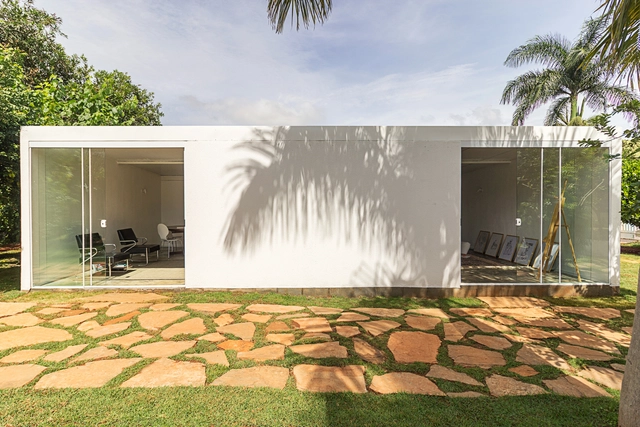
The sister houses are two small semi-detached and mirrored residences, each measuring 40m², located in a residential neighborhood in Brasília. The work was implemented in such a way that those who walk down the street see only a white wall that does not reveal what is happening inside, in the other direction the houses open with large openings to the garden, creating a rich interior - exterior relationship, and thus, allowing good lighting and ventilation of internal spaces.

Brazilian Houses: 21 Homes Under 100m²

Every architect has certainly already had the experience of designing a house throughout his or her career (or at least in university). Yet, developing a residential project with limited space, either due to physical restrictions of the land or a small budget, can be an interesting challenge while attempting to optimize the space, satisfy the architectural brief and provide maximum comfort to the future residents. With this in mind, we have gathered 21 Brazilian houses under 100 square meters along with their floor plans. Check out below:

Quality Spaces in Small Areas: Brazilian Apartments Below 50m2

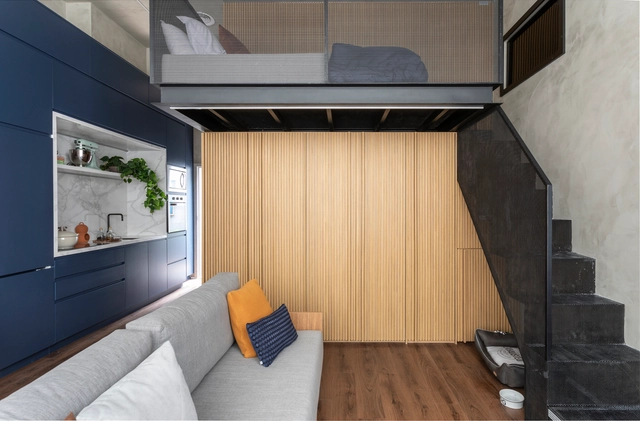
Solutions for small-scale apartments are becoming more and more needed due to the increasingly smaller apartments being built in the centers of Brazil's major cities. The high price of land, combined with the current laws and regulations, has boosted the construction of gradually smaller dwellings - which can often translate into lower quality of life for its residents. 

Small-Scale Horizontal Properties in Buenos Aires: Building Up Rather than Out

While Buenos Aires' architecture is known for its heterogenous and constantly-changing nature, within the city's low density residential sectors, it's possible to detect forms and patterns that have remained constant under the city's many transformations. One of these is the HP, or Horizontal Property, a legal concept that allows for multiple constructions on one lot, resulting in a handful of low-rise structures congregated together in a high-density layout.

Nano-Scale: Gary Chang Explores Compact Living and The Future of Dense Cities

Compact living units have become the norm in most big cities across the globe. High density and the value of land in urban areas has made it mandatory for most developments to take full advantage of the buildable area. The result is homes that are increasingly smaller. Hong Kong is probably the most extreme case – with roughly three-quarters of the land preserved, the portion left for housing accommodates more than 7 million people in one of the densest urban environments on Earth.

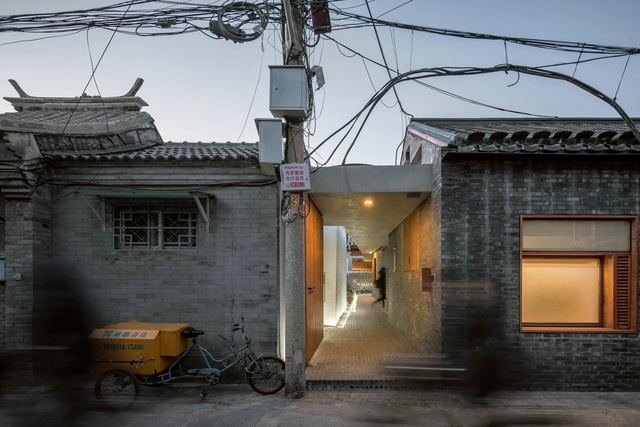
The Hutong Renovation in Beijing: Reimagining Tiny Spaces in a Historic Neighbourhood

For centuries, Hutongs have been recognized as one of the most treasured types of vernacular housing in China. Witnessing the cultural and historical transformation in Beijing ever since the Yuan Dynasty (1271 – 1368), the name Hutong is derived from a Mongolian word that means ‘water well’. In fact, this term was given to small streets that originated during the Yuan Dynasty when the emperor attempted to organize the urban fabric in a grid-like pattern in order to manage properly property ownership and to form an efficient transit system.

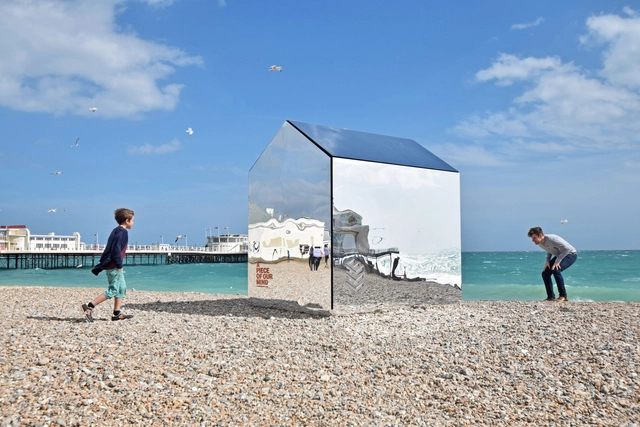
Architecture and Experimentation: 7 Small Scale Projects with Unusual Building Materials

Using unconventional materials in architecture requires a lot of creativity and experimentation in order to create new possibilities that are both efficient and innovative. Small-scale projects, in particular, offer great opportunities to explore these unusual materials because, among other factors, they provide fewer loads on the structures and, sometimes, also have a temporary nature. Nevertheless, using unconventional materials in small-scale architecture can help encourage its use in other projects, including larger constructions.

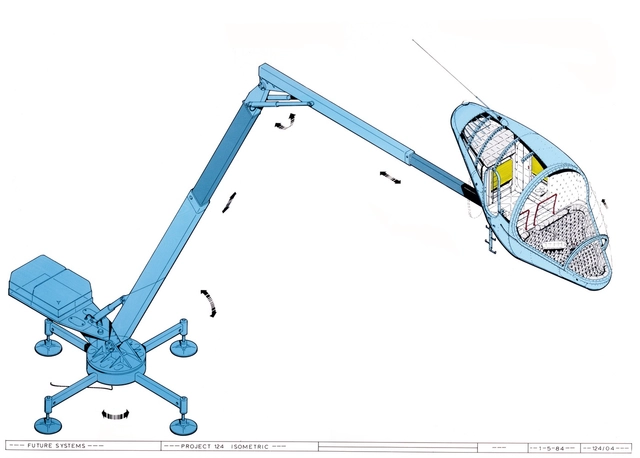
Archigram and the Dystopia of Small-Scale Living Spaces

Until recently, the origins of the tiny-house movement were of little interest to the scientific community; however, if we take a look at the history of architecture and its connection to the evolution of human lifestyles, we can detect pieces and patterns that paint a clearer picture of the foundations of this movement that has exploded in the last decade as people leave behind the excesses of old and opt for a much more minimalist and flexible way of life.  

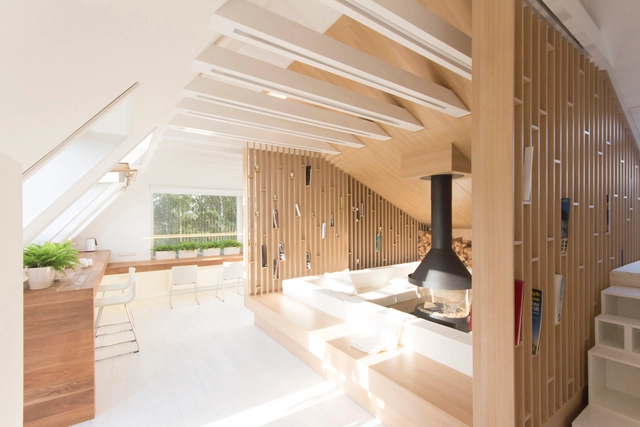
High-Rise Living: 7 Houses Under 65m² in Rooftops and Attics

When it comes to attics, we often imagine underused spaces in homes and buildings, such as warehouses or rooms that are exclusively used to shelter infrastructure systems. However, reflecting on the reuse of traditional attics in 19th-century Parisian buildings as housing, which is happening nowadays, one realizes that these spaces can be reinvented and, with a little creativity, they can provide impressive living spaces.

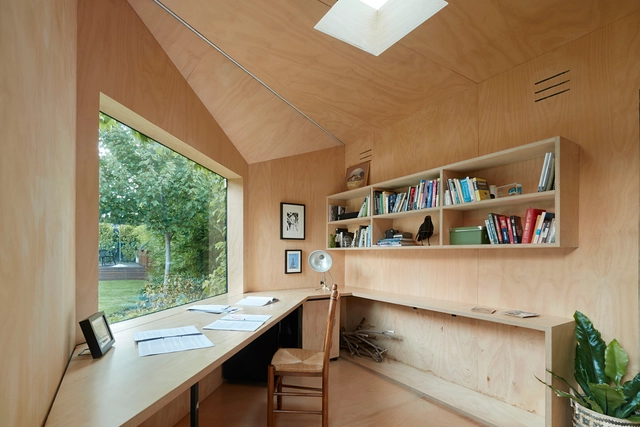
Tiny Offices: Extensions Separating Home from Workspaces

Working from home comes with a flexible schedule, not to mention savings on travel costs, and you can be closer to family. But distractions can make working from home inefficient. It becomes critical to separate the spaces used for living from the ones used for working. Building an addition is, in most cases, the perfect solution.

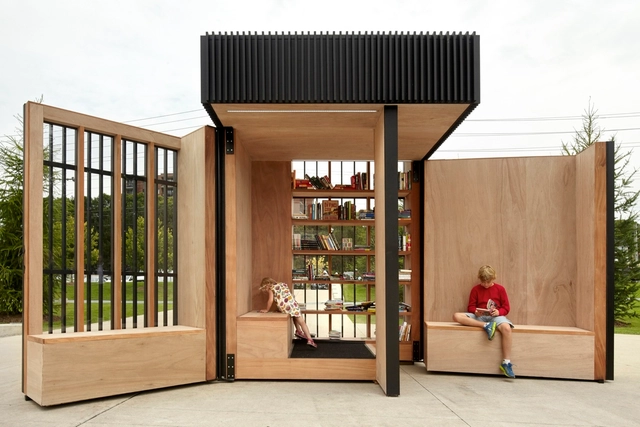
6 Small Scale Projects with Large Social Impact

The field of architecture has the potential to influence human relations in countless ways through the built space. In small-scale projects, in particular, the challenges of tackling the dialogue between the space and the individual are combined with the task of conveying ideas to inspire people to explore the use of these minimal spaces. 

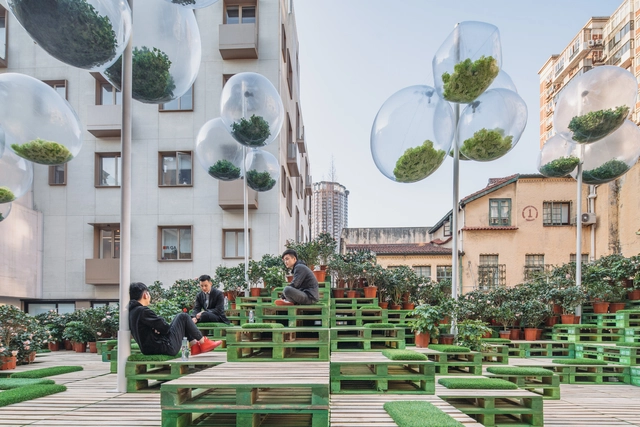
Urban Acupuncture: Regenerating Public Space Through Hyper-Local Interventions

Urban acupuncture is a design tactic promoting urban regeneration at a local level, supporting the idea that interventions in public space don’t need to be ample and expensive to have a transformative impact. An alternative to conventional development processes, urban acupuncture represents an adaptable framework for urban renewal, where highly focused and targeted initiatives help regenerate neglected spaces, incrementally deploy urban strategies, or consolidate the social infrastructure of a city. 

Tiny Houses on Wheels: Flexibility and Mobility in Small Scale Architecture

It is not clear where and when the wheel was invented, but according to American anthropologist David Anthony, author of a book on the history of the wheel, there is a series of archaeological evidence of wheeled vehicles dating from 3400 BC in Eurasia and the Middle East. Since its creation, the wheel has revolutionized the way human beings handle many activities, especially moving around.