Playful Pedagogy: 4 Projects Using Topography to Redefine Children's Learning Environments in China

Subscriber Access | 

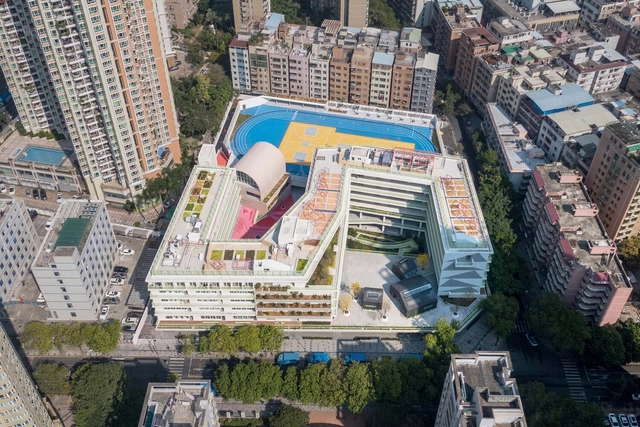
Educational architecture globally is undergoing a significant transformation, moving away from static, rigid designs toward more dynamic, interactive, and nature-driven environments. As cities become denser and land availability diminishes, architects are reimagining schools not just as places for learning but as ecosystems where children can grow holistically. A key element in this shift is the integration of landscape and topographical design, which allows schools to transcend traditional boundaries, combining education with play, exploration, and connection to nature. These designs aim to create engaging spaces that challenge children to interact with their environment physically and emotionally, fostering creativity, independence, and well-being. By layering natural elements such as mounds, gardens, terraces, and play structures into architectural plans, educational spaces are being reshaped into vibrant, multi-dimensional landscapes that encourage movement, imagination, and discovery.
Secluded Sanctuaries: Contemporary Religious Architecture Inspired by Modernist Principles Across Asia

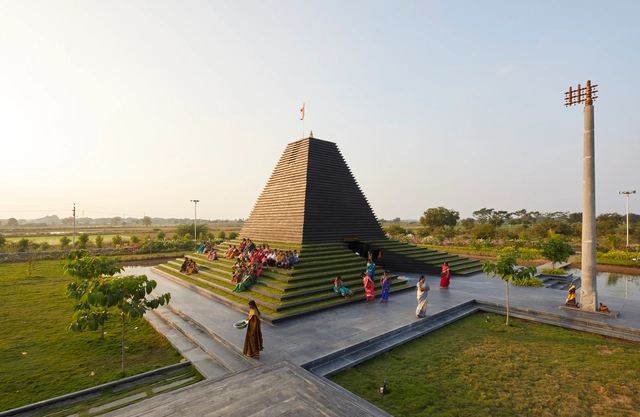
Religious architecture in Asia is evolving by incorporating modernist influences while preserving its spiritual essence. Clean lines, minimalist aesthetics, and materials like concrete, steel, and glass are a common sight. These interventions often replace or complement the intricate ornamentation and natural materials traditionally associated with sacred spaces in the region. This approach allows these structures to achieve a universal appeal while still reflecting their cultural and spiritual foundations.

Tirana Reimagined: Architectural Projects Transforming Albania's Capital through Public Engagement

Subscriber Access | 

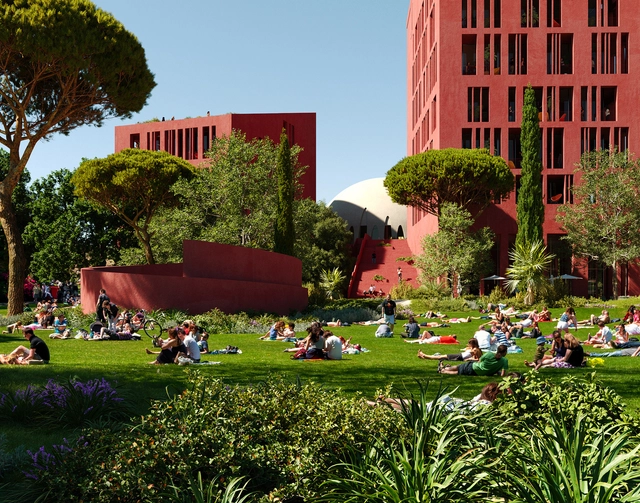
Tirana, the capital of Albania, is undergoing a remarkable transformation fueled by an ambitious vision for the future outlined in the Tirana 2030 (TR030) Master Plan. This plan, devised by renowned Italian architect Stefano Boeri, aims to reshape the city into a sustainable, green, and inclusive urban hub, with a focus on increasing density while enhancing the quality of life for its residents. Central to this vision are projects such as the creation of an "orbital forest" with two million trees, the revitalization of rivers with green corridors, and the redesign of public spaces like Skanderbeg Square, which has become the largest pedestrian area in the Balkans. According to The Guardian, these initiatives aim to reverse the sprawling urban chaos that followed the fall of communism and accommodate a population that has quadrupled since 1992, while prioritizing quality of life and accessibility.

Reimagining Models for Living Together: 4 Projects Showcasing Cooperative Architecture

Subscriber Access | 

The International Day of Cooperatives, celebrated on the first Saturday of July each year, is an opportunity to raise awareness and celebrate the cooperative movement. Celebrated on this day by the United Nations since 1992, the cooperative movement is a social and economic movement empowering individuals and communities by creating enterprises that are collectively owned and democratically controlled by members. This year's theme is "Cooperatives: Partners for Accelerated Sustainable Development." Underscoring the critical role cooperatives play in achieving the Sustainable Development Goals, it also emphasizes the unique typology of cooperatives in exploring new ways of living together. With a belief in community growth, cooperatives believe in communal development, prioritizing people and supporting them to improve collective well-being.

The Impact of Co-Living in Spain: 5 Projects with Multigenerational Shared Spaces

Subscriber Access | 

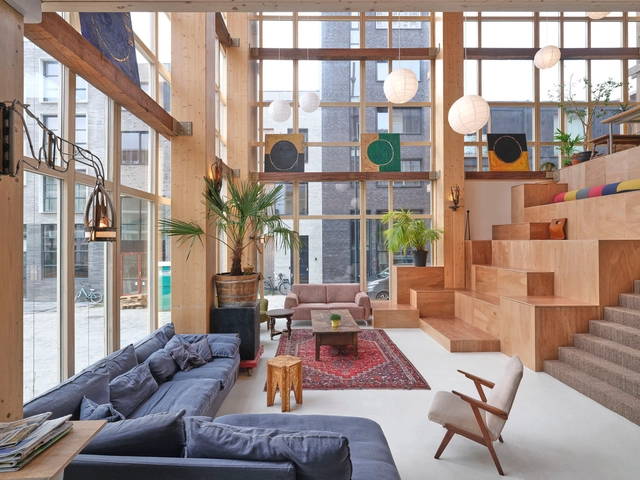
Amid a significant global housing shortage and an increase in urban growth, the residential phenomenon of co-living is expanding, fostering a community-based lifestyle where socialization becomes a fundamental principle. Resources, values, interests, and experiences are shared, creating new ways of living. While co-living buildings also incorporate spaces for individuality, this new form of communal domesticity emerges as a viable alternative suitable for diverse users, not only students or young adults but also older residents, promoting efficient space utilization and intergenerational interaction.

Climate-Responsive Temporary Pavilions: Exploring 4 Ephemeral Structures across Europe

Subscriber Access | 

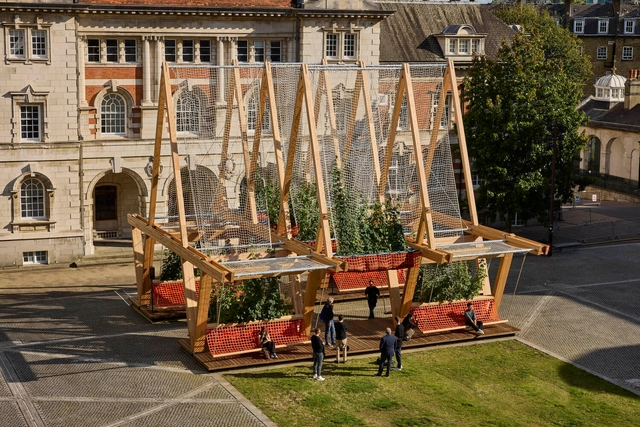
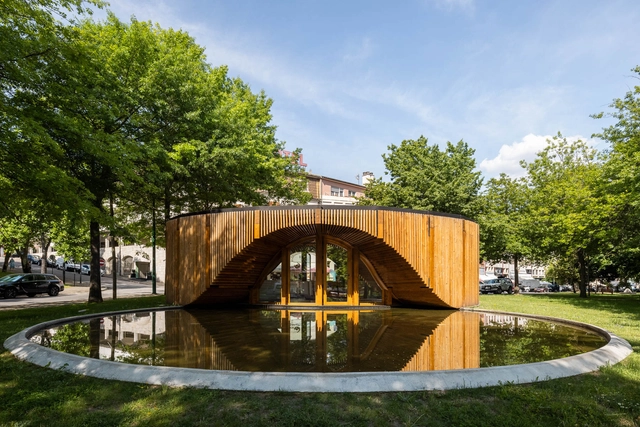
Pavilions offer architects a unique opportunity to experiment, serving as compact spaces that push the boundaries of design and spatial concepts. Free from many conventional functional constraints, these structures allow for artistic expression and the testing of new technologies. Pavilions often act as living laboratories of architecture, positioned in public or cultural contexts. They transform their surroundings into interactive, memorable experiences, providing a stage for architects to showcase their most innovative ideas. In recent years, climate responsiveness has emerged as a crucial focus in pavilion design. By using temporary structures as a testing ground for more sustainable practices, architects can experiment with alternative materials and environmentally conscious approaches that address the climate crisis.

Art Galleries that Draw You In: 5 Artistic Spaces in Brazil Connecting Indoors and Outdoors

Subscriber Access | 

Art and architecture go through a series of interpretive processes before their creation that involve recognizing a capacity for wonder, experimentation, communication, and imagination. Sharing sensitivities and creative quests, they can transform the experience of the world by responding to a collective set of ideas that, at times, design, paint, and write about themes related to the connection with nature, the role of society in the built environment, the sensations conveyed by spaces, and more.

Blending Heritage: Canada’s Integration of Revival Architecture and Modern Design

Subscriber Access | 

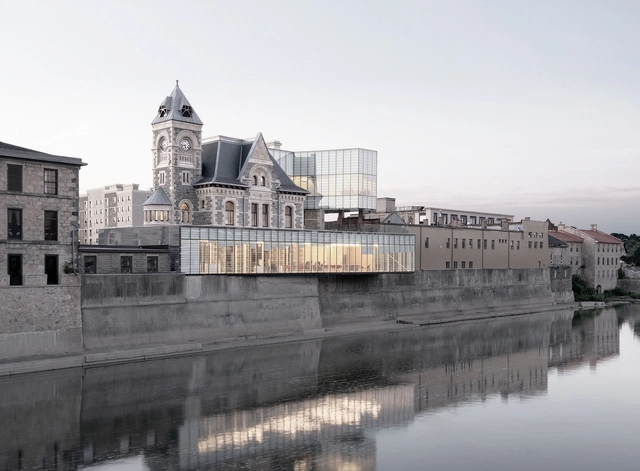
The architecture in Canada has evolved to reflect both its European heritage and modern global trends while adapting to the country's environment. As Canada developed, architectural styles became a means to express its identity as an independent nation. This architectural development, especially in the 19th and early 20th centuries, was influenced by colonial styles from Great Britain and France. While French colonial was more prominent in Quebec, British styles influenced the rest of the country.

The Craft of Brick Bonding: 4 Projects That Explore Textural Designs Adapted to Canada's Winter Conditions

Subscriber Access | 

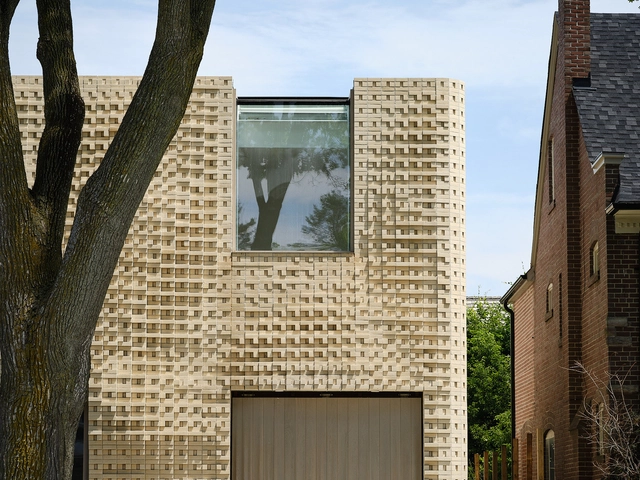
Canada's climate is known for its dramatic contrasts, ranging from frigid winters to hot summers. Large metropolitan areas such as Toronto, Montreal, and Vancouver experience a variety of extreme weather conditions: heavy snowfall, ice storms, and freezing temperatures are common. In some cases, temperatures can plummet to below -30 degrees Celsius, especially in cities like Montreal or Quebec. In turn, this weather creates certain challenges for architects and engineers when designing with certain materials. In this context, brick remains a popular construction material not only because of its relatively low thermal conductivity, making it a good insulator during the winter but also because of its connection to the country's architectural heritage.

A Warm Approach to Meditation: 5 Houses in Latin America to Find Stillness in Vibrant Spaces

Subscriber Access | 

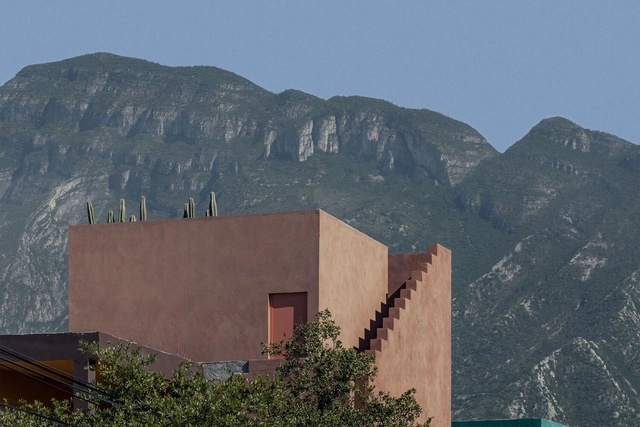
When we think of spaces that foster meditation, our minds often travel either to Japan's Zen gardens, where clean lines and carefully arranged landscaping call for stillness, or to Scandinavia's designs with neutral tones and soft fabrics. These styles evoke a sense of calm through simplicity, often seen as a characteristic of Japanese and Northern European architectural styles. Yet, stillness and meditation are not restricted to these types of settings. Latin American architectural traditions also offer powerful, though often overlooked, approaches to meditative spaces. With earthy tones of terracotta, rough adobe textures, intimate courtyards, and a strong connection to nature, these environments call for reflection through warmth and material richness, creating spaces that are calming without being understated.

Exploring The Role of Tourist Information Centers in Europe's Top Destinations

Subscriber Access | 

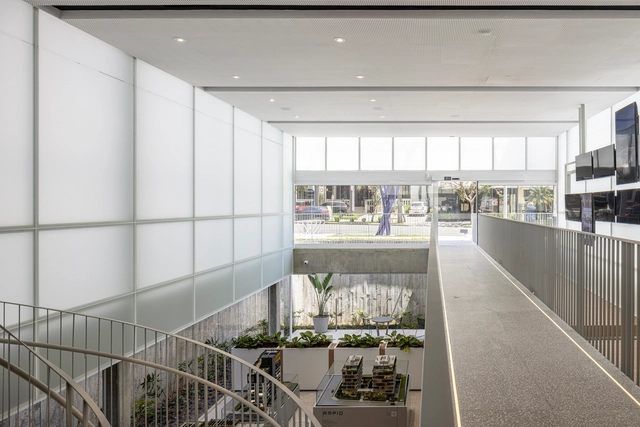
In celebration of World Tourism Day, it's important to highlight the crucial role that tourist information points (TICs) play across Europe. These centers provide essential services, from maps and local advice to promoting sustainable travel. Strategically located at major transit hubs and landmarks, TICs ensure that visitors receive personalized guidance to enhance their travel experience. According to the World Tourism Organization (UNWTO), Europe welcomed an estimated 585 million international tourists in 2023, underscoring the importance of efficient, localized visitor support. TICs have adapted to this surge by offering both in-person and digital services, helping tourists make informed decisions about their upcoming journeys.

Architectural Interventions in UNESCO World Heritage Sites: A Dialogue Between Preservation and Innovation

Subscriber Access | 

Contemporary architecture in UNESCO World Heritage contexts presents a unique challenge: revitalizing historically significant sites while adhering to strict preservation guidelines. From urban centers to natural landscapes and intangible cultural traditions, these projects demonstrate the delicate balance between innovation and heritage conservation. Whether working in a mega city, a protected landscape, or a culturally rich rural area, architects are tasked with reimagining these spaces without compromising their historical value. Each project offers a fresh perspective on how heritage sites can evolve and remain relevant in modern times.

Revitalizing Urban Ecosystems: 4 Projects Reconnecting Cities with Their Water Heritage

Water architecture has always been important throughout human history. From the aqueducts in ancient Rome to the grand canals of Venice, water has not only sustained life but also played an important role in shaping the urban environment. It has facilitated trade, nourished agricultural lands, and provided a sense of place and identity to different communities. Despite water's historical role, during the 20th century, many cities chose to bury their waterways underground, primarily for safety and hygiene reasons, as these channels often served as open sewers.

Beyond Green Architecture: 5 Middle Eastern Projects Redefining Landscape Design

Landscape architecture has traditionally been associated with lush greenery, rooted in the historical development of gardens and parks as spaces that bring nature into urban areas. This connection to greenery is deeply ingrained in the origins of the field, where the creation of verdant retreats was seen as both aesthetically pleasing and beneficial to human well-being. However, in regions like the Middle East, where water scarcity and harsh climates are more prevalent, there is a growing trend toward using local materials such as sand, stone, minerals, and indigenous plants. This shift reflects a more sustainable approach, reimagining landscape architecture to align with the environmental and cultural contexts of the region.

Shaping Space with Curves: Exploring the Architectural Fluidity of 4 Modern Airport Projects in South and East Asia

Subscriber Access | 

Modern airports have increasingly become symbols of architectural innovation, moving beyond their primary function as transportation hubs to become significant landmarks. A prominent trend in contemporary airport design is the use of curved forms to create fluid, dynamic spaces that enhance both functionality and visual impact. These curves, made possible by advancements in construction technology, allow for more flexible and expansive interiors, as well as designs that can better integrate with natural landscapes and improve passenger circulation and experience.

Building Outdoor Learning Spaces: 5 Community Projects by Semillas in Peru

Subscriber Access | 

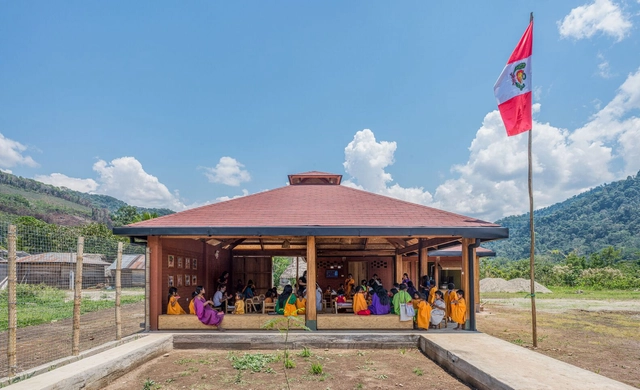
How is it possible to open educational spaces to the outdoors, and what are the appropriate conditions for their development? What bioclimatic strategies can be implemented to contribute to environmental comfort and the cultural preservation of communities? By conceiving outdoor learning spaces and blurring the boundaries between indoors and outdoors, the educational infrastructures projected by the Semillas association in the Peruvian jungle invite reflection on the opportunities for gathering, meeting, and community participation among students, families, and local residents. Linked to the site's uses and customs, this conception of space represents a way of living where the implementation of bioclimatic strategies, along with the use of local materials and construction techniques, come together to create an architecture connected to its environment and history.

Transforming Small Spaces: Renovations of 6 Apartments Under 60 m² in Madrid

Subscriber Access | 

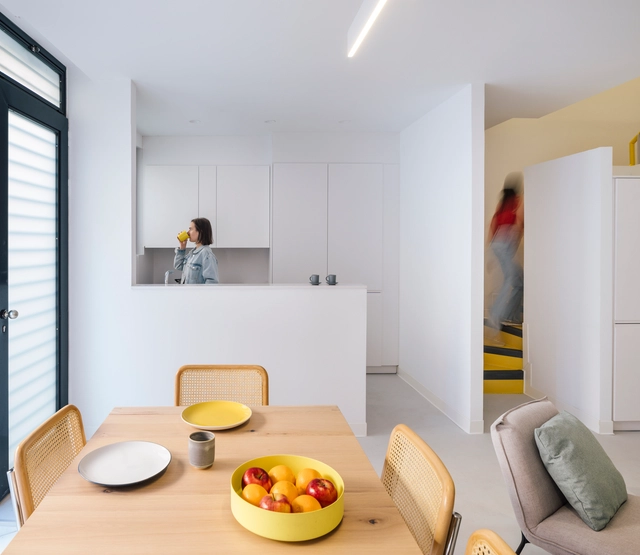
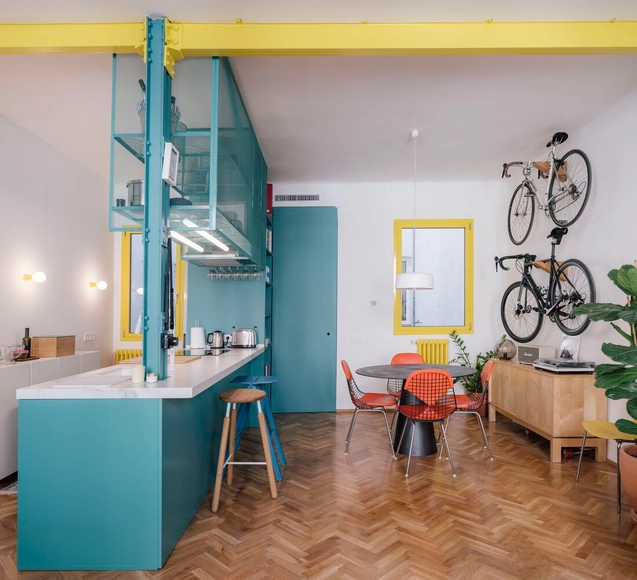
The domestic space reflects individuals' activities, behaviors, and actions, where various dynamics and processes coexist as part of daily life. Although each home has its distribution logic according to the time of its design, the needs of its inhabitants, the technologies of the era, and other factors, residential interior renovations often express an interest in recovering old structures and façades, recycling unused furniture, restoring high-quality elements present in coverings and flooring, or directly integrating new features to achieve greater spatial fluidity, lighting, and optimization of surfaces.

The Revival of Terracotta in New York's Architecture: 4 Contemporary Projects in the City's Skyline

Subscriber Access | 

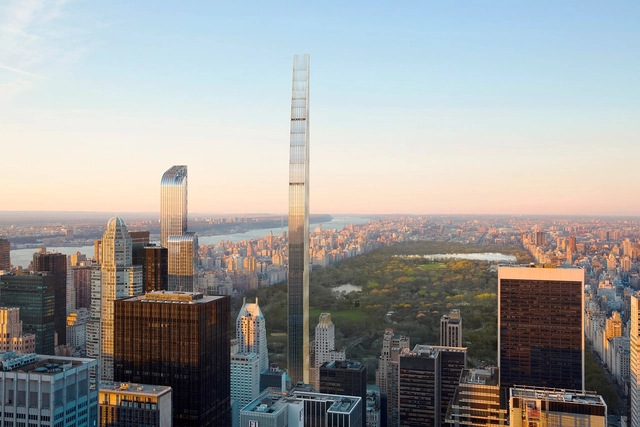
New York City’s skyline tells the tale of the region’s dated relationship with architectural innovation and style. Among the many materials that cloak the city’s built environment, terracotta has a distinct significance. The clay-based material was a prominent feature in buildings from the late 1800s to the 1920s and, after a brief pause, is experiencing a resurgence with contemporary design. The revival pays homage to The Big Apple’s architectural heritage while leading a movement for sustainable materials in the city.