Studio Bauhaus

BROWSE ALL FROM THIS PHOTOGRAPHER HERE

The Built Environment as a Third Teacher: Architectural Play in Japanese and Chinese Kindergartens

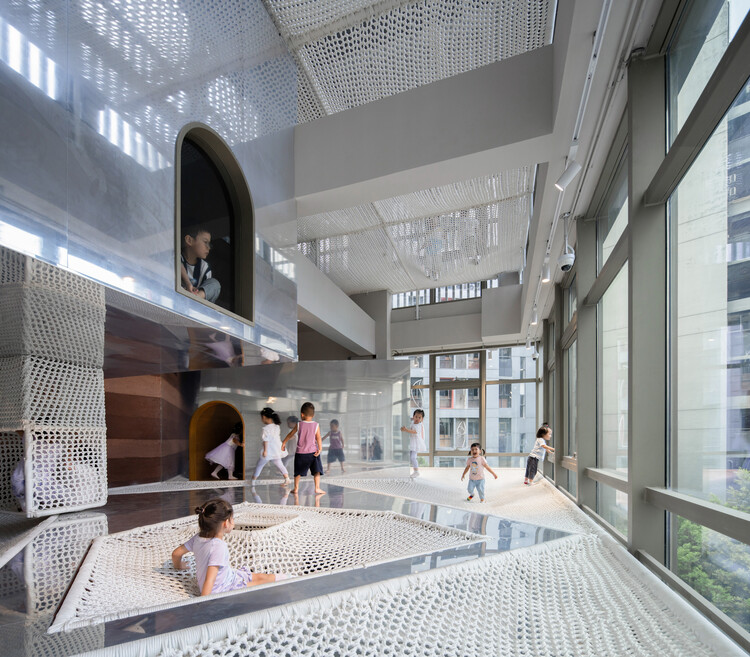
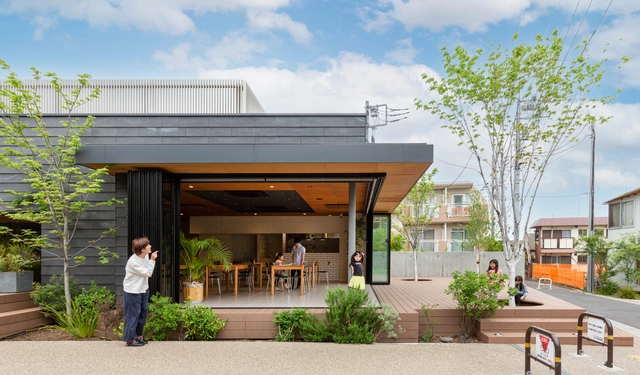
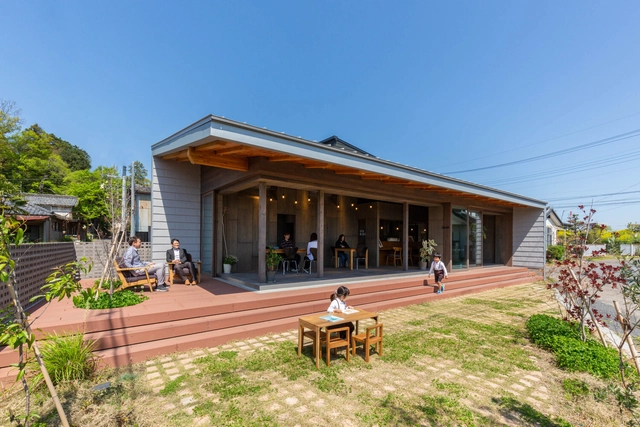
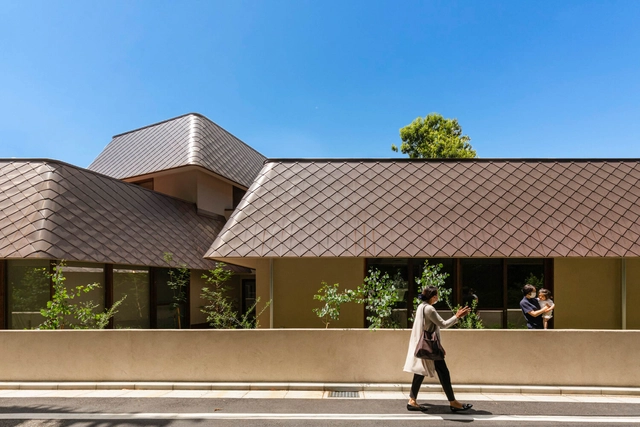
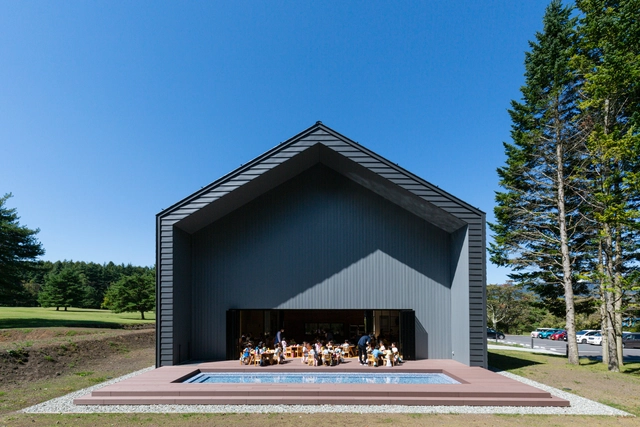
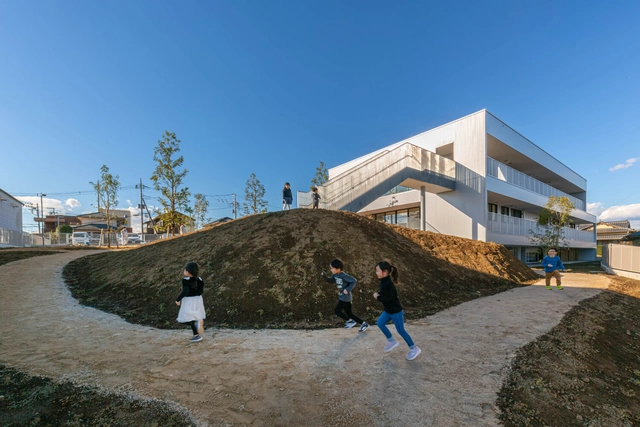
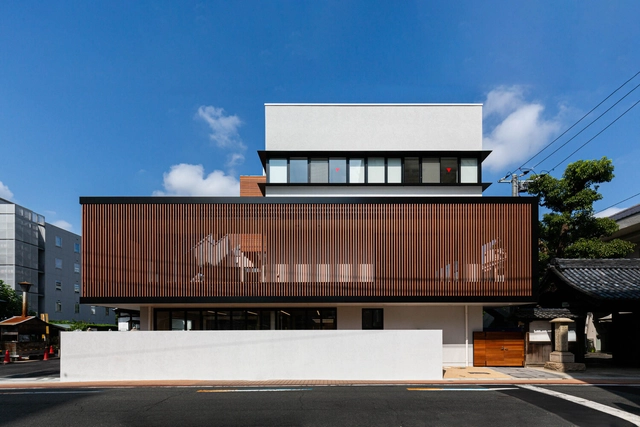
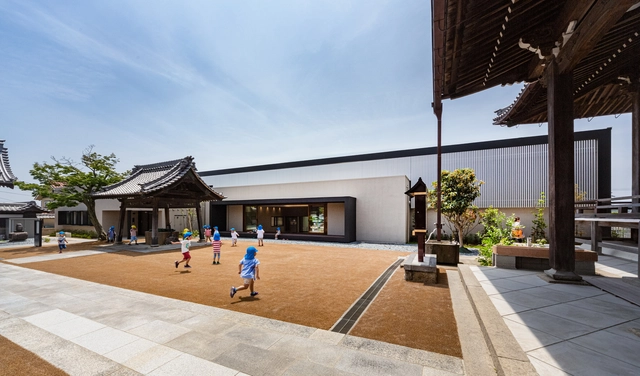
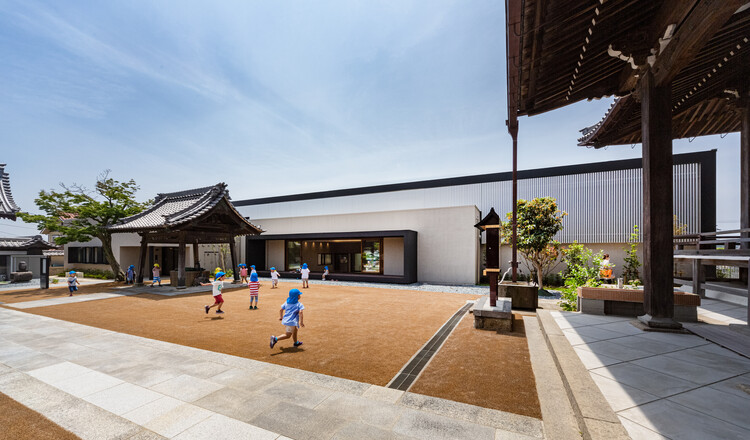
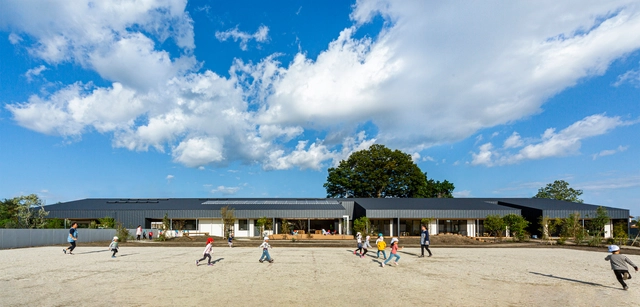
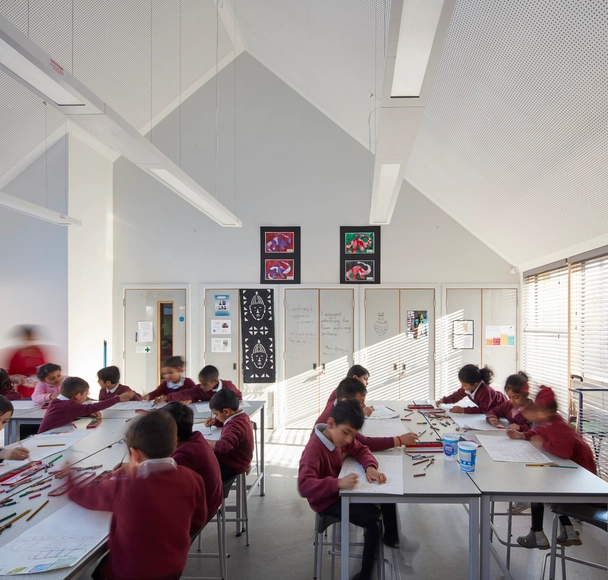
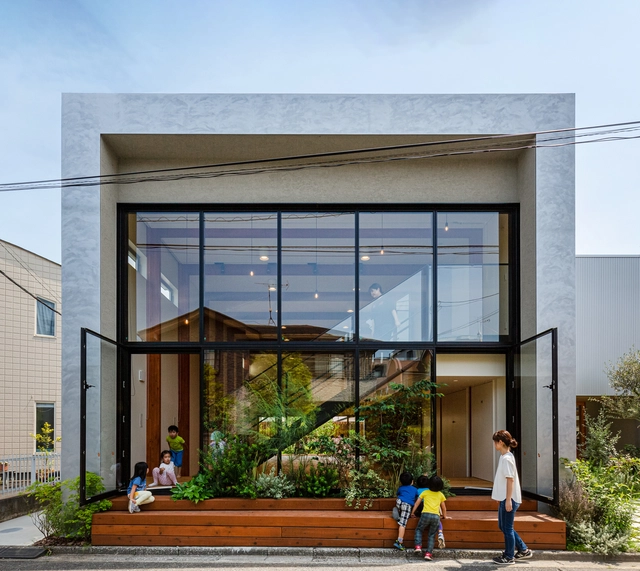
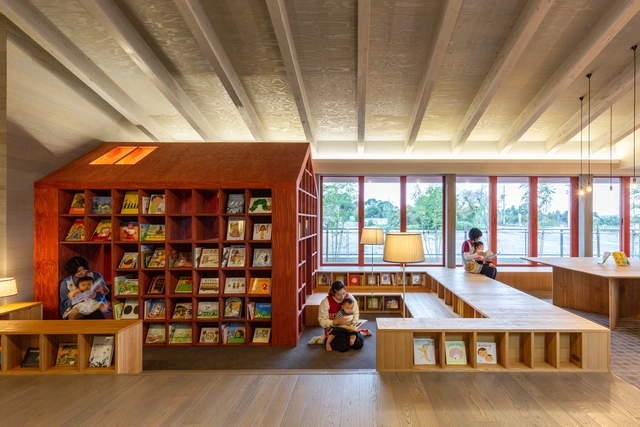
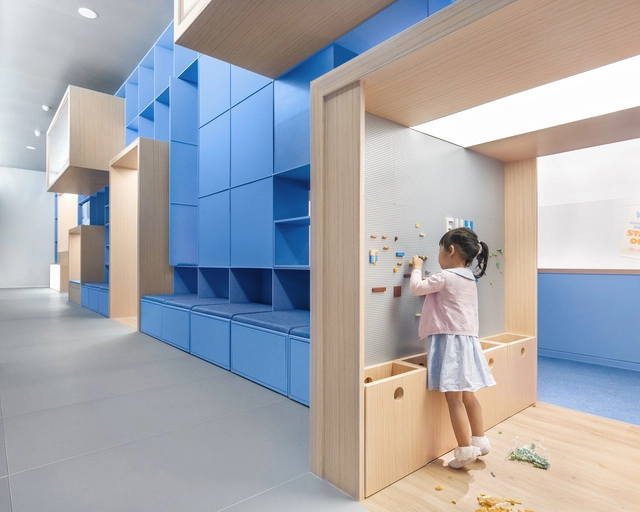
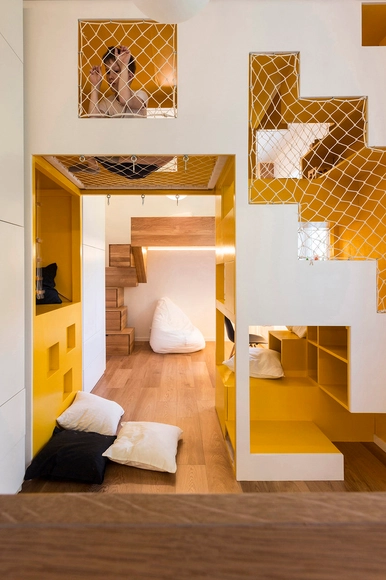
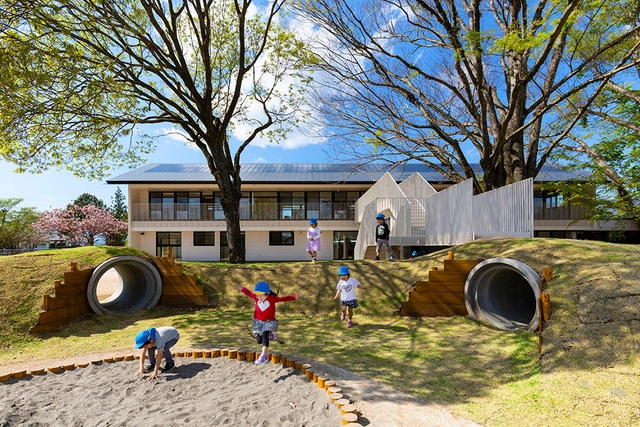
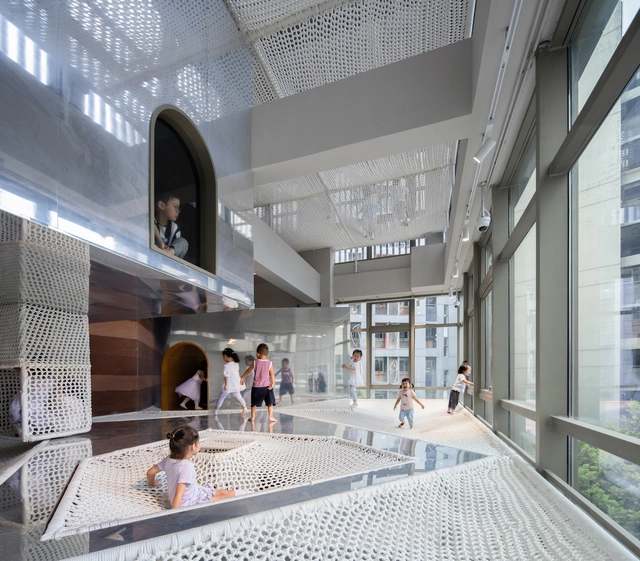
In contemporary Japanese and Chinese kindergarten design, architects are transforming the interior spaces from a simple container into an active, multi-sensory environment. This shift seems to follow Studies in developmental psychology that suggest that a child's experience of space begins with a sensorimotor engagement through touch and manipulation. Thus, they place a strong emphasis on the use of materials and the approach of learning through play. Architects seem to be moving beyond traditional classrooms, into environments that are tactile, stimulating, and rooted in their specific contexts. The buildings themselves become tools for education, encouraging children to learn and explore through direct physical engagement.

The Built Environment as a Third Teacher: Architectural Play in Japanese and Chinese Kindergartens - More Images+ 6

Miniature Architecture: 17 Projects that Explore Interior Design for Children

Subscriber Access | 

The world certainly looks different through the eyes of a young child; enormous, intriguing, and somewhat overwhelming, and it has long been believed that what we encounter as children shapes our perspective of the world. When asked about his childhood memories in Switzerland, Peter Zumthor shared that the memories of his youth contain the deepest architectural experience, which has become reservoirs of the architectural atmospheres and images that he explores in his work as an architect today. 

Having a complete understanding of how children change and grow physically and psychologically throughout their childhood requires an in-depth observation of different factors, such as their hereditary traits and genetics, the interactions they have with other children and adults, as well as the environment they are living, playing, and learning in. In celebration of World Children's Day on November 20th, we look at how architects and designers stimulated children's autonomy and promoted their mental and physical well-being through architecture and interior design. This initiative aligns with the theme of World Architecture Day 2024: "Mobilizing the Next Generation for Urban Transformation," emphasizing the crucial role that thoughtful design plays in shaping a sustainable and inclusive future for our cities and the communities within them.

Miniature Architecture: 17 Projects that Explore Interior Design for Children  - More Images+ 15

KFB Kindergarten and Nursery / HIBINOSEKKEI + Youji no Shiro

KFB Kindergarten and Nursery / HIBINOSEKKEI + Youji no Shiro - More Images+ 17

  • Area Area of this architecture project Area:  2081
  • Year Completion year of this architecture project Year:  2019
  • Manufacturers Brands with products used in this architecture project
    Manufacturers:  Bouzou, Runon, Toko

SDJ Nursery / HIBINOSEKKEI + Youji no Shiro

SDJ Nursery / HIBINOSEKKEI + Youji no Shiro - More Images+ 14

Setagaya City, Japan

SMS Nursery / HIBINOSEKKEI + Youji no Shiro

SMS Nursery / HIBINOSEKKEI + Youji no Shiro - More Images+ 14

Sano, Japan
  • Area Area of this architecture project Area:  295
  • Year Completion year of this architecture project Year:  2019
  • Manufacturers Brands with products used in this architecture project
    Manufacturers:  Bouzou, GANTAN BEAUTY INDUSTRY, Runon

SLP Center Arc / HIBINOSEKKEI + FUKUSHIKEN

SLP Center Arc / HIBINOSEKKEI + FUKUSHIKEN - More Images+ 16

Higashimurayama, Japan
  • Area Area of this architecture project Area:  1239
  • Year Completion year of this architecture project Year:  2021
  • Manufacturers Brands with products used in this architecture project
    Manufacturers:  Bouzou, Shibuya Seisakusho, Yamauchi Metal Supply

UB Kindergarten and Nursery / HIBINOSEKKEI + Youji no Shiro

UB Kindergarten and Nursery / HIBINOSEKKEI + Youji no Shiro - More Images+ 19

Fujiyoshida, Japan
  • Area Area of this architecture project Area:  934
  • Year Completion year of this architecture project Year:  2022
  • Manufacturers Brands with products used in this architecture project
    Manufacturers:  Bozo, KIDS DESIGN LABO, Runon

IK Nursery / HIBINOSEKKEI + Youji no Shiro + Kids Design Labo

IK Nursery / HIBINOSEKKEI + Youji no Shiro + Kids Design Labo - More Images+ 21

RJ Nursery / HIBINOSEKKEI + Youji no Shiro + Kids Design Labo

RJ Nursery / HIBINOSEKKEI + Youji no Shiro + Kids Design Labo - More Images+ 16

IZY Kindergarten and Nursery / HIBINOSEKKEI + Youji no Shiro

 IZY Kindergarten and Nursery / HIBINOSEKKEI + Youji no Shiro - More Images+ 15

  • Area Area of this architecture project Area:  867
  • Year Completion year of this architecture project Year:  2020
  • Manufacturers Brands with products used in this architecture project
    Manufacturers:  Bozo, Nagoya Mosaic-Tile, Runon

OM Nursery / HIBINOSEKKEI + Youji no Shiro + KIDS DESIGN LABO

OM Nursery / HIBINOSEKKEI + Youji no Shiro + KIDS DESIGN LABO - More Images+ 23

Poorly Designed Acoustics in Schools Affect Learning Efficiency and Well-being

Few things irritate us more than exposure to excessive noise or inability to hear what we need to hear. Whether it's a nearby construction site, highway traffic, air conditioning, or a neighbor learning saxophone, research shows that noise can contribute to cardiovascular disease, high blood pressure, headaches, hormonal changes, sleep disturbance, reduced physical and mental performance, and the reduction of well-being. On the other hand, in an acoustically "comfortable" environment, in addition to listening to what we want, we focus better and feel calmer.

The concern about creating acoustically comfortable environments is often relegated to cinemas, concert halls and recording studios. But it is particularly important in learning environments, such as classrooms, as it directly influences the teaching-learning relationship. Acoustic discomfort can harm the process of knowledge acquisition, interfering with attention and worsening student-teacher communication.

Poorly Designed Acoustics in Schools Affect Learning Efficiency and Well-being - More Images+ 4

AKN Nursery / HIBINOSEKKEI + Youji no Shiro

AKN Nursery / HIBINOSEKKEI + Youji no Shiro - More Images+ 14

KNO Nursery / HIBINOSEKKEI + Youji no Shiro

KNO Nursery / HIBINOSEKKEI + Youji no Shiro - More Images+ 19

Neuroarchitecture Applied in Children's Design

Subscriber Access | 

Neuroarchitecture Applied in Children's Design - More Images+ 16

It is unquestionable that environments directly influence the behavior and emotions of their users. Human beings spend approximately 90% of their lives indoors, making it imperative that the spaces we inhabit stimulate positive behavior and emotions, or at least don't influence us negatively. There exists a specific term describing the stimuli that the brain receives from its environment: neuroarchitecture. Several studies have been published on this topic, most focusing on its impact on work environments. This article approaches this concept through a different, yet essential lens: emphasizing its importance in the design of spaces for children in early childhood.

Wooden Architecture for Children: Designing Warm and Playful Spaces

Wooden Architecture for Children: Designing Warm and Playful Spaces - More Images+ 66

The environment we inhabit influences us directly. For kids, this environment must be especially safe and accessible, yet simultaneously stimulating, so that they can move and develop freely without jeopardizing their physical safety. We have already written about how to create playgrounds in interior spaces. Today, we put together a series of examples that use the warmth and versatility of wood to create interactive, creative, and fun interiors for children.

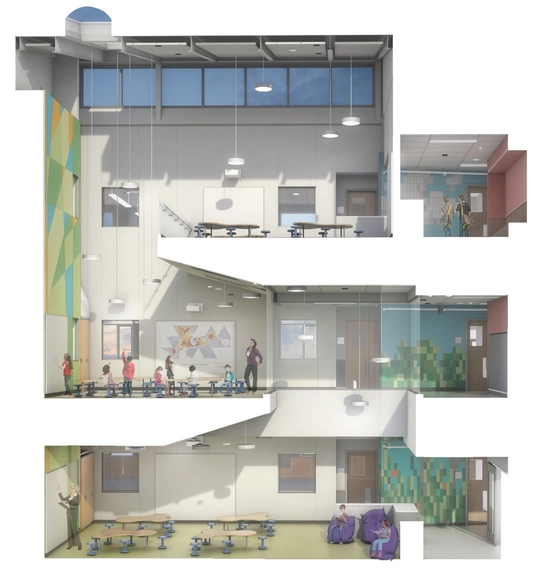
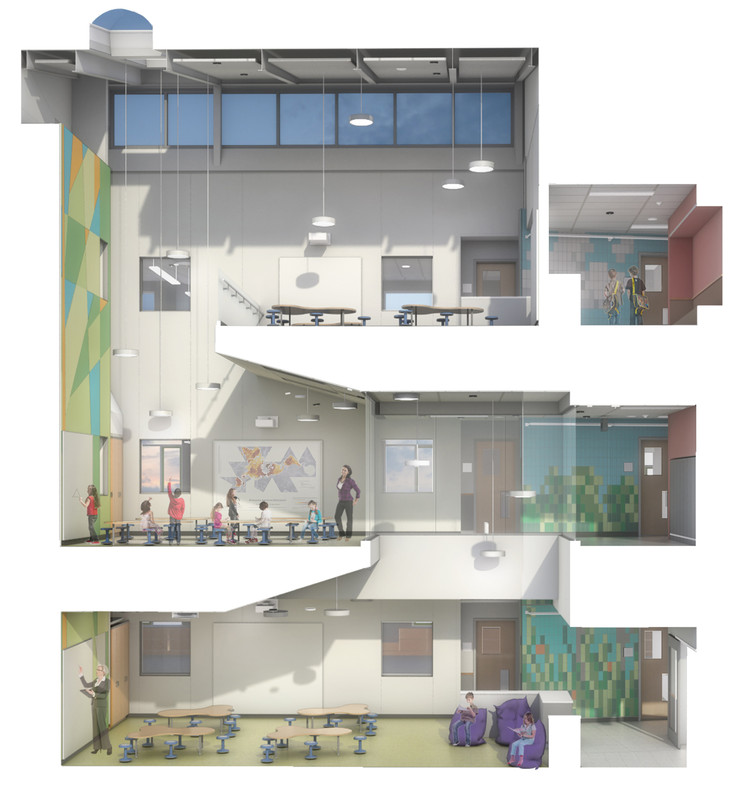
Schools of the Future: How Furniture Influences Learning

Subscriber Access | 

It is a student's right to be educated in a safe, healthy, and even aesthetically appealing environment, especially young students for whom these factors are even more important. For example, it has been shown that when the ergonomics of chairs are inadequate, they can greatly affect levels of concentration and the development of skills such as calligraphy. At the same time, the effectiveness of traditional teaching methods is increasingly being questioned and the quality of alternative methodologies increasingly being considered. In other articles, we discussed in more detail the design of Montessori schools and the atmosphere of Waldorf interiors.

Today, we will cover the importance of choosing furniture and address some aspects to consider when organizing them in classroom design for the schools of the future.

Schools of the Future: How Furniture Influences Learning - More Images+ 12

MRN Kindergarten and Nursery / HIBINOSEKKEI + Youji no Shiro

MRN Kindergarten and Nursery / HIBINOSEKKEI + Youji no Shiro - More Images+ 28

Miyakonojo, Japan
  • Area Area of this architecture project Area:  1113
  • Year Completion year of this architecture project Year:  2019
  • Manufacturers Brands with products used in this architecture project
    Manufacturers:  Archicad, AutoCAD, GANTAN BEAUTY INDUSTRY, Runon