.jpg?1579716013&format=webp&width=640&height=580)


.jpg?1579716013)
-
Architects: TETRARC
- Area: 9129 m²
- Year: 2015
-
Professionals: Socotec, CARDONNEL Ingénierie, Legendre, Métalobil, OTCI B


Humans spend almost 90% of the time indoors; that's approximately 20 hours a day in closed rooms and 9 hours a day in our own bedrooms. The architectural configurations of these spaces are not random - that is, they have been designed or thought of by someone, and are at least slightly "guided" by the conditions of their inhabitants and their surroundings. Some people inhabit spaces specially catered to their needs and tastes, while others adapt and appropriate designs made for someone else, perhaps developed decades before they were born. In either case, their quality of life may be better or worse depending on the decisions that are made.
Understanding the importance of carefully designing our interiors, particularly through the lens of access and enjoyment of natural light, was the purpose of the 8th VELUX Daylight Symposium, held on October 9 and 10 of 2019 in Paris. This year, more than 600 researchers and professionals attended and reaffirmed the importance of natural light, presenting a series of concrete tools that could help quantify and qualify light by designing its entry, management, and control with greater depth and responsibility.
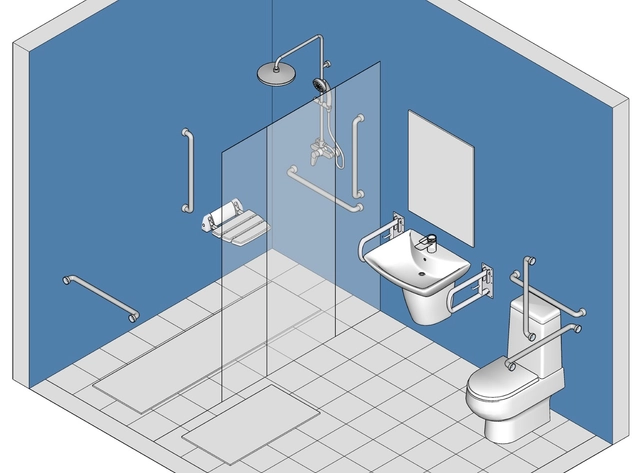
There exist frequent reports of toilet accidents, as they are often located in tight and slippery places. Although no one is immune to a slip after bathing, it is the elderly who suffer most from falls, and can often suffer serious injuries, sequelae, and functional limitations. Due to the natural reduction of reflexes and muscle mass, the higher the age group, the more prone to falls we become.
To provide more comfortable living conditions as users grow older, the environment must adapt to the new physical capabilities of its occupants. Making toilets safer is critical to reducing the risk of accidents and decreasing response time in the event of a fall. Here are some things to keep in mind when designing toilets for older people:
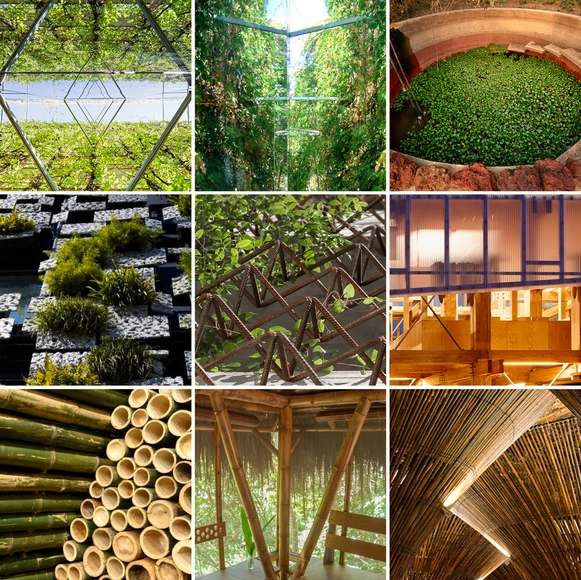
The dramatic improvement in recent decades in our understanding of sustainable design has shown that designing sustainably doesn't have to be a compromise—it can instead be a benefit. When done correctly, sustainable design results in higher-performing, healthier buildings which contribute to their inhabitants' physical and mental well-being.
The benefits of incorporating vegetation in façades and in roofs, as well as materials and construction systems that take energy use and pollution into account, demonstrate that sustainable design has the potential to create buildings that improve living conditions and respect the natural environment.
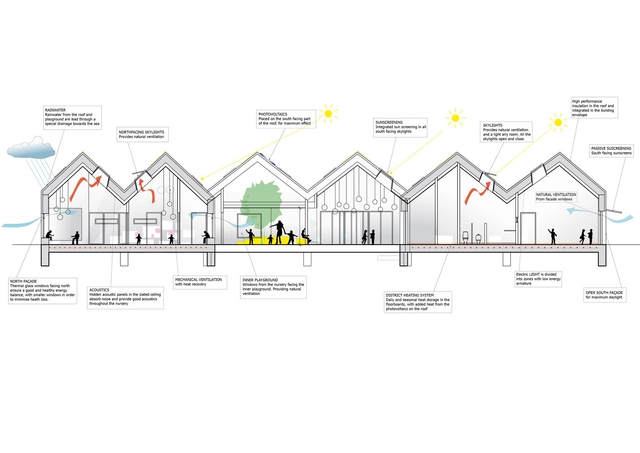
Below we have compiled 30 plans, sections and construction details of projects that stand out for their approach to sustainability.

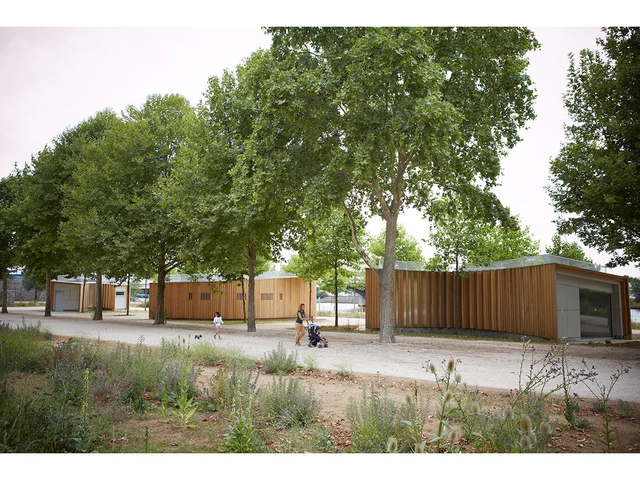
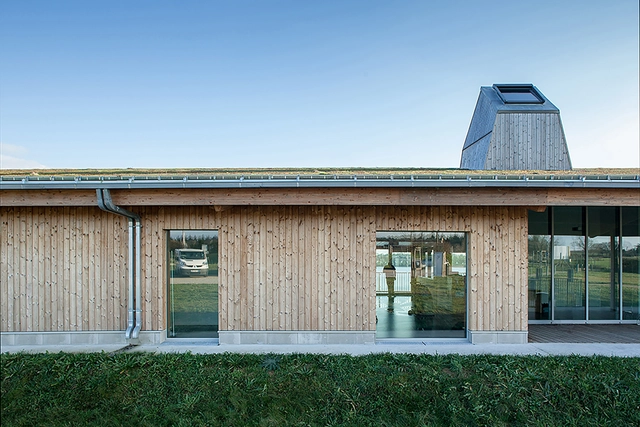
Paris-based h2o architectes revealed their designs for three pavilions to be constructed along the Seine River, near the western entrance of the Lagravère Park in Colombes.
The pavilions are woven into the existing landscape, creating a dialogue between the architecture and surrounding nature. The three small structures were designed according to function and are spread out along the promenade.