Shinkenchiku Sha
BROWSE ALL FROM THIS PHOTOGRAPHER HERE
↓
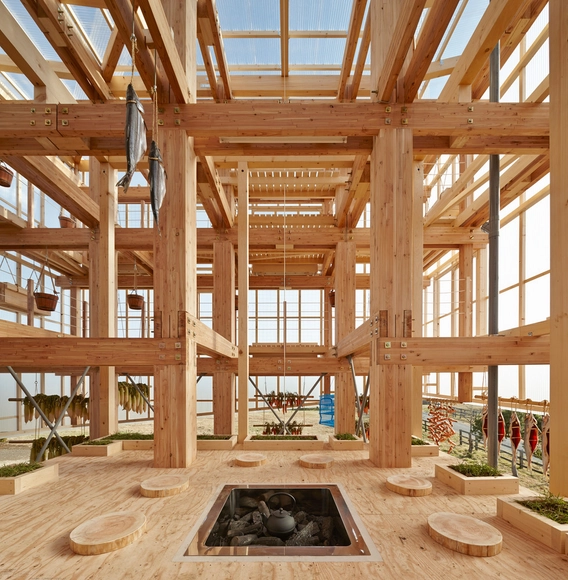
Nest We Grow / Kengo Kuma & Associates + College of Environmental Design UC Berkeley


https://www.archdaily.com/en/592660/nest-we-grow-college-of-environmental-design-uc-berkeley-kengo-kuma-and-associatesKaren Valenzuela
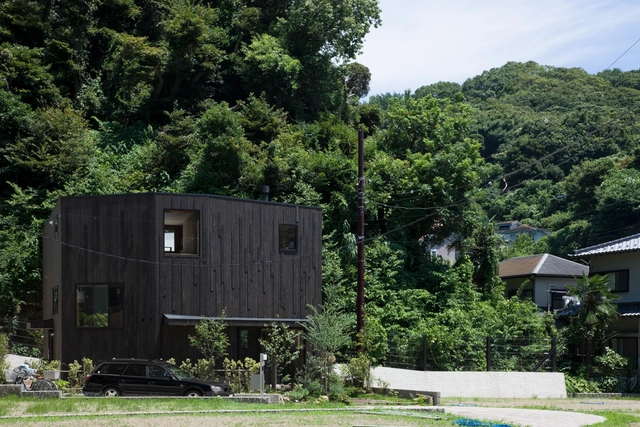
House in Hikone / Tato Architects


-
Architects: Tato Architects
- Area: 106 m²
-
Professionals: Amuza Koumuten, Takashi Manda Structural
https://www.archdaily.com/en/585426/house-in-hikone-tato-architectsKaren Valenzuela
ISANA / Niko Design Studio
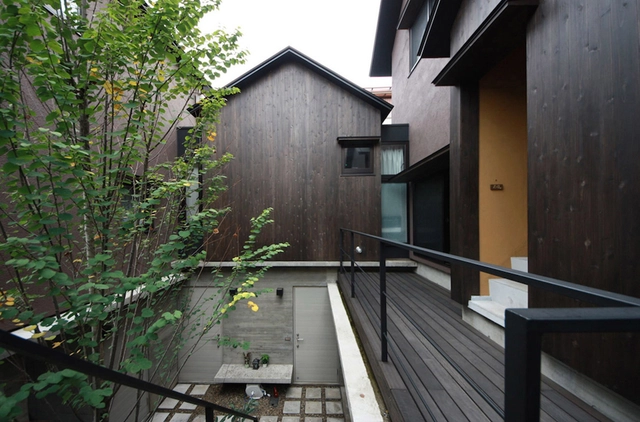


https://www.archdaily.com/en/575563/isana-niko-design-studioCristian Aguilar
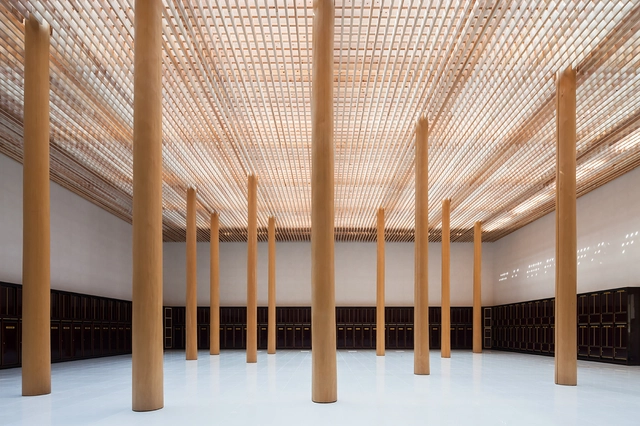
Myoenji Columbarium / Furumori Koichi architectural design studio


-
Architects: Furumori Koichi architectural design studio
- Area: 334 m²
- Year: 2014
https://www.archdaily.com/en/567879/myoenji-columbarium-furumori-koichi-architectural-design-studioKaren Valenzuela
a+u 529: Recent Projects
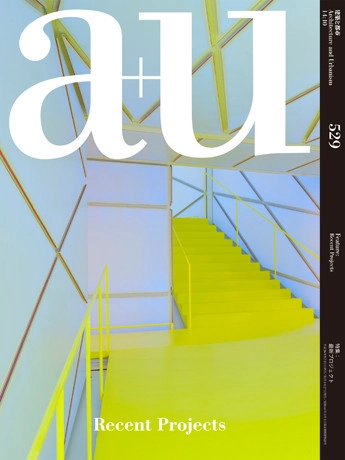
The October issue of a+u introduces 14 recent works from around the globe. In particular, the issue is focused on architecture that emerged from the relationship with the urban structures or the developmental history of the site. Over time, they influence and transform the surrounding environment. Architects employ diverse “tactics” in order to create such architecture: collaborating with the residents, relating to the neighboring buildings and open spaces, diversifying the building’s programs, and employing intricate construction details. In this issue, we focus our attention on the process of conceiving the projects driven by various tactics. We invite our readers to look beyond a single building and examine the works' possibilities to be used in a long span of time.
https://www.archdaily.com/en/551688/a-u-529-recent-projectsa+u
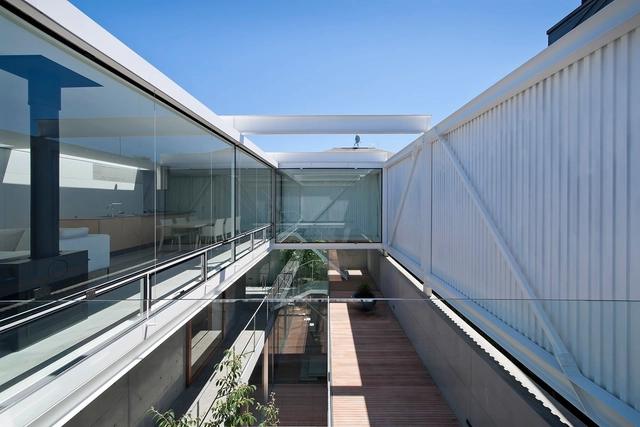
Patio / Yaita and Associates
.jpg?1406523629&format=webp&width=230&height=230&crop=true)
.jpg?1406523775&format=webp&width=230&height=230&crop=true)
.jpg?1406523753&format=webp&width=230&height=230&crop=true)
.jpg?1406523920&format=webp&width=230&height=230&crop=true)

-
Architects: Yaita and Associates
- Area: 227 m²
- Year: 2011
-
Professionals: Nichinan Iron Construction, Shimazu Design Office Ltd.
https://www.archdaily.com/en/531773/patio-yaita-and-associatesCristian Aguilar
House in Gokurakuji / Naoya Kawabe Architect & Associates


-
Architects: Naoya Kawabe Architect & Associates
- Area: 70 m²
- Year: 2013
https://www.archdaily.com/en/530048/house-in-gokurakuji-kawabe-naoya-architectsDaniel Sánchez
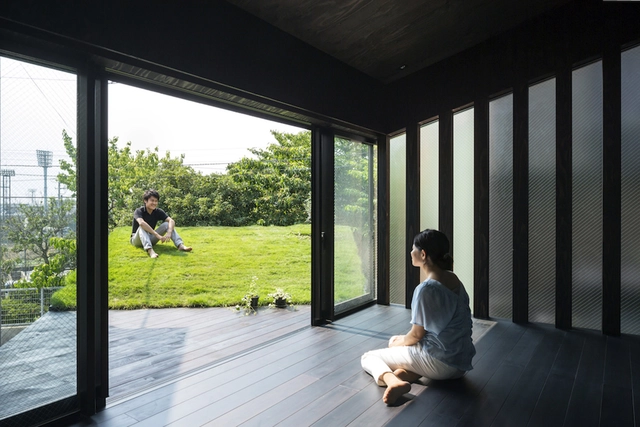
Grass Cave House / Makiko Tsukada Architects


-
Architects: Makiko Tsukada Architects
- Area: 97 m²
- Year: 2013
https://www.archdaily.com/en/508194/grass-cave-house-makiko-tsukada-architectsKaren Valenzuela
Tunnel House / Makiko Tsukada Architects


https://www.archdaily.com/en/495205/tunnel-house-makiko-tsukada-architectsKaren Valenzuela
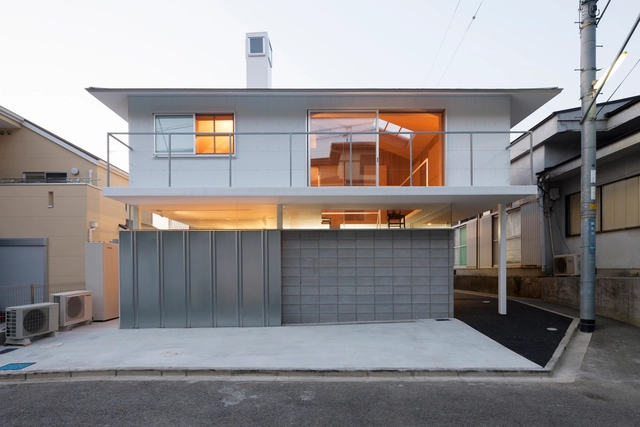
House in Kawanishi / Tato Architects


-
Architects: Tato Architects
- Area: 107 m²
- Year: 2013
-
Professionals: S3 Associates Inc.
https://www.archdaily.com/en/480419/house-in-kawanishi-tato-architectsKaren Valenzuela
House in Shichiku / Shimpei Oda Architect's Office
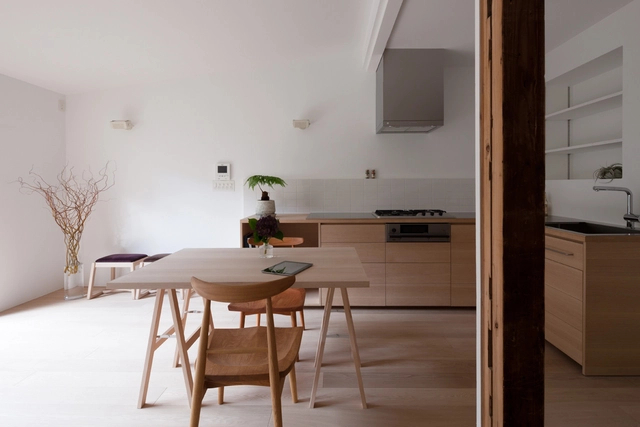


-
Architects: Shimpei Oda Architect's Office
- Area: 53 m²
- Year: 2013
https://www.archdaily.com/en/476951/house-in-shichiku-shimpei-oda-architect-s-officeDaniel Sánchez
House in Ishikiri / Tato Architects
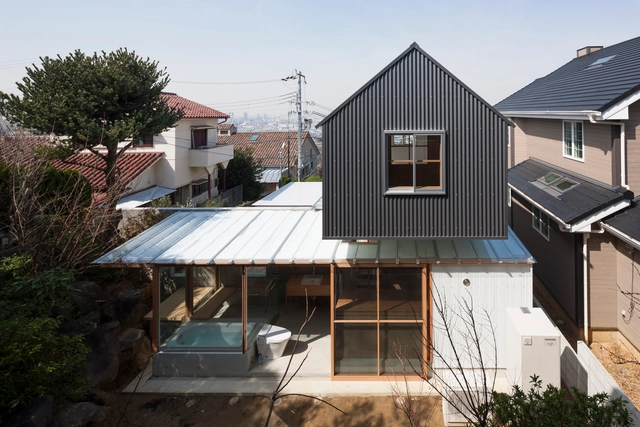


https://www.archdaily.com/en/443193/house-in-ishikiri-tato-architectsDaniel Sánchez
Architecture Classics: Hotakubo Housing / Riken Yamamoto
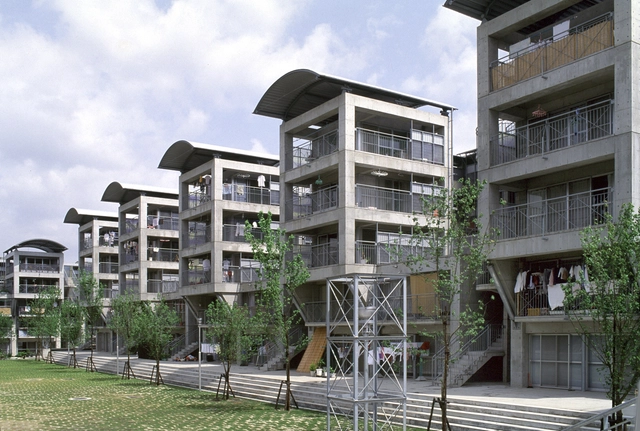
Text description provided by the architects. How might these units accommodating 110 entirely different families be conceived as a community? Riken Yamamoto gave that question a great deal of thought. The result was this arrangement of buildings organized around a central space. It was based on the idea of threshold. The open space in the center of the site cannot be accessed except through the units. The units serve as gates to the central open space.


https://www.archdaily.com/en/1014067/architecture-classics-hotakubo-housing-riken-yamamotoClara Ott