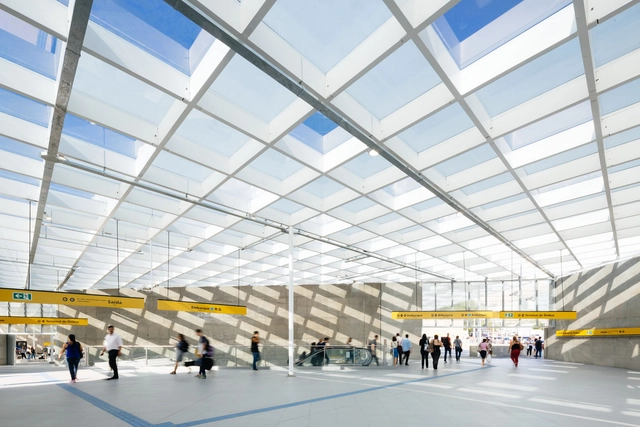
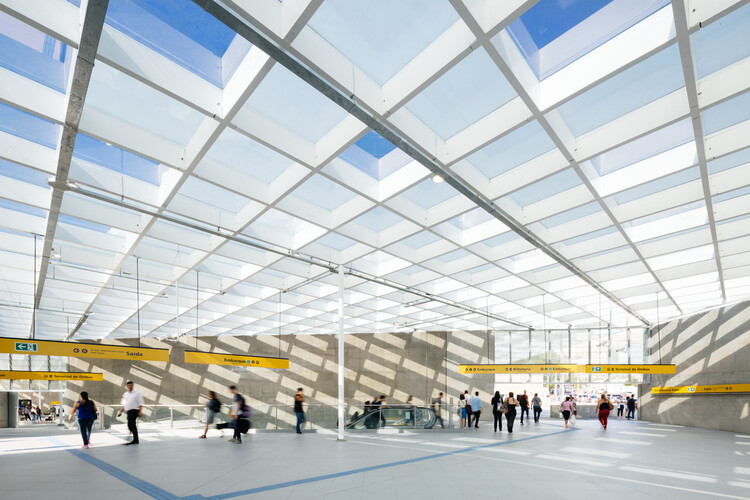
One of Paulo Mendes da Rocha's main design gestures in the Pinacoteca renovation project was to create a new longitudinal axis for circulation, moving its entrance to the south face of the building. Metallic walkways, which cross internal courtyards covered by skylights, enable new dynamics of circulation between the rooms, transforming a neoclassical building into a museum with a contemporary program.
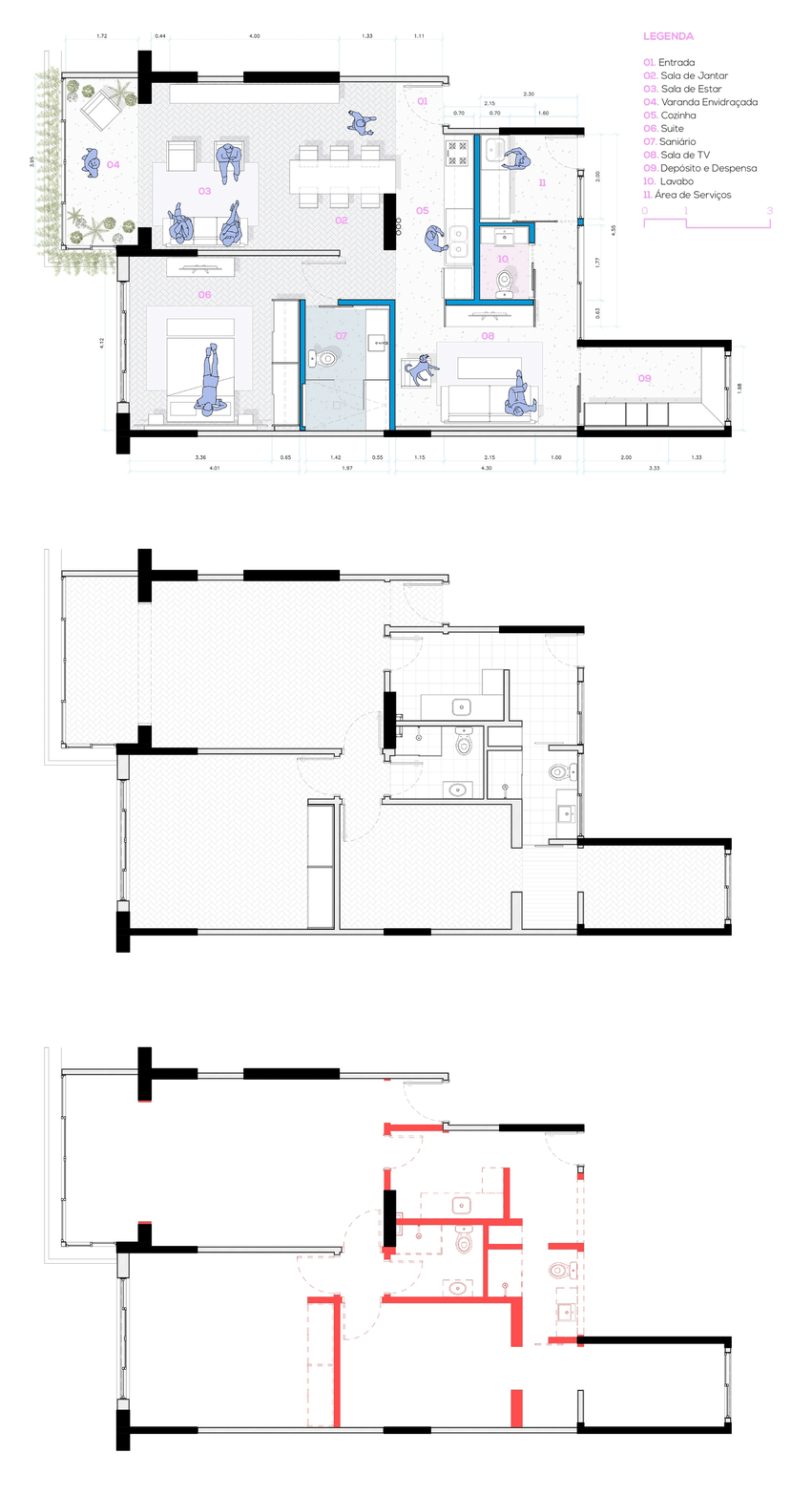
The ability to completely renovate a space by demolishing parts, making additions, altering functionality, and improving ambience is one of the most admired functions of the architect. In housing, this significance is even more apparent, since adapting housing to contemporary demands, through a well-thought-out plan, can drastically improve the quality of life of the occupants.
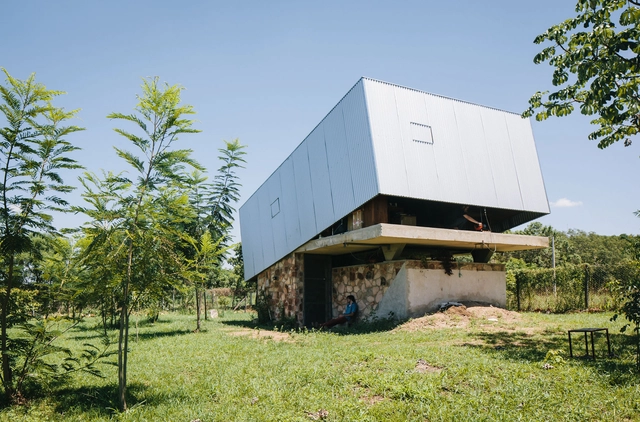
Through shapes, colors, and the elements on their facades, many architects have sought to bring a sense of movement to works that are otherwise physically static. Santiago Calatrava, Jean Nouvel, and Frank Gehry are only a few of the masters who managed to provide a dynamic effect to motionless structures, highlighting the work in context using formal strategies borrowed from the plastic arts. In other cases, however, architects have also opted for physically kinetic structures that could bring a unique aesthetic or functional dimension to the work.
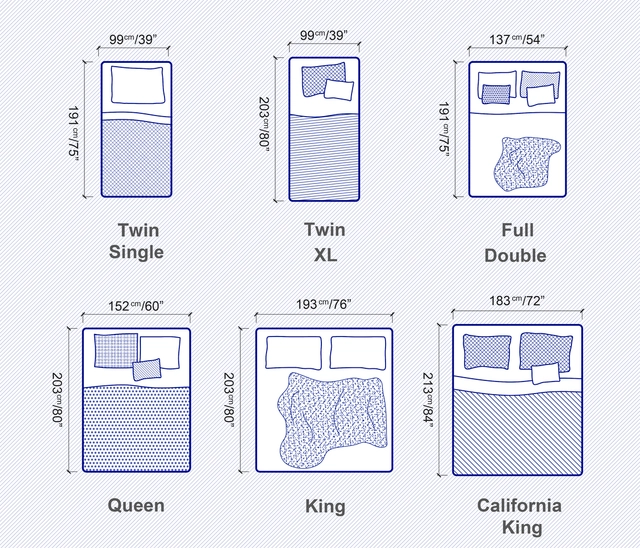
From an early age, we often hear phrases like “you must sleep a minimum of 8 hours a day.” It’s common knowledge that this brings invaluable health benefits, from reducing stress levels and keeping the immune system strong, to improving concentration, memory and decision-making skills. To guarantee a good night’s rest, having a comfortable bed that suits users’ needs is pivotal, especially considering that humans spend one-third of their entire life sleeping. Thus, when architects, designers and homeowners are faced with different bed options available in the market, the decision must be carefully thought-out and take a number of factors into account, whether related to aesthetics or functionality. But before any stylistic or material decision is made, it is crucial to start with the basics: defining the size of the mattress.
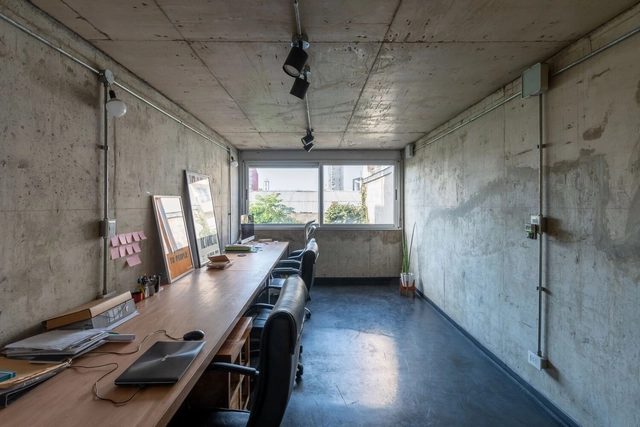
Pipes, wiring and ducts of different materials in walls, ceilings and roofs make up all the spaces we walk through and inhabit. They represent the set of networks and equipment necessary for the development of life in our buildings, providing services such as water, electricity or gas, among many others. According to the regulations in each country and the use defined in each space, the installations can be left visible, giving a certain character and aesthetic to interior spaces.
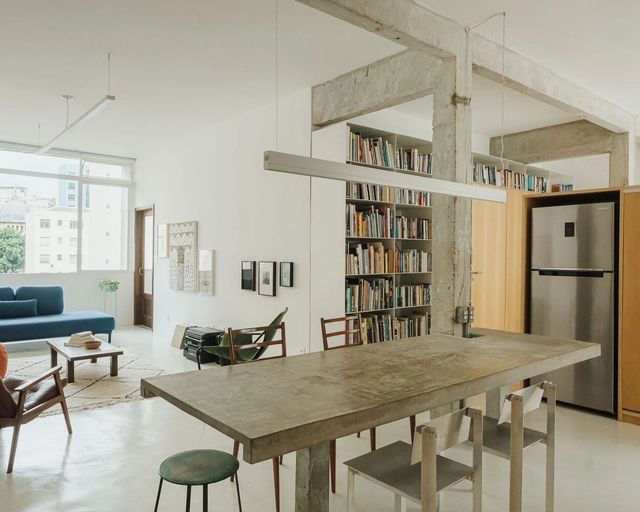
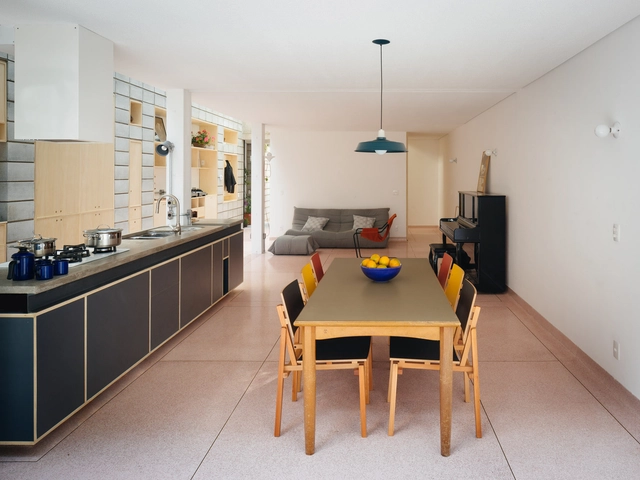
The word commensality refers to the act of eating together, sharing a meal. Much more than a mere function of essential human need, sitting at the table is a practice of communion and exchange. An article by Cody C. Delistraty compiles some studies on the importance of eating together: students who don't eat regularly with their parents miss school more; children who do not have daily dinner with their family tend to be more obese and young people in families without this tradition can have more problems with drugs and alcohol, in addition to poorer academic performance. Evidently, all these issues raised are complex and should not be reduced to just one factor. But having a suitable place to have meals, free from distractions, is a good starting point for at least one moment a day that is focused on conversation and food. This is where dinner tables come in. In this article, we review some projects to classify the most common ways to deploy these important pieces of furniture.
Manufacturers: Alex Alves Gabriel, Art Final, CHX Arquitetos, Casa dos Portões, Deca, +7Jmar, Marcenaria Santana Dourado, Metalgrade, Proveraço, Scala Técnica, Serginho Carpintaria São Carlos, Tramontina-7