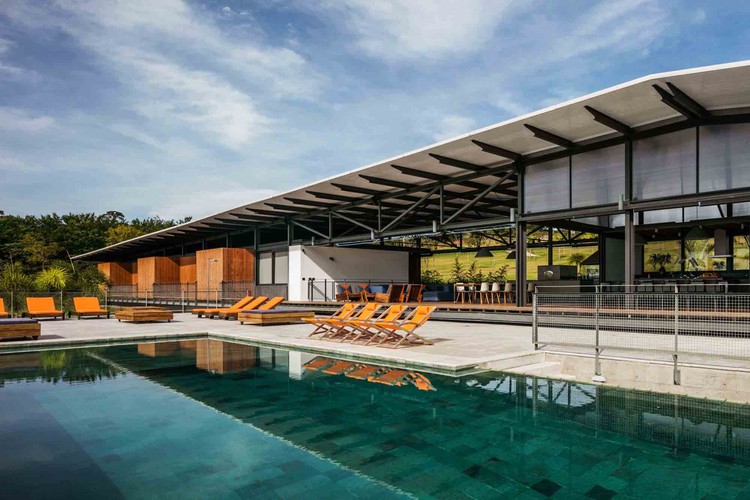
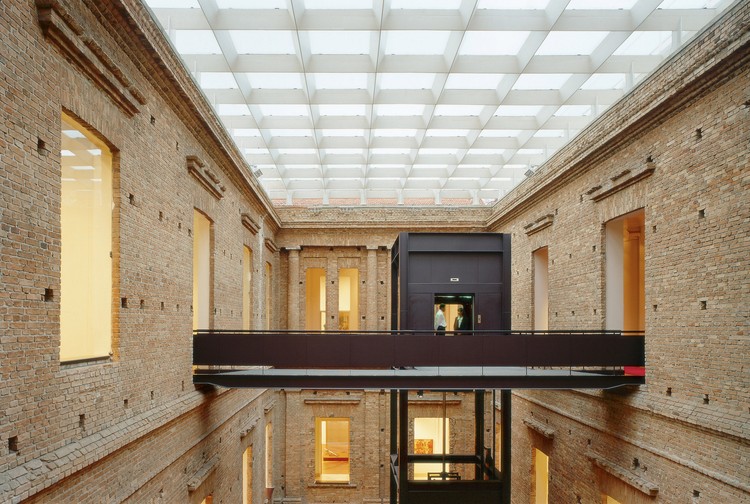
There is nothing more rational than taking advantage of natural lighting as a guarantee to improve the spatial quality of buildings, as well as saving energy. The awareness of the finitude of natural resources and the demands for reducing energy consumption has increasingly diminished the prominence of artificial lighting systems, forcing architects to seek more efficient design solutions. With this goal in mind, different operations have been adopted to capture natural light.
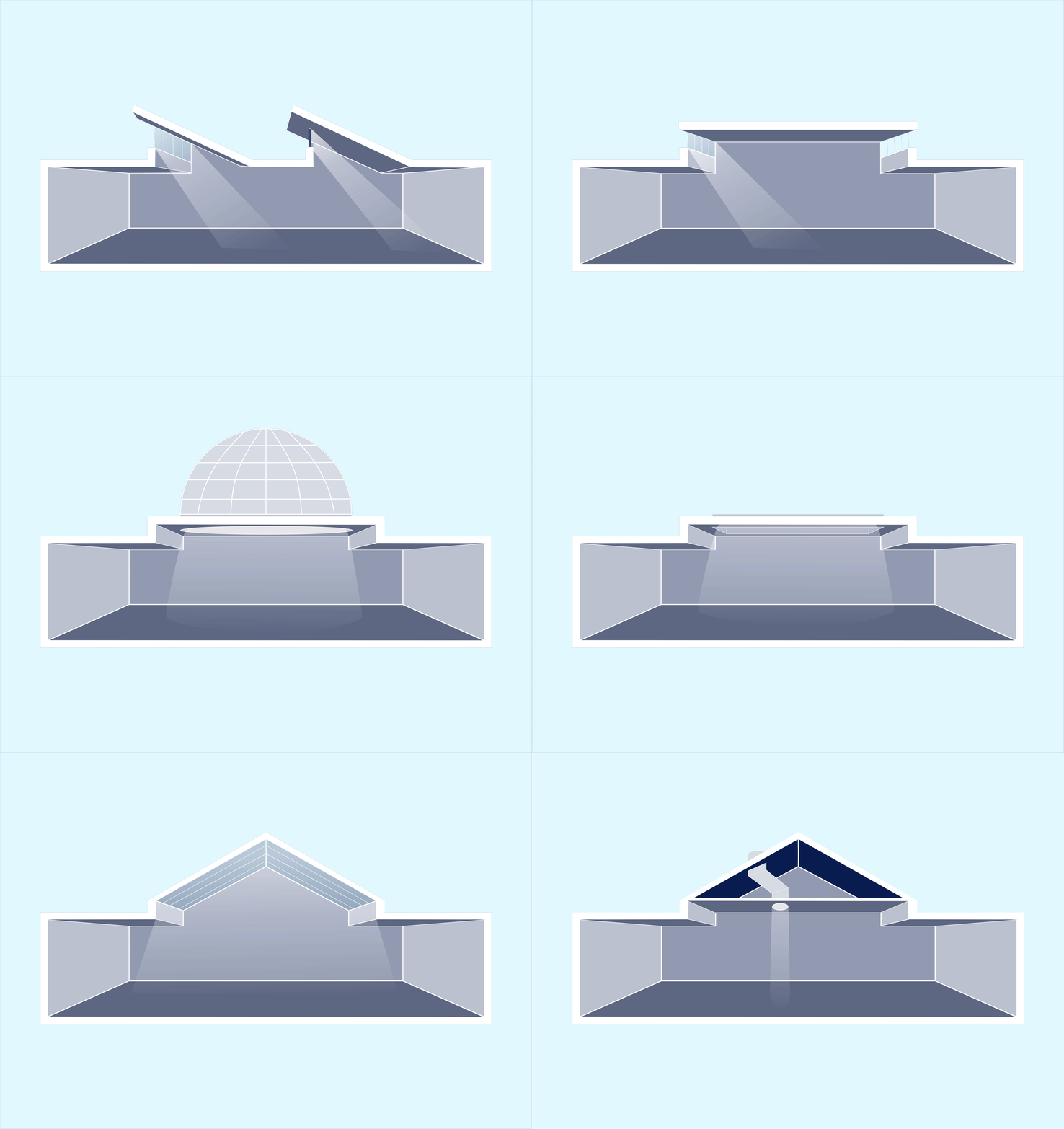
These systems can also guarantee excellent spatial properties if projected correctly. Below we have gathered five essential systems for zenithal lighting.
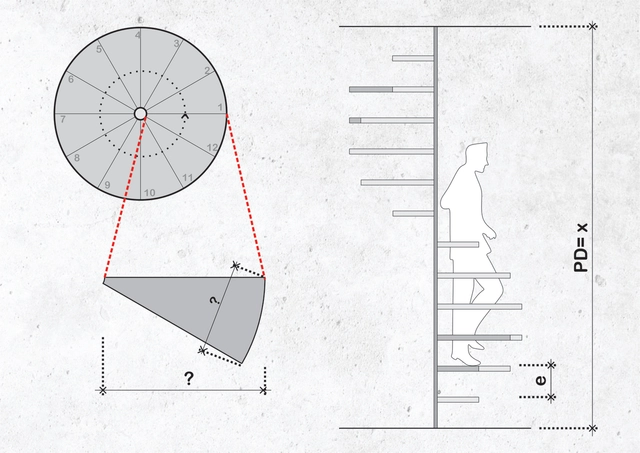
Spiral staircases save valuable square meters because they occupy a much smaller area than a conventional staircase. With daring shapes and diverse configurations, they can also be iconic objects in projects. However, the design of these staircases requires careful attention so that you can prevent an uncomfortable or dangerous outcome. Although BIM software simplifies this process, it's always important to understand the restrictions and the underlying concepts.
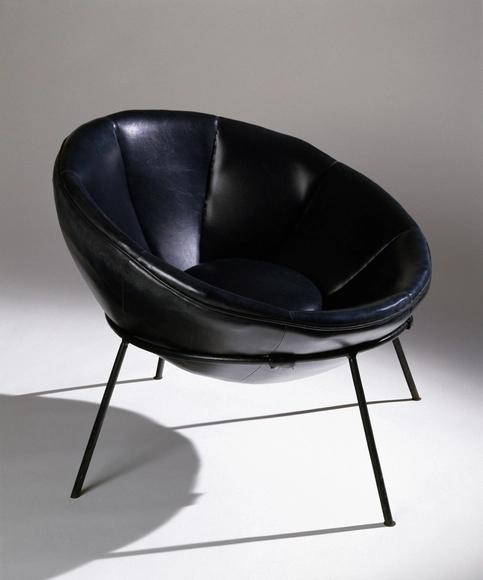
For some practitioners of architecture, the insatiable desire to draw everything, from the largest to the smallest to take full control of the project, echoes the famous phrase uttered by Mies Van Der Rohe: "God is in the details." Similarly, designing furniture provides another creative outlet for in-depth exploration of human-scale works of architecture.
Throughout the history of the Brazilian Architecture, and especially since the modernist movement, architects not only became known for their building designs, but also for their detailed chairs and tables. Several of these pieces of furniture were initially designed for a specific project and then went into mass production due to their popularity.









.jpg?1514062956&format=webp&width=230&height=230&crop=true)
.jpg?1514062418&format=webp&width=230&height=230&crop=true)
.jpg?1514062055&format=webp&width=230&height=230&crop=true)
.jpg?1514062695&format=webp&width=230&height=230&crop=true)


.jpg?1505884320&format=webp&width=230&height=230&crop=true)
.jpg?1505884771&format=webp&width=230&height=230&crop=true)
.jpg?1505884660&format=webp&width=230&height=230&crop=true)
.jpg?1505884650&format=webp&width=230&height=230&crop=true)