

-
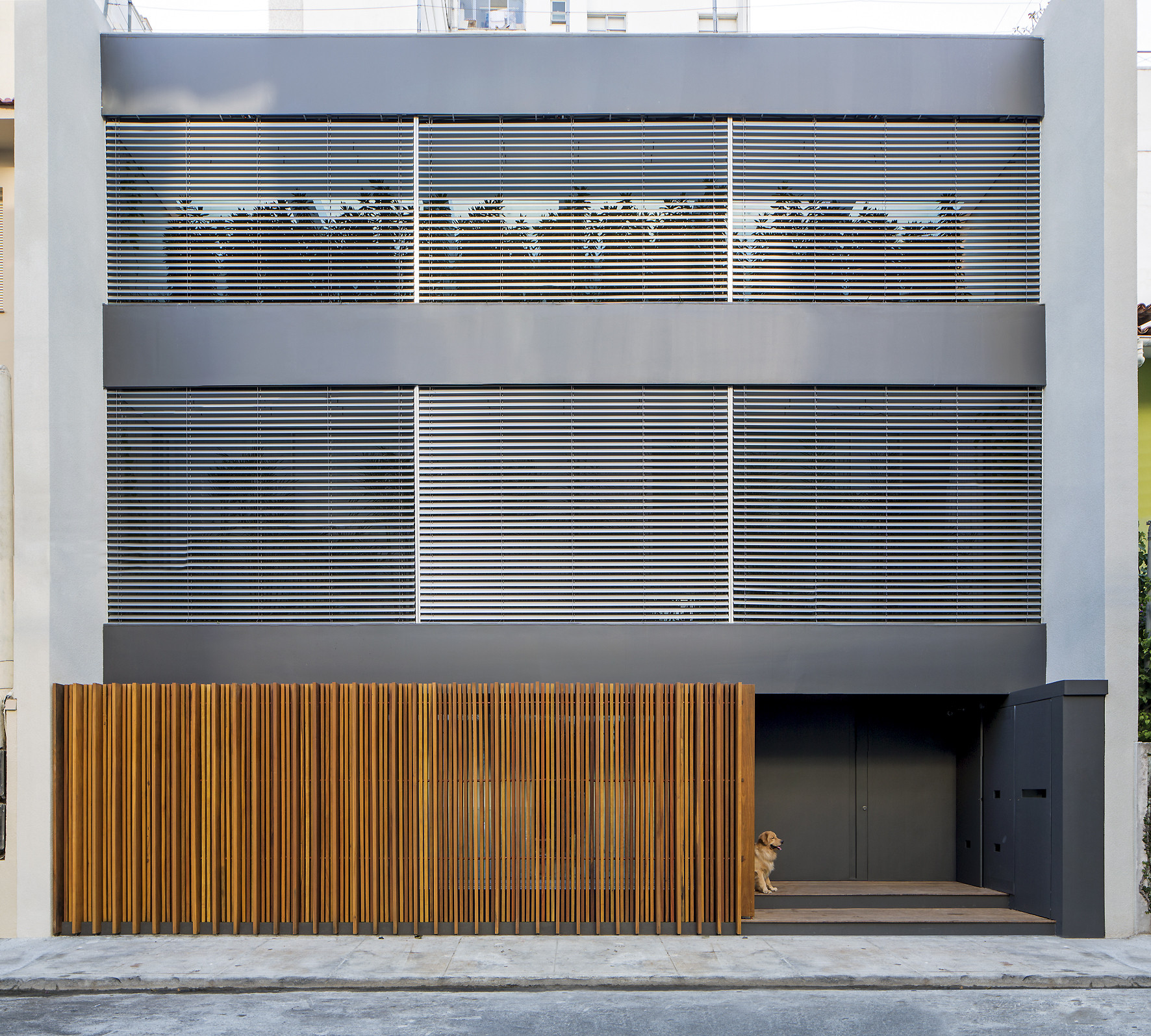
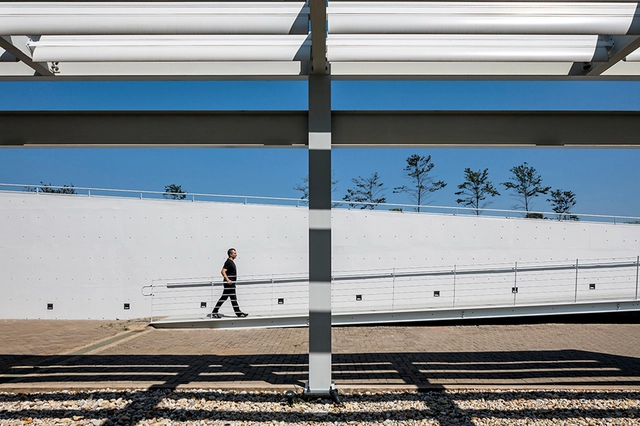
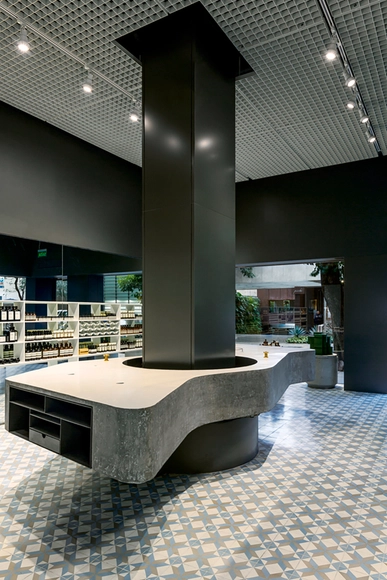
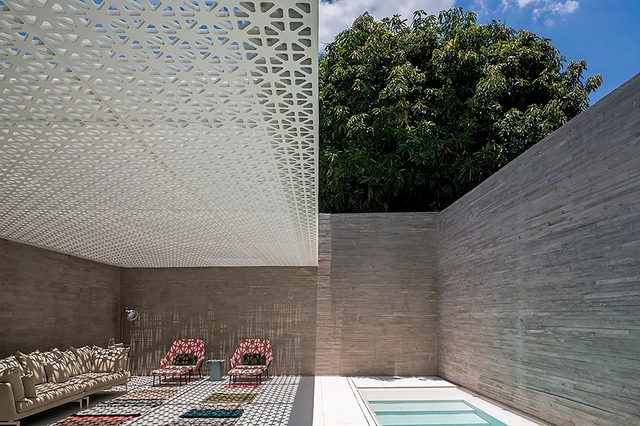
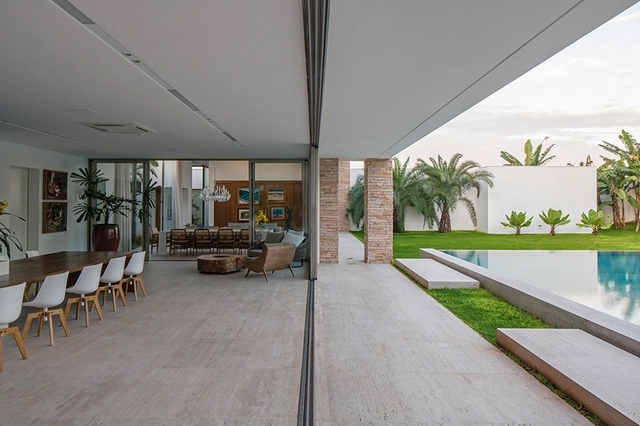
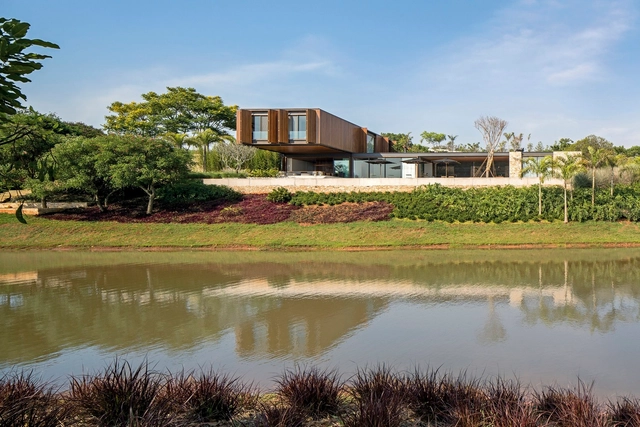
Architects: Vigliecca & Associados
- Area: 3593 m²
- Year: 2015




.jpg?1437726842&format=webp&width=640&height=580)


.jpg?1427656107&format=webp&width=640&height=580)
.jpg?1431350402&format=webp&width=640&height=580)
Founded nearly 50 years ago in Rome, it is difficult to pin down an overarching theme in the work of Studio Fuksas: their designs have been built in North America, Asia and across Europe (with another design planned for Australia); they regularly operate at varying scales, from a colossal trade fair center and an international airport down to a small parish church; and their buildings all demonstrate huge stylistic variety. In this interview from Indian Architect and Builder's April 2015 issue, Massimiliano and Doriana Fuksas discuss the process behind their work, and the role of variation, context and concept in their designs.
Indian Architect & Builder: Did you always want to be an architect? Can you share with us your journey while discovering your commitment towards this field?
Massimiliano Fuksas: No, I never thought I’d want to be an architect. My early aspirations were to become a poet. The beauty of language, various forms of expression and prose always intrigued me. This ambition then evolved in to the desire of being an artist. Architecture was really my last choice. The thought of being an architect occurred to me only when I was around twenty. I was in university when I realized that architecture is probably the easiest and simplest interpretation of art and culture. As I continued my journey in the University of Rome, I began to develop a passion for this multifaceted field of knowledge. It was in my third year of university when I found my fervor for architecture and saw myself as an individual in the practice of architecture; a field that in one or more ways satisfied my earlier ambitions of being a poet and an artist.

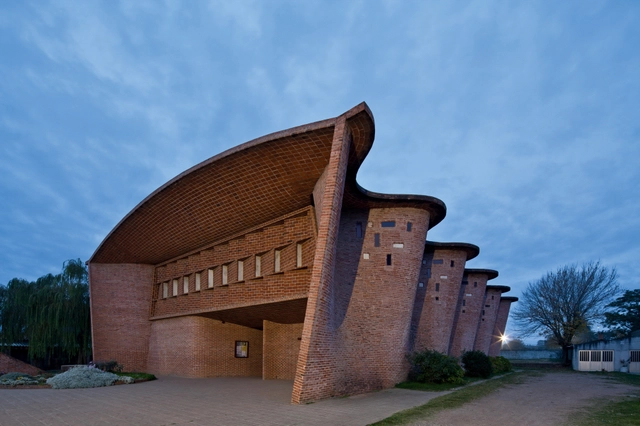
On display until July 19th, MoMA's exhibition "Latin America in Construction: Architecture 1955-1980" is an attempt to bring the architecture of this global region, and this time period, to a greater audience after decades of neglect by the architectural establishment. Curated by Barry Bergdoll, the exhibition effectively follows on from MoMA's last engagement with the topic of Latin American architecture, way back in 1955 with Henry-Russell Hitchcock's exhibition "Latin American Architecture Since 1945." In an intriguing interview, Bergdoll sits down with Metropolis Magazine to talk about why he is revisiting the topic after so many years (or, indeed, why MoMA took so long to do so), and explains his ambitions to elevate the featured works and to frame Latin America itself as "not simply as a place where the pupils of Le Corbusier went to build, but a place of origins of ideas." Read the full interview here.








.jpg?1437726842)


.jpg?1428428621&format=webp&width=230&height=230&crop=true)
.jpg?1428428476&format=webp&width=230&height=230&crop=true)
.jpg?1428428904&format=webp&width=230&height=230&crop=true)

.jpg?1427655847&format=webp&width=230&height=230&crop=true)
.jpg?1427656082&format=webp&width=230&height=230&crop=true)

.jpg?1427655976&format=webp&width=230&height=230&crop=true)
.jpg?1427656107)


.jpg?1431350402)