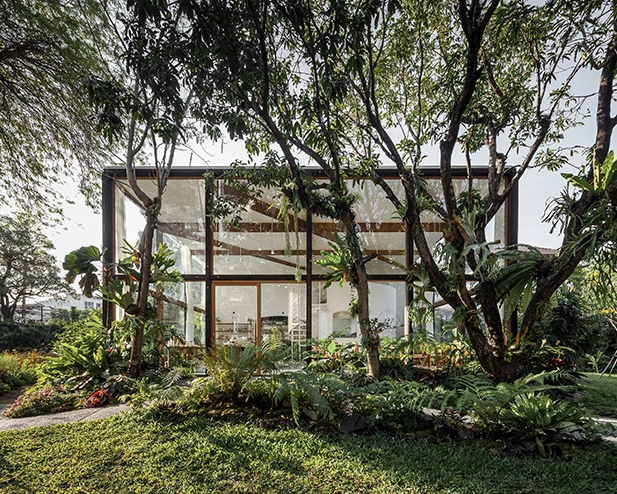


-
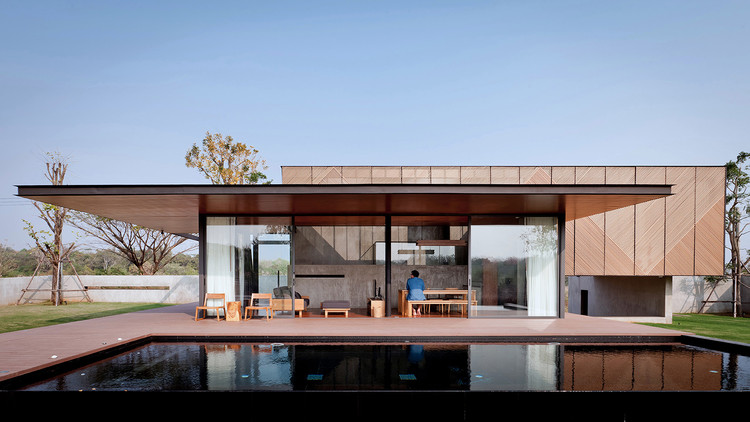
Architects: NITAPROW
- Area: 110 m²
- Year: 2016
-
Manufacturers: Chuda Intertrade, Corner 43 Decor, Siammaithaidecor and Son
-
Professionals: S.K.F. Construction Ltd., Part.


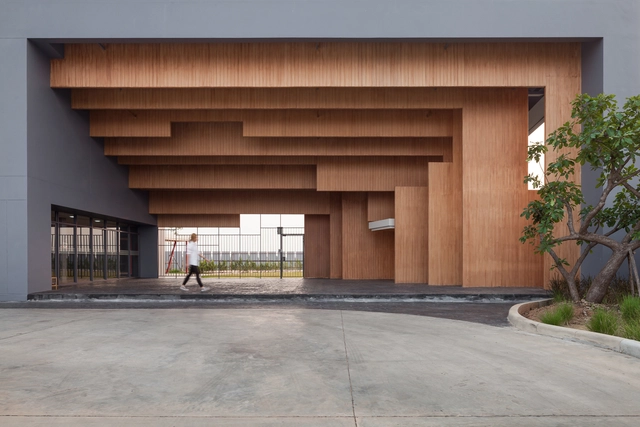
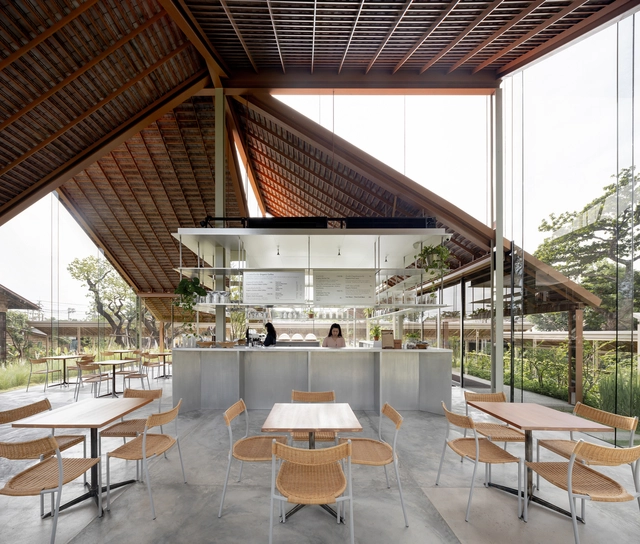
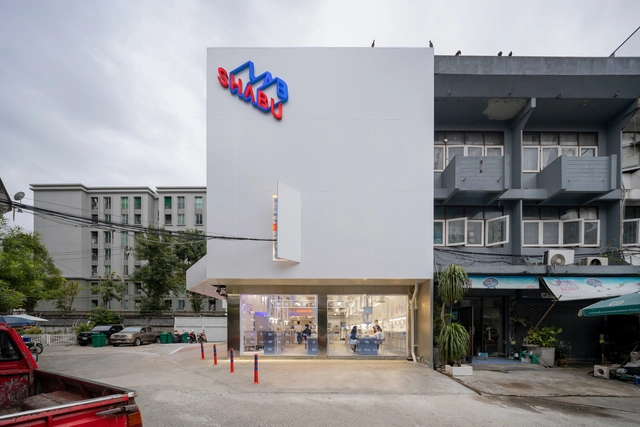
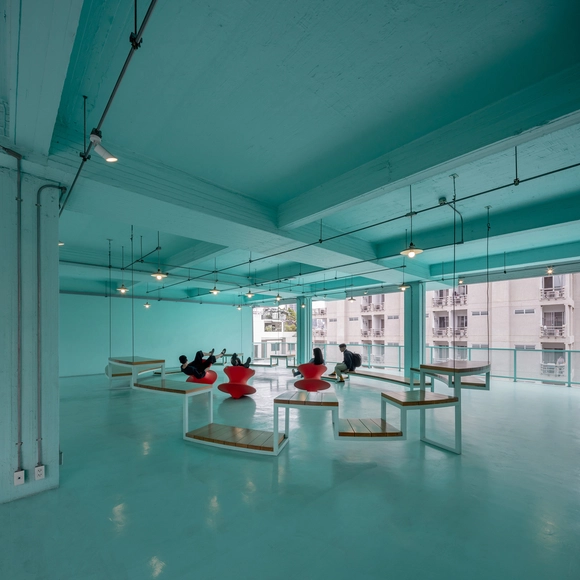
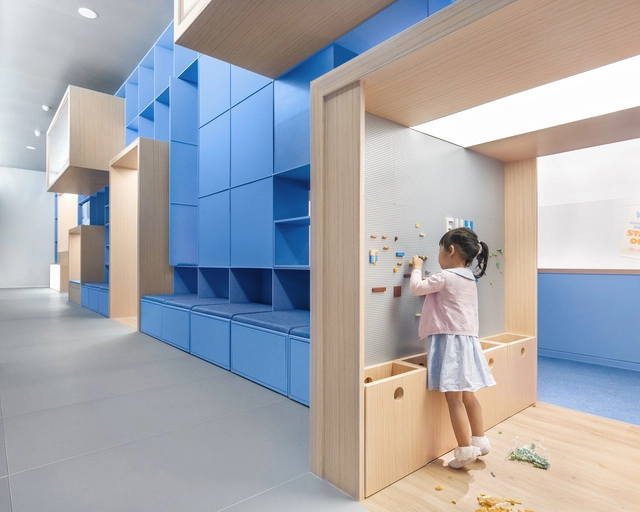
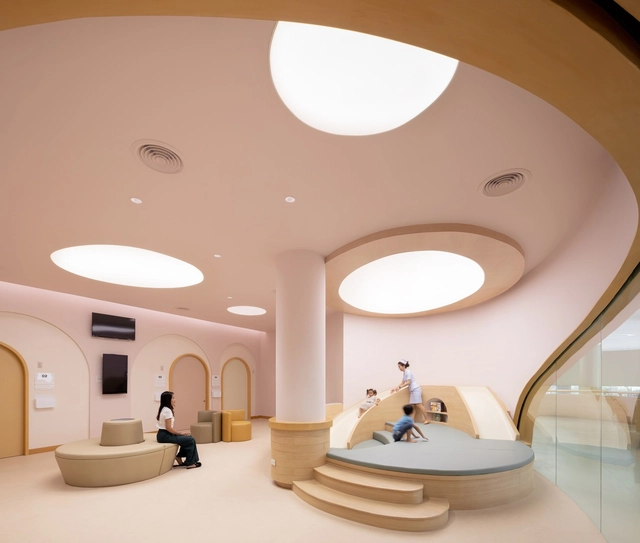
It is unquestionable that environments directly influence the behavior and emotions of their users. Human beings spend approximately 90% of their lives indoors, making it imperative that the spaces we inhabit stimulate positive behavior and emotions, or at least don't influence us negatively. There exists a specific term describing the stimuli that the brain receives from its environment: neuroarchitecture. Several studies have been published on this topic, most focusing on its impact on work environments. This article approaches this concept through a different, yet essential lens: emphasizing its importance in the design of spaces for children in early childhood.
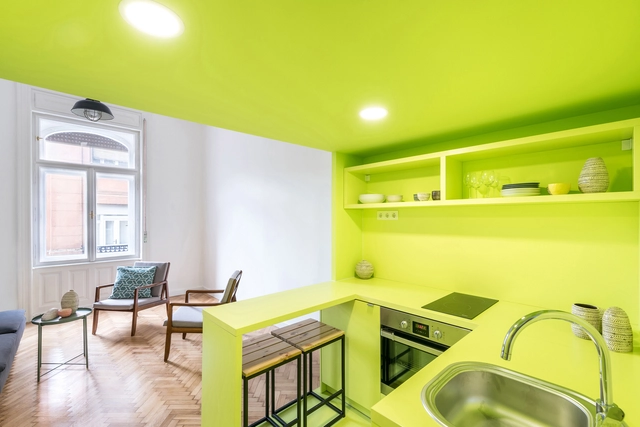
A monochrome environment is a space in which most architectural elements are of a single color. Although it is common for architects to design black or white monochromatic spaces due to its neutrality, it is possible to use almost any color to design a space, taking advantage of their infinite tones, undertones, and shades.
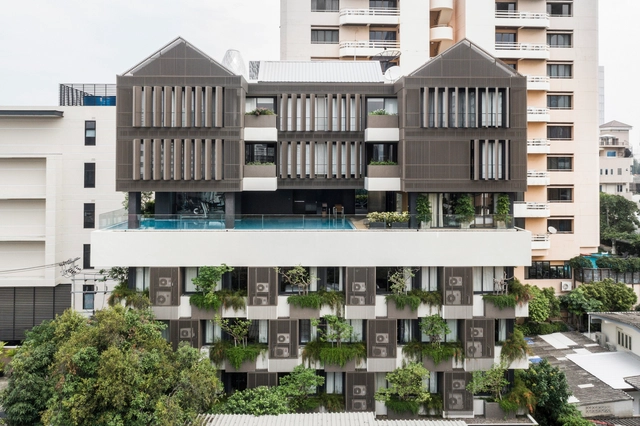
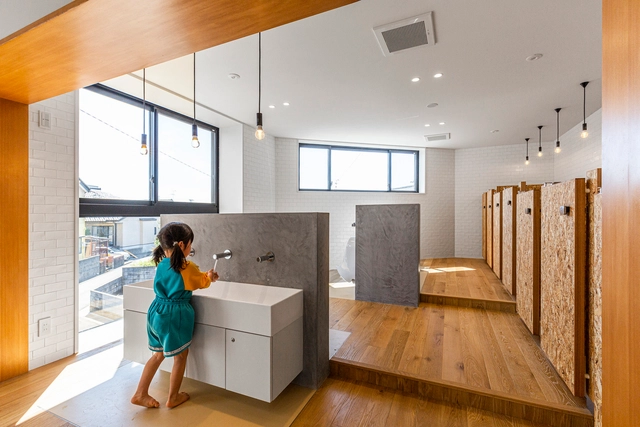
We often use the term accessibility when designing spaces for the elderly or for people with special needs. However, to guarantee effective universal design for children, it is necessary to understand and cater to their specific needs as well, especially through ergonomics, safety, lighting, colors, and some particular accessories. In this article, we will cover the most important parameters to consider when choosing dimensions and materials in public bathrooms for young children.
.jpg?1578067578&format=webp&width=640&height=580)
Pantone Color Institute™ has announced the color that would set the trends of 2020: a tone that "inspires calm, confidence and connection" in a process of transition to a new era. The PANTONE 19-4052 Classic Blue Color, which was described as "timeless and durable," is reminiscent of the sunset sky and "helps focus thoughts."

With a mission to provide tools and inspiration to improve the quality of life in our built environment, ArchDaily curators constantly track and share with our audience the best "built projects" in the world. In order to celebrate these achievements and thank our readers for actively participating in our community, we selected the 50 best architectural works published during 2019.

Countries that are part of the so-called “global south” have undergone many transformations in their cities and urban contexts in recent years due to the economic and social challenges they face. Urban growth, sustainable development, quality of life and health in emerging cities, and the development of their own cultural identity have been some of the issues that local architecture had to incorporate.
Young architects have understood the importance of making an architecture that is deeply rooted in their own territory while giving this architecture a clear local identity. By generating new typologies and using their own resources and materials, they have presented innovative, site-specific, and, above all, solutions with a new fresh focus towards what represents them as creators of this architecture.


.jpg?1591644193&format=webp&width=230&height=230&crop=true)


.jpg?1587943096&format=webp&width=230&height=230&crop=true)






.jpg?1578067578)


