

-
Architects: Gabriel Montañés Arquitecto
- Area: 617 m²
- Year: 2017
-
Manufacturers: Dornbracht, GRAPHISOFT, DuPont, -, Francisco Gomila, +9



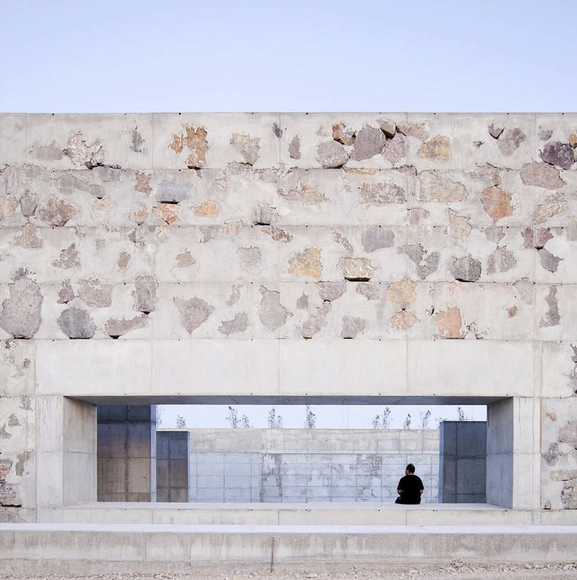
Historically, "cyclopean" referred to a building technique that superimposed large stone blocks together without any mortar. This allowed for a diverse array of structures across various civilizations, including defensive walls, talayots, navetas, nuraghes, temples, tombs, and forts. Nowadays, the term applies to any ancient structure consisting of large stones superimposed to form a polygonal shape.

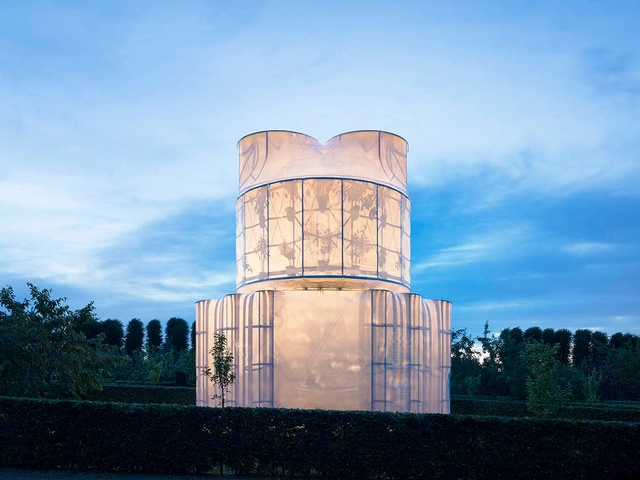
Whether made from natural or synthetic fibers, textiles have played a part in architectural design since time immemorial; however, it wasn't until the era of industrialization and advancements in technology that high-quality textiles could be made and utilized en masse. Most often, they have been used to enclose temporary structures like medical tents and emergency housing thanks to their mobility and ease of assembly.
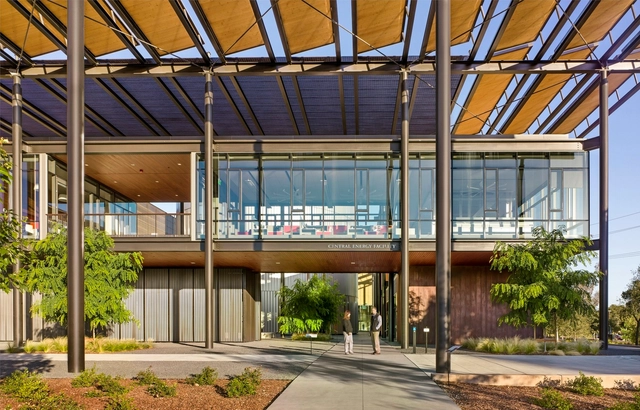
Solar design in contemporary architecture is rooted in the profession's sustainable turn. The relationship between architecture and energy is tied to both passive strategies and performance via more recent innovations in technology. As one way to begin addressing the global climate crisis and greenhouse gas emissions, solar design is reshaping cities and architecture around the world.
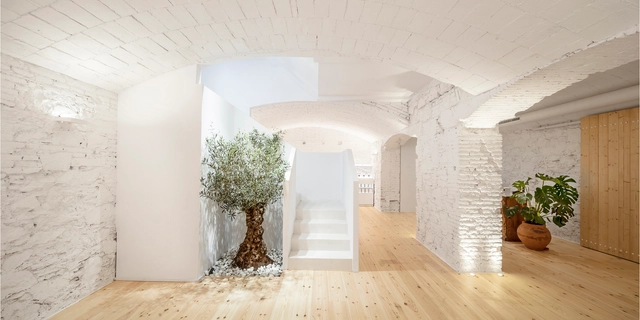
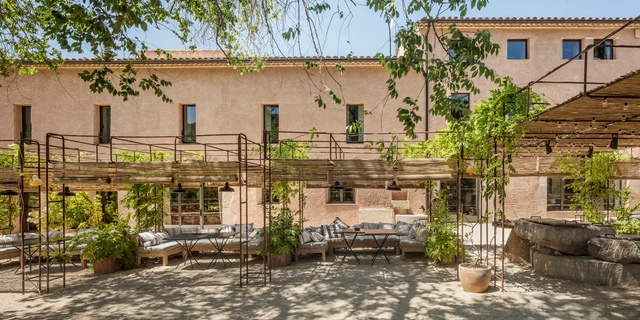

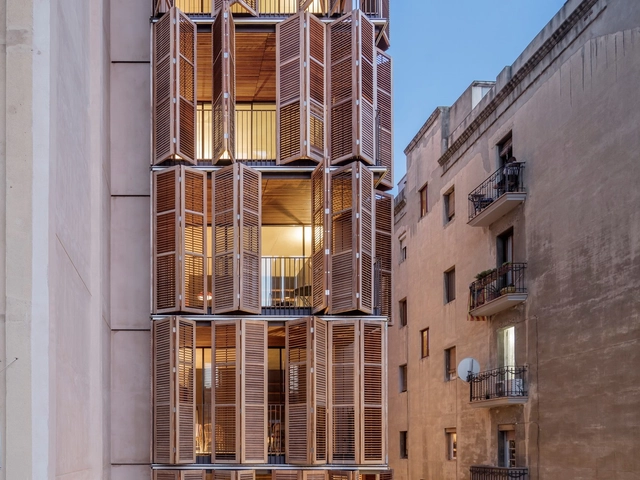
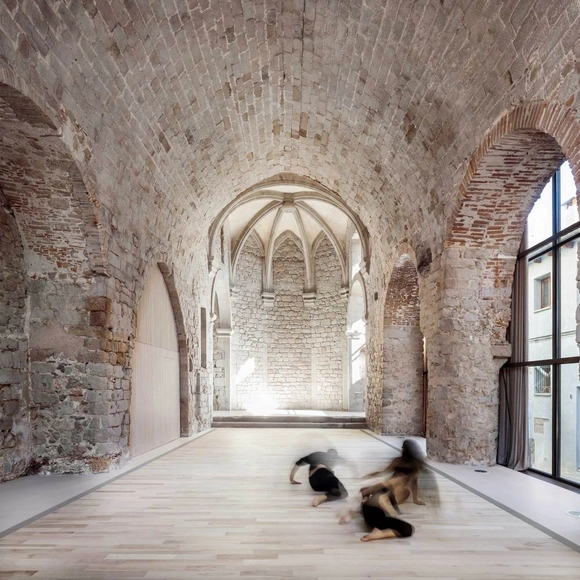


The progressive departure of factories from cities, often due to environmental regulations, noise ordinances, or the price of real estate, has left many urban manufacturing facilities abandoned and out of use. As these urban factories are left empty, many adventurous developers are taking advantage of the plentiful space, light, and flexible functions that they offer, leading to a residential revitalization in many of the world's defunct manufacturing facilities.
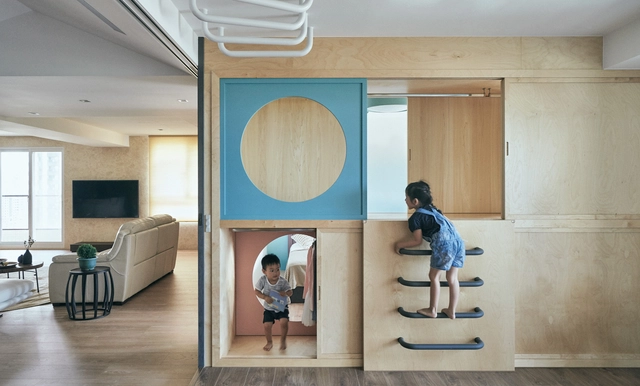
Maria Montessori began to develop her educational method at the beginning of the 20th century. In general terms, the method is a scientific pedagogy that promotes an education that positively contributes to the development of children's brains, respecting their individuality and stimulating their autonomy, self-esteem, and self-confidence.
Although the method was created in the last century, science is currently beginning to test much of the information investigated by Maria Montessori. For this reason, it is increasingly being applied to architecture for children’s educational spaces, improving the quality of children's learning and development and providing them with better tools for their future lives.
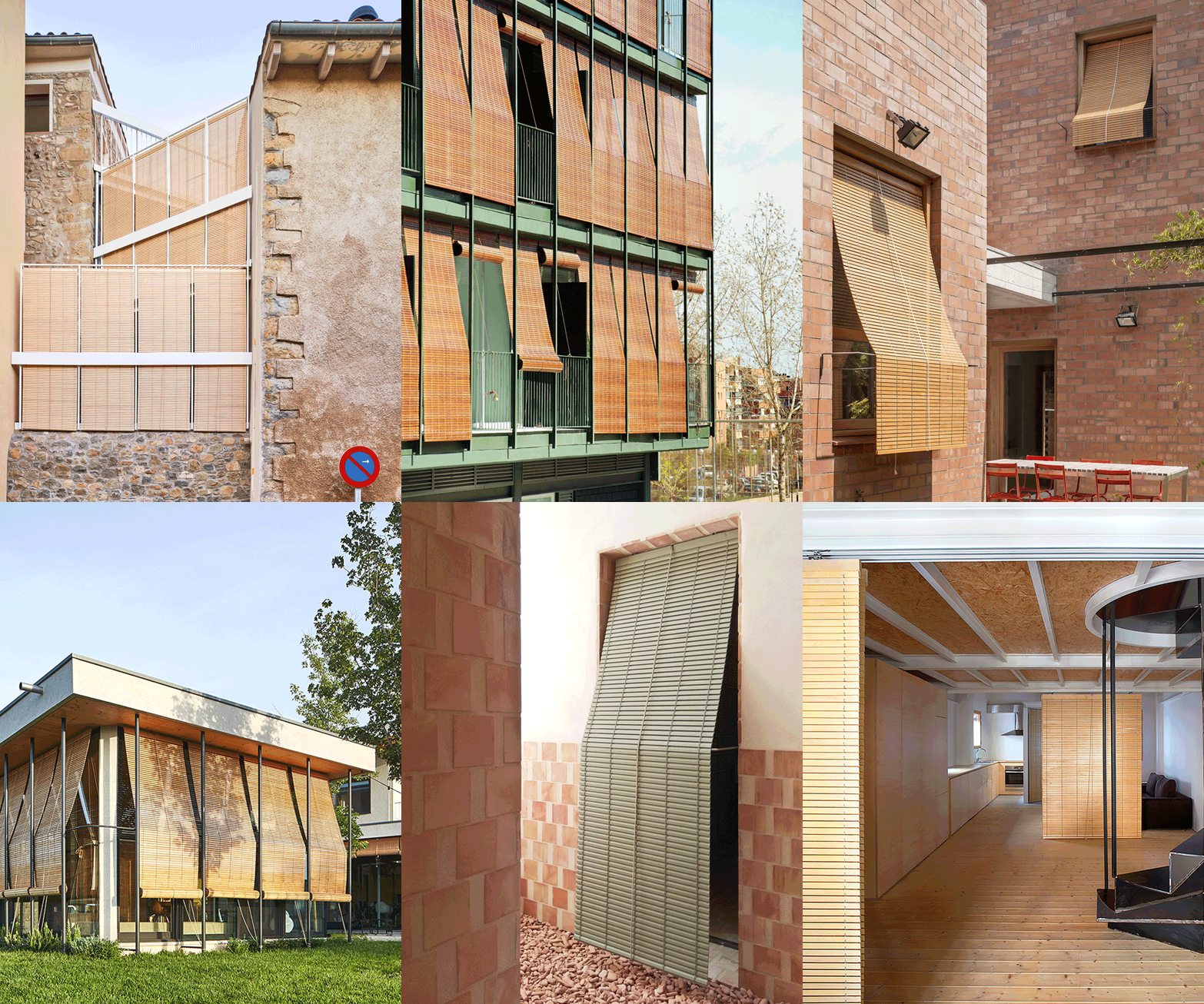
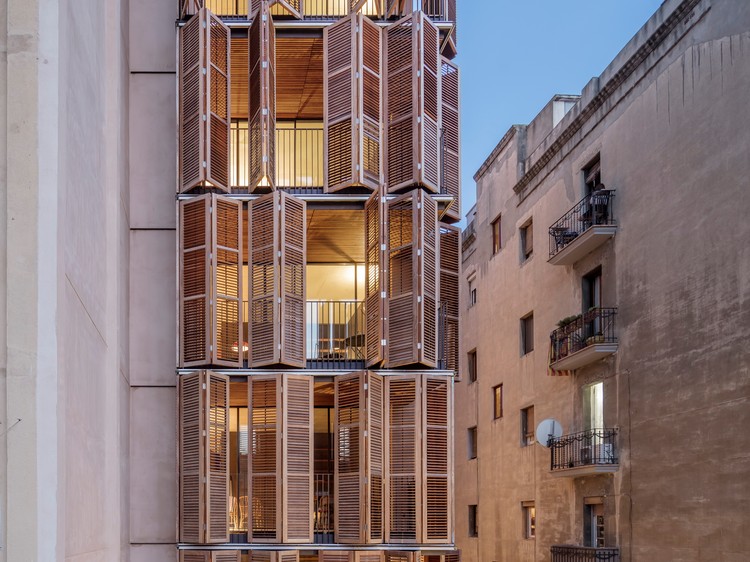
Throughout history, sunshades--light-weight screens typically made of interwoven wooden reeds--have been the go-to method of sun protection and temperature control for dwellings across civilizations, especially those located in tropical and Mediterranean climates. While offering protection from the sun's heat and rays, sunshades also allow air to permeate, making them an effective and economical cooling system for interior spaces.
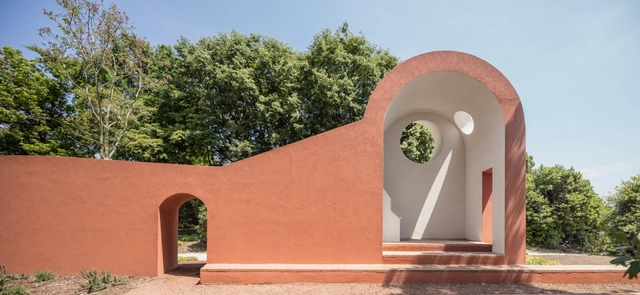
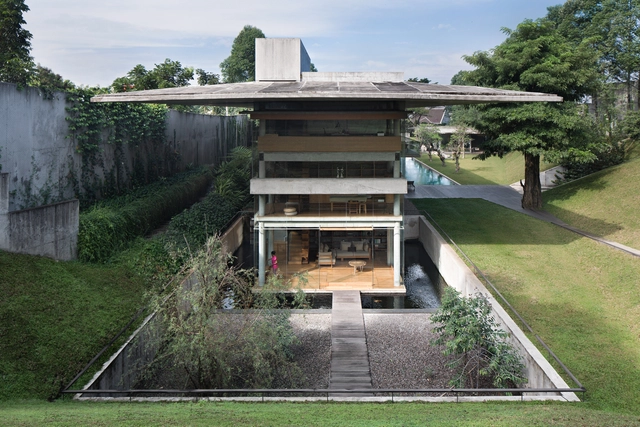
On behalf of the entire ArchDaily team, we would like to thank you for your continued support and for making 2020 our best year so far! We are now reaching more architects around the world and inspiring them in the creation of better built environments. With more than 5500 different projects published during the year, our curators are excited to share this collection of the 100 most visited projects of 2020. This selection represents the best content created and shared by the ArchDaily community over the past 11 months.


.jpg?1615413079&format=webp&width=640&height=580)
.jpg?1615413144&format=webp&width=230&height=230&crop=true)
.jpg?1615413257&format=webp&width=230&height=230&crop=true)
.jpg?1615413441&format=webp&width=230&height=230&crop=true)
.jpg?1615412951&format=webp&width=230&height=230&crop=true)
.jpg?1615413079)