

-
Architects: GCA Architects
- Area: 269108 ft²
- Year: 2022
-
Manufacturers: Santa & Cole, Alessi, Bulthaup, Carl Hansen, Cortizo, +11


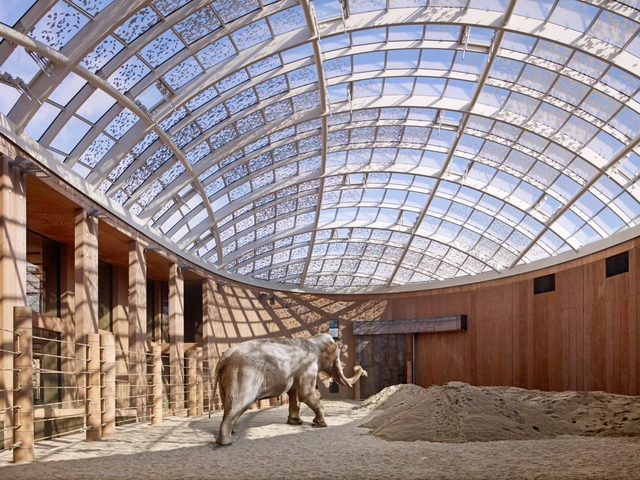
Architecture is created for people, but how do we design beyond the human scale? With a renewed interest in biodiversity and animal habitats accelerated by the climate crisis, there is also the question of shelter and what it means to design spaces for interaction and rehabilitation. As architects look beyond structures for people, they are turning their attention to different kinds of enclosures and open spaces that rethink engagement with animals and their wellbeing.
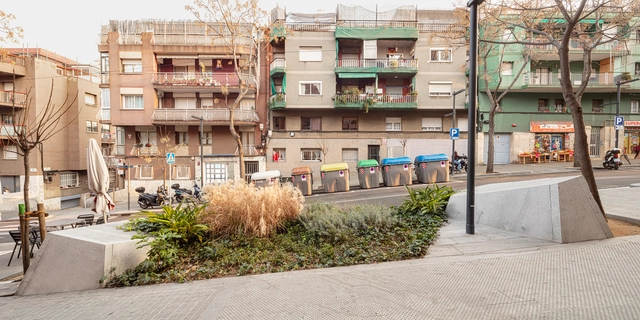
Social responsibility and the desire to improve society has long been influenced by the built environment. Looking at city centers, architecture has contributed to the improvement of the urban fabric, whether it being through planning and zoning strategies, integration of public spaces, or small interventions. In some cases however, these interventions are in fact used as tools to keep the homeless off the streets, disguised as art or conceptual designs. Several public urban policies have all implicitly prohibited the homeless and other marginalized social groups from city centers, claiming that their presence and “irregular” use of public space could compromise the reputation, security, and desirability of the city.

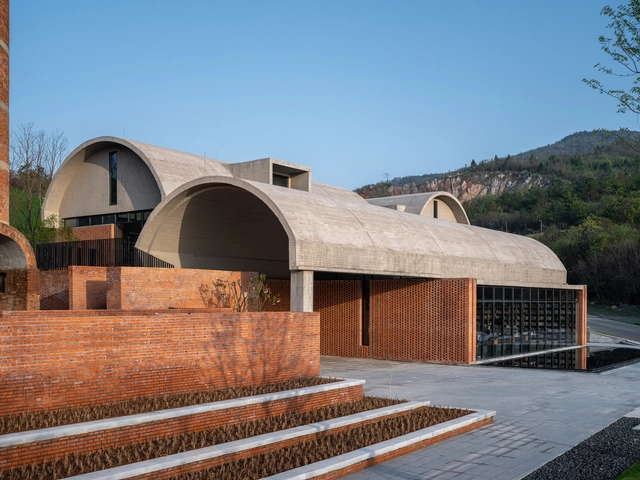
The oldest record of barrel vaults is estimated to date back to 4000 BC. These provided the spans in the Sumerian ziggurat at Nippur in Babylonia, built from fired bricks amalgamated with clay mortar. This type of vault was built as a continuous round arch and became a characteristic architectural element of Roman architecture, later used also in Renaissance architecture.
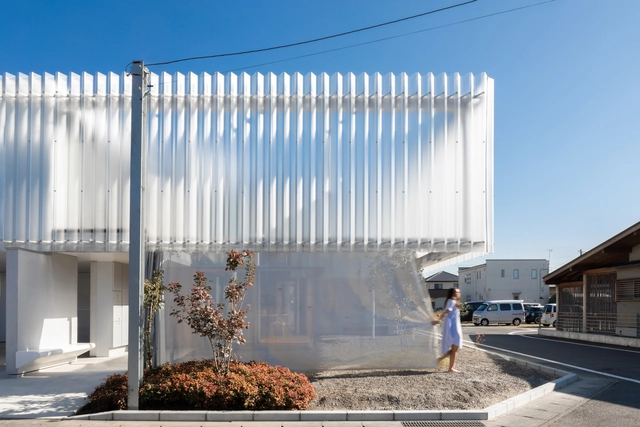
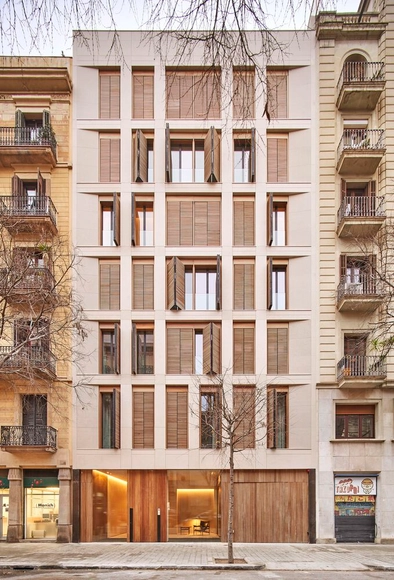
Whether blending in or standing out, embodying transparency or solidity, expressing coarseness or softness, a façade is the medium through which we engage with architecture. It tells a story and can often set the tone for the rest of the interior. But apart from defining a purely visual experience, a building’s envelope must also be practical, durable and have the ability to properly manage natural lighting and ventilation needs. After all, by being the point of contact with the outside, it is responsible for mitigating sounds and providing protection from climatic conditions, such as wind, rain, heat and humidity. Therefore, when designing a facade, it is important to consider a balance between performance and a beautiful aesthetic. Of course, many materials successfully meet these criteria. But when it comes to creating a comforting, light-filled ambiance while ensuring resistance, ease of installation and versatility, the properties of translucent polycarbonate panels seem to be unparalleled.
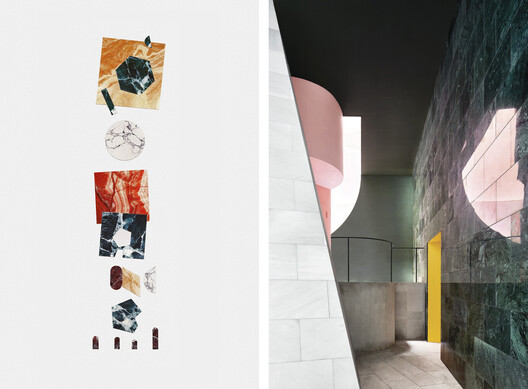
Graphics, even before language and writing, were the first means of communication and significance for humanity. Drawing is the act of replacing reality with representation, that is, replacing objects with images encoded in each of the graphic representation systems.
In architecture, graphics stimulate the imagination and are the basis of project thinking since they do not only constitute our code of communication but configure our ability to express ourselves in disciplinary terms. In fact, at first, the drawing is constructed in the mind of the architect, before it looks for support from any type of instrument.
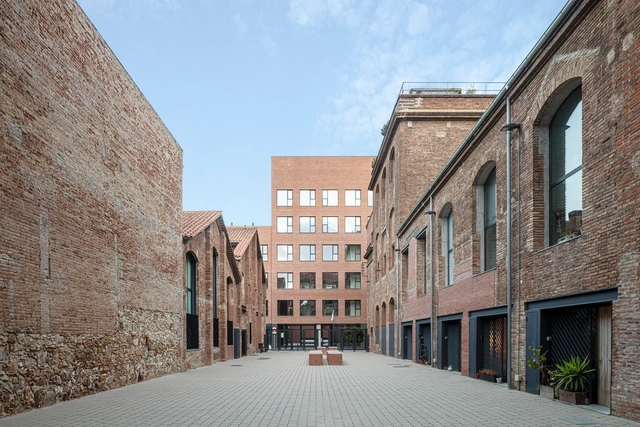
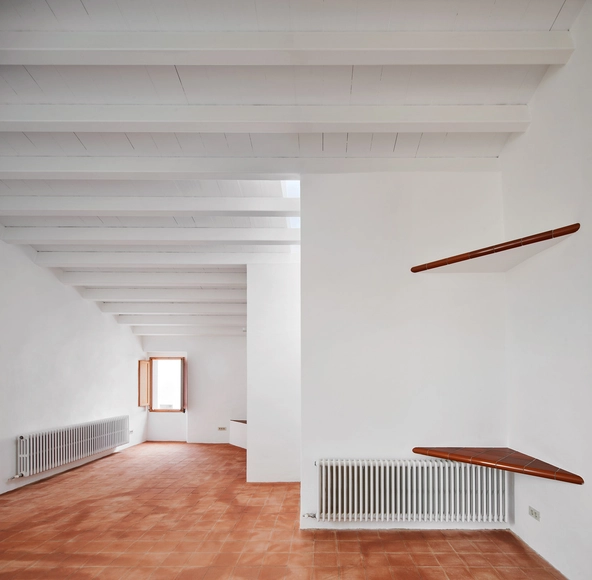
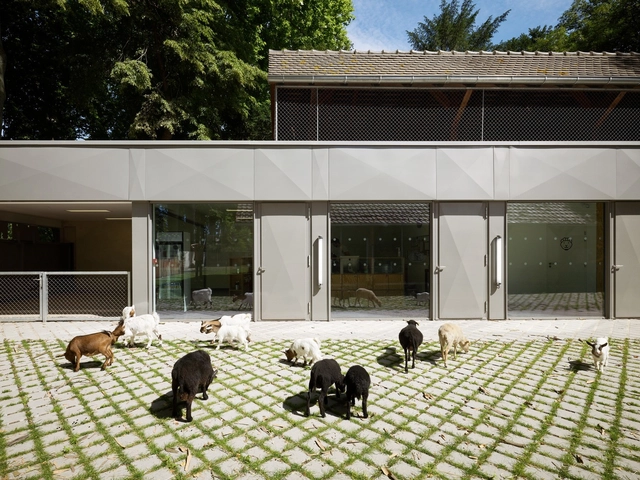
Architecture may have its roots in sheltering humans from the elements, but that is not to say that architecture is for humans alone. Around the world, there are numerous examples of buildings and shelters designed by architects for other species. Some of these can be whimsical, such as the Dogchitecture exhibit by 10 Mexican architecture firms back in 2013, or the series of BowWow Haus kennels designed by over 80 architects back in 2017, including Zaha Hadid Architects. But others are designed for a more direct impact.

Whether it's by sharing a meal at a restaurant or preparing a home-cooked meal together, food does in fact, bring people together. With that in mind, architects placed kitchens at the heart of homes, giving residents a space to cook, dine, and spend quality time with their families and friends. However, not all homes can fit spacious kitchens, some are too small and others don't have the proper spatial configuration for it. In this interior focus, we will explore how architects and designers opted for different kitchen layouts based on different spatial and user needs.




_Maureen_M._Evans.jpg?1646840531&format=webp&width=230&height=230&crop=true)