

-
Architects: aste arquitectura
- Area: 127 m²
- Year: 2021
-
Manufacturers: AutoDesk, GRAPHISOFT


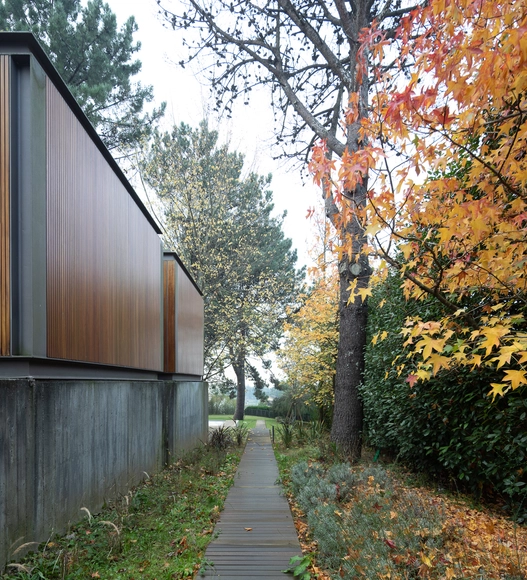
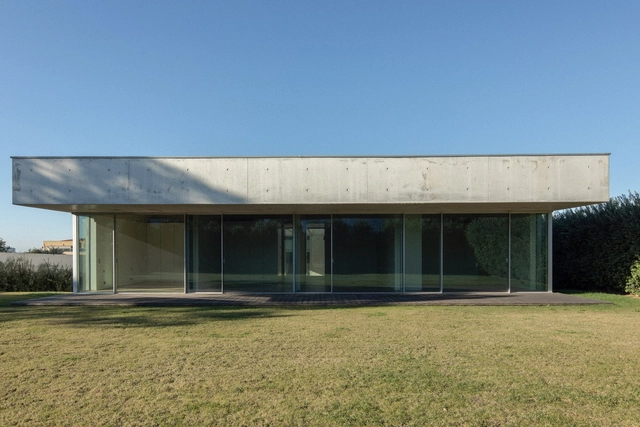
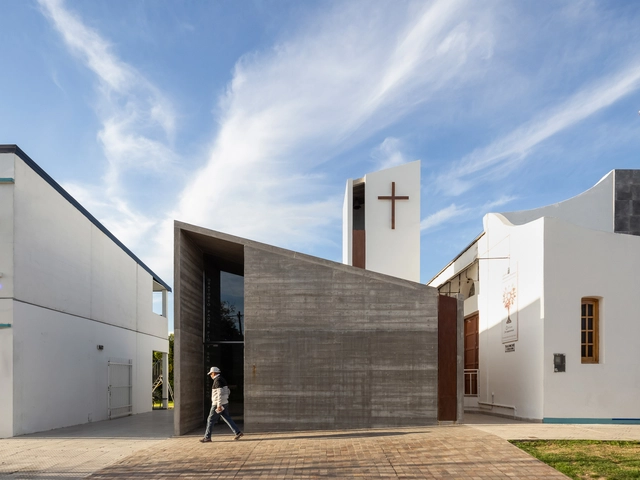
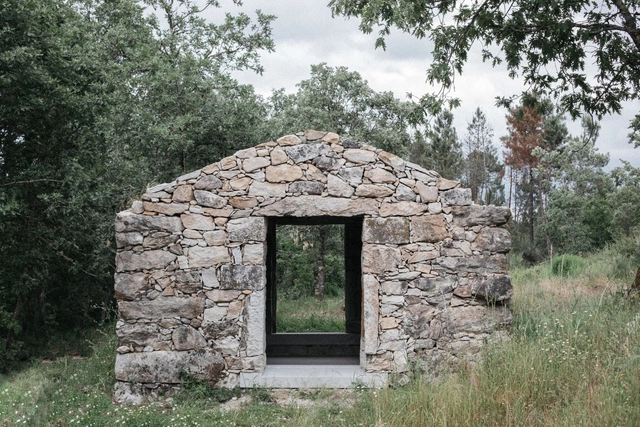
Few spaces are as intimate and contemplative as prayer rooms. Designed as both stand-alone structures and part of larger projects, prayer rooms are made as an architecture of introspection. Located within a house of worship or funerary space, or for their own dedicated purpose, these quiet rooms offer tranquil areas to consider life and the passage of time. Reflecting larger ideas on specific faiths and spirituality, they are designed as spaces of symbolism and sanctuary.
.jpg?1654265144&format=webp&width=640&height=580)
Most of us use stairways every day, but few times do we stop to contemplate their design or put much thought into their function. With their steps, treads and railing, they are easily one of the most fundamental architectural elements in any home. Apart from providing a safe, simple and easy access from one floor to another, it is through staircases that architects create unique spatial forms and strong visuals. From afar, one can observe people moving up and down repeatedly; from within, the user is treated to new angles and ways to perceive a space. Therefore, good staircases are more than just means of vertical circulation. Through their might and scale, they can become the protagonist of a space – a design focal point that rises to the level of art. In this article, we present their versatile characteristics and material qualities through a selection of inspiring examples, all of which can be found in Architonic's 'Staircases' section.
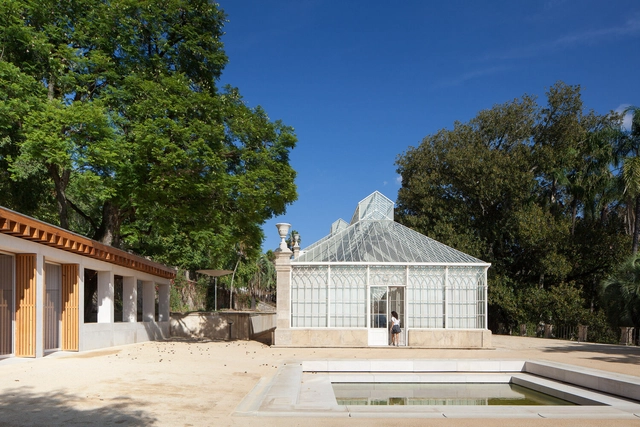

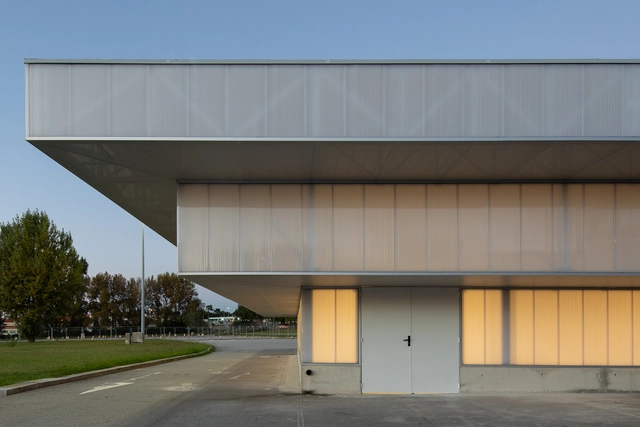
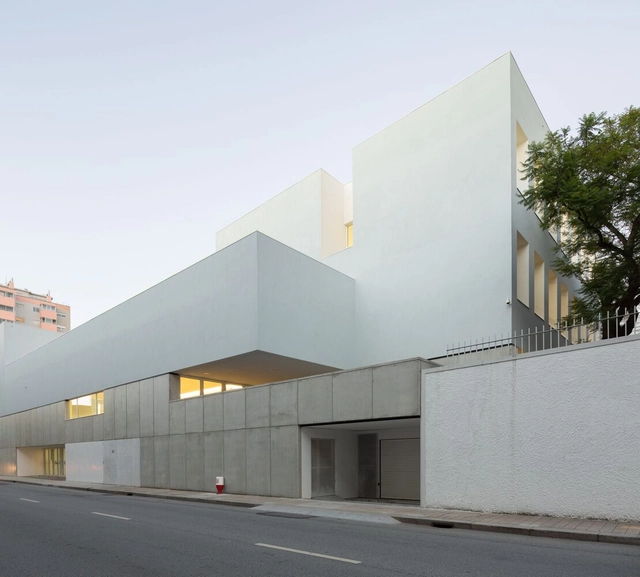

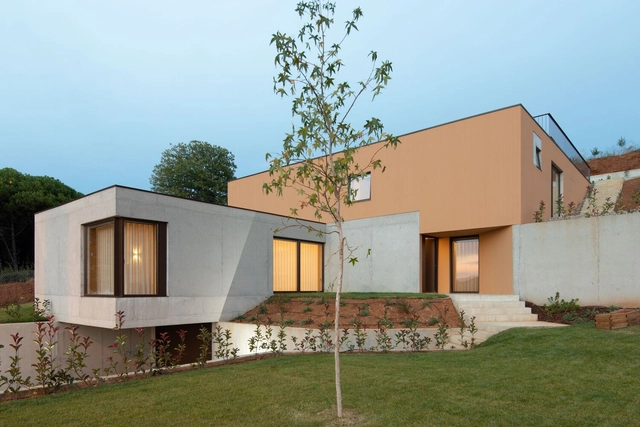
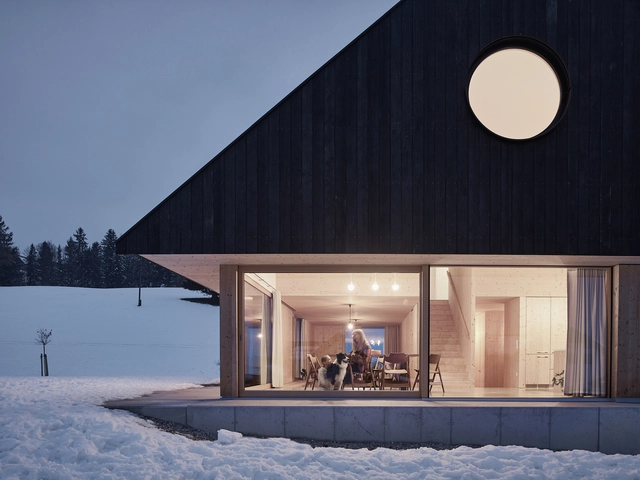
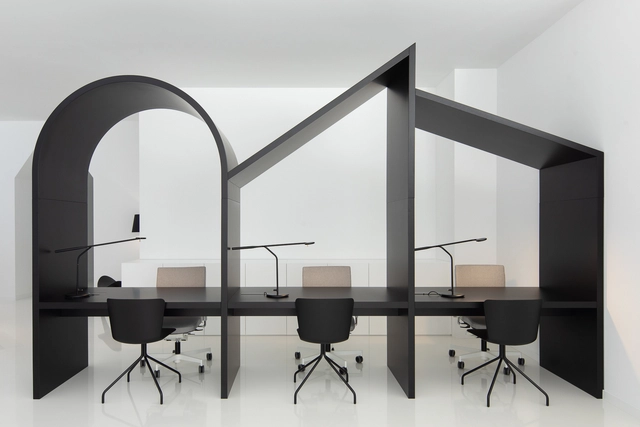
Minimalism has shaped architecture for over a century. Embracing new materials and rejecting ornament, the modernist movement grounded minimalist architecture through rational use and function. Throughout the 20th century, architects returned to minimalism as they worked with glass, steel and reinforced concrete. Over time, minimalist and modernist designs became more closely tied to cost, construction and aesthetic.
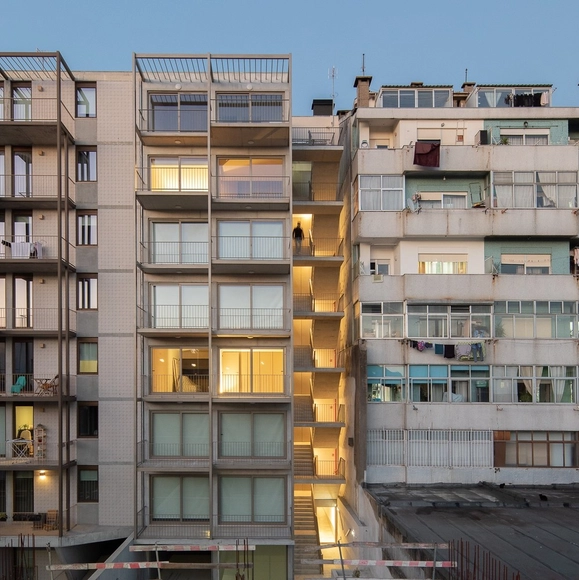
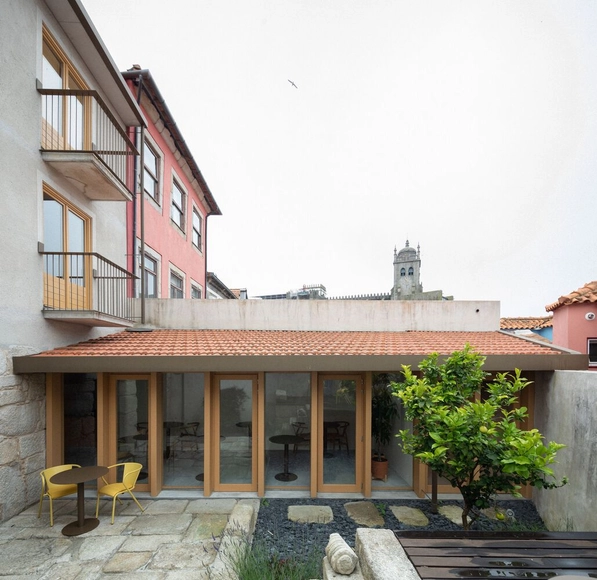
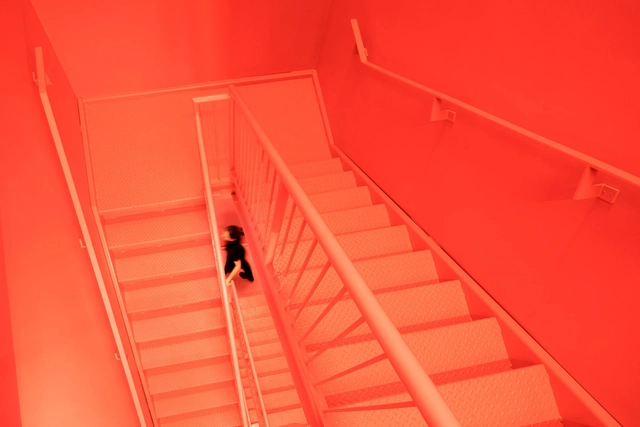
Just as the colors of an abstract painting or photograph can produce a certain mood, so can the colors of a building or room profoundly influence how the people using it feel. Physiologically, study after study has shown that blue light slows the production of melatonin, keeping people more alert or awake even at night. Psychologically, people associate certain colors with certain feelings due to cultural symbols and lived experiences – for example, they might perceive the color red as menacing or frightening because of its connection to blood.
Altogether, the way a room is colored can have complex effects on how its users feel, while a façade can be perceived in dramatically different ways depending on how it is colored. Below, we summarize the emotional associations of every color, assessing their differing effects as each is used in architectural space.




.jpg?1635270798&format=webp&width=230&height=230&crop=true)