.jpg?1623065134&format=webp&width=640&height=580)


.jpg?1623065134)
-
Architects: Nuno Ferreira Capa | arquitectura e design
- Area: 33 m²
- Year: 2020
-
Manufacturers: Bysteel, Fs_Dst Group, Dst Group, Mota Engil


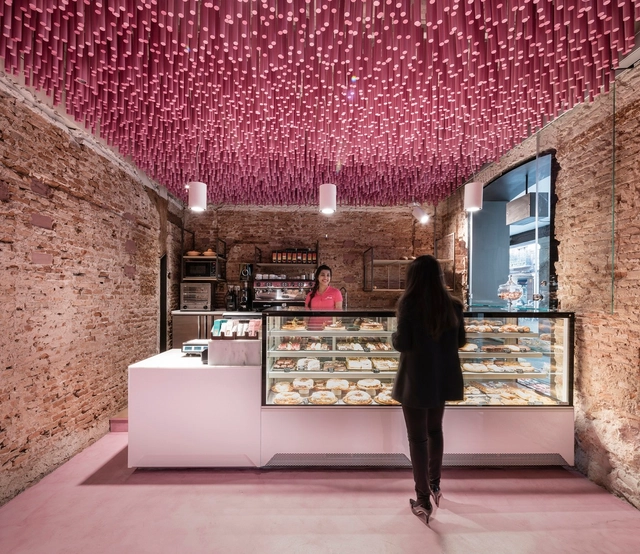
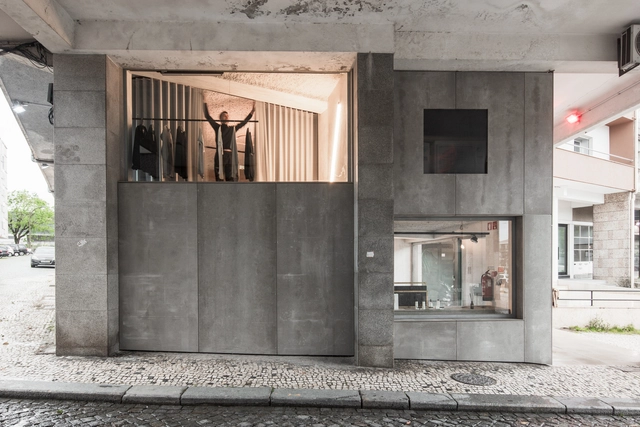
Few architectural typologies are as timeless as bakeries. A practice spanning thousands of years, the art of baking has diverse roots. Today, bakeries combine areas to gather, socialize, shop, and work. While industrialization and commercialization transformed the art of baking and baked goods, bakeries remain important community spaces for gathering and defining neighborhood identity.

.jpg?1607108512)
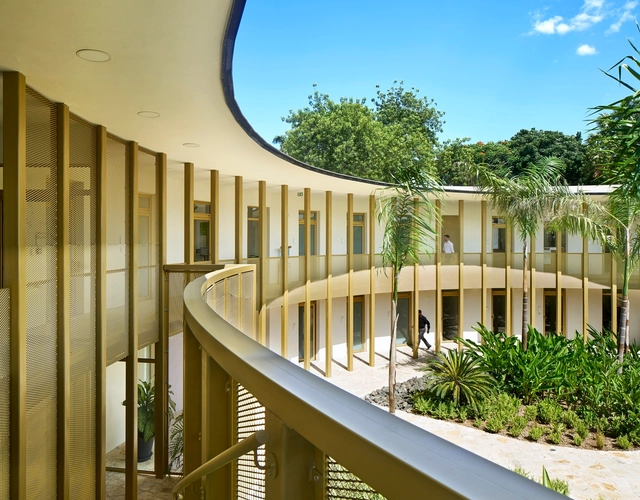
The architecture of diplomacy balances security and openness. As symbols of protection and representation, embassies are built for utility in both urban and rural contexts alike. At their core, they are also made to communicate the values and ideals of nations as welcoming structures and sustainable civic spaces. Today, modern embassy projects are made to meet rigorous security standards while embracing local culture and conditions.

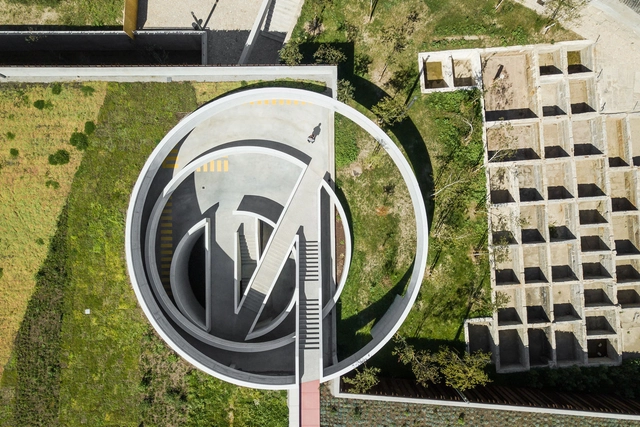
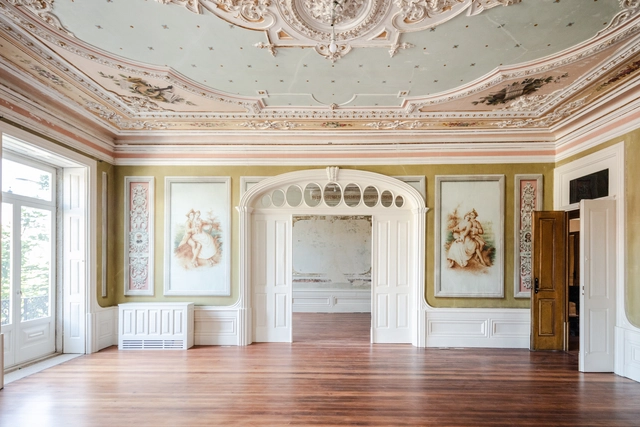

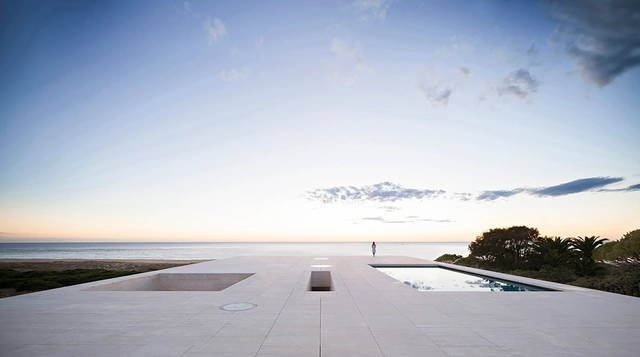
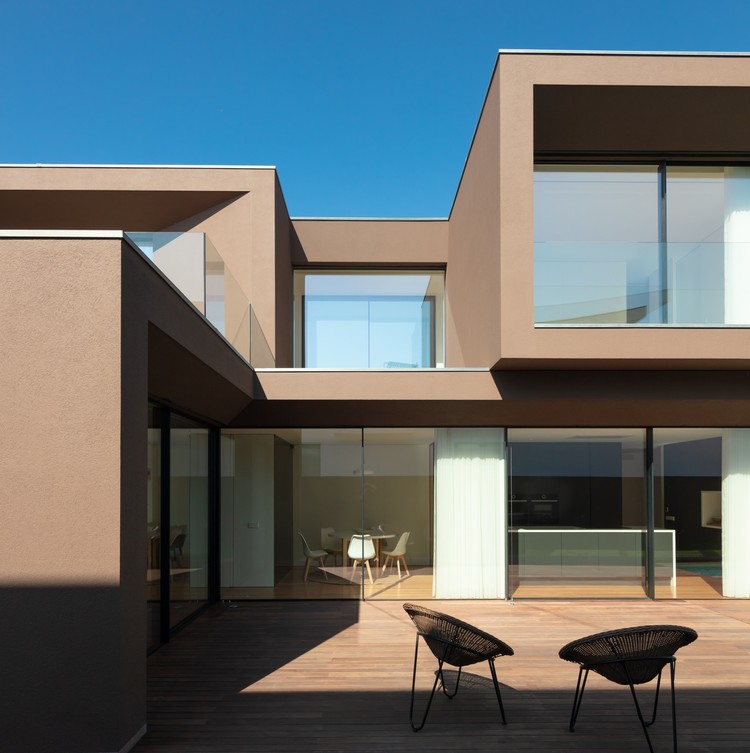
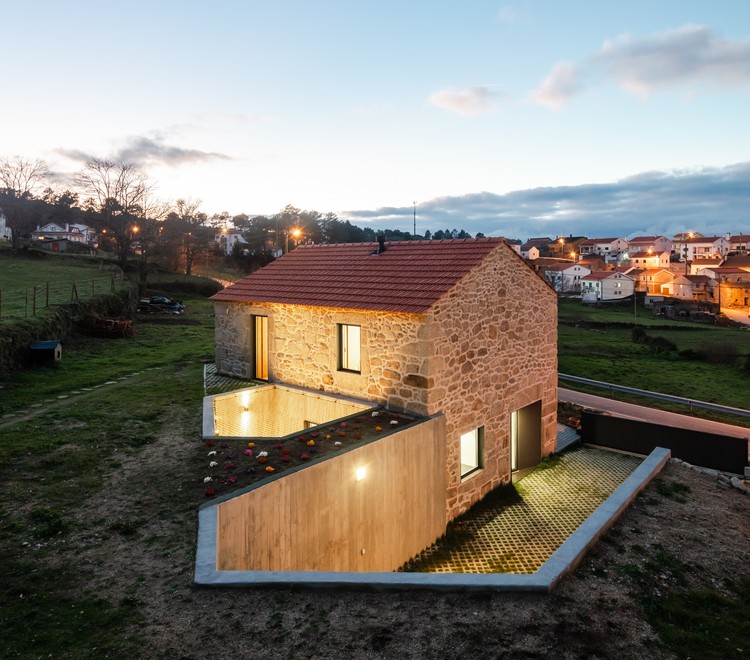
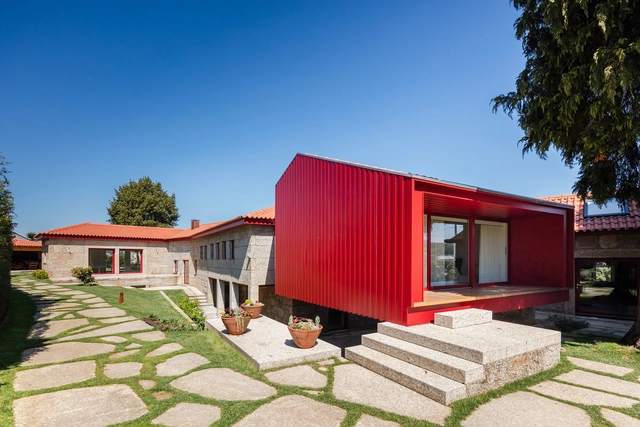
“A House is a place (…) as physical as a set of feelings. (…) a home is a relation between materiality and mastery and imaginative processes, where the physical location and materiality and the feelings and ideas are united and influence each other, instead of being separated and distinct. (…) a house is a process of creation and comprehension of ways of living and belonging. A house is lived, as well as imagined. The meaning of house and the way it materially manifests itself, it´s something that is created and recreated in an unceasingly way through every day domestic tasks, which are themselves connected to the spacial imaginary of the house”1
The sentence above is the starting-point of the current reflection, in an exercise that will mark meaningfully my approach to the way of projecting houses.


.jpg?1607109196&format=webp&width=230&height=230&crop=true)
.jpg?1607108306&format=webp&width=230&height=230&crop=true)
.jpg?1607108669&format=webp&width=230&height=230&crop=true)
.jpg?1607108596&format=webp&width=230&height=230&crop=true)