

-
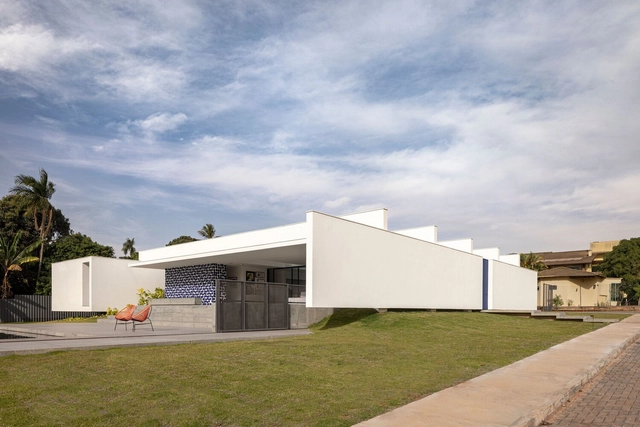
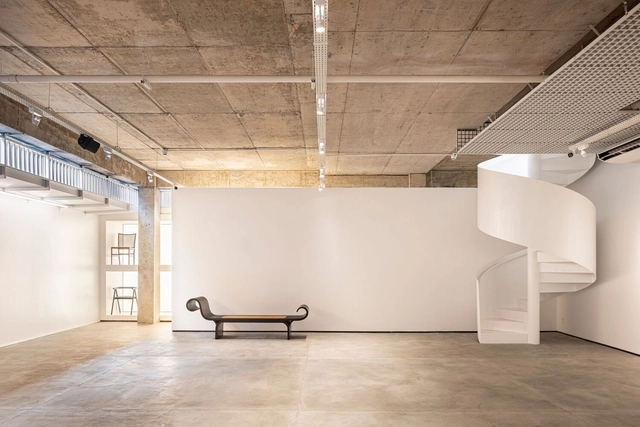
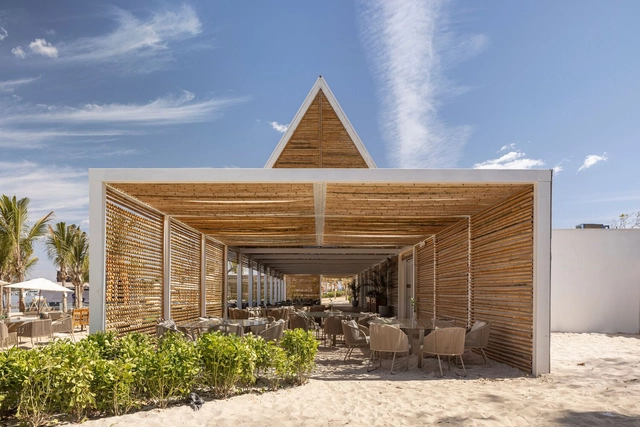
Architects: ARQBR Arquitetura e Urbanismo, BLOCO Arquitetos, Estúdio MRGB
- Area: 2276 m²
- Year: 2022
-
Manufacturers: Art D'Ville, Light Design, Surya Ecodesign



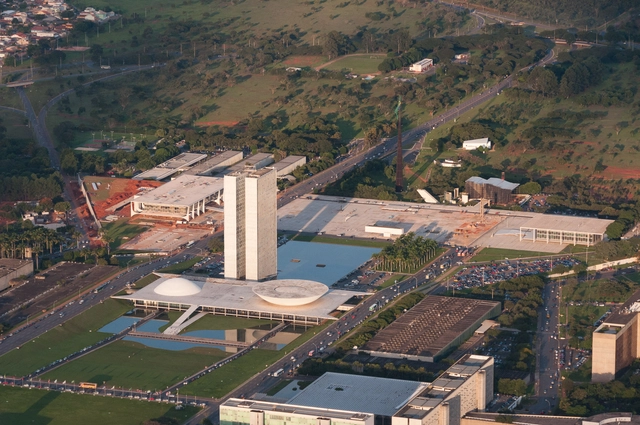
Few places in the world have an overlap of complexities as intense as Brasília. Even so, its architecture symbolizes the Republic and democracy of Brazil, and any act of attack on these symbols carries meanings and consequences for Brazilian memory and cultural heritage. The terrorist acts of January 2023 destroyed part of the heritage and raised questions beyond objects and architecture, touching on education, culture, and national political capital.
If you haven't gotten a chance to visit Brasília, Joana França's photographic projects offer a comprehensive interpretation of the capital of South America's most populous country. França has dedicated a significant part of her career as an architecture photographer to the pursuit of amassing an impressive archive of images of the city planned by Lúcio Costa and Oscar Niemeyer.
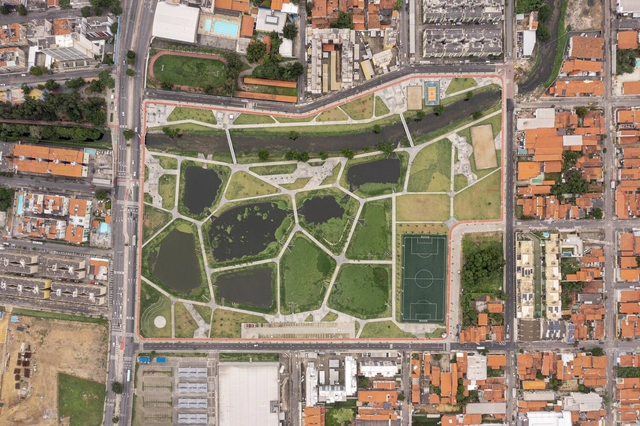
We recently published an exceptional selection França's aerial photographs of Brasília divided by scale - residential, monumental, gregarious and bucolic. These overhead views solidify what, in theory, is already evident: the city lacks human scale, or the human scale of Brasília is just vast and (perhaps) not very human at all.
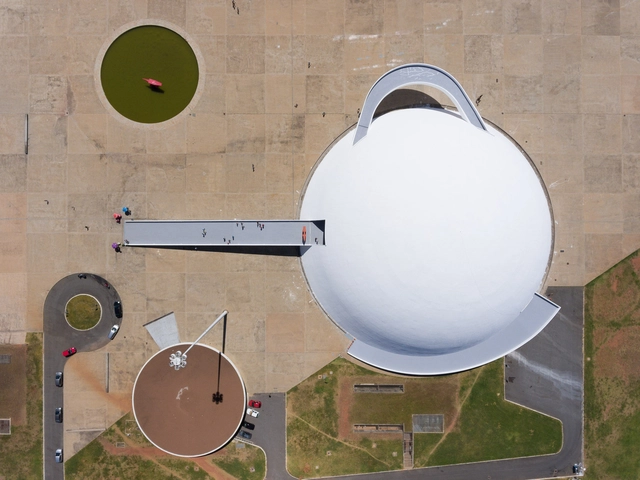
"What characterizes and gives meaning to Brasilia is a game of three scales... the residential or everyday scale... the so-called monumental scale, in which man acquires a collective dimension; the urbanistic expression of a new concept of nobility... Finally the gregarious scale, in which dimensions and space are deliberately reduced and concentrated in order to create a climate conducive to grouping... We can also add another fourth scale, the bucolic scale of open areas intended for lakeside retreats or weekends in the countryside." - Lucio Costa in an interview with Jornal do Brasil, November 8, 1961.
Photographer Joana França shared with us an impressive series of aerial photographs of the national capital of Brazil, Brasilia. The photoset is divided into four sub-series each presenting a scale: residential, monumental, gregarious and bucolic.
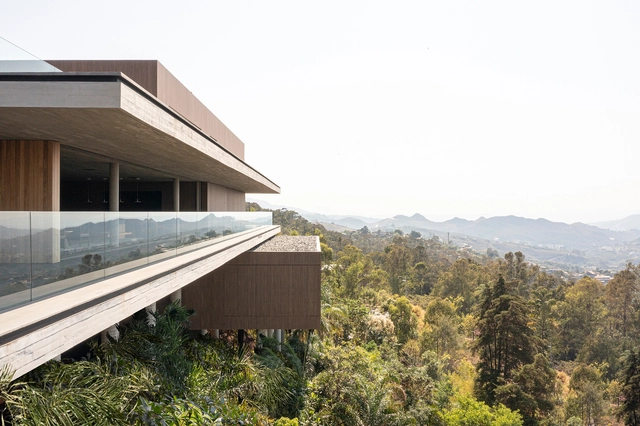
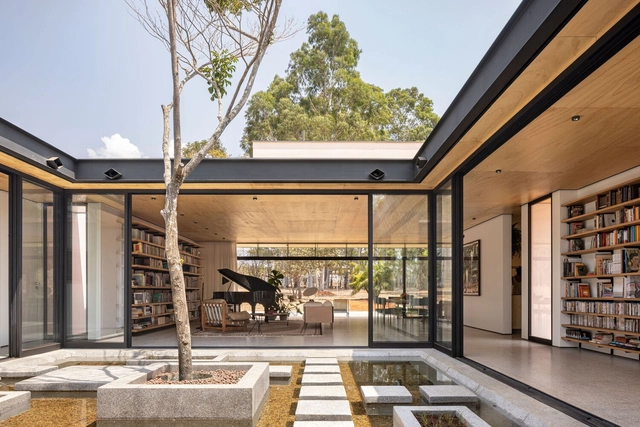

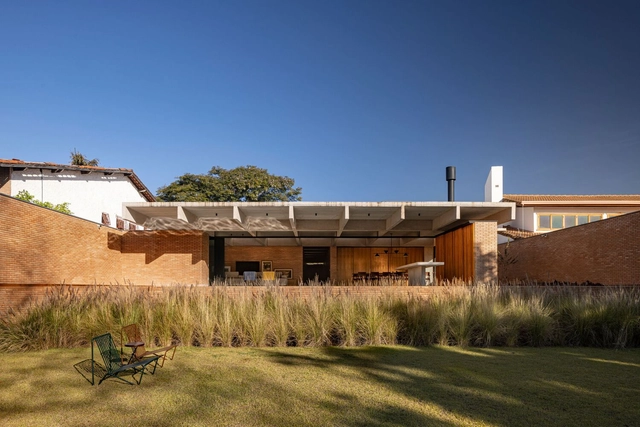

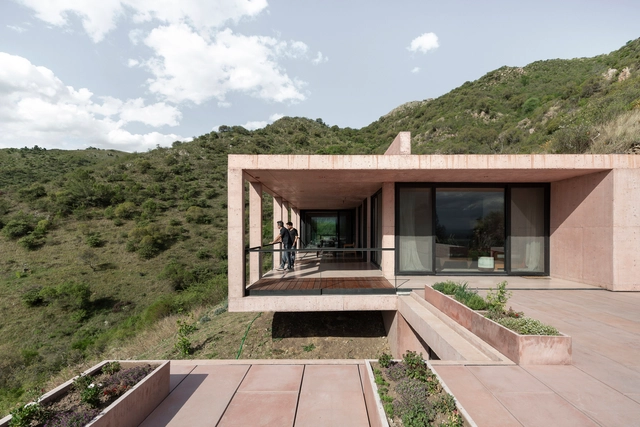
How relevant is the use of color in architecture? Throughout history, we find various scenarios where color takes centre stage in its integration with the architectural work. Nowadays this is no exception. This is because colour is a medium that can be used to provoke deep and immediate emotions and reactions in the person observing. Because of this, colour plays an important role in the architectural reading, as it has the power to clarify the components that make it up or, on the contrary, to change the perception of the work or space.
The following list shows various Latin American housing projects that have had a particular approach to color in their composition. In them, we see the conception of color as the integrator of the work, or as a means of enhancing a particular element, be it interior or exterior.
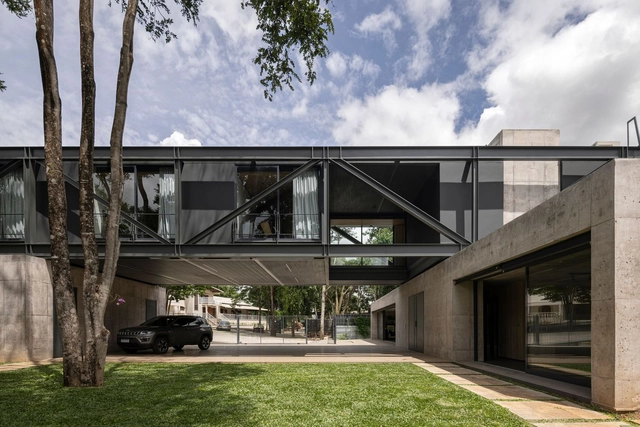
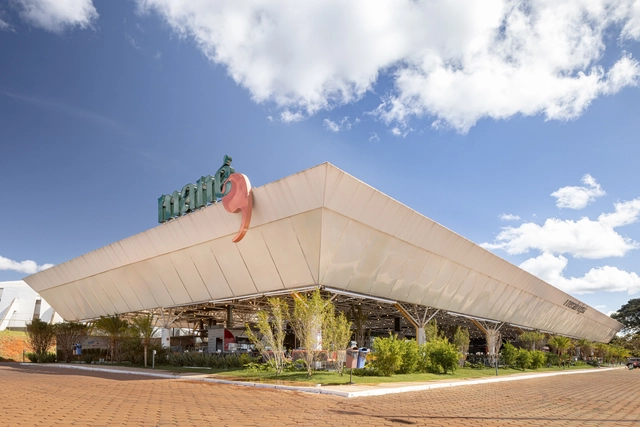
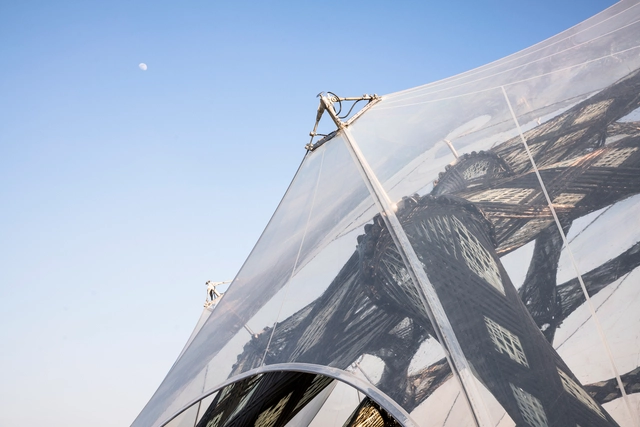
Let us return to the first architecture class on structures and the classification of structural efforts. In most structures, whether natural or man-made, compression forces are the primary actors. These are efforts undertaken with equal and opposing loads, applied in the interior of the structure, which tend towards the shortening of the piece in one direction - or compressing it, as the name indicates. It is not difficult to find examples of this: for example, a stone wall or a wooden log can resist the weight of a covering through internal compression efforts that are inherent to each material. Tension efforts, on the other hand, tend to lengthen components in the direction of the applied force of action. Steel, for example, is a material with good tensile strength. It is used in reinforced concrete precisely in the parts where the piece is in traction. But it is also possible for a structure to only have tensile parts, as is the case of membrane, tensioned, or tension structures, which consist of surfaces pulled by the action of cables or ropes in which the masts absorb compression efforts.