We will be publishing Nikos Salingaros’ book, Unified Architectural Theory, in a series of installments, making it digitally, freely available for students and architects around the world. In Chapter 12, Salingaros concludes his discussion of the physiological and psychological effects of architecture, demonstrating how ornament can lead to an enriching human environment. If you missed them, make sure to read the previous installments here.
Ornament and Human Intelligence
Ornament and function go together. There is no structure in nature that can be classified as pure ornament without function. In traditional architecture, which was more tied to nature, such a separation never existed. The breakdown of the human adaptation of architecture can be traced to the forced conceptual separation of ornament from function, a relatively recent occurrence in human history. It is only in 20th-century architectural discourse that people began to think of ornament as separate from function: see “How Modernism Got Square” (Mehaffy & Salingaros, 2013).
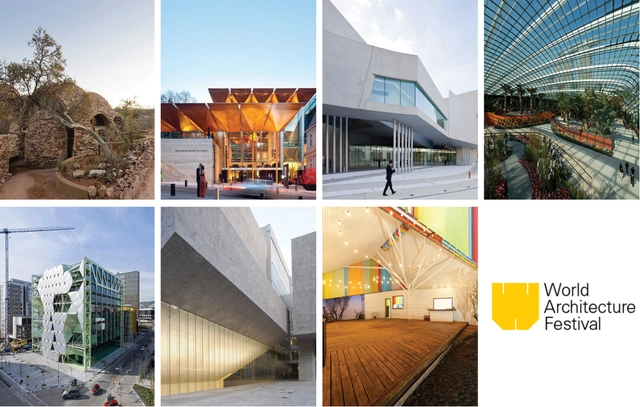
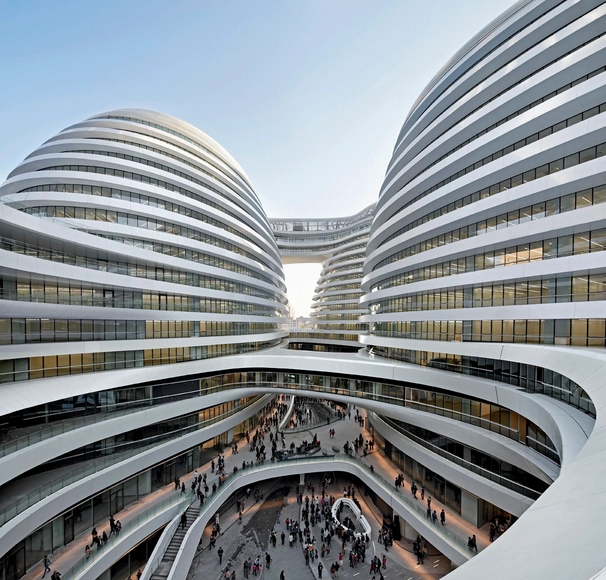
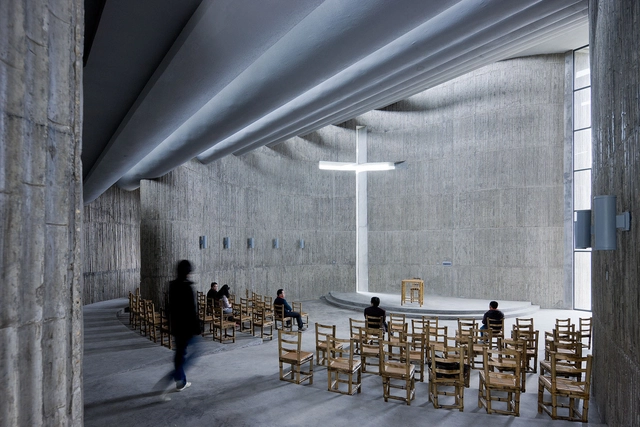
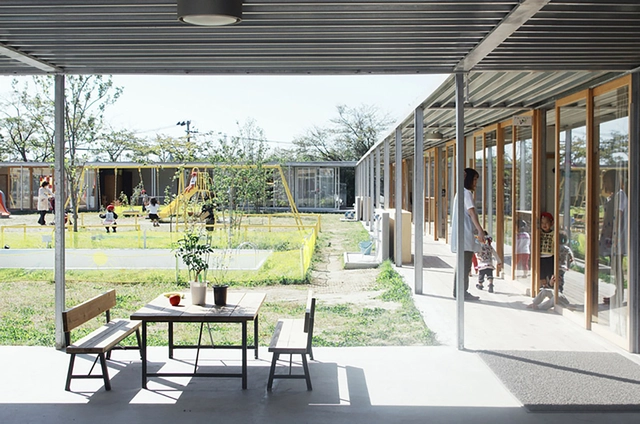
Deemed “the biggest architectural awards programme in the world,” the World Architecture Festival (WAF) annually awards and recognizes inspiring and innovative built projects from around the globe. The awards have been held over the past seven years, honoring buildings across 30 categories and ultimately selecting the World Building of the Year. From Grafton Architects' School of Economics at the Universita Luigi Bocconi — the first Building of the Year awarded in 2008 — to A21 Studio’s The Chapel — the most recent winner — the awarded projects have included everything from a chapel to an art gallery and even a public garden, spanning the world from South Africa to Vietnam, Italy and Spain.
This year WAF will be held from November 4-6, featuring three days of conferences, exhibitions and lectures in addition to the awards ceremony. As the 2015 award ceremony nears closer we look back at the World Building of the Year winners from the past seven years. See who has taken home the award after the break and learn how to submit your project here. Projects can be submitted for consideration until May 22nd. Use the code ARCHDAILY10 to receive a discount.
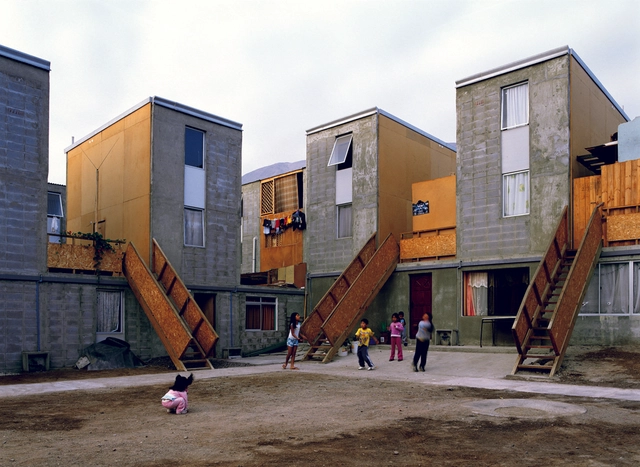
Justin McGuirk’s Radical Cities: Across Latin America in Search of a New Architectureshould be required reading for anyone looking for ways out of the bleak social inequality we’re stuck in. There were 40 million more slum dwellers worldwide in 2012 than there were in 2010, according to the UN. Private markets clearly can’t provide universal housing in any way approaching efficiency, and governments are often hostile to the poor. The only alternative is collective action at the grassroots level, and I’ve never read more vivid reporting on the subject.
https://www.archdaily.com/629354/radical-cities-radical-solutions-justin-mcguirk-s-book-finds-opportunities-in-unexpected-placesJoshua K Leon
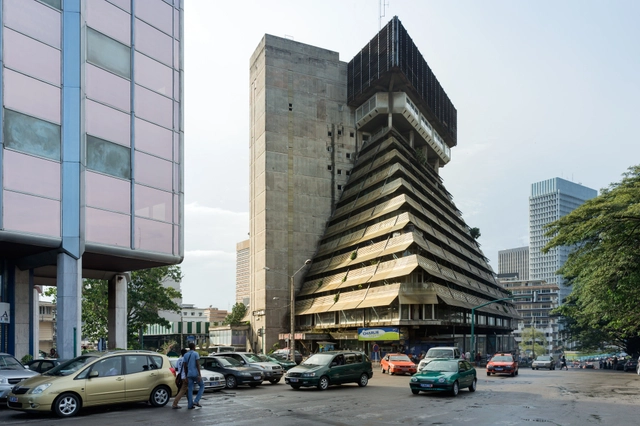
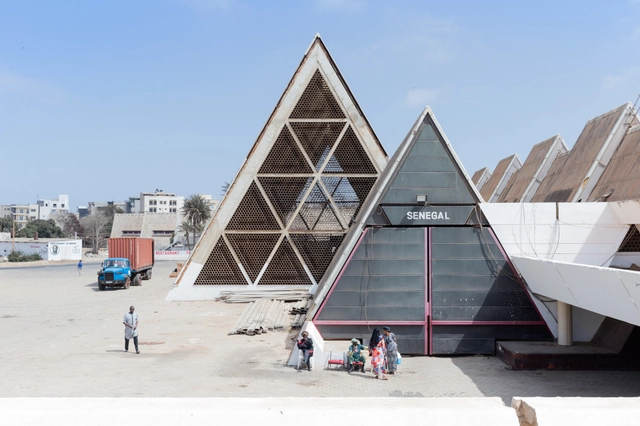
On display until May 31st, the Vitra Design Museum's "Architecture of Independence – African Modernism" exhibition displays a cross-section of Africa's experimental architecture from the post-colonial years of the 1960s. Covering more than 80 projects in Kenya, Zambia, Ghana, Côte d’Ivoire, and Senegal, the exhibition aims to shed light on this little-known period of architecture history, and challenge Western notions of African countries. In this interview, originally published by Metropolis Magazine as "Q&A: Curator Manuel Herz on Africa's 'Grandiose' Modern Architecture," Curator Manuel Herz reveals the origins of the exhibition and shares his thoughts light on some of the buildings which the exhibition highlights.
Clare Dowdy: What triggered your interest in the post-colonial architecture of Central and Sub-Saharan Africa?
Manuel Herz: I was in Nairobi a couple of times around 2007 and noticed the architecture of that period was of outstanding quality but virtually unknown outside Kenya. This triggered an interest to research the whole of Sub-Saharan Africa. I found that the political urgency that existed at the time of the independence process is embodied in the architecture.
World Expos have long been important in advancing architectural innovation and discourse. Many of our most beloved monuments were designed and constructed specifically for world’s fairs, only to remain as iconic fixtures in the cities that host them. But what is it about Expos that seem to create such lasting architectural landmarks, and is this still the case today? Throughout history, each new Expo offered architects an opportunity to present radical ideas and use these events as a creative laboratory for testing bold innovations in design and building technology. World’s fairs inevitably encourage competition, with every country striving to put their best foot forward at almost any cost. This carte blanche of sorts allows architects to eschew many of the programmatic constraints of everyday commissions and concentrate on expressing ideas in their purest form. Many masterworks such as Mies van der Rohe’s German Pavilion (better known as the Barcelona Pavilion) for the 1929 Barcelona International Exposition are so wholeheartedly devoted to their conceptual approach that they could only be possible in the context of an Exposition pavilion.
To celebrate the opening of Expo Milano 2015 tomorrow, we’ve rounded up a few of history’s most noteworthy World Expositions to take a closer look at their impact on architectural development.
Last week Patrik Schumacher, director at Zaha Hadid Architects and the practice's frontman in the field of architectural theory, took once again to Facebook to disseminate his ideas - this time arguing that "the denunciation of architectural icons and stars is superficial and ignorant." In the post, Schumacher lamented the default position of the architectural media which he believes sees success and reputation as "a red cloth and occasion to knock down icons," going on to outline his beliefs on why stars and icons are useful and even inevitable mechanisms of architectural culture.
Schumacher has made headlines via Facebook before, with a post last year in which he argued for an end to the "moralizing political correctness" that has led to the popularity of socially-conscious design - a post which attracted almost universaloutrage from architects, critics and social media users of all stripes. However this latest post had a very different feel; many people, myself included, seemed to find themselves at least partially agreeing with Schumacher. After all, at the most basic level he was asking for designs to each be judged on their individual merits - what's not to like?
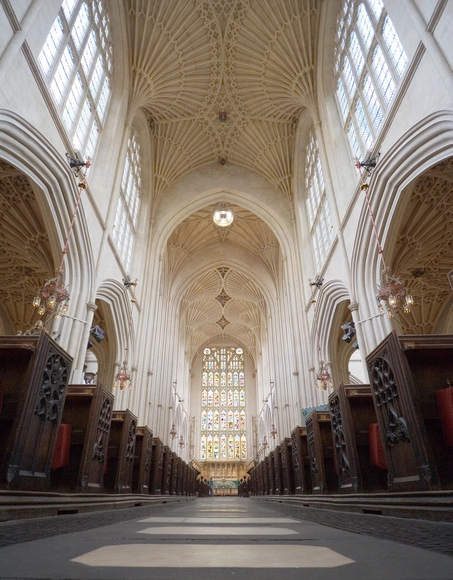
In the spirit of Easter Sunday, we've rounded up a compilation of ten glorious sacred spaces from our Religious Architecture Pinterest board. Ranging from traditional, reverent congregation halls to unexpected ultra-modern chapels, these spectacular places of worship are bound to inspire. Get a dose of these divine works after the break...
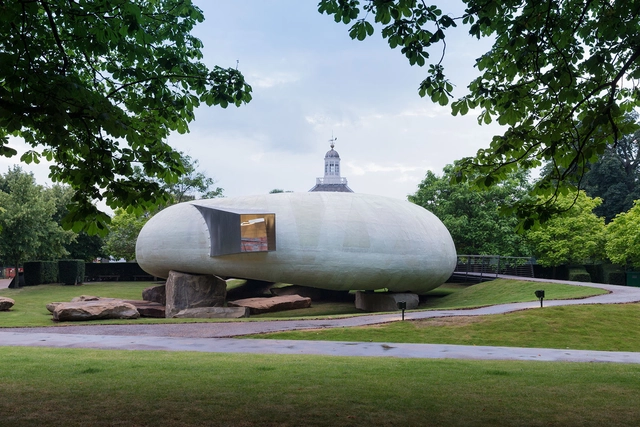
Chilean architect Smiljan Radić’s shell-shaped Serpentine Pavilion has been relocated from Hyde Park to the gardens of Hauser & Wirth Somerset in Bruton. Just under three hours from London, the new site positions the translucent fiberglass structure in short proximity to a main gallery complex designed by Paris-based Argentine architect Luis Laplace and within an lush garden designed by Dutch landscape architect Piet Oudolf.
Launched in May of 2014, ThinkParametric is an online platform for learning the tools of the digital architecture trade. Gaining access to their video tutorials and the benefit of their online community would usually set you back $29 per month, or $269 for an entire year. However, to celebrate a successful first year, on March 12th they announced an "Open Class Season," a full month for people to enjoy their courses for free.
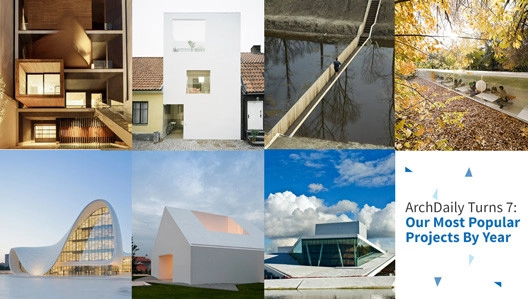
Today, ArchDaily is celebrating its seventh birthday (check out our letter to our readers and our infographic "7 Years of ArchDaily"). Our seventh birthday is a chance to reflect on our story, and to thank the readers that have helped to shape our course over the years, but of course there is one more ingredient that has helped to make us the world's most visited architecture website: great projects from talented designers all over the world. In fact as of press time, we have published 15,942 projects in total, an astonishing number that demonstrates the sheer quantity of architects out there working for a better world.
Which of these thousands of projects have had the biggest impact on you, our readers? Join us after the break as we look back at seven buildings that rose above the fray to become the most-viewed project in each of our seven years.
As the legacy of the Cold War fades and Western preeminence gradually becomes a thing of the past, population booms in Asia followed by the growth of a vast non-western middle class have seriously challenged the Western perception of the world. The East has become the focal point of the world’s development.
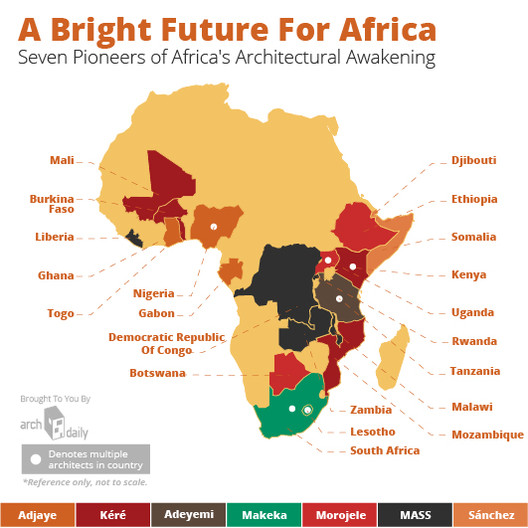
If East Asia is the present focal point of this development, the future indisputably lies in Africa. Long featuring in the Western consciousness only as a land of unending suffering, it is now a place of rapidly falling poverty, increasing investment, and young populations. It seems only fair that Africa’s rich cultures and growing population (predicted to reach 1.4 billion by 2025) finally take the stage, but it’s crucially important that Africa’s future development is done right. Subject to colonialism for centuries, development in the past was characterized by systems that were designed for the benefit of the colonists. Even recently, resource and energy heavy concrete buildings, clothes donations that damage native textile industries, and reforestation programs that plant water hungry and overly flammable trees have all been seen, leaving NGOs open to accusations of well-meaning ignorance.
Fortunately, a growth in native practices and a more sensible, sensitive approach from foreign organizations has led to the rise of architectural groups creating buildings which learn from and improve Africa. Combining local solutions with the most appropriate Western ideas, for the first time these new developments break down the perception of monolithic Africa and have begun engaging with individual cultures; using elements of non-local architecture when they improve a development rather than creating a pastiche of an imagined pan-African culture. The visions these groups articulate are by no means the same - sustainable rural development, high end luxury residences and dignified civic constructions all feature - but they have in common their argument for a bright future across Africa. We’ve collected seven pioneers of Africa’s architectural awakening - read on after the break for the full article and infographic.
At the end of 2014, we had the opportunity to catch up with Xiaodu Liu, one of the three founding partners of Chinese firm URBANUS. Telling us about the role of architects in today's society - especially in China - he discusses how the creativity which URBANUS is known for plays a part in the business of their practice: "Innovation is actually everything for URBANUS, because the firm is doing projects for very challenging jobs. That's the only way we do marketing; we have to do something creative, otherwise we don't have any marketing tools to get something more conventional... we push ourselves to the limit."
Connected to this, he sees intellectual exchange as the foundation of their success, a mechanism that has allowed them to eschew more traditional marketing: "We have some people similar to us, that are well connected, people understand our work and support our work and they like us. Then we have that network and people refer to us and they actually bring jobs to us... networking is more like in the academic level - a more intellectual exchange."
Watch the full interview above and check out our past coverage of URBANUS below.
February 17 is Mardi Gras, or “Fat Tuesday,” traditionally a Catholic holiday that celebrates the last night of indulging in guilty pleasures before participating in the penitential season of Lent. Celebrated around the world with elaborate parties, parades, dancing, and other frivolities, its festivities are most famously celebrated within the United States today in the city of New Orleans, Louisiana, the site of the first American Mardi Gras.
From February 20 the Vitra Design Museum will host "Architecture of Independence - African Modernism," an exhibition curated by architect and author Manuel Herz. Featuring numerous photographic contributions by Iwan Baan, "Architecture of Independence" explores the experimental and futuristic architecture produced in 1960s Central and Sub-Saharan Africa during the region's period of newfound independence.