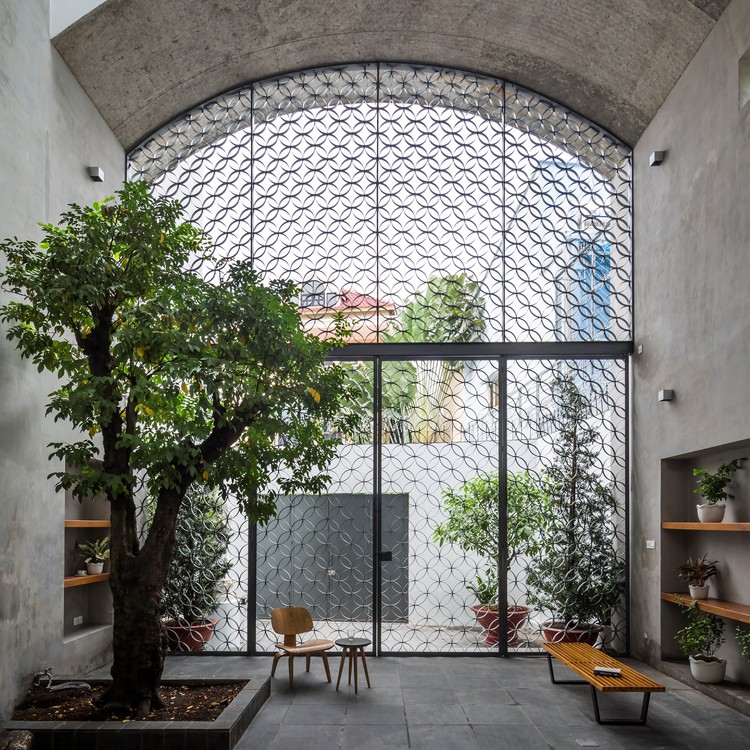
-
Architects: T3 ARCHITECTS
- Area: 380 m²
- Year: 2020
-
Professionals: Harmonie, Kobi Lighting Studio, Artelia


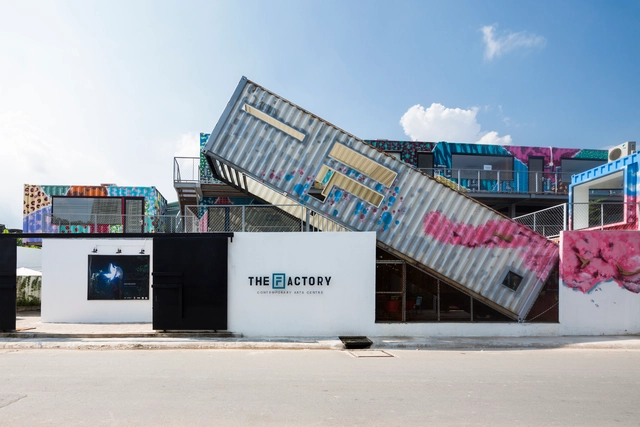
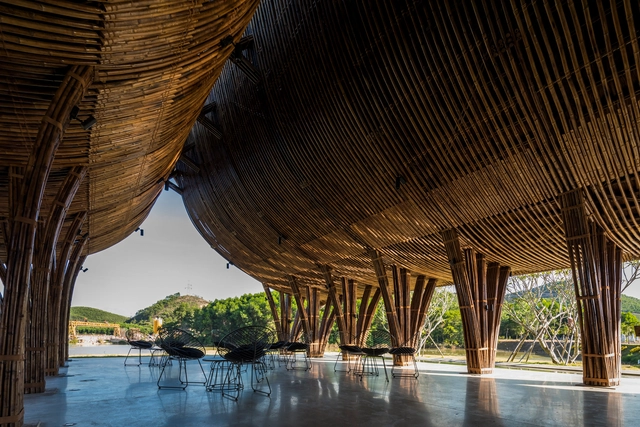
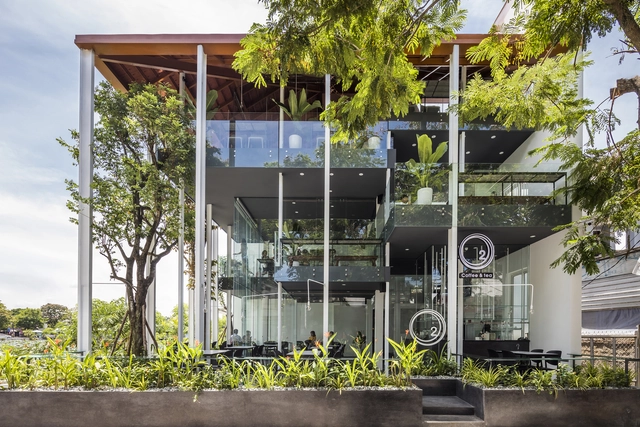

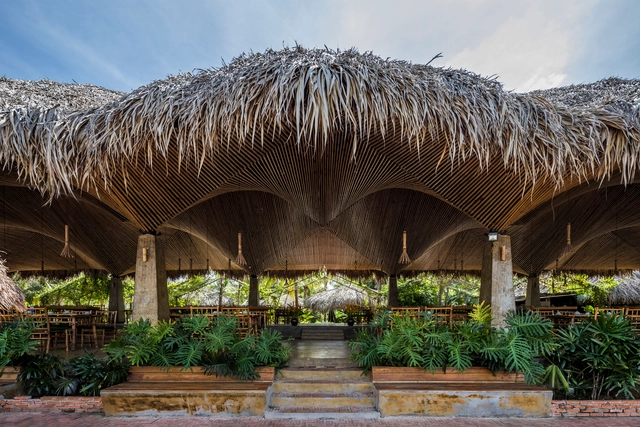
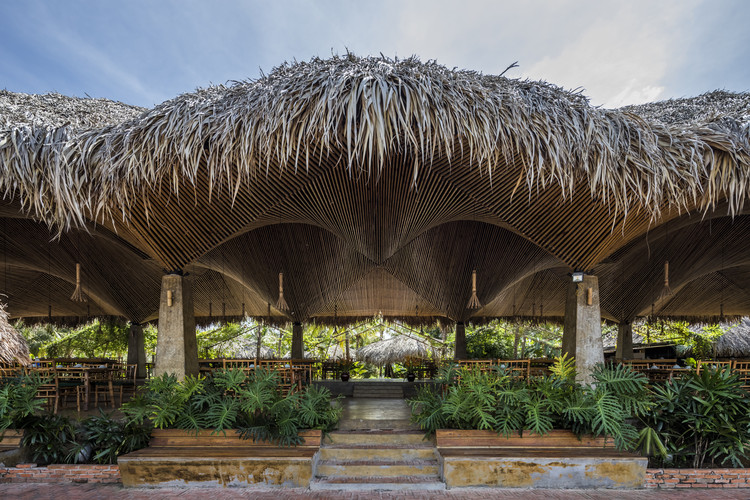
While concrete is without a doubt the world's go-to building material thanks to its durability, malleability, and ability to withstand a wide range of climates, it is also the principal source of CO2 emissions within the realm of construction. To combat this and reduce their creations' carbon footprint, many architects have begun experimenting and innovating in a bid to optimize concrete's technical qualities while diminishing its impact on the environment. Among these efforts, there are several projects that have explored the possibility of replacing traditional frameworks with more sustainable materials like bamboo, a resource that grows in abundance throughout many regions of the world and, along with having minimal environmental impact, renders high quality textured detailing on a variety of architectural surfaces.
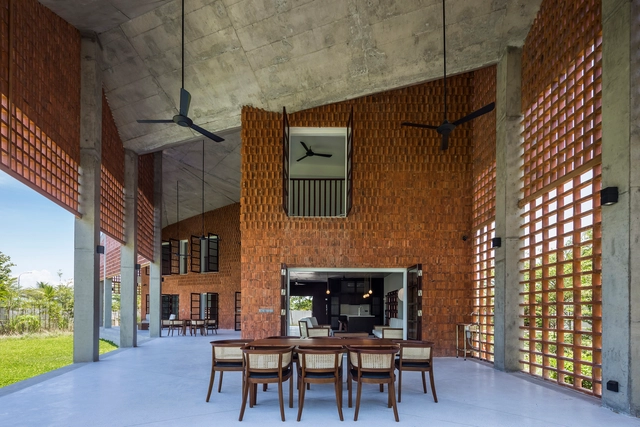


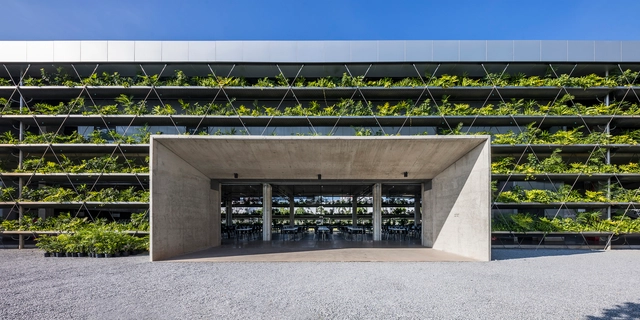
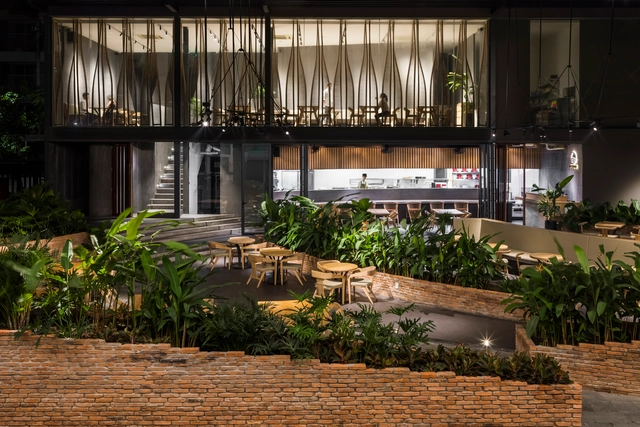
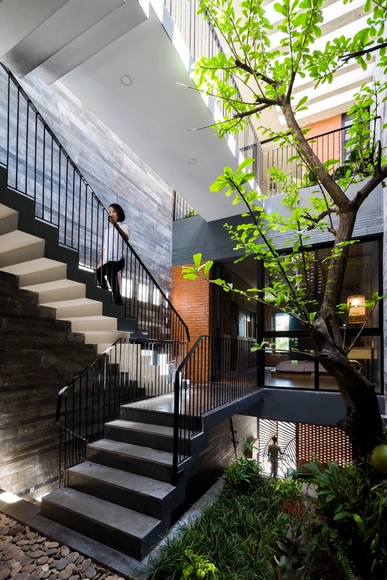

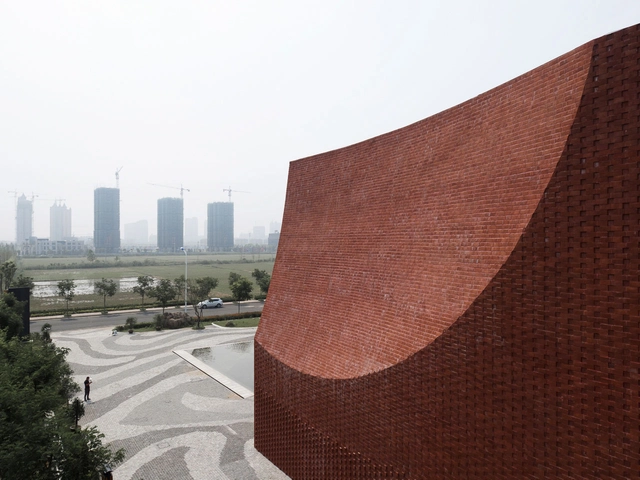
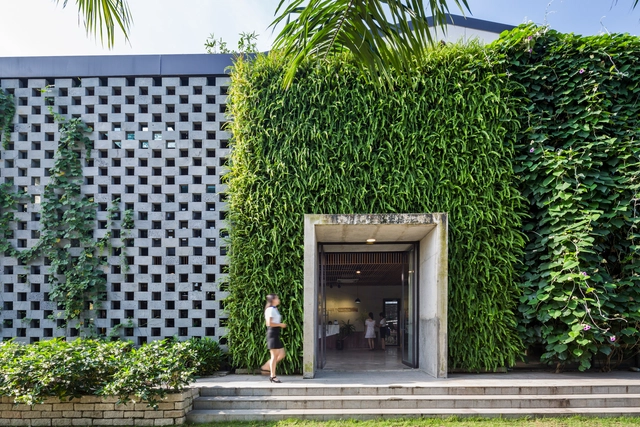
Brick is one of the most popular materials for architects designing with a vintage or rustic aesthetic: exposed brick walls are often touted as highly desirable for apartments, restaurants, and stores, and exterior brick facades can make a building or home feel warmer and more inviting. However, the color and cut of the brick can greatly influence the atmosphere it emanates, with white brick lending itself to more minimalist design and tan brick tending to feel more rustic and earthy. In this article, we will explore some of the most popular brick colors, ways to artificially color brick, and recent projects that use brick facades or interior brick elements effectively.






.jpg?1503976736&format=webp&width=230&height=230&crop=true)