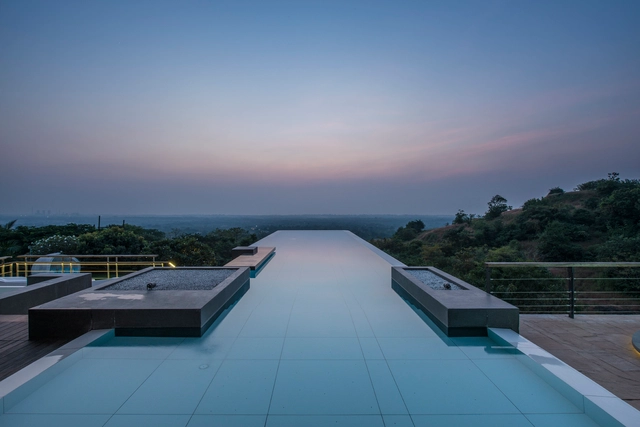
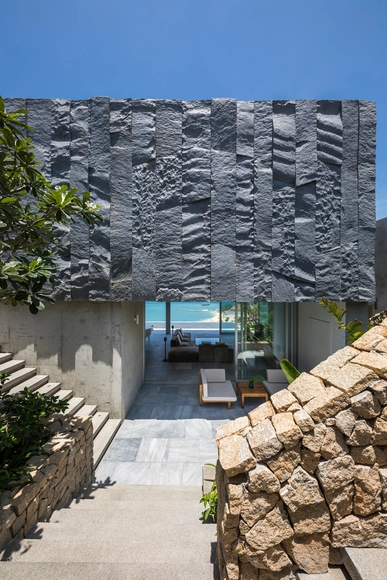
There are few things that fascinate us more than the sea. Its contemplation arouses a sense of peace, while its colors, textures, movements and amplitude provide a scientifically proven effect of relaxation in our nervous system. Above all, it makes us realize how small we are in the universe. It is not by chance that a house facing the sea is a dream of consumption for many, let alone with a pool right in front of it. Infinity pools play with this feeling of infinite sea and sky. Through a well-elaborated set of levels and plans, they create an optical illusion that leaves everyone speechless, making pool water appear as if merged with the horizon, overflowing at one or more edges. But before you plan your photo on Instagram with a glass of sparkling wine in your hand, let's take a look at how these pools are built.
Back in 2008, ArchDaily embarked on a challenging mission: to provide inspiration, knowledge, and tools to the architects tasked with designing cities. In an effort to further align our strategy with these challenges, we recently introduced monthly themes in order to dig deeper into topics we find relevant in today’s architectural discourse. From architects who don't design to reframing climate change as a global issue, we are celebrating our 11th birthday by asking 11 editors and curators to choose ArchDaily's most inspiring articles.
Designing commercial spaces has historically been a challenge. In these environments, spatial distribution plays a fundamental role, even more so if we have a few extra square meters. With this being said, the study of these spaces in plan and section can be a great starting point. It not only allows us to analyze the logistics and circulation of customers but also helps us find efficient variations and innovations that will enable your store to stand out from the others.
Below, we've selected a series of 25 examples in plan and section that can help you understand how different architects faced the challenge.
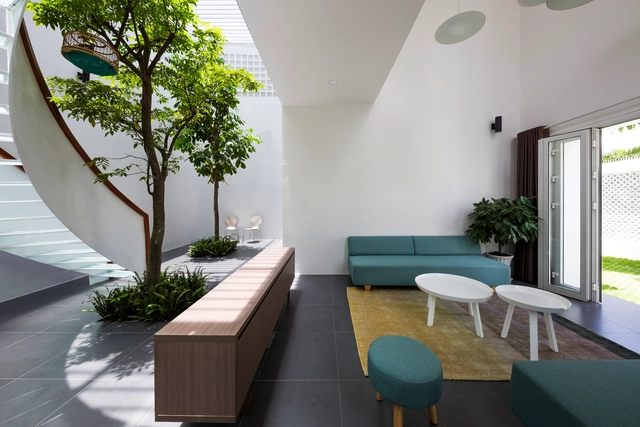
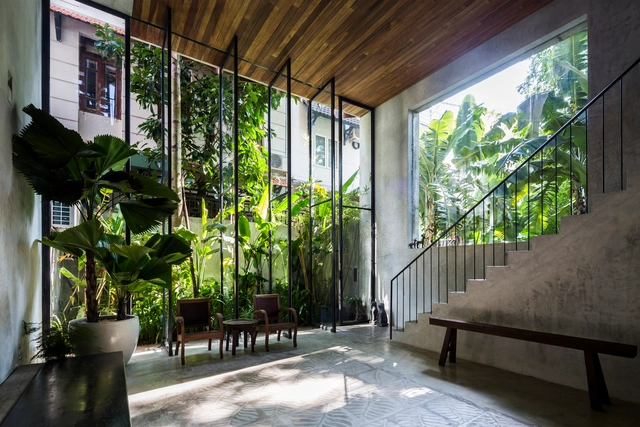
Plants are excellent elements to add in architecture and built spaces. However, when it comes to indoor environments, which usually receive less natural light and ventilation, certain species are resistant to adaptation.
Therefore, when thinking about species for indoors – be it a home, apartment or commercial space – some species are better than others. We have selected the best 13 indoor plants for your home.