.jpg?1564063348&format=webp&width=640&height=580)
.jpg?1563797563&format=webp&width=230&height=230&crop=true)
.jpg?1563797419&format=webp&width=230&height=230&crop=true)
.jpg?1563797299&format=webp&width=230&height=230&crop=true)
.jpg?1563797738&format=webp&width=230&height=230&crop=true)
.jpg?1564063348)
-
Architects: Vector Architects
- Area: 713 m²
- Year: 2018
-
Professionals: X Studio, Tsinghua University


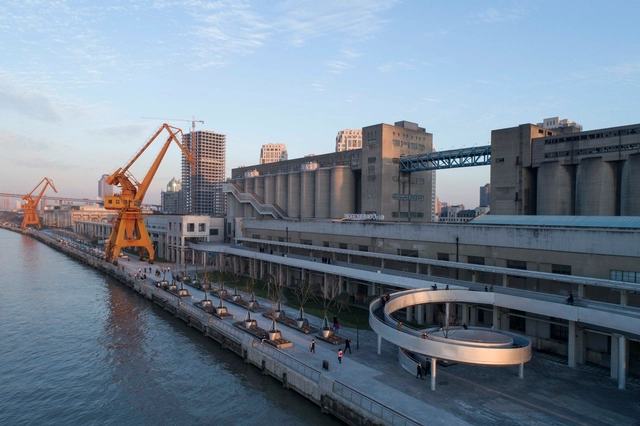
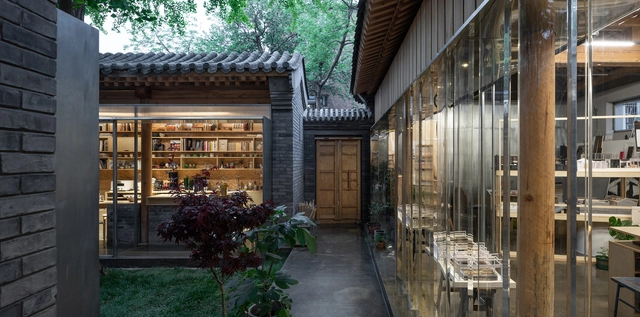
When architecture has been evolving within the context of “Chinese characteristics”, Shanghai as one of the national creative centers provides us with a glimpse of the transformations and the prospects of Chinese contemporary architecture. Based in Shanghai, architect Liu Yuyang, who was born in Taiwan and grew up in America, has conceived his personal architectural approach with the multicultural background and shared his visions with others by a number of built projects. In the following excerpt from a conversation between Liu Yuyang and the author, he talks about his design philosophy, origins of the practice, the attitude to the profession, and more.
.jpg?1552745406&format=webp&width=640&height=580)
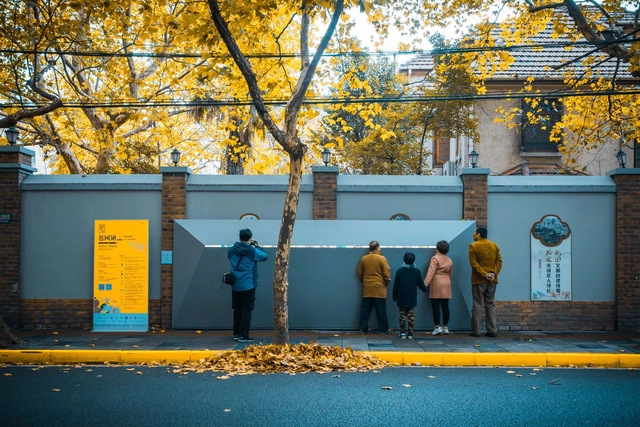
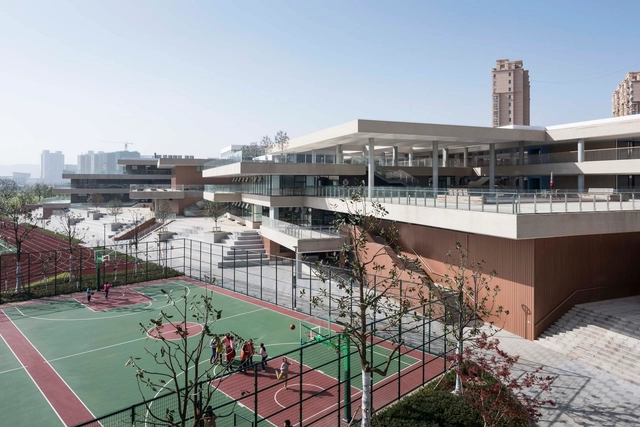
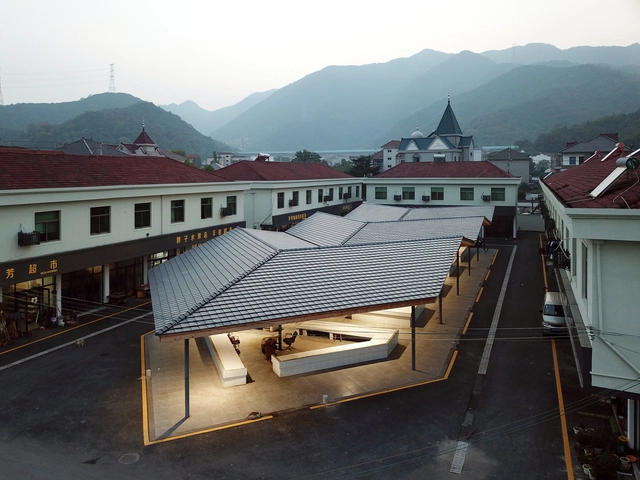
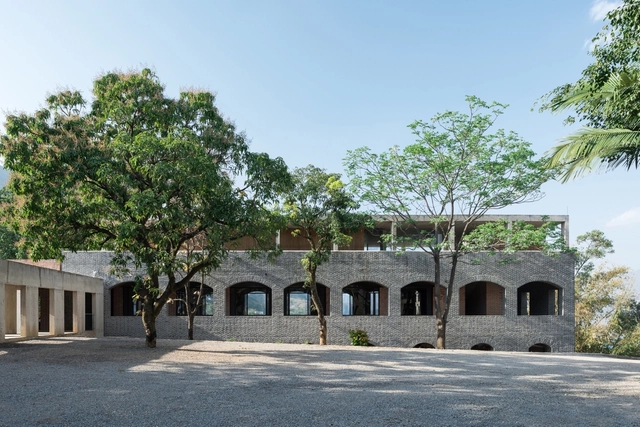
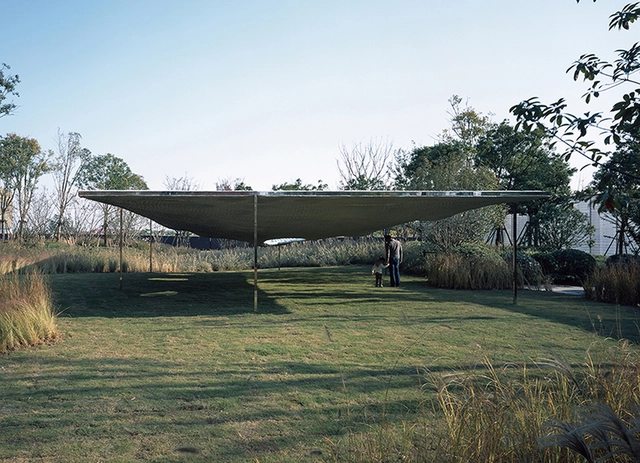
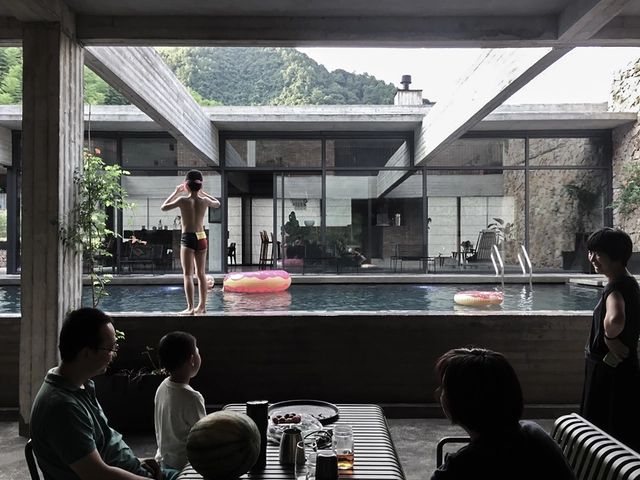


This week we’ve selected the best chapels previously published on our site. They reveal different ways of designing a small and sacred space. For inspiration on how to create these atmospheres, integrate different materials, and make proper use of light, we present 32 remarkable examples.
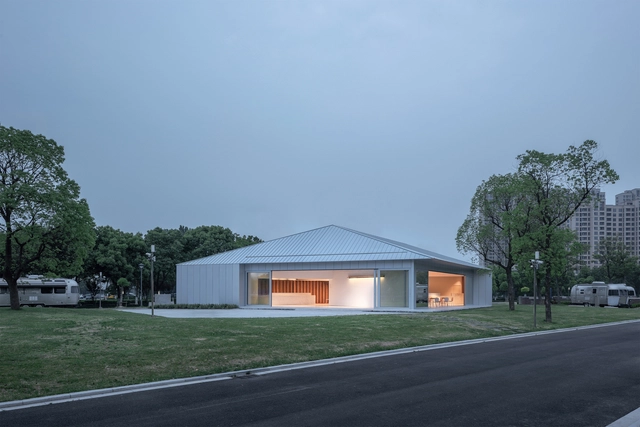
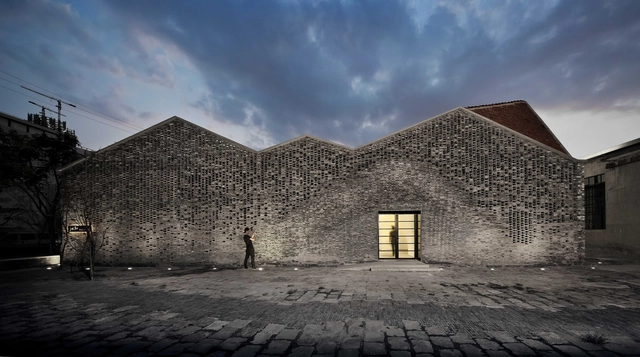
Though the understated Swiss and British Pavilions were the big (and perhaps overly literal) winners at this year’s Venice Architecture Biennale investigating Freespace, it was the Chinese that put their relentless architectural progress on display. Nestled in the back of the Arsenale, the Chinese Pavilion presented dozens of built works all around Chinese countryside, each project demonstrating a meaningful social impact through the involvement of villagers in the production process. Among the most visible Chinese architects presenting at the pavilion was Shanghai-based educator and practitioner Philip Yuan, whose office Archi-Union Architects has become a major voice in the already-distinctive contemporary Chinese architecture scene.
On 19 July, 2018 curator Vladimir Belogolovsky will join gallerist and curator Ulrich Müller to discuss Philip Yuan’s work at the opening of Archi-Union Architects Collaborative Laboratory exhibition at Architektur Galerie Berlin. Belogolovsky’s interview with Philip Yuan follows after the break:
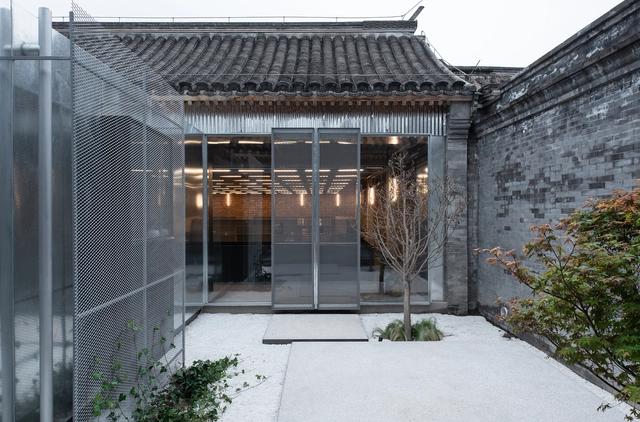

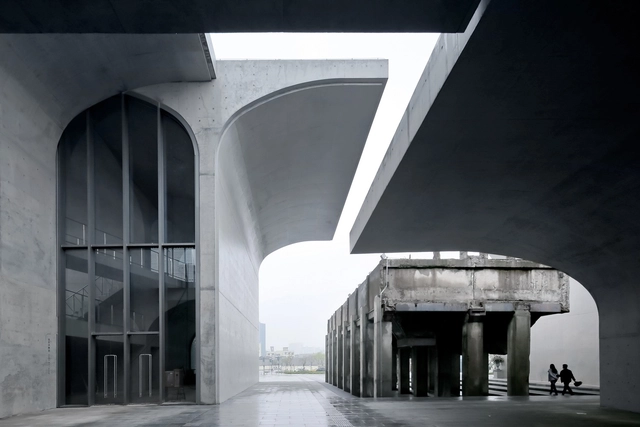
In China's newly emerging constellation of famed architects, few firms elicit the sense of surprise caused by the work of Atelier Deshaus. With projects ranging from awe-inspiring to humble, their work does not adhere to any stylistic rules, but all of their projects exude an enigmatic aura. In this interview, the latest in Vladimir Belogolovsky’s “City of Ideas” series, principals Liu Yichun and Chen Yifeng discuss the role of identity in their work and how they try to connect their buildings to the landscape.
Vladimir Belogolovsky: Is it true that you each design different projects in the studio? Why is that?
Liu Yichun: This has been true since 2010. Before that we always designed everything together. We used to have endless discussions and too many disagreements and arguments. That’s why we decided to pursue two parallel paths. This approach led to greater efficiency and it helped us to formulate clearer ideas of our independent views of architecture. It also helps us to diversify our work and to avoid forming one recognizable style.
Chen Yifeng: It is important for us to express our solutions differently, even though, fundamentally, we are working in one direction and pursuing one family of ideas.


.jpg?1552745508&format=webp&width=230&height=230&crop=true)
.jpg?1552745571&format=webp&width=230&height=230&crop=true)
.jpg?1552745475&format=webp&width=230&height=230&crop=true)
.jpg?1552745461&format=webp&width=230&height=230&crop=true)
.jpg?1552745406)
.jpg?1551785904&format=webp&width=230&height=230&crop=true)
.jpg?1551785867&format=webp&width=230&height=230&crop=true)


