

-
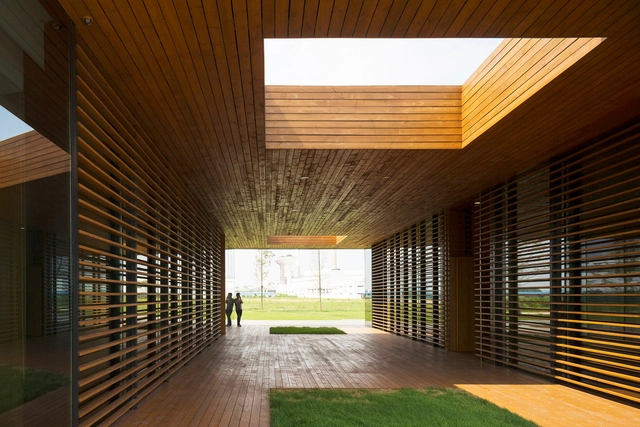
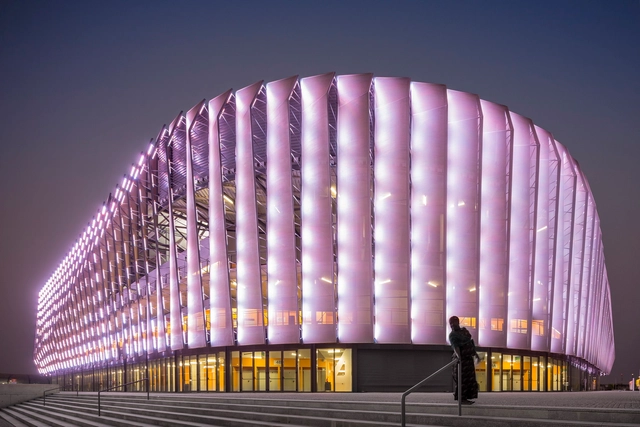
Architects: WZWX Architecture Group
- Area: 3200 m²
- Year: 2014


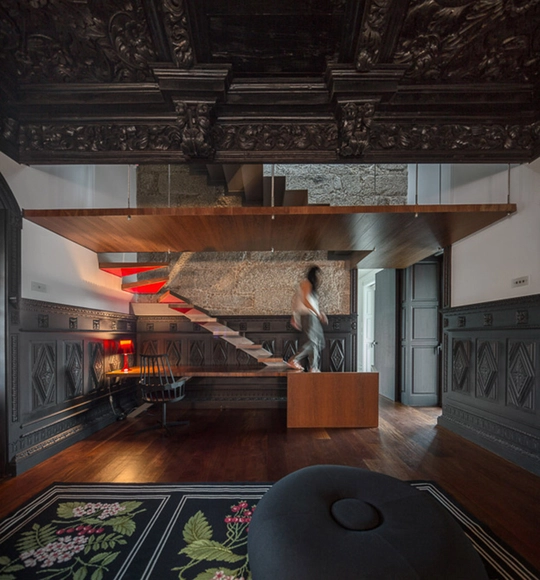
Fernando Guerra has been a pioneer in the way architecture is photographed and divulged. Fifteen years ago, he opened studio FG+SG together with his brother, and both are responsible in large part for the diffusion of Portuguese contemporary architecture in the last fifteen years.

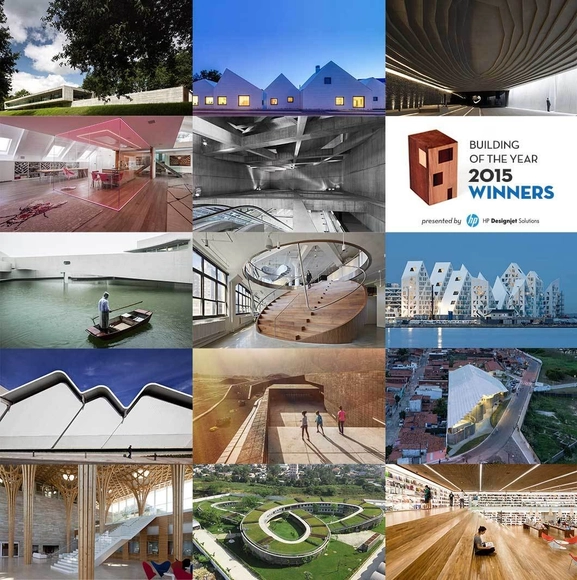
With our annual Building of the Year Awards, over 30,000 readers narrowed down over 3,000 projects, selecting just 14 as the best examples of architecture that ArchDaily has published in the past year. The results have been celebrated and widely shared, of course, usually in the form of images of each project. But what is often forgotten in this flurry of image sharing is that every one of these 14 projects has a backstory of significance which adds to our understanding of their architectural quality.
Some of these projects are intelligent responses to pressing social issues, others are twists on a well-established typology. Others still are simply supreme examples of architectural dexterity. In order that we don't forget the tremendous amount of effort that goes into creating each of these architectural masterpieces, continue reading after the break for the 14 stories that defined this year's Building of the Year Awards.
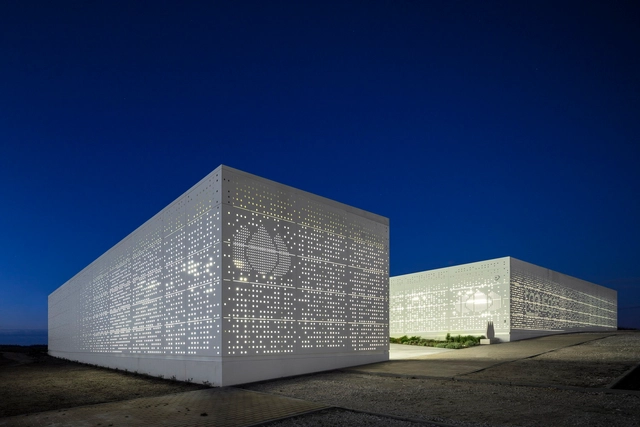

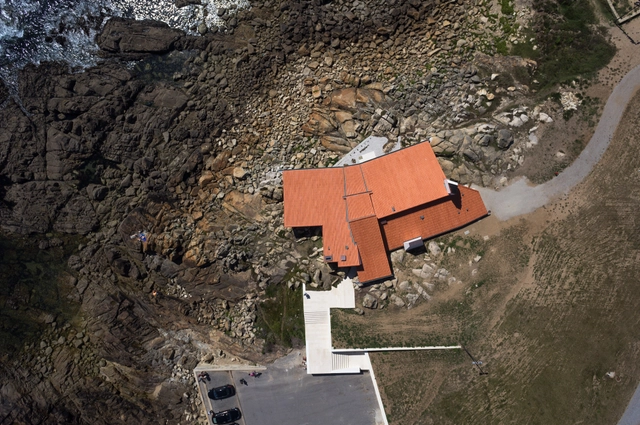
What is the draw of the aerial view? Whereas architects and designers often find solace in this particular spatial perspective there is a more inclusive, universal appeal to this way of seeing. The ease of access to online mapping services has increased our collective reliance on understanding our world from above.
Maps condense the planet into a little world inside our pocket, the commodification of which has universalised the ‘plan-view’ photograph. The question of whether or not their ubiquitous availability, having now been assimilated into our collective consciousness, is a positive step for the status of the plan is a discussion ongoing. Yet, in the face of this dilemma, architectural photographers are pushing the boundaries of drone technology in order to find new meaning.



.jpg?1417750469&format=webp&width=640&height=580)
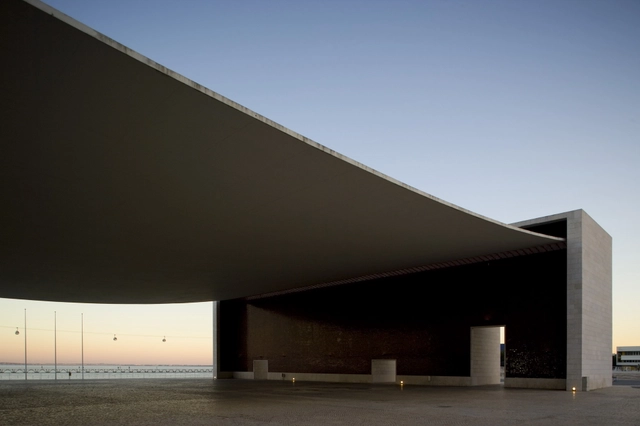
This article by Pedro Gadanho was originally published in Homeland: News From Portugal, the project created for Portugal's national representation at the 2014 Venice Biennale.
Nobody doubts that, in large measures, 20th century modernity has been brought to one’s living room by the media. Sure, toasters and mass-produced carpets have offered a sense of domestic modernity fostered by ever-more accessible technologies. But newspapers, the radio, and TV sets have delivered the sense that one was immersed in the long revolution happening outside. Drawing from popular media, Martha Rosler’s “House Beautiful: Bringing the War Home” series (1967-1972) gave this idea a poignant visual expression. If newspapers carried home modernity’s many conflicts and tensions, life-style magazines completed the picture with alluring visions of how to make yourself and your environment become “modern.”
.jpg?1415594285&format=webp&width=640&height=580)
.jpg?1415160912&format=webp&width=640&height=580)









.jpg?1417749952&format=webp&width=230&height=230&crop=true)
.jpg?1417750420&format=webp&width=230&height=230&crop=true)
.jpg?1417749994&format=webp&width=230&height=230&crop=true)
.jpg?1417750456&format=webp&width=230&height=230&crop=true)
.jpg?1417750469)


.jpg?1415594221&format=webp&width=230&height=230&crop=true)
.jpg?1415594320&format=webp&width=230&height=230&crop=true)
.jpg?1415594183&format=webp&width=230&height=230&crop=true)
.jpg?1415593944&format=webp&width=230&height=230&crop=true)
.jpg?1415594285)


.jpg?1415161190&format=webp&width=230&height=230&crop=true)
.jpg?1415161076&format=webp&width=230&height=230&crop=true)
.jpg?1415160790&format=webp&width=230&height=230&crop=true)
.jpg?1415161117&format=webp&width=230&height=230&crop=true)
.jpg?1415160912)


