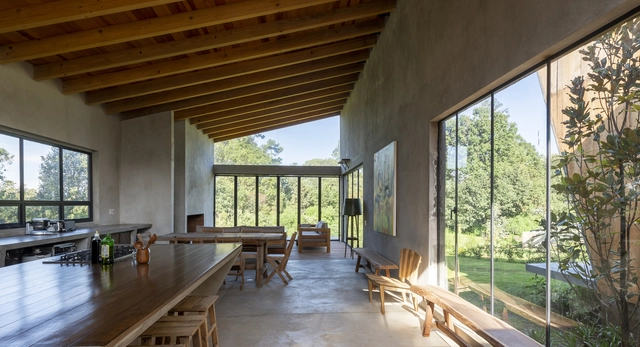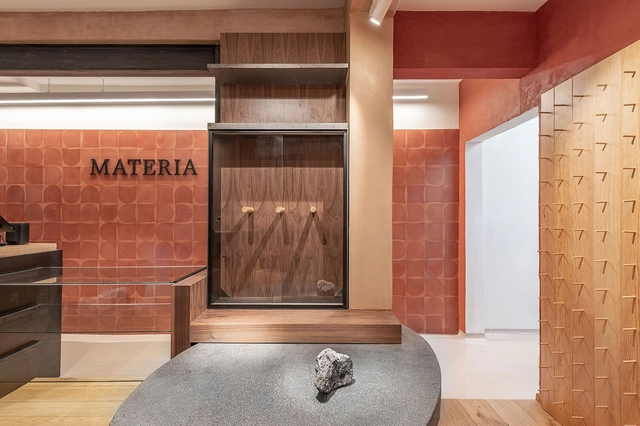


-
Architects: Luis Carbonell
- Area: 86 m²
- Year: 2021
-
Manufacturers: AutoDesk, Adobe Systems Incorporated, Gastrox, McNeel, un rayito de sol
-
Professionals: Salmiana, Operadora Obra


_Simone_Bossi.jpg?1629234719&format=webp&width=640&height=580)
Architectural photography has developed into its own art form, and it might be as important as the built work itself. We consume architecture not only physically and spatially in a building but also through photographs. A good image reportage work can give the viewer a feeling of the atmosphere, senses, and design intentions the project may spark, without actually being in the place. Photography is also a way of documenting the project's process, the use of materials, lighting, and architectural elements, and as a result, tell a complete story behind a building.
To celebrate World Photography Day, we've gathered a list of 25 architectural photographers from around the world who are worth knowing - and following on Instagram. These emerging photographers have been selected for their ability to capture architecture each in their own unique ways. Get to know them!
.jpg?1624956731&format=webp&width=640&height=580)
The automation of architectural design and rendering has been further accelerated by digital production tools. Tools such as 3D printers, assembly robots, and laser cutters, have all but perfected the design and construction process and have proven essential in optimizing resources, improving precision, and increasing control of the process.
In woodworking, the most frequently used digital production tools are milling machines or CNC (computer numerical control) routers. These tools facilitate the rendering of 2D vectoral drawings and 3D models, codifying them into instructions for the machine to follow and execute. Through this process, which starts with digital archives (typically created using design software widely known as AutoCad), milling machines and CNC routers can rapidly and precisely cut wood, producing ready to assemble pieces.
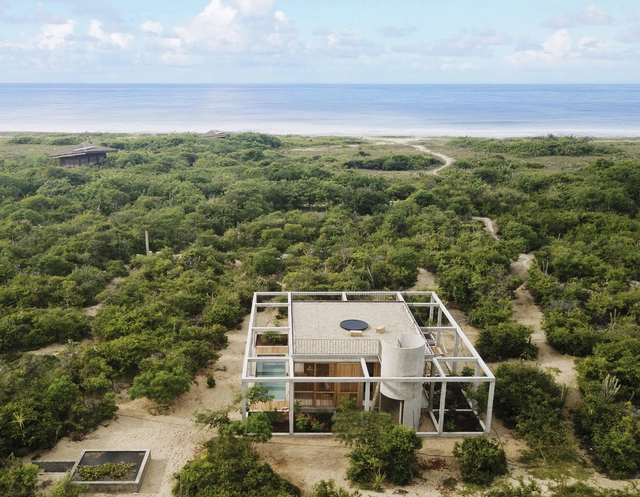
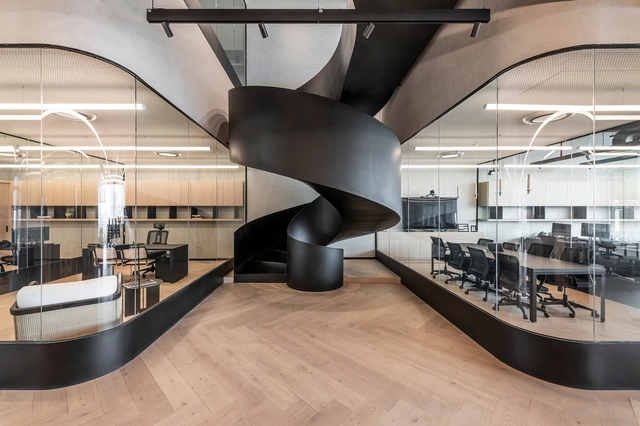
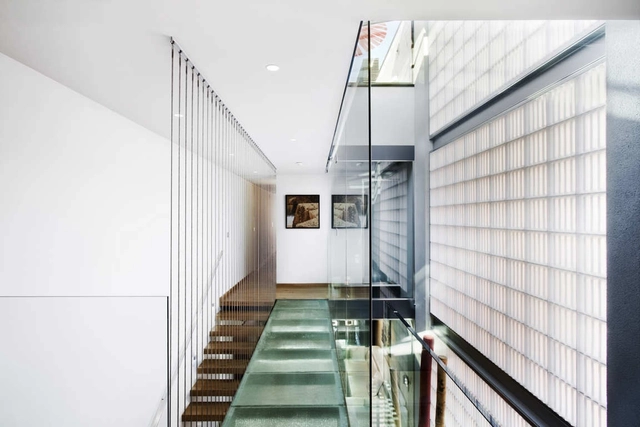
In 1977, a New York Times article by Carter B. Horsley proclaimed that “Glamorous Glass Bricks Are Booming:” once a “less than first-class” material, it was beginning to gain acceptance among architects in residential and restaurant projects for its translucence, privacy, visual interest, and sense of order. However, following the industry’s brief but widespread use of glass bricks, many now associate the material with outdated 80’s architectural styles, an aesthetic that few seem interested in reviving. Yet pioneering contemporary architects have begun using this unique material in new and distinctly modern ways, whether for sleek and minimalist bathrooms, industrial bars and restaurants, vintage residential windows, or even experimental urban facades. As Horsley stated, it appears that glamorous glass bricks are booming – again.
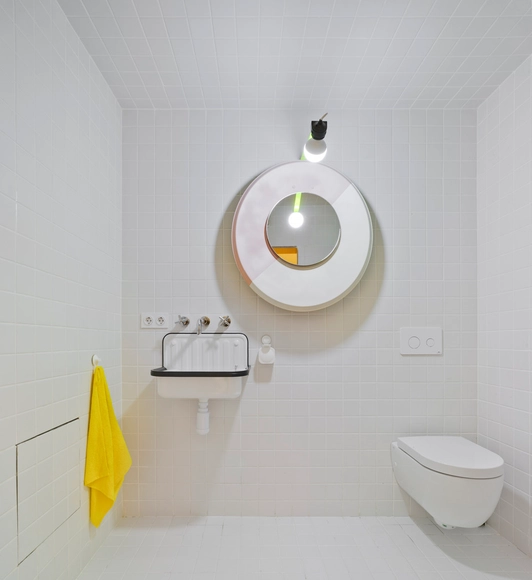
Square, rectangular, hexagonal, matte, shiny. It's hard to think of a more versatile flooring material than tiles. They're also known for their high durability, ease of maintenance and installation, and are among the most common choices for covering floors and walls, whether wet or not. Following are 10 common questions about ceramic tiles, and their answers:

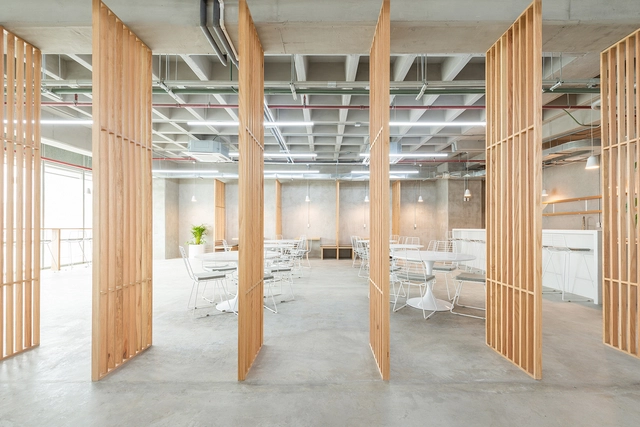
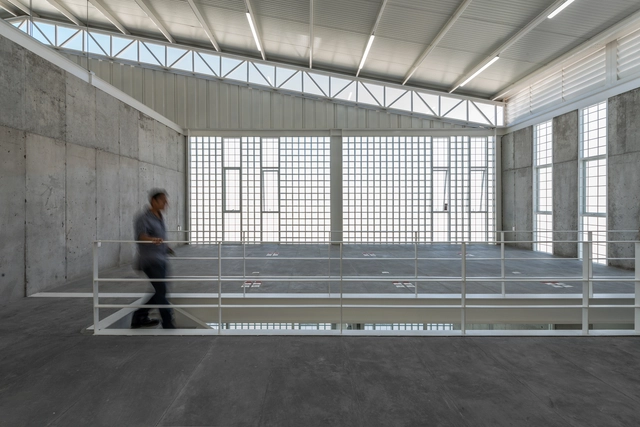

The history of Mexican photography has contributed to highlighting Mexico's presence in the world. Photographers like Elsa Medina, Lola Álvarez Bravo, Graciela Iturbide, Maya Goded, and Juan Rulfo have masterfully portrayed the life of the buildings, houses and the streets of a rapidly built, nineteenth-century Mexico.
As a consequence, the contemporary scene of Mexican photography has become a fundamental tool for architecture and has contributed to a better visual understanding of the works that are erected every day.
Photography and architecture are two disciplines that go hand in hand and whose relationship has been reinforced thanks to the digital tools that we currently have. For that reason, we have compiled the work of contemporary Mexican photographers who record our walk through the world we live in and contribute to constructing the image of contemporary Mexico.

_Maria_Gonzalez.jpg?1629145604 "© Maria Gonzalez")
_Triệu_Chiến_01.jpg?1629145656 "© Trieu Chien")
_Alex_shoots_buildings.jpg?1629229852 "© Alex Shoots Buildings")
_Leonid_Furmansky.jpg?1629230142 "© Leonid Furmansky")
_Simone_Bossi.jpg?1629234719)


.jpg?1624956731)


.jpg?1614023955&format=webp&width=230&height=230&crop=true)