BROWSE ALL FROM THIS PHOTOGRAPHER HERE

Copenhagen Architecture City Guide: 44 Projects Defining the Capital of Human-Scale Design

Subscriber Access | 

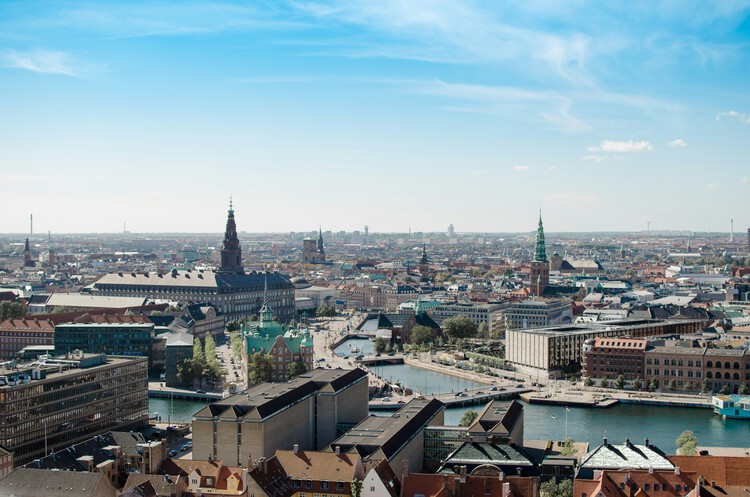
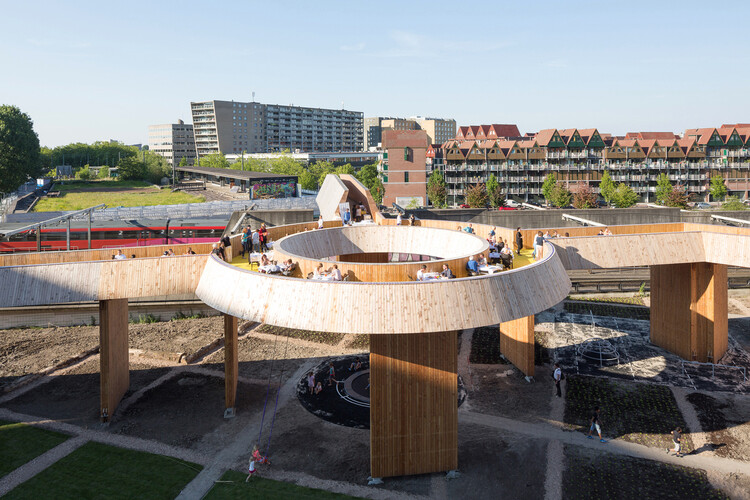
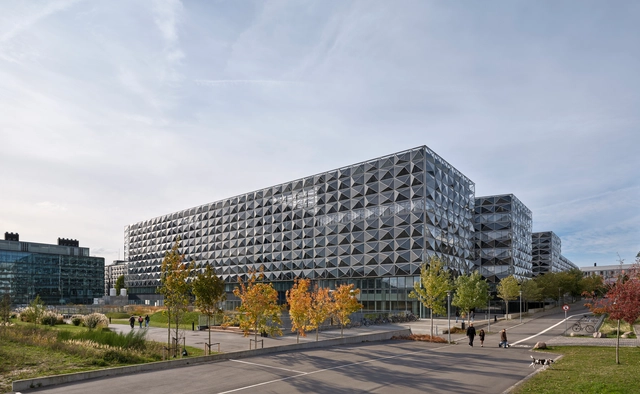
Copenhagen is long famous as the global capital of human-scale design and livability. Today, the city has widened its focus and is an active space where mid-century Scandinavian modernism meets the modern demands of climate adaptability, material circularity, radical conservation, and neighborhood density. During the first-ever Copenhagen Architecture Biennial, in 2025, the city transformed into a global platform for dialogue under the theme "Slow Down," exploring how architecture can respond to global pressures by rethinking the pace of change. And this year's 13th edition of the 3daysofdesign Festival will explore the theme of "Make This Moment Matter", encouraging the global design community to step away from digital noise and mass production to focus on the present.

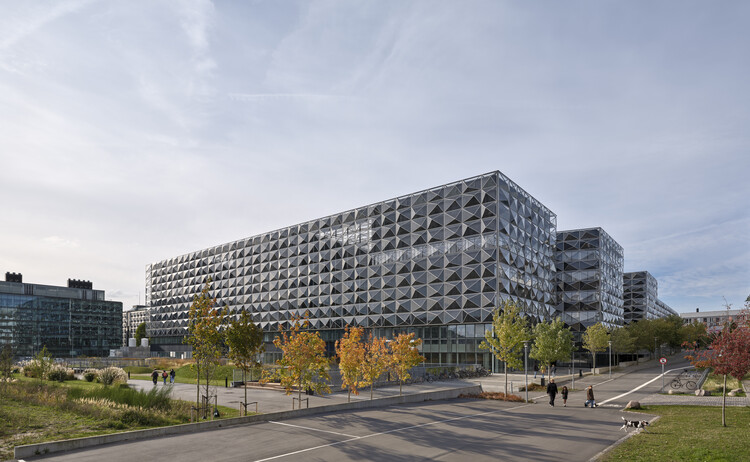
Copenhagen Architecture City Guide: 44 Projects Defining the Capital of Human-Scale Design - More Images+ 43

From Warehouse to Innovation Hub: Renovation, Reuse and Human-Centered Design for Lower Environmental Impact

 | Sponsored Content

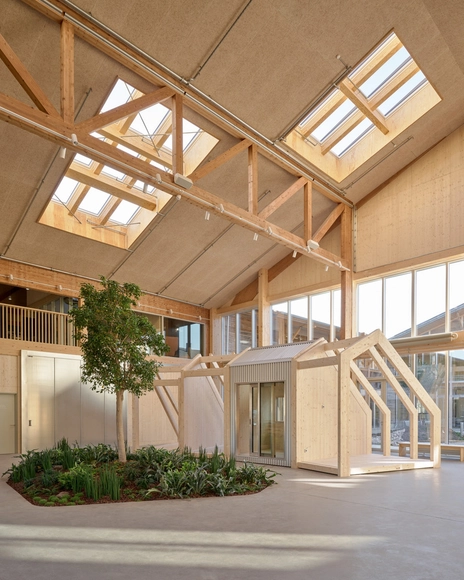
What happens when you choose reuse over demolition? In Østbirk, Denmark, a 30-year-old timber warehouse has been transformed into a 14,000-square-meter world-class innovation hub for nearly 500 VELUX employees. This article explores how the LKR Innovation House project challenges conventional building practices, preserves material legacy, and offers practical lessons for architects working with existing structures. A new book documents the process through essays, interviews, and photographs.

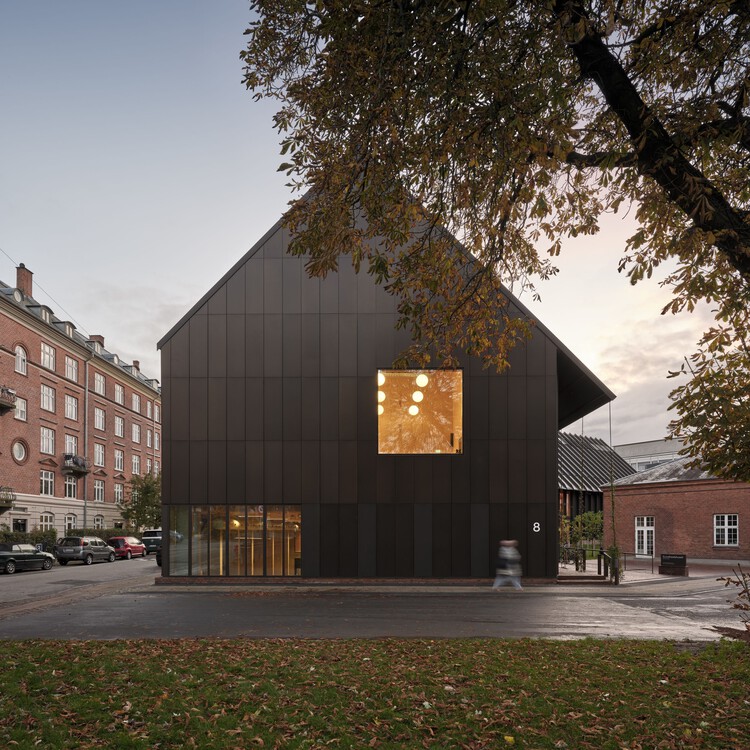
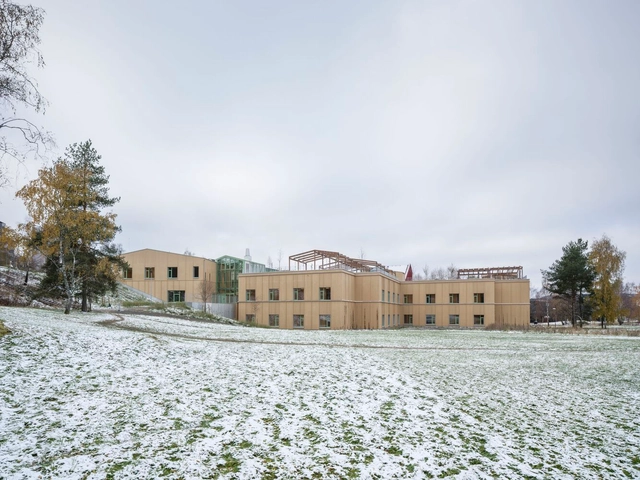
The Crafts College / Dorte Mandrup

The Crafts College / Dorte Mandrup - More Images+ 45

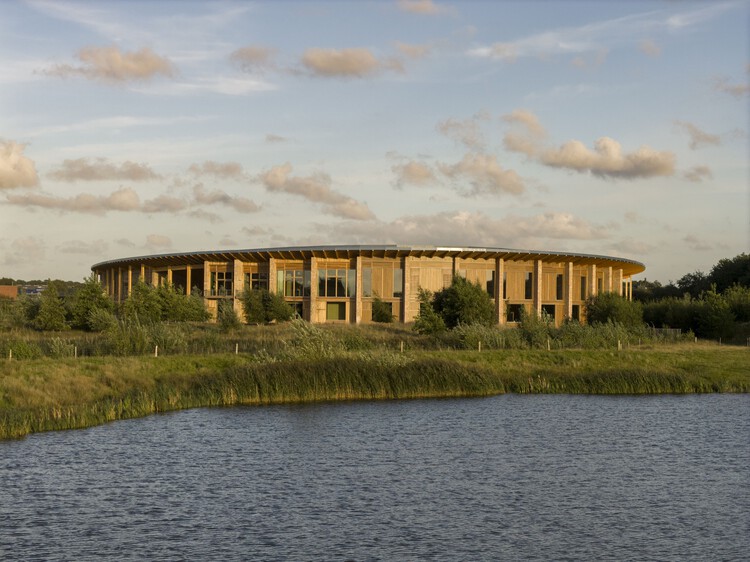
Center for Health / Dorte Mandrup

Center for Health / Dorte Mandrup - More Images+ 51

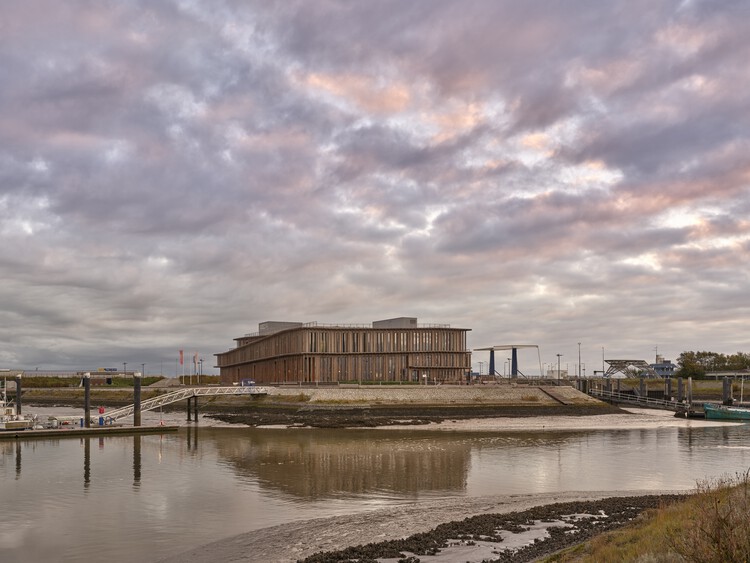
Wadden Sea World Heritage Center / Dorte Mandrup

Wadden Sea World Heritage Center / Dorte Mandrup - More Images+ 23

Leisure Architecture: 13 Projects Shaping Togetherness Across Generations

Leisure spaces are often where different generations cross paths. Without formal programs or assigned roles, they allow people to move, pause, and remain together, each engaging space in their own way. In a built environment increasingly shaped by specialization and separation, these shared spatial grounds have become less common, giving leisure-oriented architecture a renewed relevance.

Discussions around public space have repeatedly pointed to the value of openness and flexibility in supporting collective life. As architect Herman Hertzberger has noted, "the more a space can be interpreted in different ways, the more people it can accommodate." Rather than attempting to create interaction, architecture shapes the conditions that make togetherness possible.

Leisure Architecture: 13 Projects Shaping Togetherness Across Generations - More Images+ 10

Expanding Practice: Architecture Think Tanks at the Intersection of Research and Design

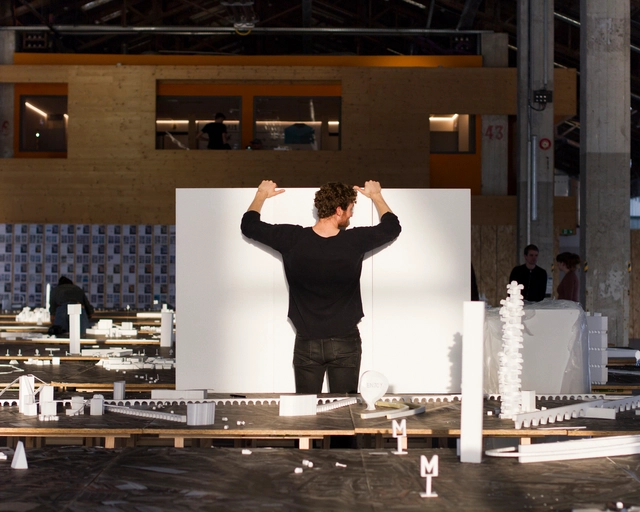
In architecture, most practices revolve around delivering projects to clients. Offices are shaped by deadlines, budgets, and clear briefs. While this structure produces buildings, it rarely leaves space for architects to question broader issues — about how we live, how cities are changing, or what the future demands of design. But alongside this production-focused system, a quieter movement has emerged: studios, collectives, and foundations that prioritize research, experimentation, and reflection. These are the architecture think tanks — spaces designed not to build immediately, but to think first.
The idea of a think tank is not new. Traditionally found in politics, economics, or science, think tanks bring together experts to study complex problems and propose solutions. In architecture, their rise reveals a tension at the heart of the discipline. If architecture is to remain socially and environmentally relevant, can it continue to rely only on client-driven practice? Or must it carve out space for slower, deeper inquiry?

Expanding Practice: Architecture Think Tanks at the Intersection of Research and Design - More Images+ 48

Rethinking Prefabrication From Standardization to Design Freedom

Generative AI (Gemini / Google DeepMind). Concept: Eduardo Souza / ArchDaily

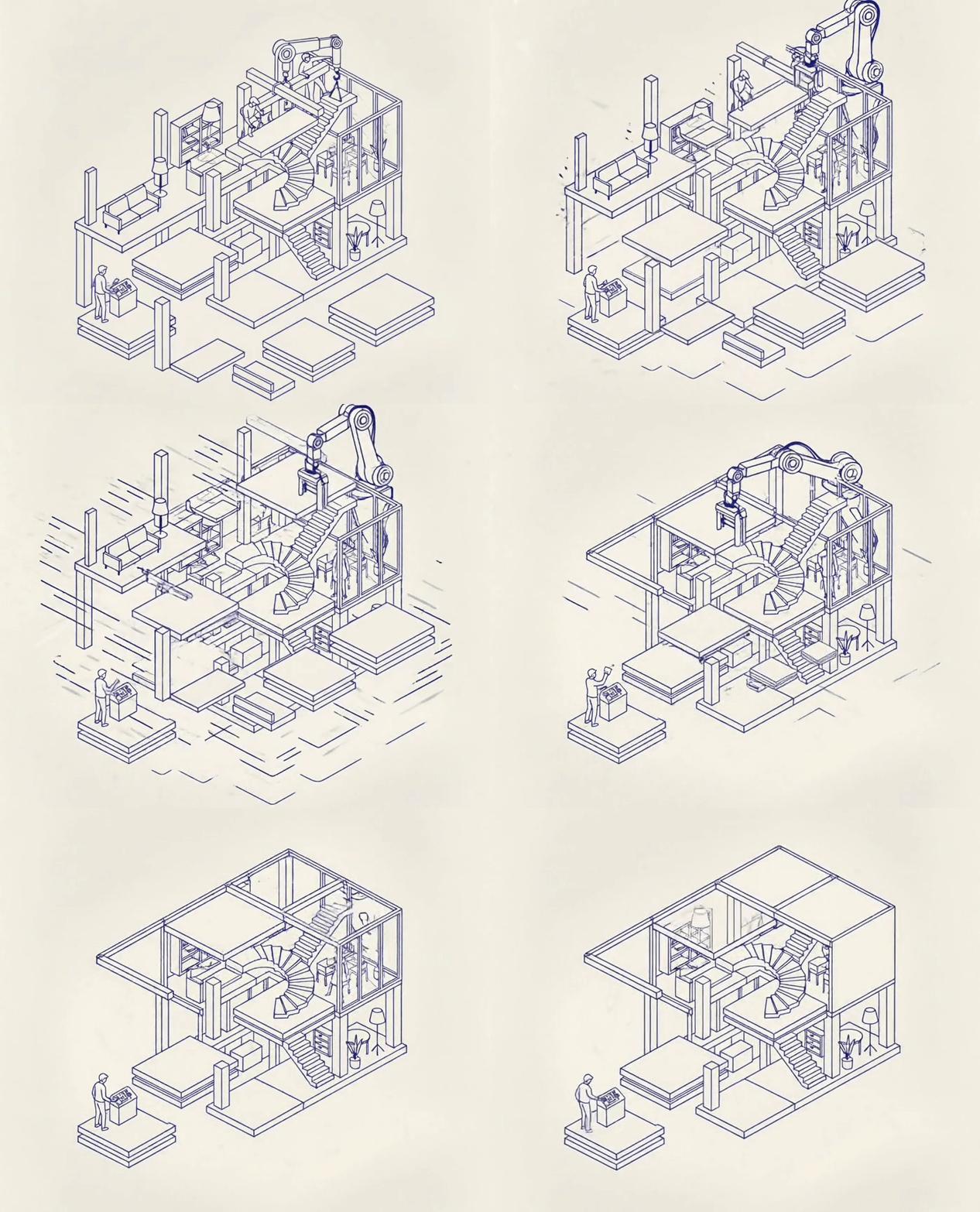
Once synonymous with monotony, “prefabricated” buildings often bring to mind the gray, repetitive housing blocks of the postwar era. But that image no longer fits today’s reality. Powered by digital design, robotics, and advanced materials, prefabrication has evolved into a language of innovation and precision. Far from uniform, it now enables flexible, efficient, and sustainable spaces that reflect the individuality of contemporary architecture.

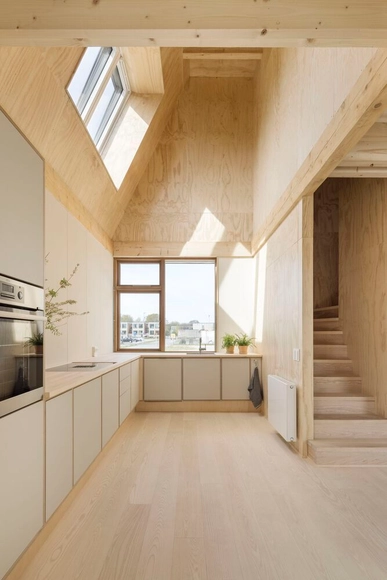
Living Places Copenhagen / EFFEKT

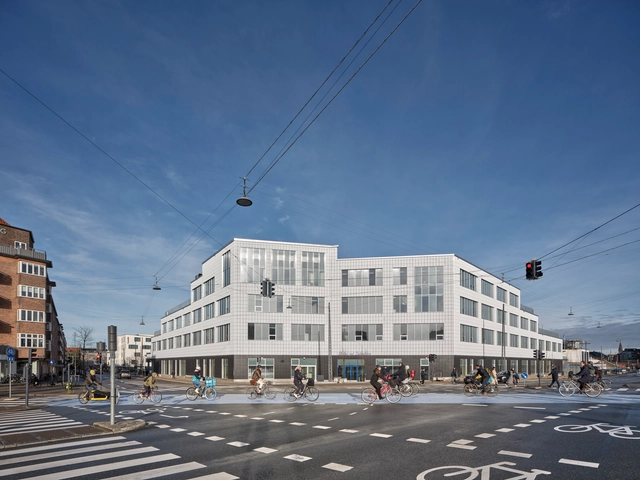
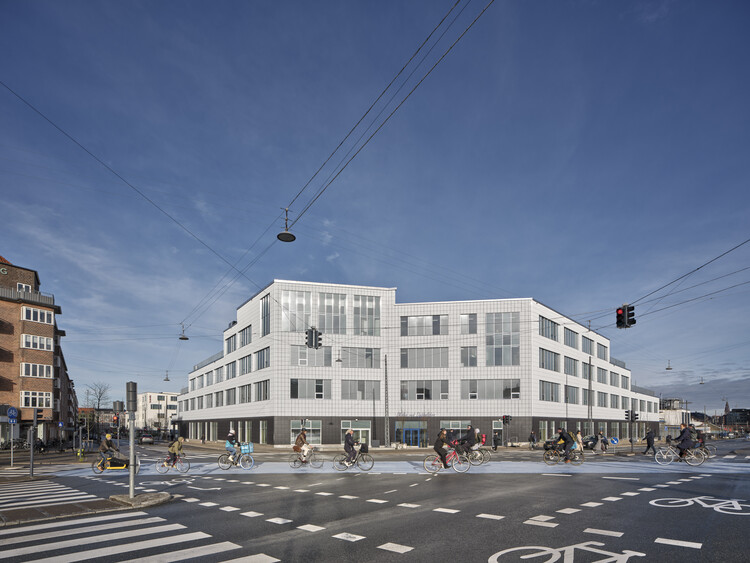
Living Places Copenhagen / EFFEKT - More Images+ 52

  • Architects: EFFEKT
  • Area Area of this architecture project Area:  2230
  • Year Completion year of this architecture project Year:  2023
  • Manufacturers Brands with products used in this architecture project
    Manufacturers:  Louis Poulsen, VELUX Group, LOUIS POUSLEN

The Niels Bohr Building / Christensen & Co. Architects + Vilhelm Lauritzen Architects

The Niels Bohr Building / Christensen & Co. Architects + Vilhelm Lauritzen Architects - More Images+ 27

Public School Meatpacking District Copenhagen / NORD Architects + BBP Arkitekter

Public School Meatpacking District Copenhagen / NORD Architects + BBP Arkitekter - More Images+ 23

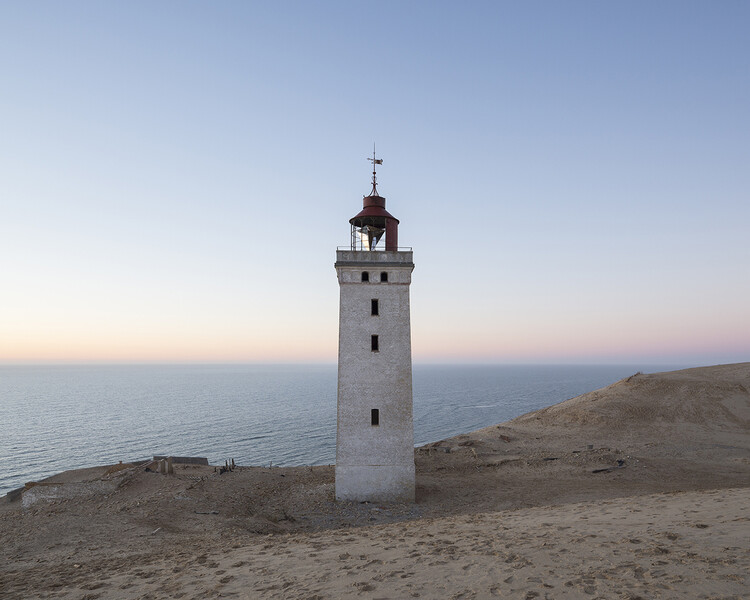
Navigating Boundaries: The Architectural Legacy of Lighthouses

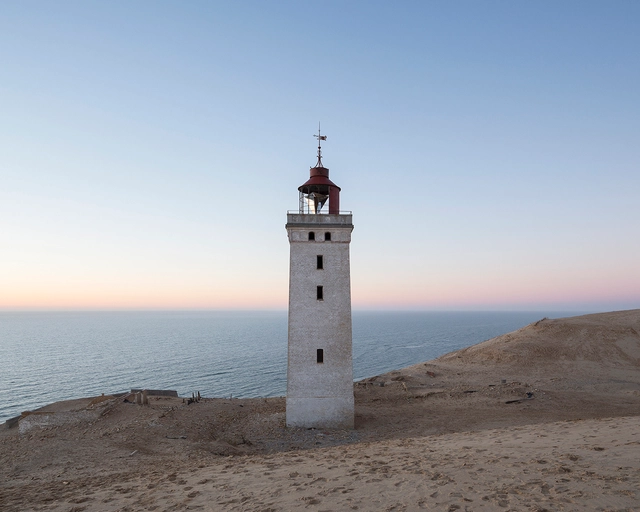
Lighthouses have stood along the margins of continents and islands for centuries as points of light in vast maritime territories. Rising in solitude from rocky cliffs, reefs, and headlands, these towers were tools for navigation and instruments of spatial clarity, shaping coastlines and marking the boundary between land and sea. Built to guide, warn, and locate, they constituted a global network of visibility long before the advent of digital mapping. Yet as maritime technologies evolved, many of these structures lost their original purpose. The typology, once essential, now stands at the edge of obsolescence. What remains is not merely an architectural relic, but a powerful spatial form — resilient, symbolic, and increasingly open to reinterpretation.

Navigating Boundaries: The Architectural Legacy of Lighthouses - More Images+ 26

A Legacy of Wood Transformed into a Creative Hub

 | Sponsored Content

What can our existing buildings teach us about building for the future? In a time of dwindling resources, architects are increasingly called to engage in dialogue—with the site, its history, and the untapped potential of what already stands. Rather than defaulting to demolition and new construction, the future of architecture may rest in uncovering the possibilities for innovation within buildings that have already stood the test of time.

Living Places Copenhagen: A Living Lab to Test the Experimental Building Project

 | Sponsored Content

It's been four years since the VELUX Group, together with partners EFFEKT architects and Artelia engineers, first embarked on Living Places. The experimental housing project demonstrated that building more sustainable homes using readily available products, materials and technologies is possible. Putting the ultra-low carbon housing concept to the test, VELUX conducted a study with 98 live-in guests to evaluate whether sustainable homes can also provide indoor comfort. Using a combination of environmental sensors and guest questionnaires, the findings reveal that the homes maintain a comfortable indoor climate in line with European Standards and had a positive effect on the well-being of guests, showing that building for planet can also greatly benefit people.

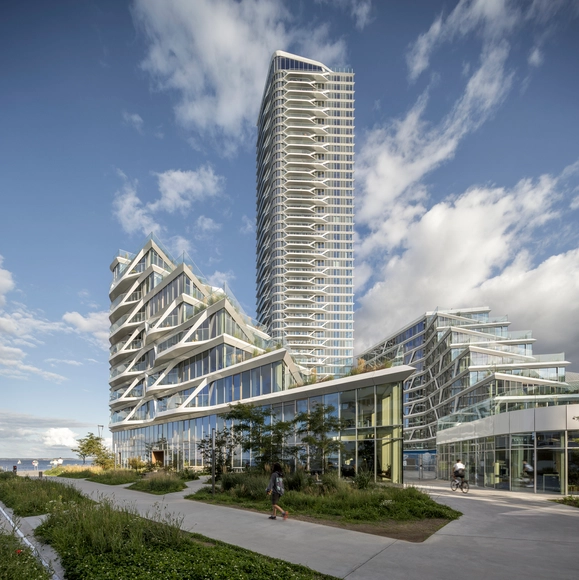
Lighthouse Building / 3XN

Lighthouse Building / 3XN - More Images+ 10

Furuset Hageby Dementia Village / NORD Architects + 3RW Arkitekter

Furuset Hageby Dementia Village / NORD Architects + 3RW Arkitekter - More Images+ 29

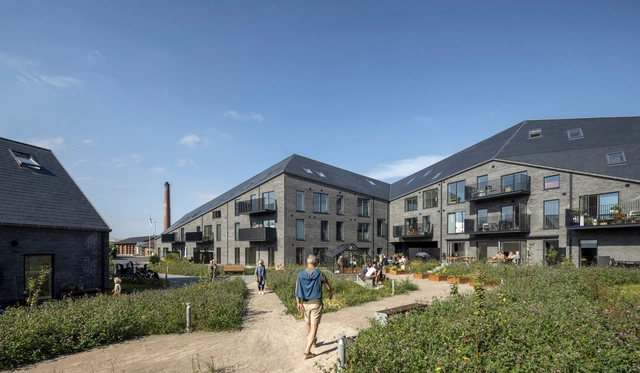
Malling Dampmølle Housing Complex / CEBRA

Malling Dampmølle Housing Complex  / CEBRA - More Images+ 16

Malling, Denmark
  • Architects: CEBRA
  • Area Area of this architecture project Area:  5600
  • Year Completion year of this architecture project Year:  2023
  • Manufacturers Brands with products used in this architecture project
    Manufacturers:  Cupa Pizarras

Light as a Design Statement: Inspiring Ways to Manage Natural Lighting

Subscriber Access | 

For most people, modern living requires spending most of the day in interior spaces - in fact, according to a report by the Environmental Protection Agency, the average person spends around 90% of their life indoors. As a result, this implies missing out on health benefits associated with sunlight exposure, such as vitamin D absorption, regulation of circadian rhythms, higher energy levels and even improved mood. Thus, one option is to increase the amount of time we spend outdoors. But because most daily functions are carried out inside buildings, it is crucial to incorporate and prioritize natural lighting in interiors.