Architectures of Movement

ArchDaily Topic

A curated selection of articles, interviews, and essays exploring land, borders, and the politics of belonging.

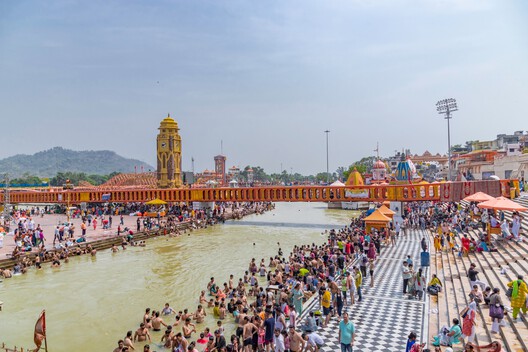
When Movement Becomes Sacred Space: The Architecture of India’s Pilgrimage Landscapes
When Movement Becomes Sacred Space: The Architecture of India’s Pilgrimage Landscapes

At the helm of architectural discourse on sacred architecture, attention almost always settles on the monument. Temples, mosques, monasteries, and churches dominate architectural histories, design criticism, and photography alike, becoming the physical symbols through which faith is understood. For millions of pilgrims across India, the most consequential architectural experience begins long before the shrine comes into view. It unfolds across mountain roads, river ghats, shaded streets, temporary camps, queue systems, bridges, water kiosks, medical stations, and countless ordinary pieces of infrastructure through which pilgrimage actually takes place. The architectural work of pilgrimage may lie less in the shrine itself than in the environments that allow millions of people to reach it.

Read more »

Architectures of Movement: ArchDaily's July Editorial Focus

Architectures of Movement: ArchDaily's July Editorial Focus

Every twelve years, the banks of the Ganges at Prayagraj become one of the largest cities on Earth — and then disappear. The Maha Kumbh Mela draws over 400 million pilgrims across six weeks, requiring the construction of a full urban infrastructure: pontoon bridges, field hospitals, kilometers of temporary roads, a grid of tent cities visible from space. When the festival ends, it is dismantled entirely. No gathering in human history produces a more complete architecture of movement; built for arrival, engineered for transience, and designed to leave no permanent trace. The Kumbh Mela is exceptional in scale, but not in condition: movement has become a defining spatial problem of the century.

Read more »