Moises Carrasco

Architect from Tegucigalpa, Honduras, currently based in Montreal, Canada.

BROWSE ALL FROM THIS AUTHOR HERE

Revitalizing Urban Ecosystems: 4 Projects Reconnecting Cities with Their Water Heritage

Water architecture has always been important throughout human history. From the aqueducts in ancient Rome to the grand canals of Venice, water has not only sustained life but also played an important role in shaping the urban environment. It has facilitated trade, nourished agricultural lands, and provided a sense of place and identity to different communities. Despite water's historical role, during the 20th century, many cities chose to bury their waterways underground, primarily for safety and hygiene reasons, as these channels often served as open sewers.

In today's rapidly urbanizing world, where cities dominate the landscape, water is being rediscovered as a means of ecological regeneration. There is a growing movement to reopen and re-naturalize urban waterways to restore them as vital ecological corridors within the city. More and more cities are now looking towards the water in an attempt to reconnect with nature and create spaces where urban life and natural ecosystems can coexist harmoniously. This growing trend reflects a deeper understanding of water not just as a resource, but as a bridge to a more sustainable and resilient future for our cities.

Revitalizing Urban Ecosystems: 4 Projects Reconnecting Cities with Their Water Heritage - Image 1 of 4Revitalizing Urban Ecosystems: 4 Projects Reconnecting Cities with Their Water Heritage - Image 2 of 4Revitalizing Urban Ecosystems: 4 Projects Reconnecting Cities with Their Water Heritage - Image 3 of 4Revitalizing Urban Ecosystems: 4 Projects Reconnecting Cities with Their Water Heritage - Image 4 of 4Revitalizing Urban Ecosystems: 4 Projects Reconnecting Cities with Their Water Heritage - More Images

Montreal Architecture City Guide: 15 Historic and Contemporary Landmarks in Canada’s Cultural Capital

Subscriber Access | 

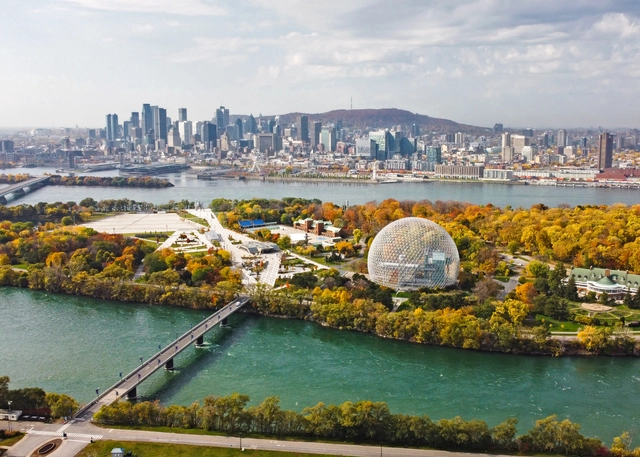
Montreal, located along the Saint Laurent River in Southern Quebec, is Canada’s second-largest city. Often renowned for its architectural diversity, its built environment reflects both its colonial past and modern evolution. As a former territory of "Nouvelle France," French language and culture remain dominant, which has in turn influenced the city's architectural character. Notably, Old Montreal features well-preserved buildings from the 18th and 19th centuries, most of which are a testament to the city’s industrial growth after the construction of the Lachine Canal. The area's heritage has been protected and restored through efforts by figures like Phyllis Lambert and organizations such as Heritage Montreal, allowing the city’s rich architectural history to coexist with its modern developments.

Montreal's multiculturalism is evident in neighborhoods like Little Italy and Little Portugal, with its diversity fueling a vibrant cultural scene. The city hosts a multitude of festivals every year, many held in open-air venues like Place des Festivals. Parc Jean-Drapeau, built for the 1967 World Expo, is another popular spot for large events while offering stunning views of the city skyline. Another relevant site is Mont Royal Hill, a park offering panoramic views of downtown and access to hiking trails, Saint Joseph’s Oratory, Beaver’s Lake, and other areas of architectural interest such as the Plateau.

Montreal Architecture City Guide: 15 Historic and Contemporary Landmarks in Canada’s Cultural Capital - Image 1 of 4Montreal Architecture City Guide: 15 Historic and Contemporary Landmarks in Canada’s Cultural Capital - Image 2 of 4Montreal Architecture City Guide: 15 Historic and Contemporary Landmarks in Canada’s Cultural Capital - Image 3 of 4Montreal Architecture City Guide: 15 Historic and Contemporary Landmarks in Canada’s Cultural Capital - Image 4 of 4Montreal Architecture City Guide: 15 Historic and Contemporary Landmarks in Canada’s Cultural Capital - More Images+ 12

The Repositioning of Office Buildings: Creating Amenity-Rich Experiences in the Post-Pandemic U.S.

Subscriber Access | 

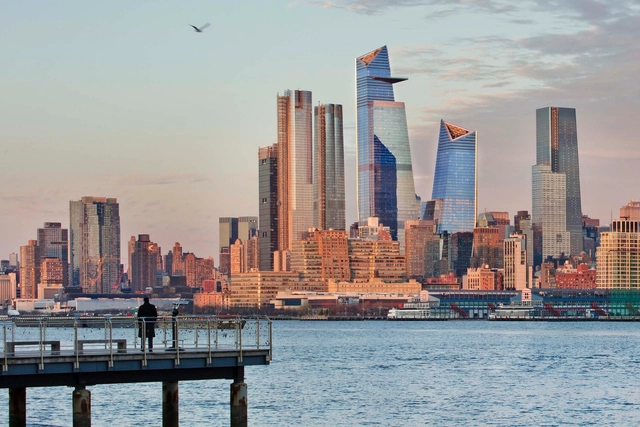
The office building typology emerged from the need to unite thousands of people within a relatively strict working environment. In major cities, these structures clustered into Central Business Districts (CBDs), which became dedicated neighborhoods accommodating commerce and businesses. However, the COVID-19 pandemic disrupted this model, leading to the rise of remote and hybrid work. Now, nearly four years later, occupancy rates in these urban centers remain lower than pre-pandemic levels, signaling a long-term shift in the work environment. To address this challenge, developers have been increasingly looking into “repositioning” their projects, seeking to redefine their image by adapting them to contemporary demands. This typology considers the surrounding urban fabric, aiming to expand the building’s use beyond its original purpose and attract people back to the CBDs.

The Repositioning of Office Buildings: Creating Amenity-Rich Experiences in the Post-Pandemic U.S. - Image 1 of 4The Repositioning of Office Buildings: Creating Amenity-Rich Experiences in the Post-Pandemic U.S. - Image 2 of 4The Repositioning of Office Buildings: Creating Amenity-Rich Experiences in the Post-Pandemic U.S. - Image 3 of 4The Repositioning of Office Buildings: Creating Amenity-Rich Experiences in the Post-Pandemic U.S. - Image 4 of 4The Repositioning of Office Buildings: Creating Amenity-Rich Experiences in the Post-Pandemic U.S. - More Images+ 2

The Urbanism of Tegucigalpa: How Modernist Planning Shaped Honduras’ Capital

Subscriber Access | 

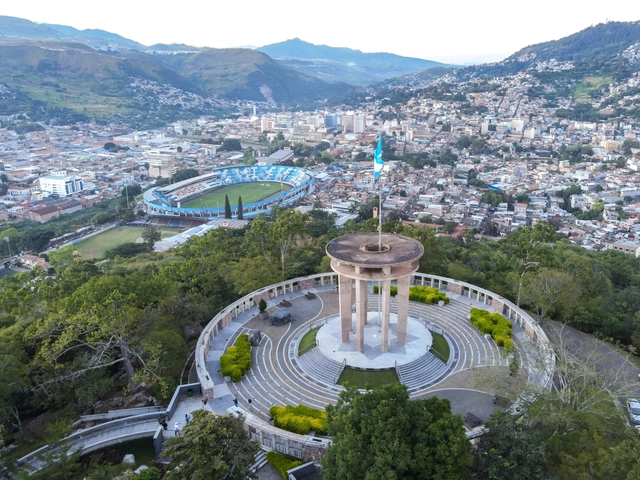
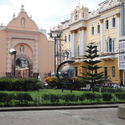
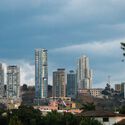
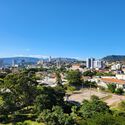
In the first decades of the XXI century, Honduras experienced higher levels of crime and violence compared to its other Central American neighbors. This situation caused the country to be largely avoided by most visitors and investors. However, it didn’t stop Tegucigalpa, its capital city, from experiencing an explosion of residential and office developments which are currently reshaping its skyline. Defined by a unique topography, and tropical weather, the city served as a testing ground for modernist urban principles that contributed to the transformation of a small mining town into one of the largest metropolises in Central America.

The Urbanism of Tegucigalpa: How Modernist Planning Shaped Honduras’ Capital - Arch Daily InterviewsThe Urbanism of Tegucigalpa: How Modernist Planning Shaped Honduras’ Capital - Arch Daily InterviewsThe Urbanism of Tegucigalpa: How Modernist Planning Shaped Honduras’ Capital - Arch Daily InterviewsThe Urbanism of Tegucigalpa: How Modernist Planning Shaped Honduras’ Capital - Arch Daily InterviewsThe Urbanism of Tegucigalpa: How Modernist Planning Shaped Honduras’ Capital - More Images+ 6