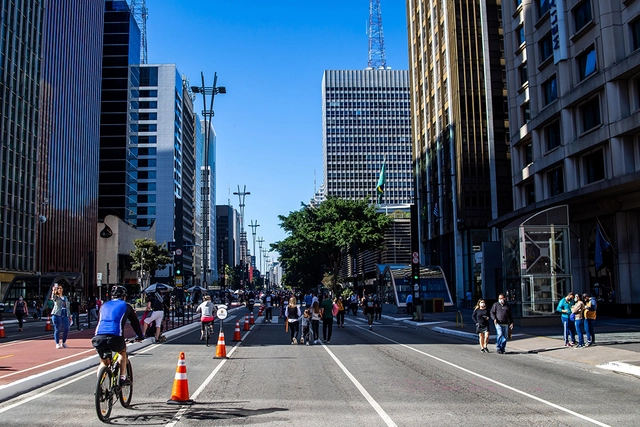
Urban public space is, and must remain, a platform for social, cultural, and political expression. Studies such as those by UN-Habitat recognize that accessible, safe, and inclusive public spaces are vital tools for mitigating urban inequality.
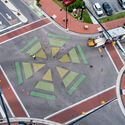
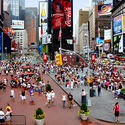
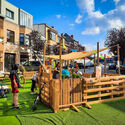
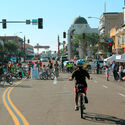
Moreover, when conceiving these spaces as a "living room," they should ideally be functional and welcoming to everyone, ensuring users feel "invited" to linger, use, and care for them. Over the past two decades, open public spaces (streets, intersections, squares, plazas, parks, etc.) have increasingly become the focus of strategic and tactical activations and experiments.