Architect, researcher, and editor based in Istanbul with a master’s degree in Alternative Architectural Practices. Pursuing a second bachelor’s degree in Sociology to further explore the evolving relationship between cities and their inhabitants.
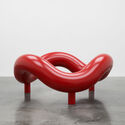
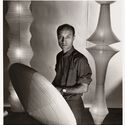
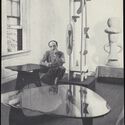
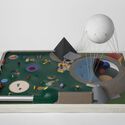
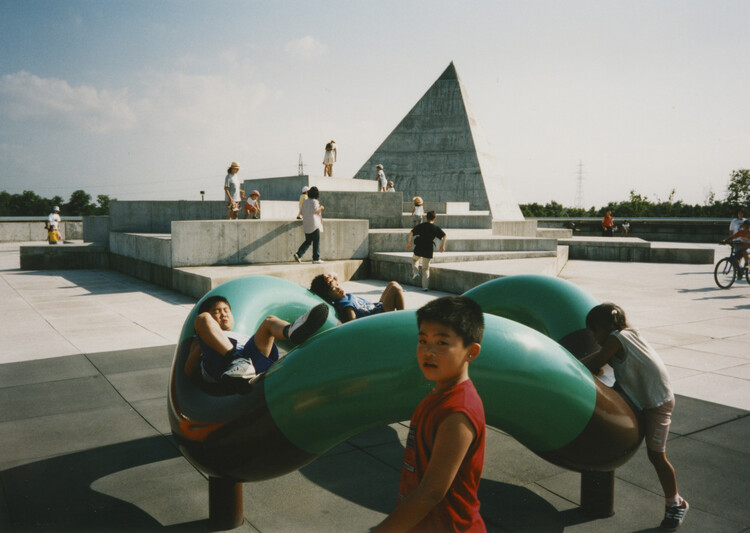
The High Museum of Art in Atlanta will present Isamu Noguchi: "I am not a designer" from April 10 to August 2, 2026. The exhibition examines the design work of Isamu Noguchi (1904–1988) across sculpture, furniture, lighting, landscape, and stage design, marking his first major design-focused retrospective in nearly 25 years. Following its presentation in Atlanta, the exhibition will travel to the Peabody Essex Museum in Salem, Massachusetts, from September 19, 2026, to January 3, 2027, and to the Memorial Art Gallery of the University of Rochester in spring 2027.
Across different geographies and scales, this week's architecture news reflects a sustained focus on how cities and buildings are being recalibrated in response to evolving patterns of movement, work, and collective life. Across multiple contexts, public space and mobility remain central concerns, with streets, downtowns, and large-scale developments serving as testing grounds for new approaches to accessibility, resilience, and everyday use. Pedestrianisation initiatives and community-led visions point to evolving governance models and long-term urban strategies, while cultural and research-driven platforms continue to frame these changes within broader public discourse. In parallel, progress on major mixed-use and corporate projects underscores the growing integration of digitalinfrastructure, environmental performance, and flexible spatial frameworks within contemporary architecture.
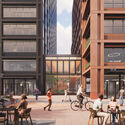
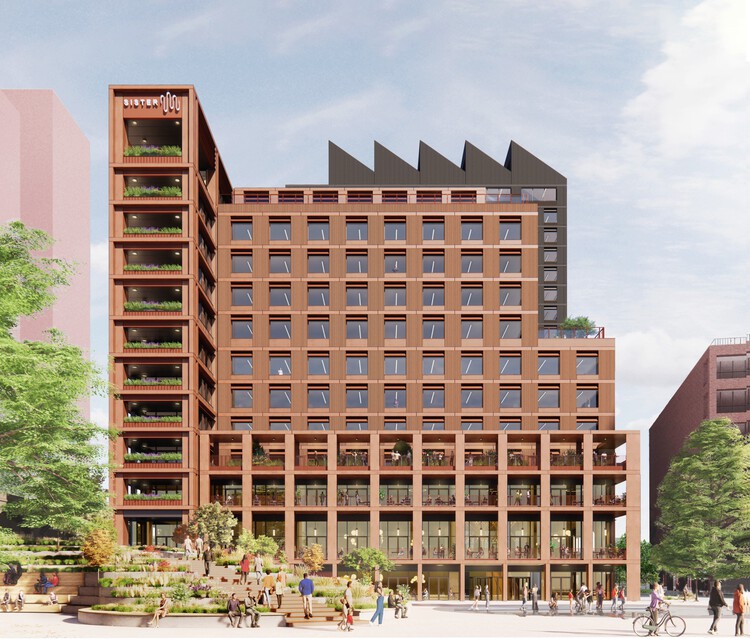
Sister Plot C, Manchester. Image Courtesy of Allies and Morrison
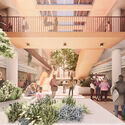
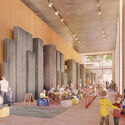
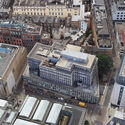
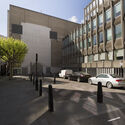
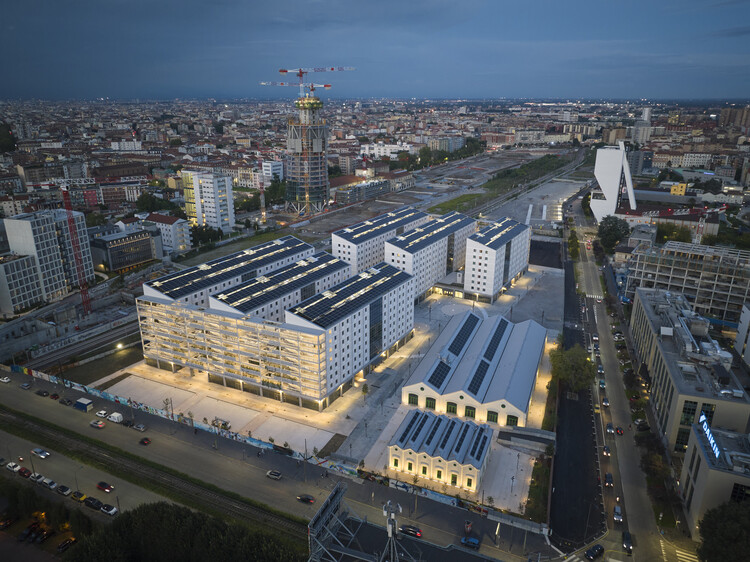
Plot C, Sister, Manchester, a pair of linked commercialbuildings located on the north-east corner of the Sister campus, has received planning approval from Manchester City Council. Designed by Allies and Morrison and SLA for client Sister, a joint venture between the University of Manchester and Bruntwood SciTech, the scheme represents the first major new-build phase of the master plan for Manchester's emerging innovation district. With a total gross external area of approximately 81,000 square metres, the development is positioned as one of the city's largest new workplace-led projects, marking a key moment in the phased transformation of the site.
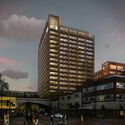
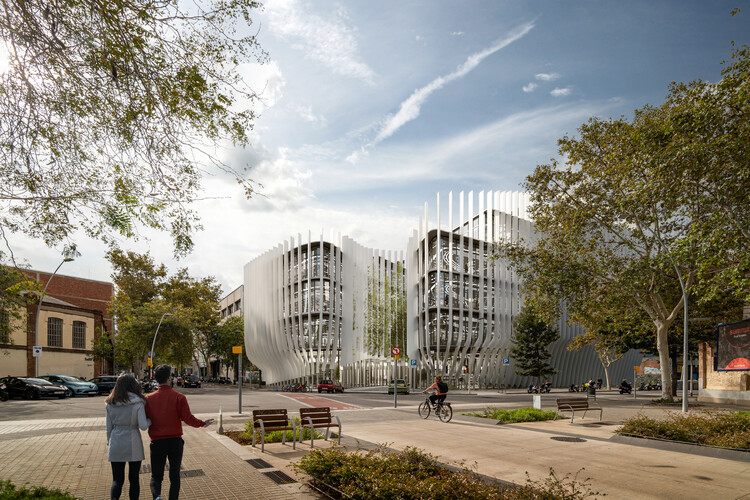
Located in Barcelona's El Raval district, the Futuristic Office Building by SNOB Architects introduces a contemporaryoffice program within a consolidated and historically layered urban environment. Designed by the Lisbon-based practice and scheduled for completion around 2026, the project comprises approximately 12,000 square meters of gross built area. The building's height, massing, and proportions are calibrated in response to the surrounding fabric, reflecting the scale of adjacent structures while establishing a contemporary architectural language. Rather than presenting itself as an isolated object, the project is conceived as part of the existing city, contributing to the gradual transformation of El Raval through a controlled and context-aware architectural approach.
Taschen's new book, published in October 2025, Tadao Ando. Sketches, Drawings, and Architecturepresents an in-depth exploration of the Japanese architect Tadao Ando's creative process, bringing together over 750 sketches, drawings, models, and technical plans developed over nearly five decades. Created in close collaboration with Ando himself, the book provides a rare view into how his ideas take shape, from the immediacy of the first pencil lines to the precision of architectural drawings that define his built works. Through these materials, the publication highlights Ando's enduring focus on the relationship between hand, thought, and space.
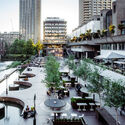
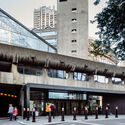
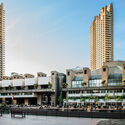
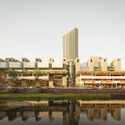
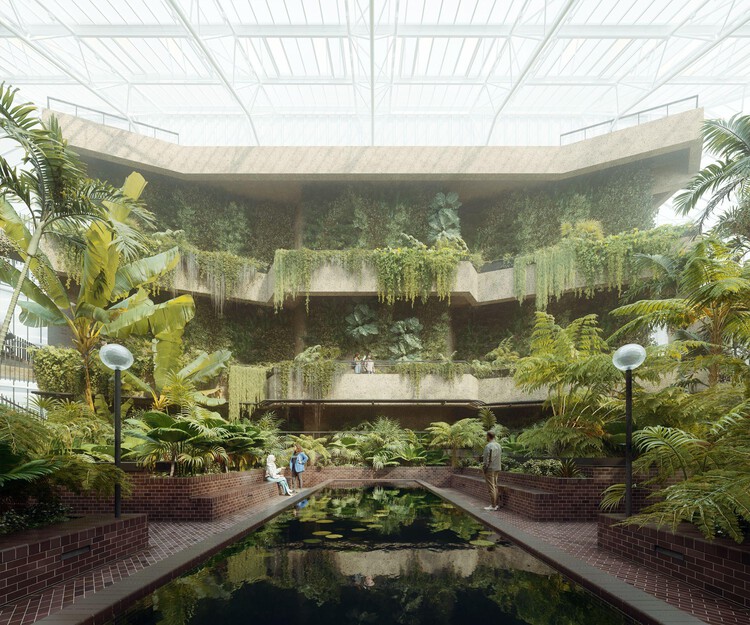
The City of London Corporation has formally approved the delivery plan for the renewal of the Barbican Centre, confirming a £191 million investment to support the first five-year phase of a long-term transformation programme. Approved in December 2025, the decision secures funding for major repairs, infrastructure upgrades, and public space improvements across the Grade II-listed complex. Subject to planning permission, major construction is scheduled to begin in 2027, with completion of this phase targeted for 2030, ahead of the Barbican's 50th anniversary. To facilitate the works, most programmes within the Centre will pause for approximately one year between June 2028 and June 2029, while preparatory upgrades, including essential works to the Barbican Theatre, are set to begin in early 2026.
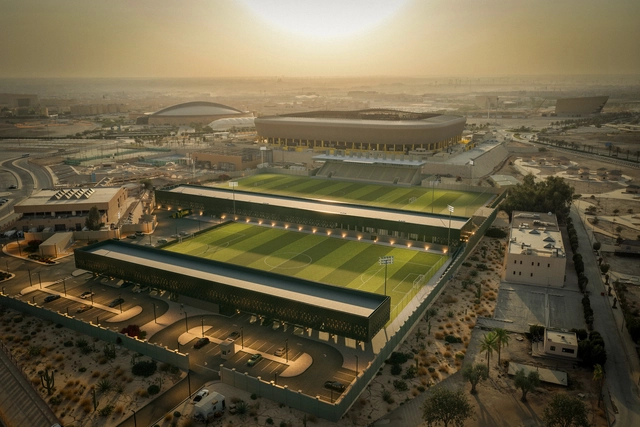
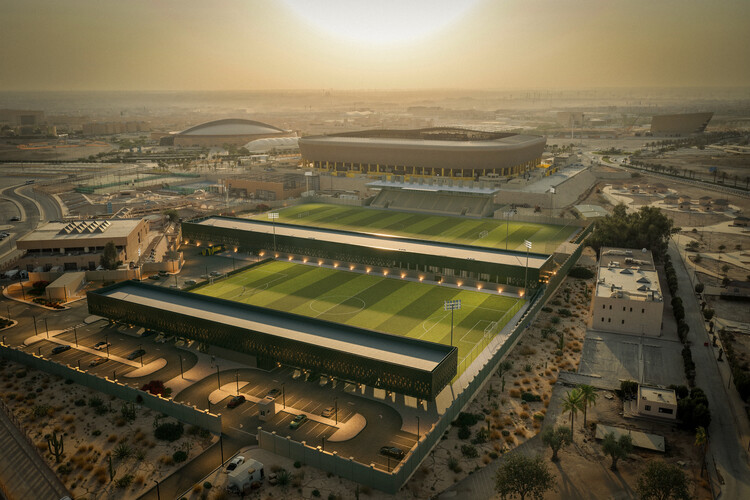
OODA announces the House of Nassr, a new integrated sports complex designed for Al Nassr FC in Riyadh, Saudi Arabia. Planned as a comprehensive facility supporting both athletic performance and club operations, the project brings together a high-performance training centre, administrative and media spaces, athlete support facilities, and social areas, with a hotel scheduled for a second phase of development. The complex occupies an area of approximately 4,000 square meters. While the overall project remains ongoing, the first phase has been completed in 2025, marking OODA's first realized project in Saudi Arabia.
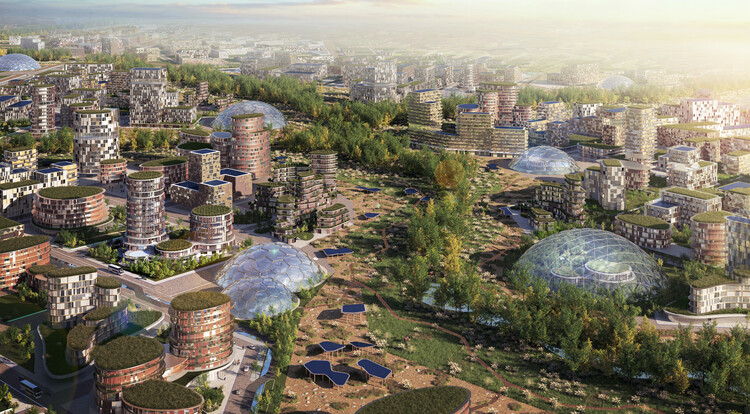
Hunnu City Ecological Corridor. Image Courtesy of Bechu & Associés
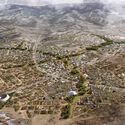
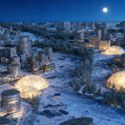
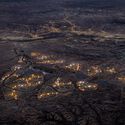
Bechu & Associés has been selected as the winner of the international open competition for the masterplan of Hunnu City, a new satellite city planned south of Ulaanbaatar, Mongolia. Announced in 2025, the winning proposal establishes a long-term urban framework for a 31,503-hectare site located near Chinggis Khaan International Airport, with phased development planned between 2025 and 2045. The project forms part of Mongolia's broader territorial strategy under the Ulaanbaatar 2040 Master Plan and the national Vision 2050 framework, positioning Hunnu City as a new emerging major city intended to support population decentralization, economic diversification, and long-term urban resilience.
This week's architectural news reflects a broad engagement with how institutions, practitioners, and cultural platforms are positioning themselves in relation to both legacy and long-term change. Across museums, galleries, and major cultural events, architecture is being framed as an evolving public infrastructure, one that must respond to expanding collections, shifting curatorial models, and growing expectations around accessibility, sustainability, and civic presence. Alongside these institutional developments, professional recognitions and appointments have foregrounded practices rooted in site specificity, conservation, and critical research, highlighting architecture's role in mediating between historical contexts and contemporary needs.
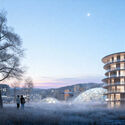
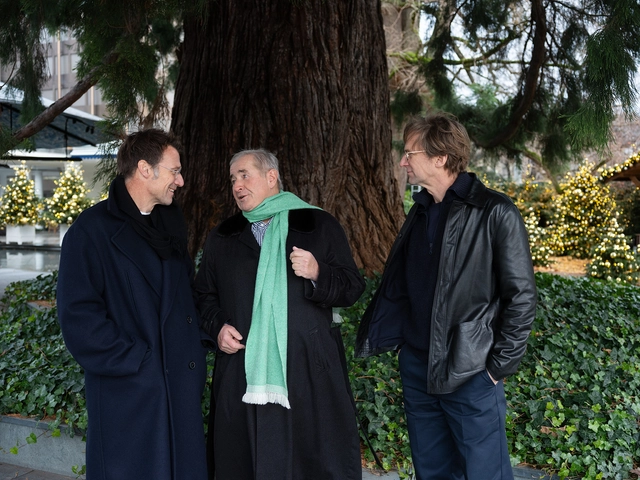
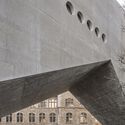
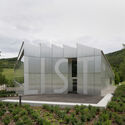
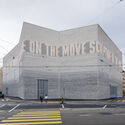
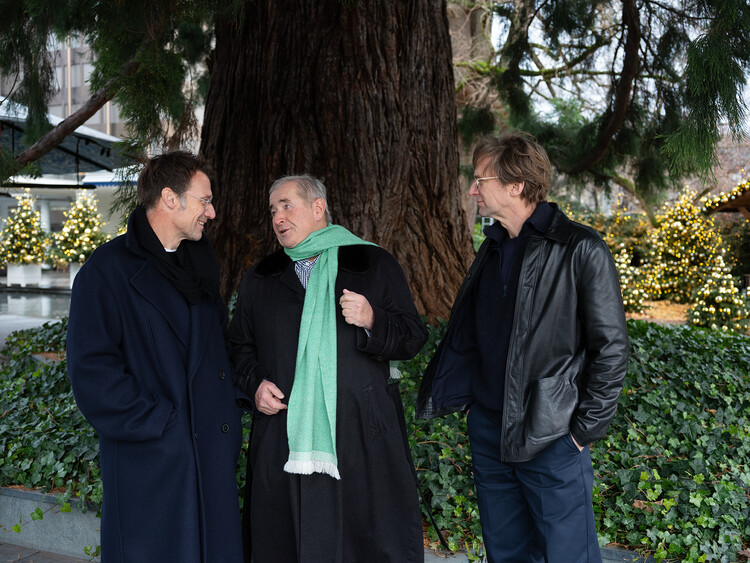
Kistefos Museum has announced Swiss architectural practice Christ & Gantenbein as the winner of its international design competition for a new museum building at the Kistefos site in Jevnaker, approximately one hour north of Oslo. Conceived as a significant new addition to one of Europe's leading sculpture parks and cultural destinations, the project is scheduled to open in 2031 and will house the art collection of Kistefos founder and collector Christen Sveaas through the Christen Sveaas Art Foundation. Following the announcement, Christ & Gantenbein will now work with Kistefos Museum to further develop the concept design toward realization.
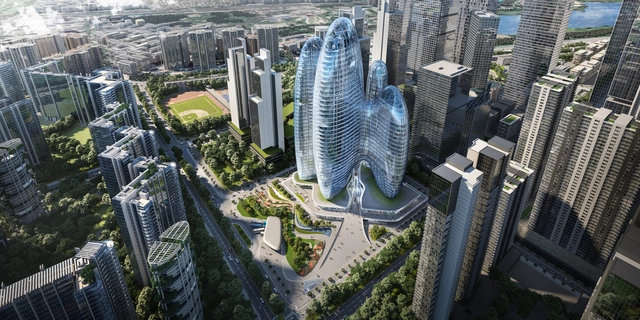
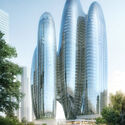
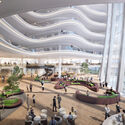
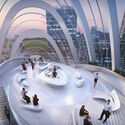
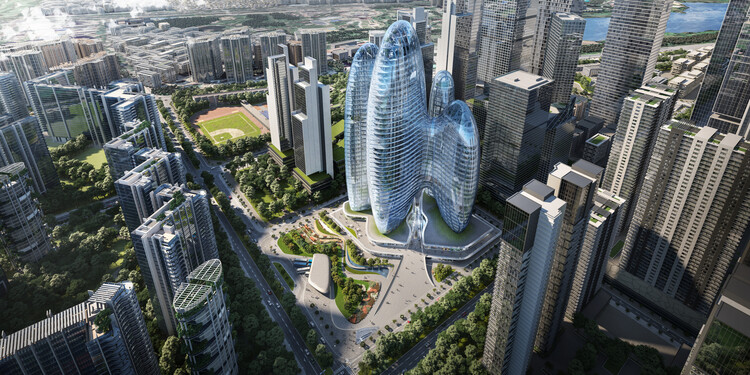
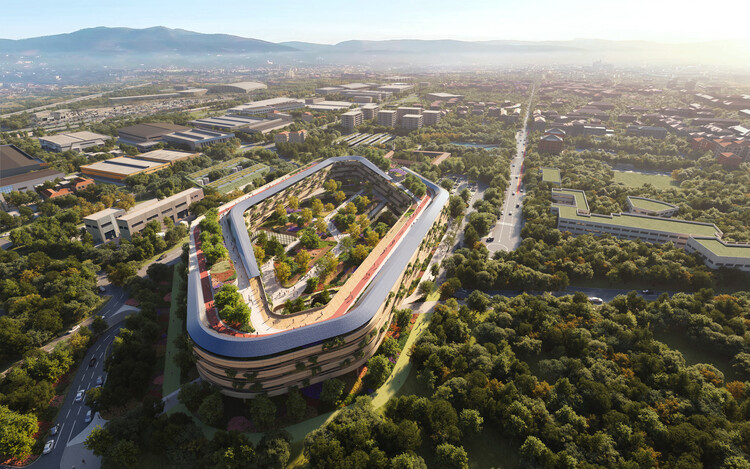
Zaha Hadid Architects, in collaboration with RINA as team leader, Studio Plicchi, WSP, STI Engineering, and BC Building Consulting, has won the international competition to design Malpensa Hospital (Grande Ospedale della Malpensa) in Italy. Commissioned by the Lombardy Regional Health Authority, the project will consolidate the existing Gallarate and Busto Arsiziohospitals into a single medical campus serving the area between Milan and Varese, with a catchment of nearly one million residents.
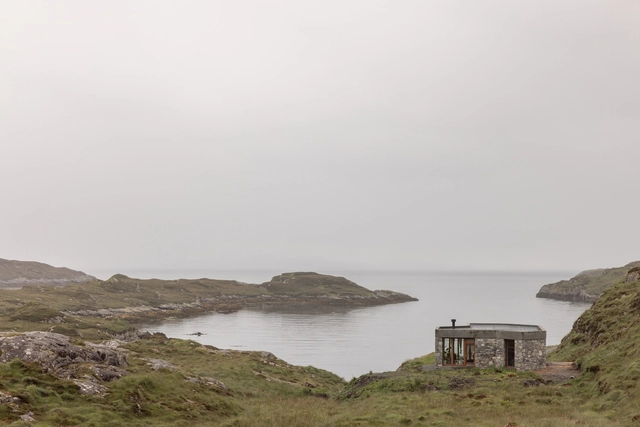
Caochan na Creige, designed by Izat Arundell, has been announced as the winner of the RIBA House of the Year 2025 award. The timber-framed, stone-clad self-build is located in Scotland's Outer Hebrides, occupying a compact rural plot defined by exposed weather conditions and a distinct geological setting. Built by and for its architect owners, the house was selected for its clear response to site constraints, its material strategy, and the consistency between design intent and construction.
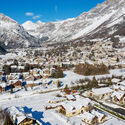
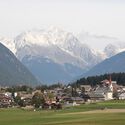
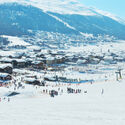
As preparations advance for the Milano Cortina 2026Olympic Winter Games, set to take place from February 6 to 22, 2026, this edition introduces one of the most geographically wide-ranging configurations ever implemented for the Winter Olympics. Extending across two cities, two regions, and two autonomous provinces, the competitions will be staged over more than 22,000 square kilometres of Northern Italy. Metropolitan venues in Milan are paired with longstanding Alpine centres in Cortina d'Ampezzo, Livigno, Bormio, Anterselva, and Val di Fiemme, creating a framework that bridges urban and mountain contexts. More than 90 per cent of the venues are existing or temporary facilities, reflecting a strategy centred on adaptive reuse, selective upgrades, and long-term integration into regional sport and cultural infrastructures. Nearly 2,900 athletes will compete in 116 events, including the debut of ski mountaineering and several new mixed-gender formats that signal evolving approaches to winter sports programming.
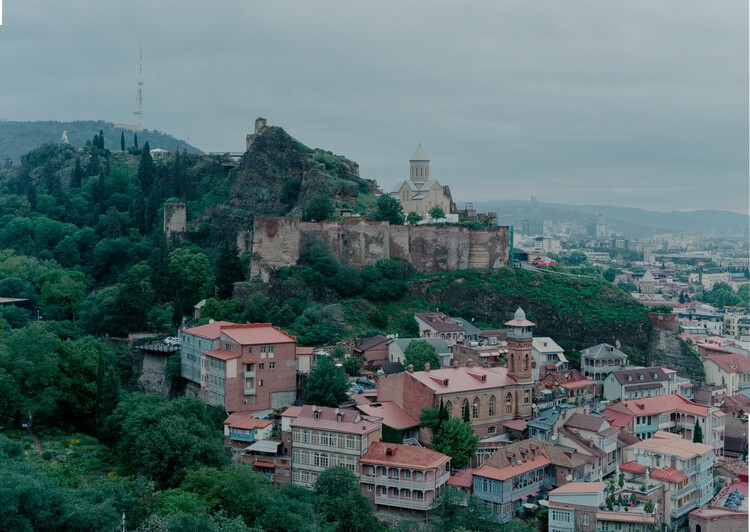
Narikala Fortress (Earliest parts dates back from 4th century), Tbilisi, Georgia. Image Courtesy of National Archives of Georgia
Ubani — Tbilisi Cityscape Research Center has released "Kala," the first publication in its new Guide to Tbilisi Districts series, offering an in-depth look at one of the Georgian capital's oldest urban areas. As a non-profit organization dedicated to researching and promoting Tbilisi's architectural heritage and landscape, Ubani develops public programs, exhibitions, workshops, and events aimed at making the city's built environment more widely understood. This inaugural guidebook continues that broader mission, situating Kala within the long-term evolution of Tbilisi's urban fabric.