Architect, urbanist, and Content Editor at ArchDaily, covering news and developments in architecture and the built environment. Editorial work focuses on the Gulf region and the Middle East, exploring contemporary regional architectural languages and their relationship to local contexts.
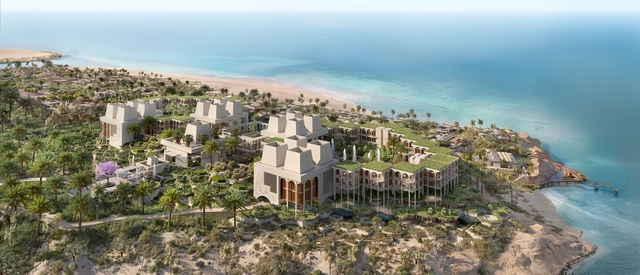
The Developer Red Sea Global has partnered with the wellness brand Clinique La Prairie to develop a high-end health resort in Amaala, located on the northwest coastline of Saudi Arabia. The resort will host 13 villas and 52 houses and suites. It will also feature a diagnostics lab, a museum, a beach club, workshops, training rooms, private dining spaces, and a cooking school, activities that ensure that the visitors embark on a journey of rejuvenation and self-discovery.
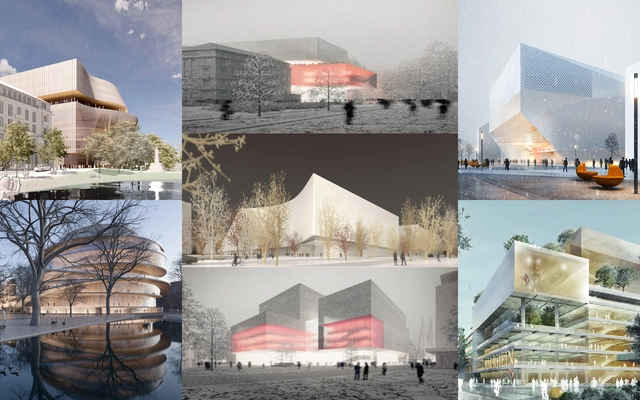
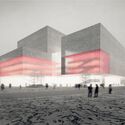
The finalists for the Opera of the Future competition have been announced. This urban planning competition, commissioned by the state capital of Düseldorf, was created to select a location for the new cultural institution. After an extensive examination of potential site locations, the two options for the competition proposals were: Heinrich-Heiene-Allee, where the current opera house is, and Am Wehrhahn.
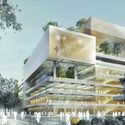
Throughout the brief, firms were encouraged to figure out how this future project could become a lively and public space open to the entire city, offering a wide range of services. As a result, submissions were received for both prospective buildings, and the finalists for each location were announced.
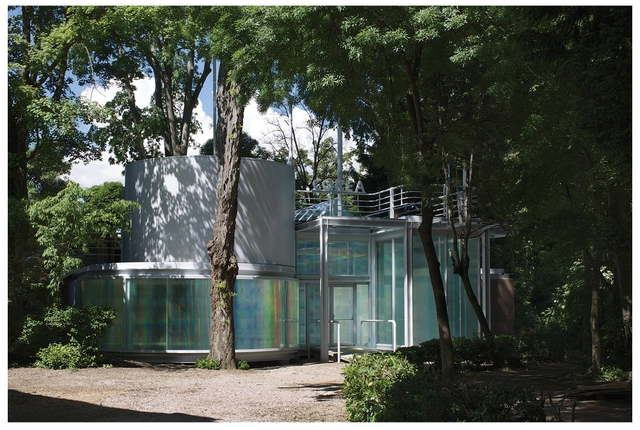
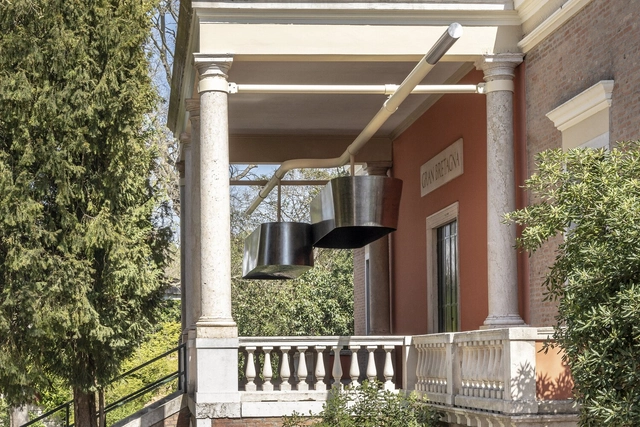
The Korean Pavilion, 2013. Image Courtesy of Arts Council Korea
In this edition of the 2023 Venice Biennale, the Korean Pavilion, curated by artistic Directors Soik Jung and Kyong Park, presents “2086: Together How?” bringing together architects, community leaders, and artists to explore how people can cooperate in withstanding the current and future environmental crisis until 2086 when the global population is said to the peak. The exhibition invites visitors to imagine an eco-cultural revolution by critically reassessing the world's capitalist, globalist, and colonial history. The viewers will be encouraged to reconsider current conditions through a participatory video game and a series of multidisciplinary installations that include photographs, drawings, models, videos, and architectural installations.
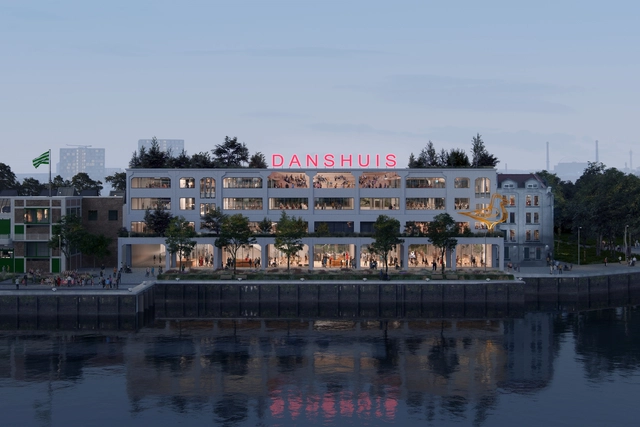
MAD Architects, Led by Ma Yansong, has just revealed its design for the Danshuis, dutch for The Dance House. The project will transform the riverfront Provimi warehouse into a cultural destination in Rotterdam. The Danshuis initiative seeks to convert the old warehouse into a vibrant multi-use studio based on movement and performing arts, a vibrant place to exchange world dance culture. The Droom en Daad Foundation, the primary client of the project, hopes to place Rotterdam on the map as a world leader in arts and culture.
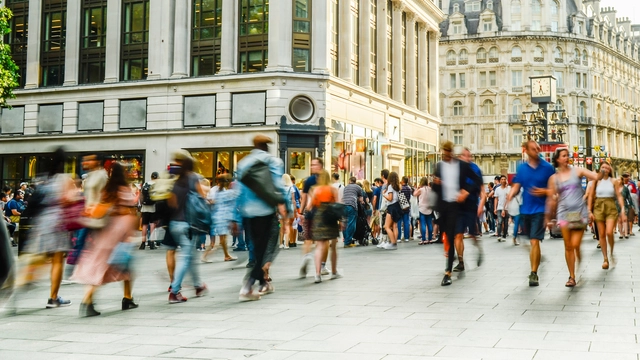
With many high streets hollowing out and the National Health Services Association pushed to its limits, Heatherwick Studio is calling for a new kind of health space in metropolitan cities. The Health Street initiative is placed right at the heart of urban communities, reimagining the way we look at well-being and the holistic health of complete localities. Moreover, this radical approach to health creation is based on integrating community-led facilities into the local high streets.
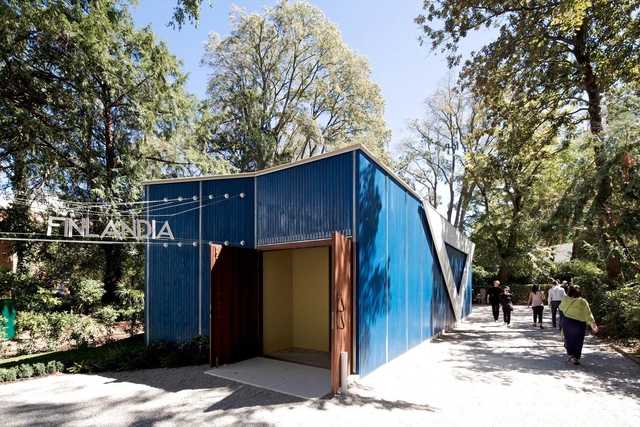
At the 2023 Biennale Architettura, Finland's Pavilion will present its exhibition Huussi, Imagining the Future History of Sanitation, which deals with the architecture of water and nutrient circulation, questioning the water toilet and Its implications for the future. "Huussi" is the Finnish word for an outhouse, a small compost toilet commonly used by Finns in rural settings and holiday homes. The exhibition, curated by Arja Renell and The Dry Collective, a group of Finnish architects, presents this typology as a starting point to finding alternative solutions to managing wastewater, inspiring professionals to start envisioning new sanitation solutions. At the core of the presentation, the exhibition questions the consequences of waste in the context of the current climate crisis the world is going through.
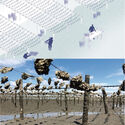
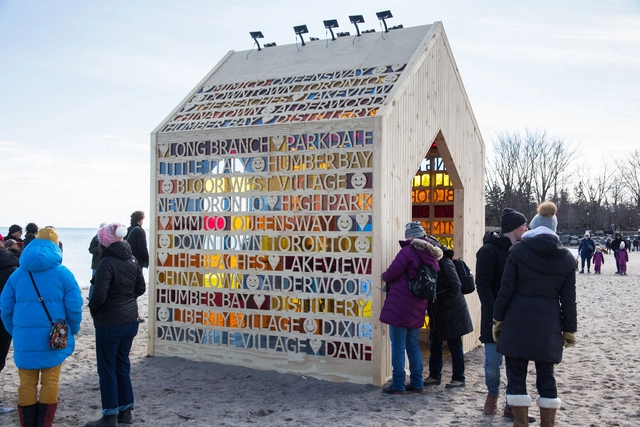
The 2023 Winter Stations has just announced eight winning projects for their 9th annual international competition. The winners were chosen from hundreds of entries from around the world, along with three student designs from Toronto Metropolitan University, Waterloo Department of Architecture, and Guelph University. The competition was first launched at Woodbine beach by RAW design,Ferris + Associates, and Curio, to capture the imagination of designers and architects to create bold designs that spark conversation, transforming lifeguard stations at Toronto’s Woodbine beach. Furthermore, since these lifeguard stations are usually dormant throughout the winter, the exhibition inspires artists to bring the public back outdoors with their unique designs.
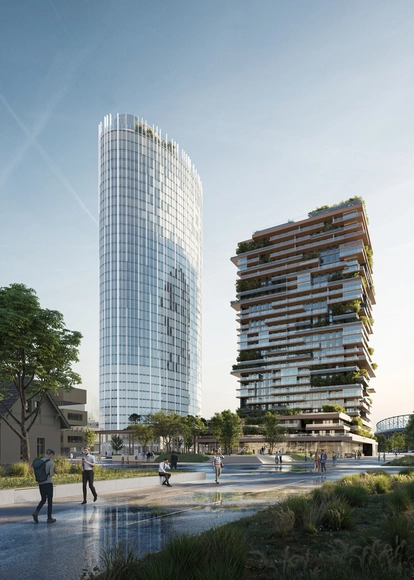
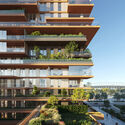
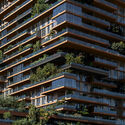
Mario Cucinella Architects has started constructing two multifunctional towers to shape Vienna’s skyline. Situated in the 2nd district in Vienna, where a dynamic urban development “Viertel Zwei”, has been in the works for some time, the project consists of two highrises, both of different architectural languages and made for different purposes, together providing a complex urban image inserted into context.
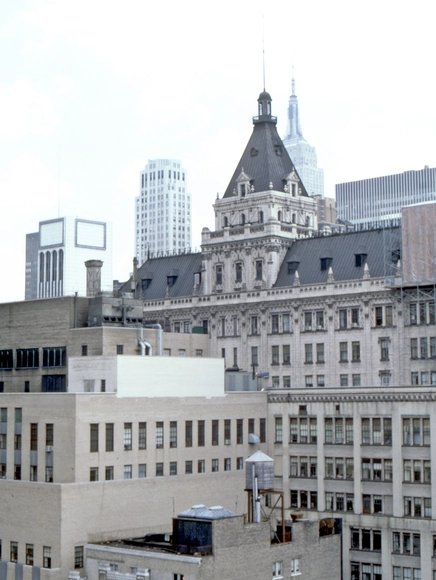
This file is licensed under the Creative Commons Attribution-Share Alike 3.0 Unported license.The New York Times Building, 1984. Image via Wikimedia
The hosts and producers of the Uncertain Things podcast, Adaam James Levin-Areddy, and Vanessa M. Quirk, conduct interviews with experts with a variety of experiences to answer the question, “Now what? How did we get here and what is next?”. In this episode with Michael Kimmelman, they touch upon many interesting subjects, namely, The New York Times institution and its evolution, Kimmelman’s new book the Intimate City, and our overall understanding of communities in cities.
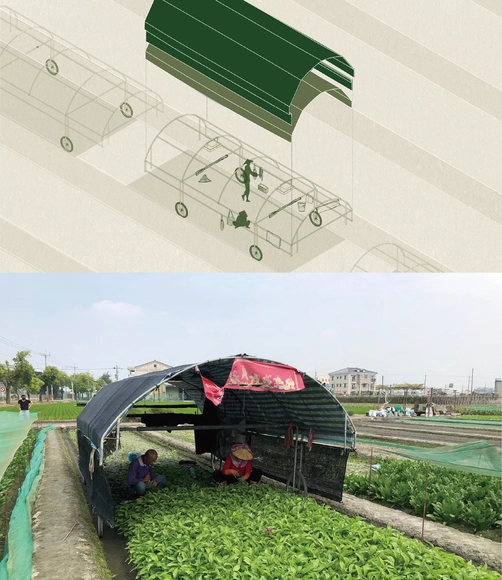
Domesticity, curatorial Keyword of Taiwan Pavilion at Venice Biennale Architecture 2023. Image Courtesy of National Taiwan Museum of Fine Art
The 18th annual Architecture Exhibition La Biennale Di Venezia is taking place from May to November under the theme of “The Laboratory of the Future”. This year, the Taiwanese Pavilion, organized by the Taiwan Museum of Fine Arts, announced that it will explore the intelligence embedded in surrounding landscapes. “Diachronic Apparatuses of Taiwan” displays how locals throughout Taiwanese history have used their intuition to shape their environment. Furthermore, the project also opens a dialogue about artificial and natural terrain to rediscover what we may learn from nature.
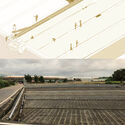
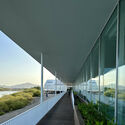
The Kalba Ice Factory, located in the city of Sharjah, on the coast of the UAE, has been renovated by the Sharjah Art Foundation and designed by Peru studio 51-1 Arquitectos, creating a space that seamlessly blends industrial aesthetics with natural surroundings. The transformation of this abandoned fish feed mill and ice storage facility into an art space is a testament to the power of adaptive reuse and preservation. In time for the Sharjah Biennial 15, the Kalba Ice Factory was opened to the public on 8 February 2023 as a venue for the Biennial.
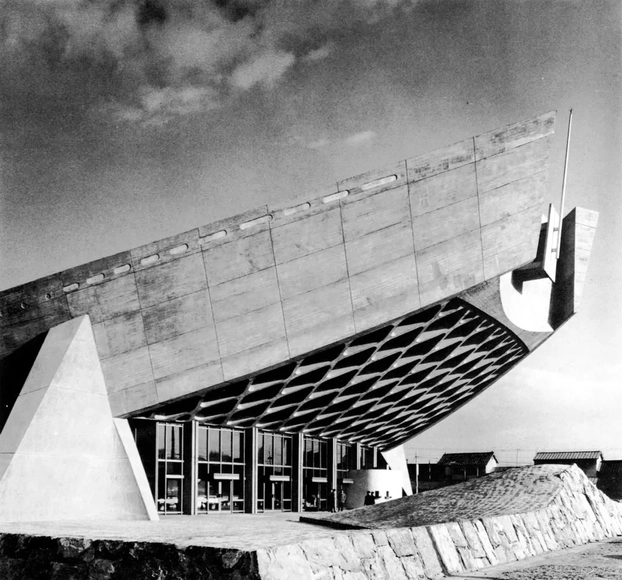
Local governor Toyohito Ikeda of Takamatsu, in Japan, announced that the famous Kagawa Gymnasium will be demolished. Built between 1961 and 1964 by the Pritzker Prize winnerKenzo Tange, the structure is a landmark of the modernist post-war era in Japan. This news has sparked the creation of a petition in an effort to save this 47-year-old monument.
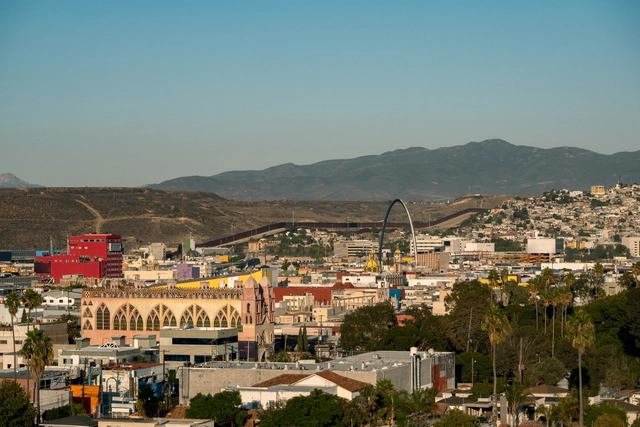
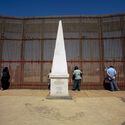
The World Design Capital, a city project dedicated to promoting the design profession around the world, showcases a new capital every two years. The initiative recognizes cities for their constructive use of design to drive social, cultural, and environmental change and improve the overall quality of life. This week, San Diego and Tijuana have been named the World Design Capital of 2024, due to their human-centric design strategies and their cross-border collaboration.Inprevious editions, the World Design Organization had selected Valencia and Mexico City as design capitals of the world.
Sir David Adjaye unveils new plans for the new Bedford Stuyvesant Restoration Corporation in Central Brooklyn. This center is the first-ever community development institution in the country, established in 1967. The scheme envisions a space that accelerates wealth creation and closes the racial wealth gap that has affected the United States.