Architect, urbanist, and Content Editor at ArchDaily, covering news and developments in architecture and the built environment. Editorial work focuses on the Gulf region and the Middle East, exploring contemporary regional architectural languages and their relationship to local contexts.
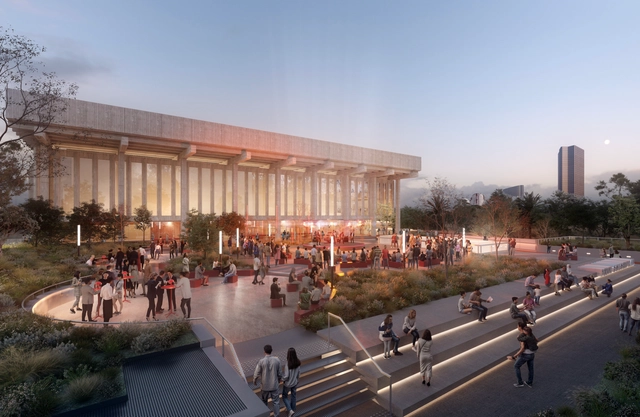
The Western Australian Government has announced the upcoming renovation of the Perth Concert Hall, a 51-year-old heritage-listed venue known for its significant role in the city's cultural landscape. Originally designed by architects Jeffrey Howlett and Don Bailey, the concert hall will undergo extensive upgrades led by OMA's Australian office in collaboration with Perth-based WITH Architecture Studio. The project is set to begin in early 2025, aiming to provide a modern home for the West Australian Symphony Orchestra (WASO) and improve visitor facilities through new public spaces, upgraded amenities, and improved seating.
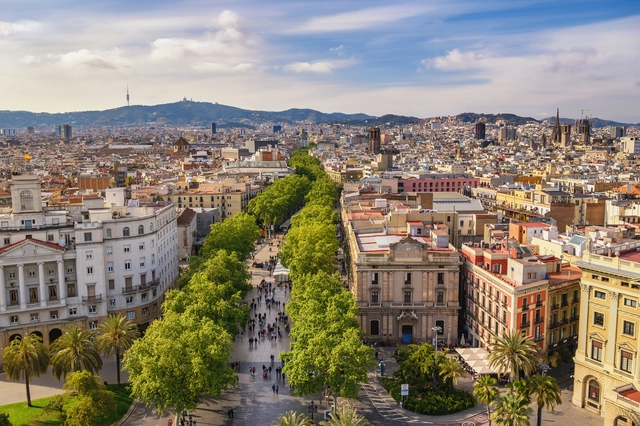
In this roundup, ArchDaily consolidates this year's transformative updates in cities worldwide, organized into thematic clusters that capture the evolving nature of urban design and policy in 2024. Projects like the extensive renovations of Barcelona's La Rambla and the preservation efforts around Chicago's historic skyscrapers highlight preservation of urban heritage, while initiatives in Venice and Los Angeles respond to overtourism and housing pressures, balancing livability with growth. Meanwhile, ambitious master plans have been announced, including the revitalization of industrial sites in Tallinn and Connecticut, reflect how cities are reimagining their urban fabric. Finally, post-disaster rebuilding in Kharkiv and Türkiye underscores the urgency of resilience-driven design, ensuring that cities can endure and evolve even in challenging times. Together, these updates offer a glimpse into the global forces reshaping urban landscapes
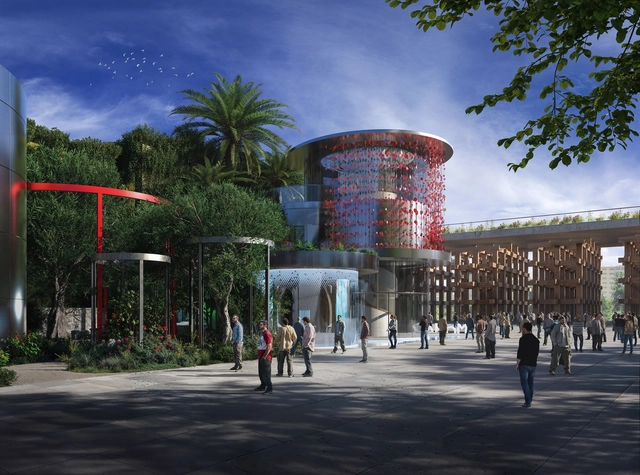
The MonacoPavilion at Expo 2025 Osaka explores the fusion of Mediterranean and Japanese landscapes, creating a unique cultural dialogue through architecture and landscape design. The pavilion's design, centered around a harmonious blend of Mediterranean and Japanese garden elements, embodies Monaco's global initiatives and its commitment to environmental stewardship. Reflecting the Expo's theme, "Take Care of Wonder," the pavilion invites visitors to experience a captivating and serene environment that celebrates both nature and culture.
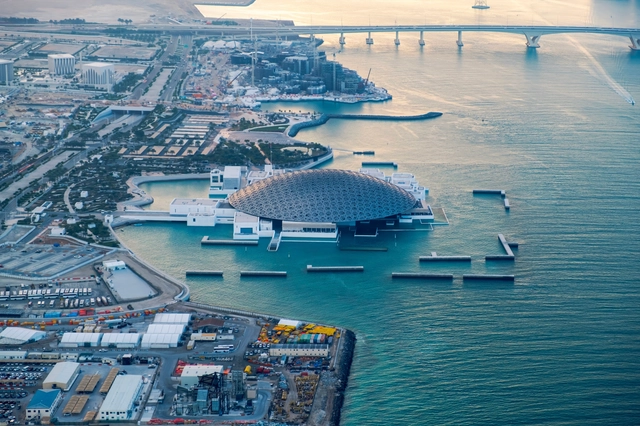
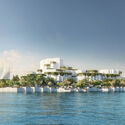
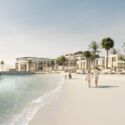
Chapman Taylor's Saadiyat Beach District Residences project has moved to the construction phase, marking a new development within Saadiyat Island's expanding cultural and residential landscape. This waterfront project, part of the broader Saadiyat Island masterplan for Nael & Bin Harmel, situated near Abu Dhabi's urban center, will introduce a range of residential options, including apartments, townhouses, and villas.
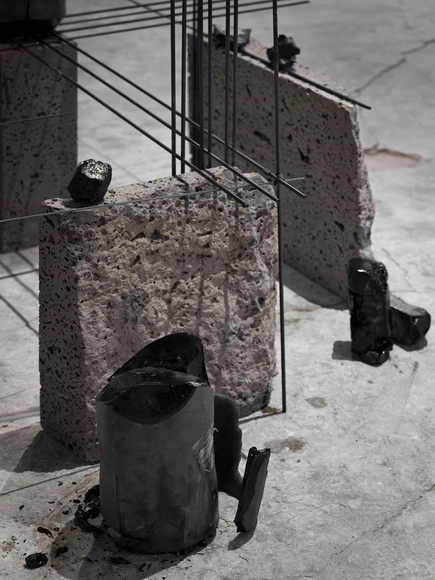
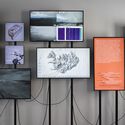
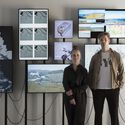
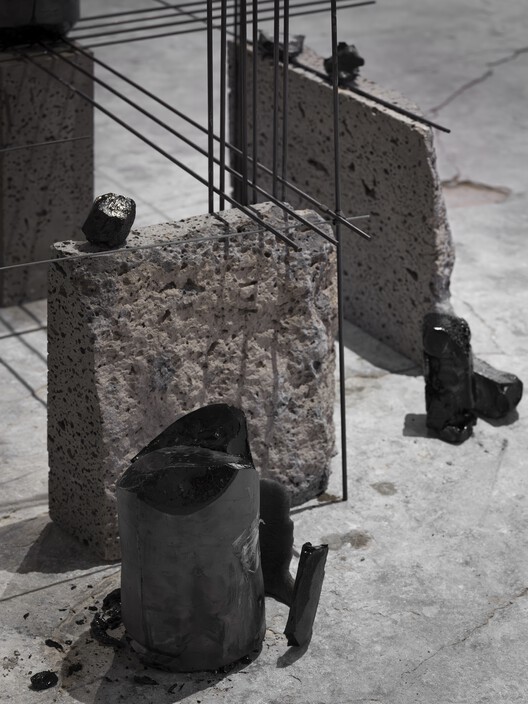
Iceland presents the Lavaforming at its National Pavilion for the 19th International Architecture Exhibition – La Biennale di Venezia. Led by architect Arnhildur Pálmadóttir, founder of s.ap architects, the pavilion is commissioned by Halla Helgadóttir, Iceland Design and Architecture. Lavaforming envisions a provocative and speculative future in which the elemental force of lava is no longer seen solely as a natural hazard but instead embraced as a generative, architectural medium. By harnessing and directing controlled lava flows, the project explores the potential of molten rock to shape urban environments, transforming destruction into construction. Through a series of physical experiments and research-driven installations, Lavaforming demonstrates how this often-feared geological phenomenon could become a renewable and expressive material in the creation of future cities.
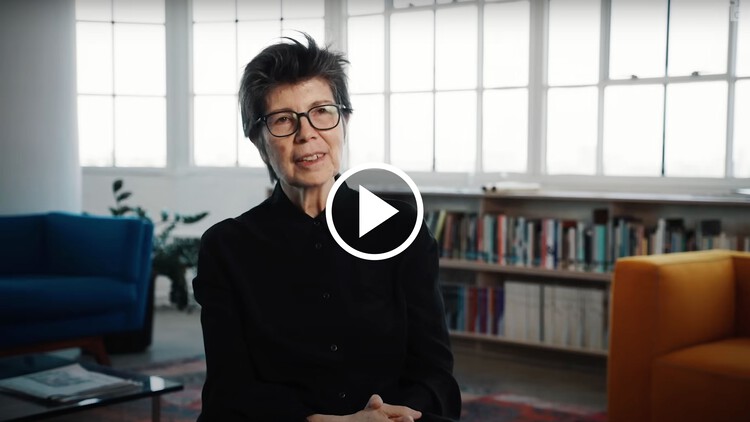
In an interview with Louisiana Channel,Liz Diller, co-founder of the renowned architecture firm Diller Scofidio + Renfro, reflects on her unconventional journey into architecture and her innovative approach to design. Starting her career with aspirations of being an artist, Diller never initially intended to become an architect. Her artistic background, which included painting, sculpture, and filmmaking, continues to influence her work today. What drew her into architecture was a combination of curiosity and practicality, driven in part by concerns about the viability of a career in the arts.
In recent years, Public-Private Partnerships (PPPs) have become a significant model for delivering large-scale infrastructure projects around the world. These partnerships bring together the strengths of both the public sector, represented by governments or municipalities, and the private sector, combining their resources, expertise, and investment power. In the context of architecture and urban development, PPPs are increasingly being used to address the complex needs of growing cities, helping to finance, build, and maintain critical projects that would be difficult for either sector to accomplish alone. But what exactly are PPPs, and how do they function in the built environment? This article explores the concept of PPPs, providing examples from across the globe to illustrate how these partnerships are shaping the future of urban spaces, sometimes beyond commercial gains. Furthermore, by exploring the different projects, the article aims to develop a framework around PPPs' positive and negative potential impacts.
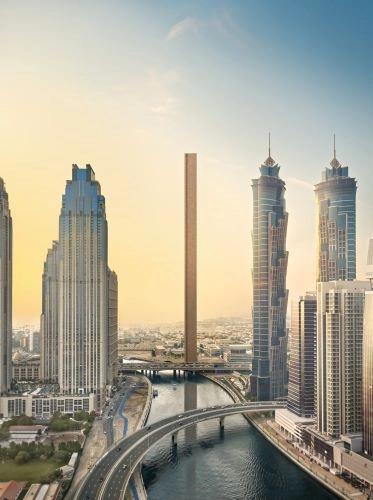
Muraba and RCR Arquitectes, recipients of the 2017 Pritzker Prize, have collaborated on Muraba Veil, a modern architectural project in Dubai that aims to incorporate traditional elements alongside contemporary innovation. This 380-meter-high tower is the latest result of a decade-long partnership between Muraba, a Dubai-based developer, and RCR Arquitectes, a Spanish architectural firm. The project introduces a skyscraper designed to engage with the local environment and culture, seeking to combine modern architectural techniques with regional heritage.
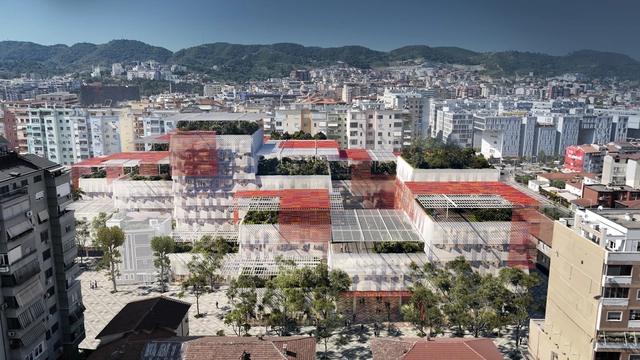
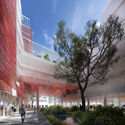
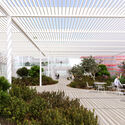
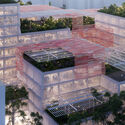
The consortium led by the French architecture firm Coldefy, in partnership with Albanian studio Atelier 4, Sempervirens, and Italian firm AEI Progetti, has just won the international competition to design Albania's new Public Administration Cluster in Tirana. This 31,000-square-meter project will bring together over 20 government institutions under one roof, aiming to improve administrative efficiency while fostering greater public accessibility and engagement.
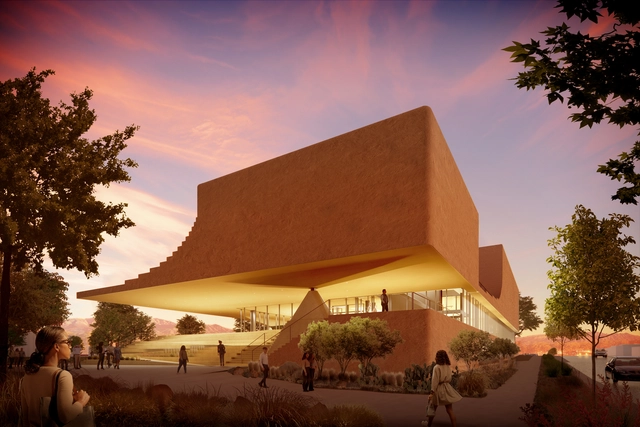
Diller Scofidio + Renfro has just revealed the design for the 60,000-square-foot Center for Collaborative Arts and Technology (CCAT) at the University of New Mexico (UNM). This ground-up facility will serve as a new gateway to the arts at UNM, located along the historic Route 66, where it bridges the campus and the city of Albuquerque. While many interior spaces are designed for performance, film, and technology, the building's prominent location fosters a visual connection between its activities and the surrounding environment.
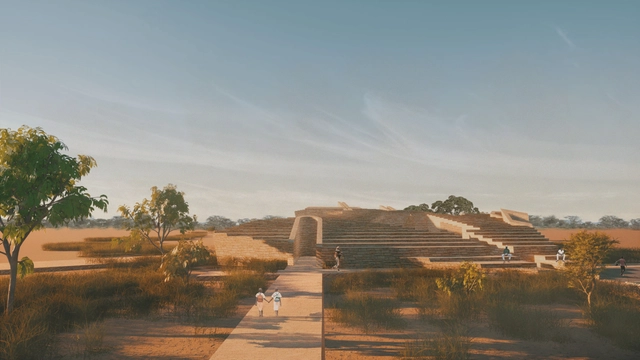
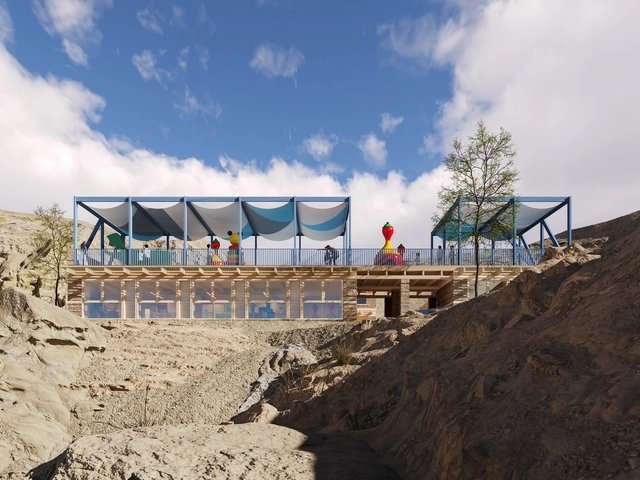
In collaboration with to.org, Counterspace, led by Sumayya Vally, has revealed its latest project, "Regenerate Kakuma," aimed at promoting holistic well-being in one of the world's largest refugee settlements in Kakuma, Kenya. This regenerative wellness and fitness hub blends fitness, agriculture, and cultural spaces for over 285,000 refugees. The settlement, known as one of the largest globally, primarily hosts individuals from 19 countries, including South Sudan and Somalia.
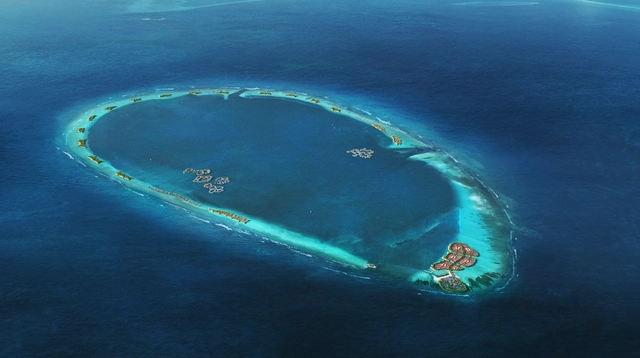
Foster + Partners, in collaboration with the Maldives Fund Management Corporation (MFMC), has unveiled the masterplan for Gaafaru, an inhabited island in the Kaafu Atoll of the Maldives. This project is designed to ensure a sustainable and resilient future for the island by addressing the critical challenges posed by climate change, rising sea levels, and social inequalities. At the heart of this plan are six guiding principles that aim to balance environmental protection with community prosperity, creating a model of future-proof island development.
Czech-based architectural firm CHYBIK + KRISTOF has revealed its design for a new school in Mulbekh, North India, in collaboration with the Czech NGO Himalayan Patron and Spring Dales Public School. The project aims to provide quality education in the region while preserving local culture. This initiative is particularly significant as many children, especially girls, from remote ethnic minority communities, have faced limited access to education due to the area's harsh climate and challenging terrain.
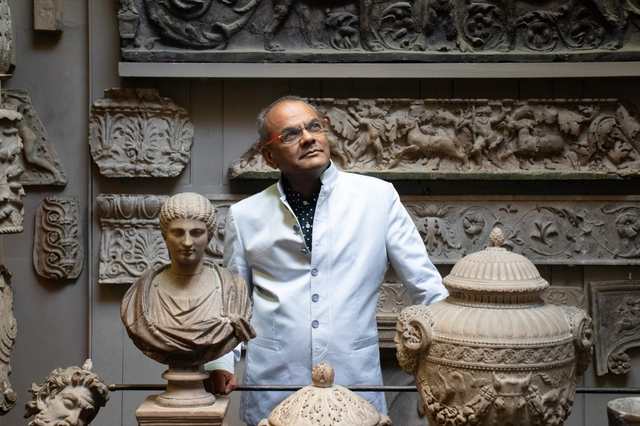
Sir John Soane's Museum has announced Hanif Kara, a celebrated structural engineer and co-founder of AKT II, as the recipient of the prestigious 2024 Soane Medal. This marks a historic moment as Kara becomes the first engineer to receive the accolade, traditionally awarded to architects and theorists. The recognition highlights his profound impact on the built environment, particularly through his pioneering approach to interdisciplinary collaboration. Kara will deliver the Soane Medal Lecture at the Royal Academy on November 26.
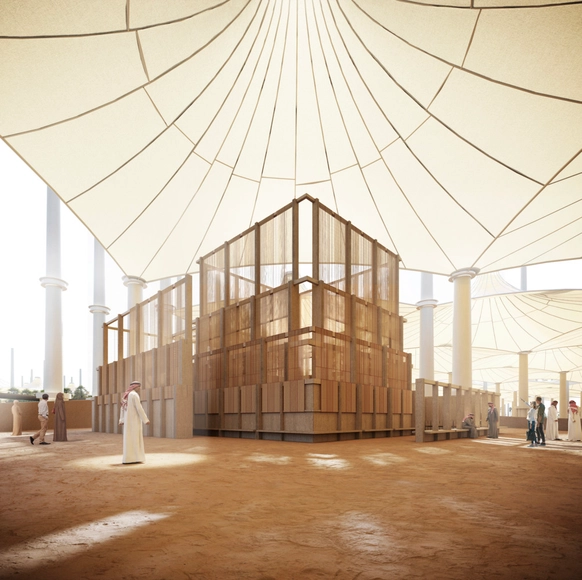
The Diriyah Biennale Foundation has announced Lebanon-based EAST Architecture Studio, in collaboration with artist Rayyane Tabet and engineering firm AKT II, as the winners of the inaugural AlMusalla Prize, a significant new architectural competition launched as part of the Islamic Arts Biennale. Their winning design, a modular structure inspired by regional weaving traditions, uses sustainable materials derived from local date palm waste, including palm fronds and fibers. After the four-month Biennale, the Musalla will be dismantled and reassembled at a new location.
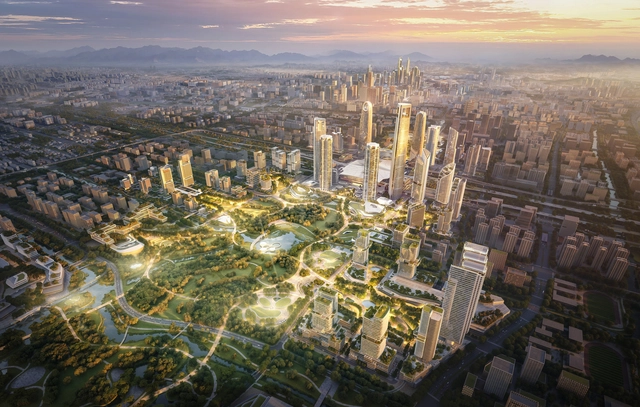
Skidmore, Owings & Merrill (SOM) and GAD have been chosen to design the Hangzhou Science and Technology Innovation Central Business District (CBD) in Hangzhou, the capital of Zhejiang province, China. Their proposal outlines a versatile regional hub that merges advanced transit systems with the traditional Jiangnan landscape, establishing a framework that promotes creativity and the growth of the tech sector.
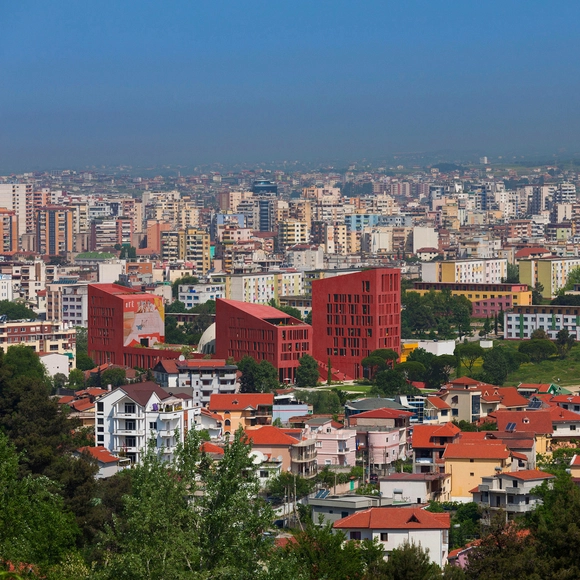
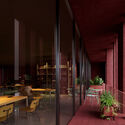
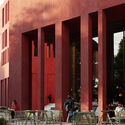
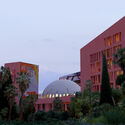
Oppenheim Architecture has unveiled the design for the College of Europe's new campus in Tirana, Albania. This project introduces the first "purpose-built" campus for the College, following its established campuses in Bruges, Belgium, and Natolin, Poland. The College of Europe, created under the initiative of the Hague Congress, is dedicated to promoting European ideals of unity, cooperation, and integration. This expansion to Tirana aims to reflect both a continuation of this mission and an opportunity for the College to establish a presence in a historically significant city.
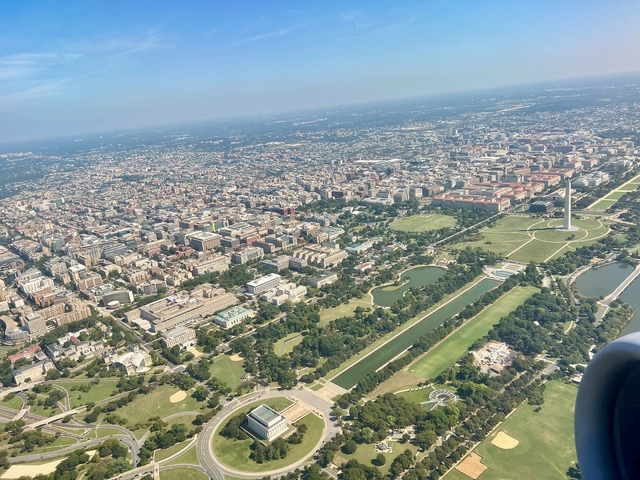
In a surprising development, internationally renowned architect Kengo Kuma has been named the new lead designer for the highly anticipated Global War on Terrorism Memorial on the National Mall in Washington, D.C. The announcement follows the departure of previous designer Marlon Blackwell, who was originally selected in July 2023.