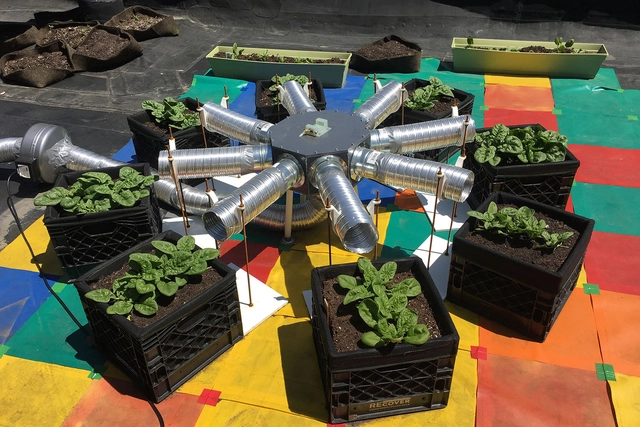
The spinach garden receiving CO2 from the ventilation system | Photo: Bruce Gellerman / WBUR
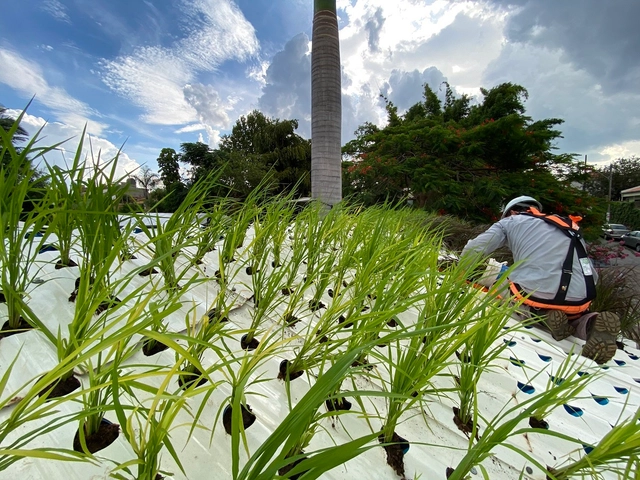
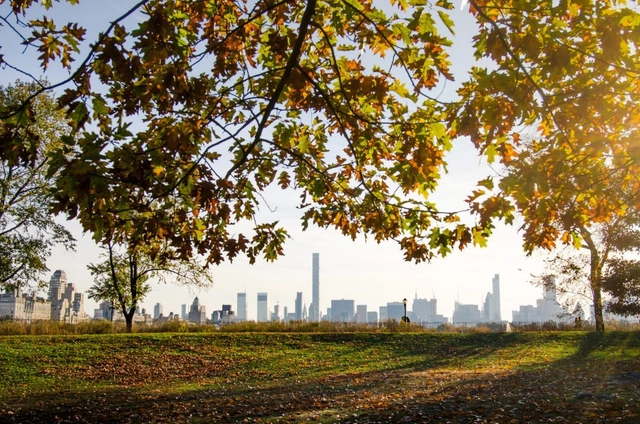
Rooftop farms and urban gardens are popular options for providing food in cities while mitigating heat islands, increasing building thermal insulation, and improving air quality. However, these plants often end up smaller and less healthy, as they suffer from higher solar radiation, wind exposure, and low soil moisture.
https://www.archdaily.com/1132440/building-ventilation-can-help-fertilize-rooftop-gardensMayra Rosa
Young people from the Quebrada Agroecógica collective received the ImaGen Ventures award during COP-27, the world's largest climate change summit, held in Sharm El Sheikh, Egypt. The collective brings low-cost mini-cisterns to informal settlements and low-income communities.
https://www.archdaily.com/1131871/young-brazilians-receive-unicef-award-for-mini-cistern-projectMayra Rosa
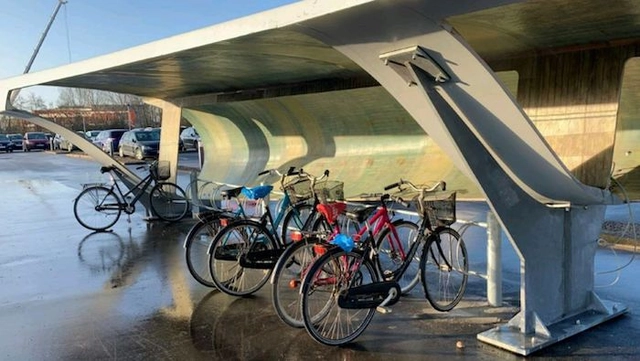
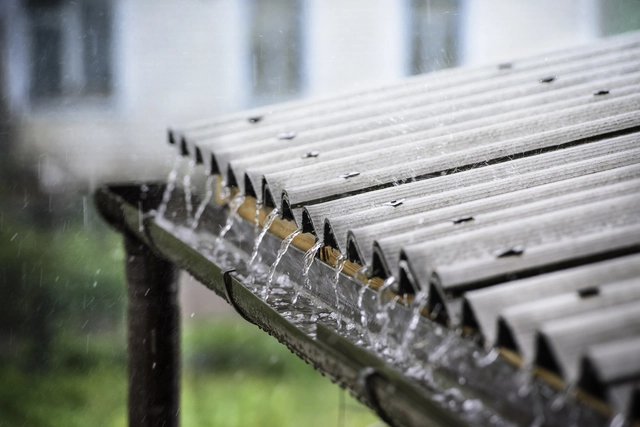
While some countries are just beginning to harness their wind energy potential, others are already replacing older turbines with newer, more efficient models. This transition has raised a critical question: what should be done with the decommissioned turbine blades, which are massive and notoriously difficult to recycle?
Wind energy technology has advanced rapidly over the past 15 years. Given the 20-year lifespan of current wind turbine blades, they will need to be disposed of in the near future. In response, industry companies established the Re-Wind program, which supports researchers worldwide in finding alternatives for reusing turbine materials. The project explores the potential of repurposing these blades into architectural and engineering structures.
https://www.archdaily.com/1128012/wind-turbine-blades-become-bike-racks-in-denmarkMayra Rosa
The organization Climate Central has developed a series of images and videos simulating how various cities around the world could be affected by rising sea levels if the world fails to meet emissions reduction targets.
Climate Central scientists analyzed where populations are most vulnerable over the next 200 to 2,000 years under different warming scenarios. The findings are alarming:
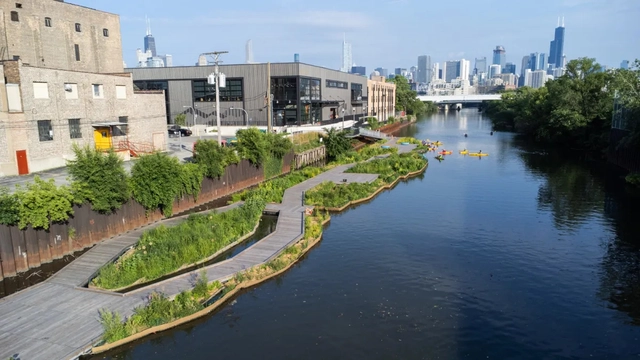
Initial section of the Wild Mile. Photo: Colin Boyle / Wild Mile
The Wild Mile project is an ambitious initiative by the nonprofit organization Urban Rivers, aiming to restore a 1.5-kilometer stretch of the Chicago River in the United States. The project involves creating a vibrant and sustainable urban oasis with boardwalks and floating gardens.
Since the opening of its first section in July 2023, the Wild Mile has already attracted over 30,000 visitors, including local residents, educational programs, and special events. Leaders at Urban Rivers express pride in the project's achievements, highlighting the transformation of a once-neglected stretch of the river into a thriving public space for both wildlife and people.
https://www.archdaily.com/1136315/floating-gardens-are-transforming-the-chicago-riverMayra Rosa
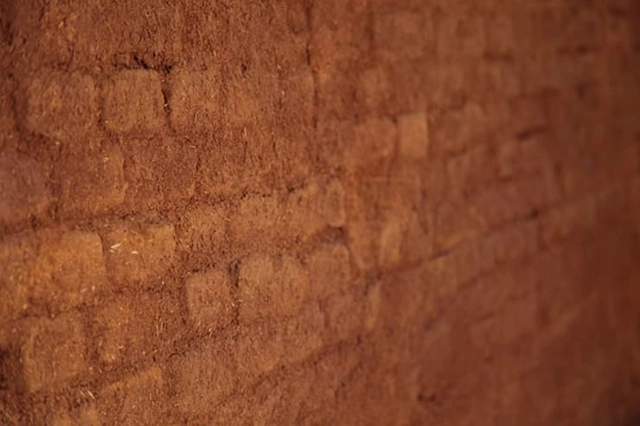
The use of earth plaster is very common in natural buildings; it is the same mixture used in adobe. Though easily made, its use is not widely known. Rafael Loschiavo, from Ecoeficientes, teaches the step-by-step method for bringing a new life to a run-down wall without the need for major renovations.
https://www.archdaily.com/905465/how-to-make-earth-plaster-in-5-easy-to-follow-stepsMayra Rosa
Did you know that tree-lined streets are proven to be beneficial to physical and mental health? So why not include them in health funding? The Nature Conservancy's new research demonstrates the number of reasons why this should be done.
https://www.archdaily.com/903855/cities-should-think-of-trees-as-public-health-infrastructureMayra Rosa