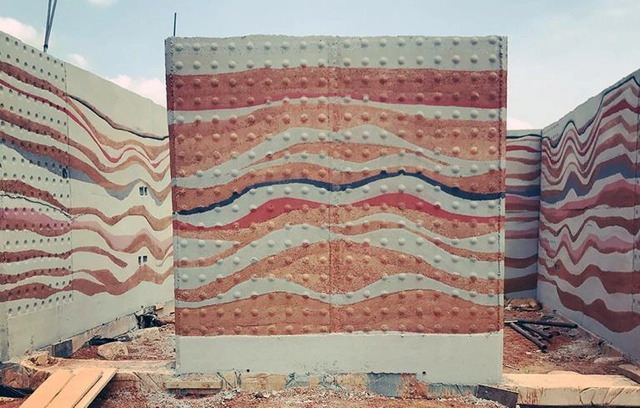
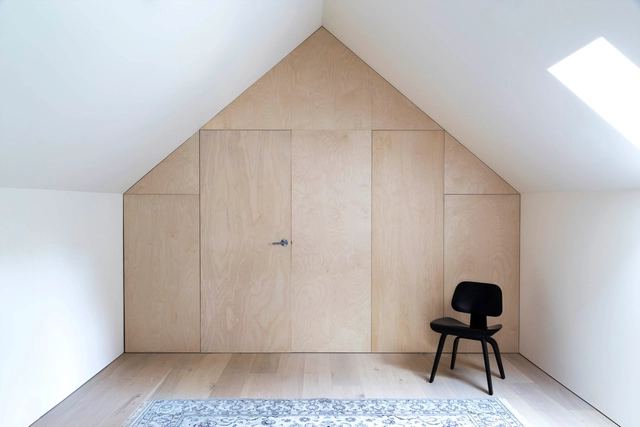
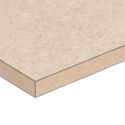
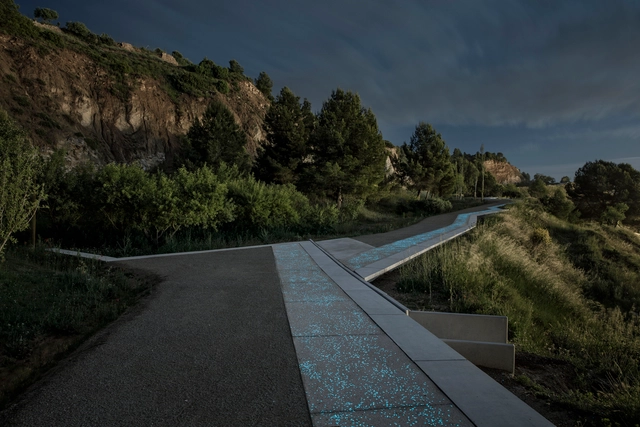
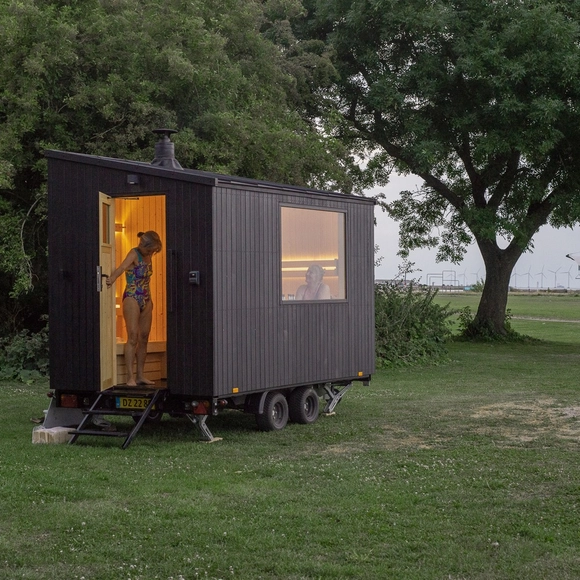
Much has been said about circularity in the construction industry. Inspired by nature, the circular economy works in a continuous process of production, resorption and recycling, self-managing and naturally regulating itself, where waste can turn into supplies for the production of new products. It is a very interesting concept, but it faces some practical difficulties in everyday life, whether in the demolition / disassembly process, or in the correct disposal of materials and waste; but mostly due to the lack of technologies available to recycle or give new use to construction materials. About 40% of all waste generated on Planet Earth comes from civil construction, and a good part of it could be recycled. Concrete is an especially important material because of its large carbon footprint in production, its ubiquity and massive use, and also because of the difficulty of recycling or reusing it.
The word commensality refers to the act of eating together, sharing a meal. Much more than a mere function of essential human need, sitting at the table is a practice of communion and exchange. An article by Cody C. Delistraty compiles some studies on the importance of eating together: students who don't eat regularly with their parents miss school more; children who do not have daily dinner with their family tend to be more obese and young people in families without this tradition can have more problems with drugs and alcohol, in addition to poorer academic performance. Evidently, all these issues raised are complex and should not be reduced to just one factor. But having a suitable place to have meals, free from distractions, is a good starting point for at least one moment a day that is focused on conversation and food. This is where dinner tables come in. In this article, we review some projects to classify the most common ways to deploy these important pieces of furniture.
Circulation spaces are often challenging for designers as they are intended—as the name implies—for moving from one room to another. While many take advantage of these areas by using them as storage spaces, Mies van der Rohe at the Farnsworth house reduced circulation to a minimum, creating an open floor plan completely free of hallways. When faced with vertical circulation, the issue is similar. Stairs fulfill the purpose of overcoming the height between one floor and another, but rarely constitute indoor living spaces. Bleachers, in turn, play this role in several projects. Until recently, they were only found in sports spaces or amphitheaters; now the use of bleachers has become widespread and is seen in office spaces, public buildings, schools and even homes.
Today, drywall and gypsum-based systems are currently present in almost all architectural works. These allow you to coat buildings with products that combine, among other attributes, construction ease, fire safety and the possibility of recycling, both in historic structures or completely new constructions. Since 1998, Saint-Gobain - one of the largest distributors of these types of systems - has awarded the projects that best apply them in their solutions, dividing them into 6 categories (Ceilings, Plaster, Plasterboard, Innovation & Sustainability, Residential, and Non-Residential). The submitted projects are meant to demonstrate how the architects managed to ingeniously unite the company's products with innovative solutions to overcome each of the difficulties that the works or contexts impose.
In its 12th edition, participants came from 30 different countries and showcased 74 projects. See the 14 awardees below:
Kiribati has a population of around 110,000 people and its economy is centered on fishing and agriculture. Comprised of 33 islands in the Central Pacific, its highest point is only 81 meters above sea level, which makes it potentially the first country that could disappear completely due to global warming and the consequent rise in sea levels. The climate crisis has been a hotly debated topic in recent years and terms such as carbon footprint, greenhouse effect, atmospheric aerosols, and many others, are already staples in our vocabulary. Another widely spoken term is “net zero”, or net zero emission, used as a goal for buildings in different industries and countries. Basically, it means that the energy balance is zero.
At the Four Seasons restaurant in New York, designed by Philip Johnson and Mies van der Rohe in the iconic Seagram Building, a rectangular pool played the leading role in the space, highlighted by four trees planted in pots at each of the vertices. The soft noise made by the water became consecrated. In addition to giving the hall some personality, it served to absorb the sounds of conversations (often secret) among tables. Just as the way that light enters a space, or how interior landscapes are perceived, sound is one more characteristic of an environment, though it is generally overlooked by architects. This goes beyond providing it with efficient acoustics, but creating a sound atmosphere for a space. This is the concept of soundscape.
Textures play a leading role in an interior project. Metals bring integrity and sophistication. Stones and their variations in colors and designs can become focal points in spaces. Different wood types, with their fiber and knot designs, and their characteristic coloring, bring warmth and comfort. If we think about the combination of these, together with different types of surfaces and lighting, we have a universe of possibilities to try to bring pleasant sensations to the occupants of the spaces.
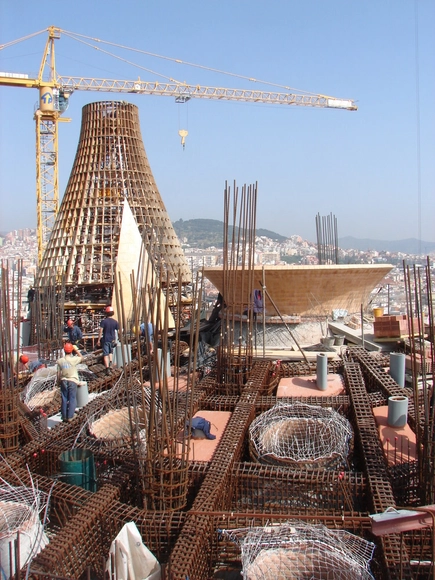
A masterpiece is often defined as the most remarkable work in an artist's career, one which highlights the height of their techniques and ideals. The Mona Lisa by Leonardo da Vinci; Michelangelo's Pietá; the Beatles' Sgt. Pepper's Lonely Hearts Club Band album. There are many examples, which are not always unanimously agreed upon. But what if what many consider to be the masterpiece was started by someone else, the credited creator didn't live to see its completion, and almost all of its documentation was destroyed? Catalan architect Antoni Gaudí and his world-famous Temple Expiatori de la Sagrada Família are examples of these complications. From a highly crafted stone construction to the most modern 3D printing techniques and high strength concrete, numerous technologies were and continue to be incorporated in the project's construction.
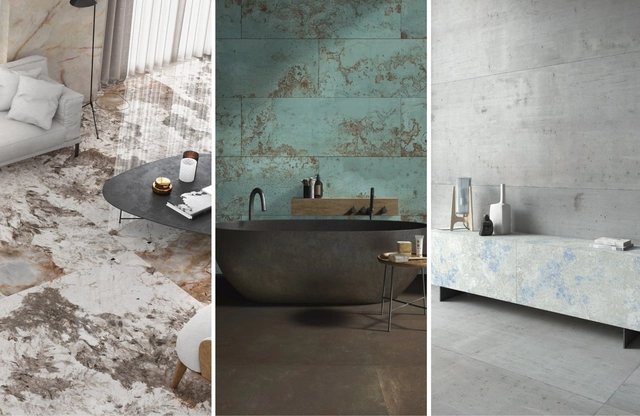
A rock like marble is usually light in color when formed through a process involving the heat and pressure of limestone. Carrara marble, for example, became famous for having good workability for sculptures, but also for its extremely uniform appearance. Under skillful hands, rough stone could become works of art such as Michelangelo's Pietá or David, among many others. But if during the rock formation process there are impurities such as clay minerals and iron oxides, the resulting stone may acquire bluish, gray, pink and black hues. Something that would make its use in a sculpture unfeasible can be seen as the real beauty of the piece, and how the passage of time was printed on it. Likewise, it is very difficult to predict exactly how zinc or copper will oxidize over time, and its patina effect takes on beautiful greenish, reddish or grayish tones, depending on the conditions to which they were exposed.
Admiring the unpredictability of materials and observing the beauty of the unexpected can bring surprising results to architectural projects. Through constant research, Apavisa has been able to develop modular ceramic pieces that combine strength and versatility, reproducing in detail the materials that our environment gives us. The strength of stone and metal with their oxidative processes, the roughness and timelessness of cement or the beauty of marble with its different veins, shades and patterns.
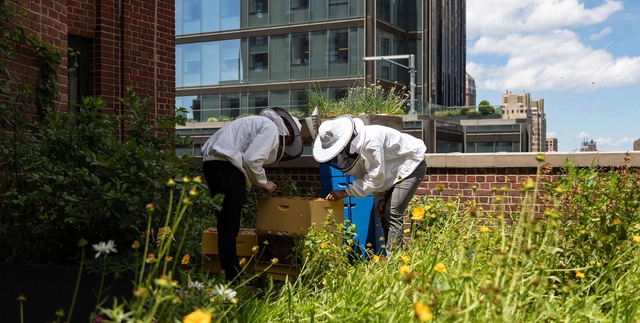
Food production is directly reliant on bees, and their disappearance could lead to catastrophic effects on humanity. There are alarming reports all over the internet about how these little insects are dying. According to the Food and Agriculture Organization of the United Nations (FAO), 75% of the world's food crops rely on bees. For example, it is only possible to have a juicy and well-developed strawberry if dozens of bees go by the flower at the right time and pollinate it. Without them, it would look more like a raisin.
Pablo van der Lugt is an architect, author and speaker. His research focuses on the potential of materials such as bamboo and mass timber for the construction sector, and their positive impacts on the world. “Throughout my professional career both in university (including my PhD research on the carbon footprint of engineered bamboo and wood) and industry the past 15 years I have found there are many misconceptions about these materials which hamper their large scale adoption. For this reason I ‘translated’ my research findings into two contemporary books for designers and architects about the potential of bamboo: Booming Bamboo, and engineered timber: Tomorrow’s Timber. They aim to dispel these myths and show the incredible potential of the latest generation of biobased building materials in the required transition to a carbon neutral, healthy and circular built environment.” We recently had the opportunity to talk with him about these topics. Read more below.
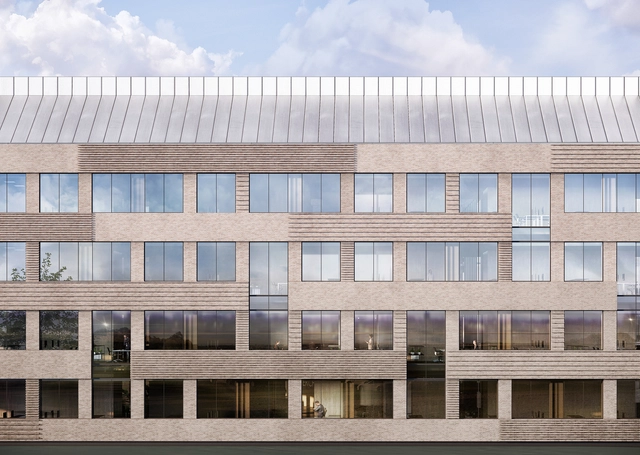
Generally made from kiln-fired clay, it is estimated that bricks have been used since 7000 BC, as examples were discovered in the ancient city of Jericho. Since then, bricks have been omnipresent in the history of architecture, combining constructive ease, aesthetics and comfort. Nowadays, with the growing concerns around the environment and the larger impact of materials used and decisions taken on a project, there are ways to modernize an ancient material such as brick through a few updates to its manufacturing process, making it even more eco-conscious. Brick can already be considered a sustainable material because of its durability and recyclability, but there are ways to further improve it. The new project for the headquarters of the food manufacturer Danish Crown, under construction and developed by CEBRA office, is a good example of how to apply this product in a more sustainable way.
There are a variety of wall coverings, façades and ceilings on the market, with multiple aesthetic options, fulfilling different functions and supplied by many companies. One thing they all have in common is that they are structured on frames which usually don't get much attention, yet directly influence the installation and the final result. These frames can vary in materials and complexity, as well as in how the panels are connected. The fixing of the panels cannot always be hidden, with visible screws or other parts, which end up requiring the use of other methods to hide them.
New Zealand brand Fastmount specializes in the development of hidden panel systems and has just launched a new system for interiors: Stratlock. The particularity of this product is that it offers designers and builders a complete and integrated system that is especially developed for the construction of ceiling and wall structures on irregular substrates. It can be used to affix internal panels with precision, and can be cut to any desired size in order to build the frame to attach the panels.
Rammed earth constructions are not a novelty, on the contrary, some sections of the Great Wall of China were made using this technique. Relegated and replaced by modern methods of construction, the mud walls are currently re-emerging as an economic, sustainable solution, with low environmental impact. Even Joelle Eyeson, a young African entrepreneur, is betting that it may be the answer to the housing deficit in her region.
This is a rudimentary construction system in which earth is compressed into wooden boxes. The clay is horizontally placed in layers of 15 cm in height, and compacted with manual or pneumatic tools, to achieve its ideal density creating a resistant and durable structure.
For some years now, wood has received an increasing amount of attention in the construction industry. With concerns raised about sustainability and the carbon footprint of buildings, new construction methods and innovative possibilities in the use of timber have developed rapidly. This interest in wood stems in part from its renewability, though this benefit is contingent on sustainable logging and the appropriate management of forests to be allowed to regenerate naturally. However, it is the versatility of wood that serves as the primary impetus for its widespread use. From boards, to beams, to floors, and even to thermal and acoustic tiles and insulators, wood can be used in several different stages of a single project and with different degrees of processing and finishing.
HPL (High Pressure Laminate) panels are made of Kraft paper impregnated with phenolic resins, subjected to heat and pressure. A decorative layer with synthetic polymer allows the sheets to have numerous color and texture options, providing an extremely high strength and durability. This is why HPL is widely used in façades, but it is also increasingly being considered for interior wall cladding, for partitions and lockers, as well as for furniture. It is a material that can be used outdoors and indoors, and even on horizontal surfaces.
Batlleiroig is an architecture firm based in the city of Barcelona, whose extensive portfolio encompasses urban projects, landscaping, buildings, and interior design. We spoke with Joan Batlle Blay, Architect & Landscape Architect and partner at the firm, about the innovations and challenges in his work. According to him, “In our office, we think that R+D (research and development) is the company’s main tool to innovate and evolve our work method into an absolute creed for the planet.” See the full interview below:
Saunas are inseparable from the culture of Nordic countries and they are increasing in popularity as a result of their many physical and mental health benefits. Their projects are usually quite archetypal, combining efficiency and sobriety.
We spoke with Jakob Gate, co-founder of Native Narrative & Scandinavian Sauna, who has been developing sauna projects that combine the flexibility of being transported anywhere, with the expertise and tradition of Scandinavian design. They work without electricity, heated by wood, while LED lighting is provided by a rechargeable battery. Learn more in the following interview: