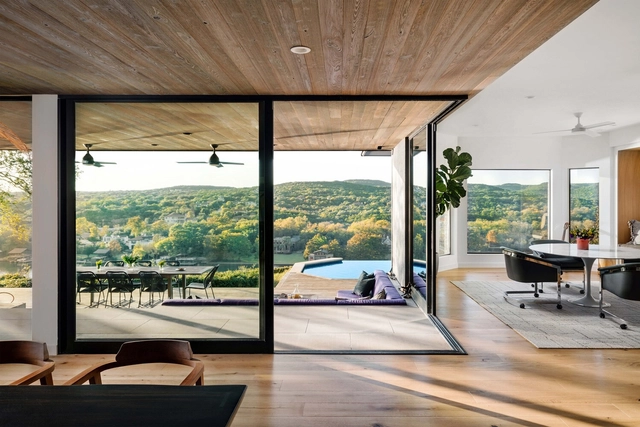
The world's oldest stained glass window (which is still standing) is conventionally believed to be in Augsburg Cathedral in the German state of Bavaria. Depicting the prophets David, Jonah, Daniel, Moses and Hosea, it is estimated to be nearly 1,000 years old, having undergone significant bombing during World War II. Long before that, however, mankind had been working with glass, and while today we have thin frames with crystalline sheets and a variety of properties, we had to come a long way to get here. In this article we will tell you a little about the evolution of glass windows and the technologies and possibilities that we have today.
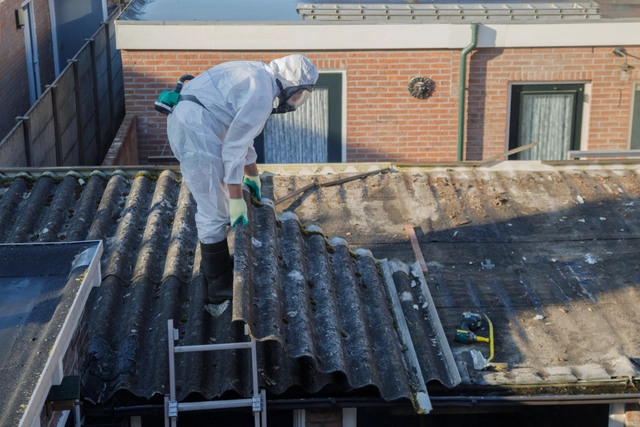
Dozens of countries around the world have already banned the use of asbestos in the civil construction sector. Cheap to extract and abundant in nature, it is a natural fiber used to manufacture water tanks, insulation, partitions, tiles and decorative elements. Its properties include great flexibility and high chemical, thermal and electrical resistance, making it a seemingly ideal material. However, there is scientific evidence that links exposure to asbestos to several types of cancer, as well as to asbestosis - when the fibers of the mineral lodge in the pulmonary alveoli, compromising the respiratory capacity. The asbestos case shows how certain construction materials can –suddenly or not– become a distant memory because of their negative impacts. In addition to the effects on health, the use of materials with high energy consumption or made of rare raw materials is currently under pressure, as experts call to reduce their use or to make their manufacturing methods "greener". The penalty? Disappearing in the near future, becoming yet another in the list of banned building materials. In this article, we delve into some of these materials and what their risks are.
Through shapes, colors, and the elements on their facades, many architects have sought to bring a sense of movement to works that are otherwise physically static. Santiago Calatrava, Jean Nouvel, and Frank Gehry are only a few of the masters who managed to provide a dynamic effect to motionless structures, highlighting the work in context using formal strategies borrowed from the plastic arts. In other cases, however, architects have also opted for physically kinetic structures that could bring a unique aesthetic or functional dimension to the work.
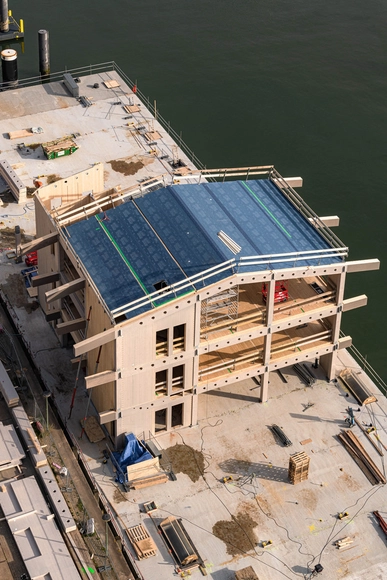
Everyone who has ever built anything—a model, a birdhouse, or small pieces of furniture—has a clear sense of the amount of things that can go wrong during the construction process. A screw that is impossible to tighten fully, a warped wooden board, an inattention or a miscalculation that can frustrate plans instantly. When we transport these small inconveniences to a building scale, with countless processes and many different people involved, we know how complex a work can become and how many things can get out of control, taking more and more time and requiring more and more resources to finish. And when we talk about a building that needs to float, be completely self-sufficient, and, after fulfilling its useful life, be completely reused—could you imagine the technical challenges of building something like this?
Plataforma de Mergulho ICEBERG / Bulot+Collins. Image Cortesia de Bulot+Collins
The aquatic environment has always fascinated dreamers and researchers. Around 1960, in the midst of the fierce space race of the Cold War, French explorer Jacques Cousteau developed equipment such as the Aqualung to unravel the depths of the sea, which remained as unexplored as outer space itself. He even stated that in 10 years we could occupy the seabed as “aquanauts” or “oceanautas,” where it would be possible to spend long periods extracting mineral resources and even growing food. Sixty years later, the seabed is still reserved for few, and mankind has been more concerned with plastic in the oceans and rising sea levels than colonizing the ocean floor. But being close to a body of water continues to attract most people. Whether out of interest or in response to risks of flooding and over-population, some have turned to utopian proposals and floating architecture, examples of which have been featured in the ArchDaily project archive. But what are the fundamental differences between building houses on land versus on water, and how do these buildings remain on the surface rather than sinking?
Are you sitting comfortably right now? OK, I'll wait a few seconds so that you can adjust your posture and we can continue the text. As much as we all know that our backs should be upright, shoulders back and glutes against the back of the chair, as soon as we stop paying attention, we tend to let our body slide down the chair until our spine takes the shape of a big question mark. This can lead to various posture and circulation problems, chronic pain, and increased fatigue after a long day, week, month, or years of work. But know that you're not alone, and it's not (necessarily) your fault. What elements make a chair comfortable? How can they help you maintain a proper posture for longer? Is it possible to have design and comfort in the same product? In this article we will try to answer these questions and show some examples from the Architonic catalog.
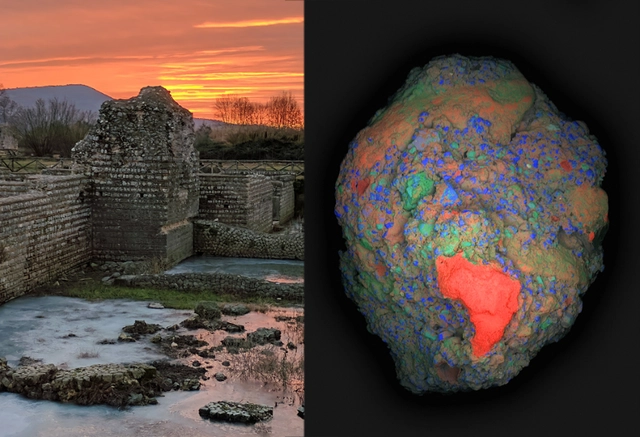
A large-area elemental map (Calcium: red, Silicon: blue, Aluminum: green) of a 2 cm fragment of ancient Roman concrete (right) collected from the archaeological site of Privernum, Italy (left). A calcium-rich lime clast (in red), which is responsible for the unique self-healing properties in this ancient material, is clearly visible in the lower region of the image. Image Cortesia de the researchers (MIT)
Roman aqueducts built more than 2,000 years ago are still in operation. The Pantheon in Rome remains the largest dome made of unreinforced concrete in the world, with a diameter of 43.3 meters. At the same time, it is not unusual to see structures less than a decade old collapsing. Understanding why Roman structures remain standing has been the subject of studies by many researchers around the world. Why, even in hostile environments such as coastlines or seismic zones, do these structures remain intact? Is there some miraculous material or method that has been lost in history? An international group of researchers led by the Massachusetts Institute of Technology (MIT) has shed light on these questions, discovering that these structures had a previously overlooked capacity for self-healing, and the potentially huge environmental impact it can have, to create more durable concrete structures in the future.
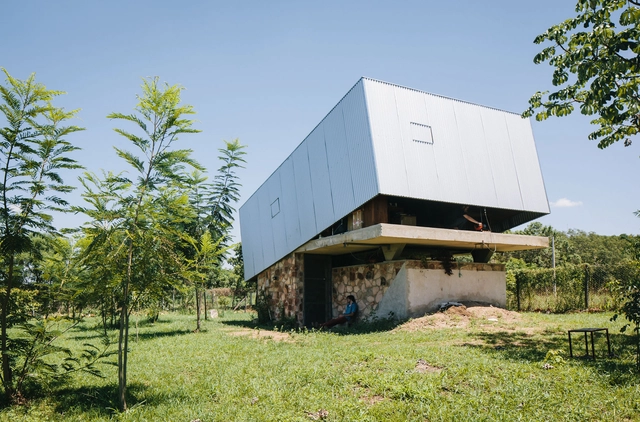
A metal façade introduces a visually appealing architectural element on top of a built insulation system, such as a vapor barrier, insulation board, and structural supports. Known for their versatility, durability and elegant, clean finishes, metal claddings can be used for both roofing and walls to deliver a long-lasting and eye-catching finished product made from natural materials such as aluminum, copper, zinc and steel. Regardless of which system is used to fix the panels (concealed clip system or exposed fastener system), a façade can be made from a variety of profiles and colors for unlimited design options.
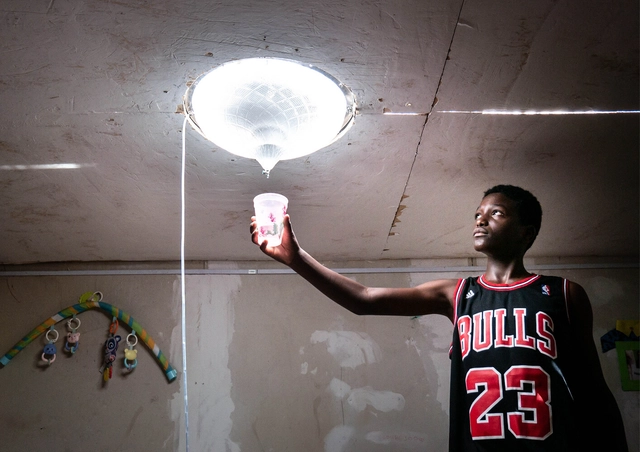
In October, the ArchDaily team spoke with Henry Glogau during his stay in London, where he was working on a number of projects. At only 26 years old, his resume includes an impressive amount of international awards, which he has received for the relevance of his work to issues both so basic and urgent for humanity: access to potable water, sanitation and quality of life. Born in New Zealand, Henry moved to Copenhagen in 2018 to study at the Royal Danish Academy and for the past two years has been working at the 3XN GXN office as an architect in their innovation unit, alongside a multidisciplinary team. Below, read the conversation we had about some of his projects, his beliefs about the role of architecture, and his views on our responsibility to the planet.
There are many challenges when working with renovations: adapting spaces that were not necessarily designed for a particular program, adding new uses for rooms and modernizing the building in order to make it compatible with contemporary demands. This was the case of Mobio Arquitetura's project for the headquarters of a solar energy fintech company, which sought to value the memory of the historic building while adding a new layer of contemporary and technological infrastructure designed for the comfort, usability and productive coexistence of the new occupants. The office has been selected among the five winners of the 2022 Shaw Contract Design Awards "Best of Globe".
Representing the values of a company, without falling into obviousness and clichés, is quite a challenge for architects. This was the case for Rezen and Templewell, who were commissioned to design the headquarters for IGO, a leading exploration and mining company based in South Perth, Australia. Contrary to the obvious "brutality and harshness" that immediately comes to mind when we think of this extractive activity, the project seeks its antithesis: a space designed for the people who work there, exploring textures, sober palettes, and pleasant surfaces. The office has been selected among the five winners of the 2022 Shaw Contract Design Awards "Best of Globe".
Taking a shower goes far beyond the act of sanitizing. For many, it is the place where the best ideas and epiphanies emerge. Others turn the shower into a stage, rehearsing lines and allowing themselves to sing or pretend to receive an award. Showering can also reduce stress, as well as improve mood and body function: studies show that a shower can activate the parasympathetic nervous system, which is basically a network of nerves that relaxes the body after periods of stress or danger.
Cities concentrate opportunities and exchanges, culture and business, while, at the same time are a key contributor to climate change. They are highly complex organisms, with multiple actors involved, that bring to light underlying social interests and conflicts present in society. In 2007, the world's urban population surpassed the rural and this difference has been increasing ever since. According to the 2018 Revision of World Urbanization Prospects report, 55% of the world's current population lives in urban areas, rising to 68% by 2050. This will represent an increase of 2.5 billion people in urban areas, with almost 90% of this increase occurring in Asia and Africa. The Smart Sustainable Cities: Reconnaissance Study also points out that urban centers account for 67% of global energy demand, emit 70% of greenhouse gases and, on top of it all, buildings consume 40% of all energy worldwide. The prospect of a mostly urban world, along with the alarming onset of climate change, both raise challenges regarding living conditions in the coming decades and centuries, and all the implications that will accompany these changes.
"Life, space, buildings - in that order". This phrase, from the Danish urban architect Jan Gehl, sums up the changes that Copenhagen has undergone in the last 50 years. Currently known as one of the cities with the highest levels of quality of life satisfaction, the way its public spaces and buildings were and are designed have inspired architects, government authorities and urban planners around the world. What we see today, however, is the result of courageous decision-making, much observation and, above all, designs that put people first. Copenhagen will be the UNESCO-UIA World Capital of Architecture in 2023 as well as host of the UIA World Congress of Architects due to its strong legacy in innovative architecture and urban development, along with its concerted efforts in matters of climate, sustainability solutions and livability.
The search for the fundamental particle has been driving curious minds for much longer than we imagine. Leucippus and Democritus, Greek philosophers from the 5th century B.C., were the first to propose that the entire universe was made up of particles called atoms, indivisible and colliding against each other in an infinite void. Since then much has been studied about how dynamics actually take place at the atomic level (neutrons, protons and electrons), and there is still much to be discovered. Understanding the Higgs boson, for example, may even lead to a new understanding of the origin of the universe and life, since it can explain how elementary particles have mass. Moving from atomic abstraction to the world as we know it is a fascinating thing. It was this plunge into the particle –the smallest known part of the universe– which inspired the new collection by the Italian company Fiandre Architectural Surfaces, which produces ceramic pieces for spaces.
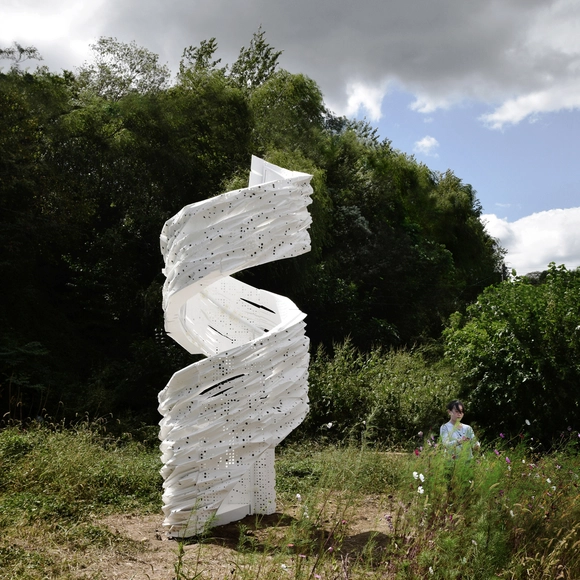
Expanded polystyrene (EPS) was discovered in 1839 in Berlin and became a widely used material in airplanes manufactured for World War II due to its extremely low density. It is this characteristic that makes it a suitable material for thermal and acoustic insulation, often specified in buildings, but also widely used in packaging. A rigid cellular plastic, it is the result of polymerizing styrene in water, whose end product are expandable beads that have a diameter of up to 3 millimeters. Unfortunately though, this material takes more than 500 years to decompose and, in the process, leaches harmful chemicals into the environment. Recycling is possible, but it is complex and costly. This means that most of the Styrofoam produced to date still remains on the planet, taking up valuable space in landfills, or worse, broken into tiny pieces and interfering with ocean life. "Decomposition Farm: Stairway" is a temporary installation that offers a possible solution to the environmental issues related to construction waste in the architectural field.
When developing a project, an architect needs to deal with numerous decisions: Does the building correspond with the client's requirements? Can the contractors build it without problems? Are the costs what were initially expected? Does the project have a good relationship with its surroundings? How will it age? To figure all of this out, the professional must take into account several issues that will both influence each other and directly affect the final product. Among these, the chosen materials and constructive techniques play an essential role, as these elements are what give shape to the designer's vision and can influence factors such as the accessibility or the environmental impact of a building.
However, being well-versed in all the options, advantages and disadvantages of each decision is a herculean task that demands resources, research and time - factors that are usually scarce in our profession. Under the motto “What is good architecture”, we have compiled a series of articles that exemplify best practices in the use of constructive materials and techniques, seeking to cover as much ground as possible for all types of questions:
Windows and doors dictate the relationship between interiors and exteriors in buildings, helping to either integrate or separate them. They are also important components in architecture that can add to a façade's composition, balance and rhythm, while fulfilling its main function: to protect the interiors and serve as a barrier to the weather. While the first windows were composed of reduced spans and small glass panes with heavy frames, today there are almost invisible options that easily adapt to any type of project. It is up to the designers to choose among the various possibilities of materials, operations, colors and finishes.