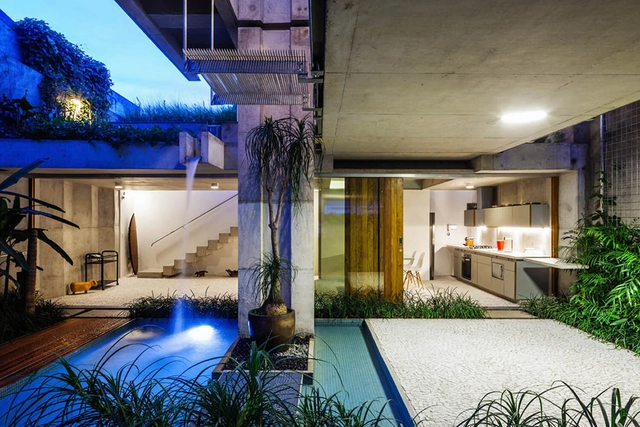
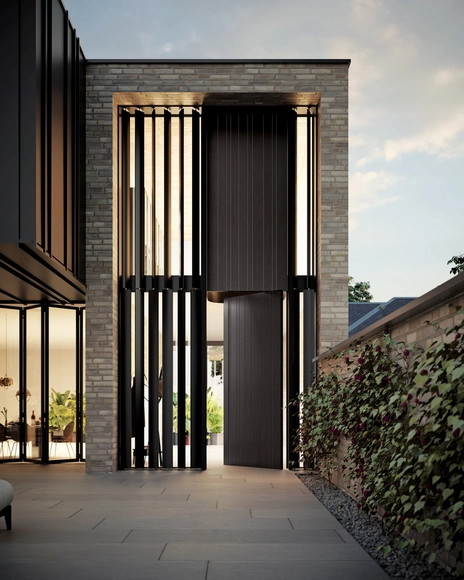
The selection of windows and doors plays a key role in the development of any architectural project, as it can significantly influence the final appearance of a building. A well-informed choice can convey values of modernity, craftsmanship, and elegance. On the other hand, inadequate specification can lead to problems such as air leakage, energy loss, and a less visually appealing aesthetic. It is also worth mentioning that windows and doors constitute a substantial part of a project's budget, which requires meticulous consideration. In this article, we examine four different residential projects, highlighting how their floor-to-ceiling glass sliding system effectively meets the needs of the residents and enhances their quality of life.
The purpose of innovation is to promote positive change and progress in various aspects of life. This involves creating, developing and implementing new ideas, methods, products, or processes that improve existing ones or introduce completely new concepts. Renowned architecture and design firm Henning Larsen, founded in 1959 in Denmark, has a solid commitment to embracing innovation as a core element of its work. With an emphasis on design excellence, sustainability, collaboration and user-centric approaches, innovation plays a key role in its quest to create iconic and sustainable architectural landmarks. Through dedicated research and development, they are constantly exploring new ideas, materials and technologies to enhance functionality and elevate the user experience of their buildings. To learn more about this visionary approach and its impact on architectural efficiency, we spoke with Jakob Strømann-Andersen, who heads a specialist department that combines innovation and sustainability, highlighting the firm's commitment to pushing the boundaries of sustainable architecture.
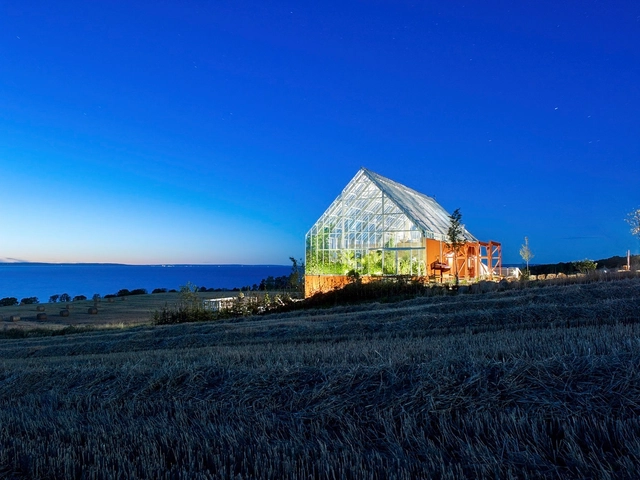
Researchers point out that "proto-greenhouses" arose to fulfill the desire of the Roman Emperor Tiberius (42 BC to 37 AD) to eat cucumbers every day of the year. Since it was impossible to grow the vegetable on the island of Capri in winter, his gardeners developed beds mounted on wheels that they would move into the sun when possible, while on winter days they would place them under translucent covers made of Selenite (a type of gypsum with a glassy appearance). But the production of large-scale greenhouses only became possible after the Industrial Revolution with the availability of mass-produced glass sheets. Since then, they have been used to grow food and flowers, forming a microclimate suitable for plant species even in places with severe climates. But in some cases, these artificial growing conditions can also form interesting living spaces. The recent Lacaton & Vassal awards rekindled this interest. How is it possible to create greenhouses that can be good for both humans and plants?
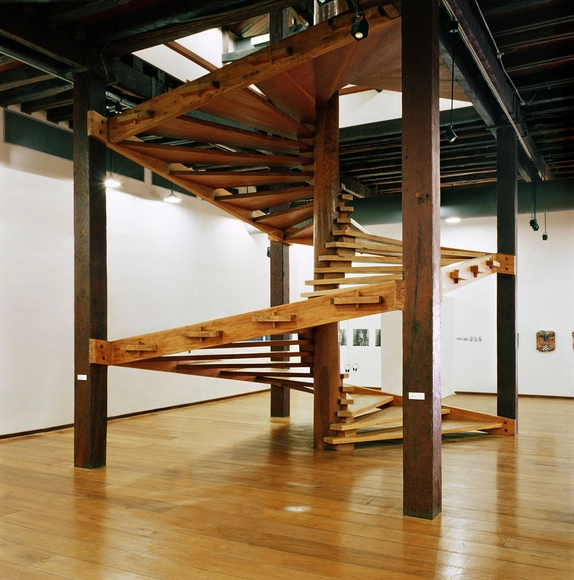
The Unhão complex, constructed in Salvador, Brazil in the 17th century, consisted of a sugar mill with a big house, chapel, and slave quarters. At the time, Salvador was one of the largest and most important Brazilian cities, and its port was the site of a large portion of the Portuguese colony's sugar exports, an economy fueled primarily by slave labor. The ensemble drew the attention of Italian-Brazilian architect Lina Bo Bardi at her first visit in 1958, during which she spent some years working and teaching in the city. Following Bo Bardi's decisive contributions, the buildings were restored and became the new home of the Museum of Popular Art and the Popular University. But within the whole complex, the element that draws the most attention for its plasticity, functionality, and symbolism is the helical wooden staircase.
Concrete, second only to water, is the most consumed material worldwide due to its structural strength, ease of handling, and versatility. Comprised of cement, sand, gravel, and water, it is extensively used in construction projects of various scales. However, even this resilient material can deteriorate over time, necessitating maintenance or, in severe cases, demolition. Abrasion and erosion are factors that can adversely affect the appearance of concrete, remove its protective layer, create a rough surface, and potentially lead to structural issues. These challenges are particularly critical in large and complex construction sites, where any irregularities or unevenness can result in significant losses and complications for architects, engineers, and contractors.
As awareness of water scarcity, water stress and environmental sustainability grows around the world, the concept of "water footprint" is becoming increasingly relevant. Unlike its more popular cousin, "carbon footprint", which focuses on greenhouse gas emissions, the water footprint (WF) provides a holistic view of water used throughout the life cycle of a product, process, or activity. It measures the amount of water consumed (directly and indirectly) and polluted –taking into account different types of water resources– and serves as a valuable tool for companies, policymakers, and individuals to understand and address their water-related impacts. There are even online calculators that measure our individual footprints through simple questions about our homes, appliances and even eating habits.
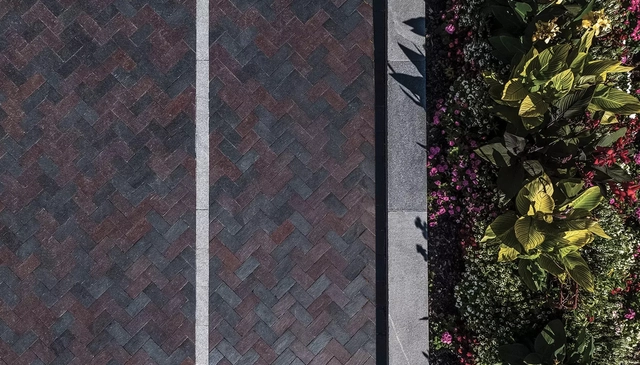
Composed of very fine mineral particles and formed through the weathering and erosion of rocks over long periods of time, clay has properties that make it useful for a wide range of applications. When wet, it becomes extremely malleable and plastic, and can be molded into different shapes. When dry, it is hard and rigid, and is widely used for construction and ceramics. Clay pavers are quite common for outdoor use due to their durability, resistance to weather and traffic, their natural hues and ease of installation.
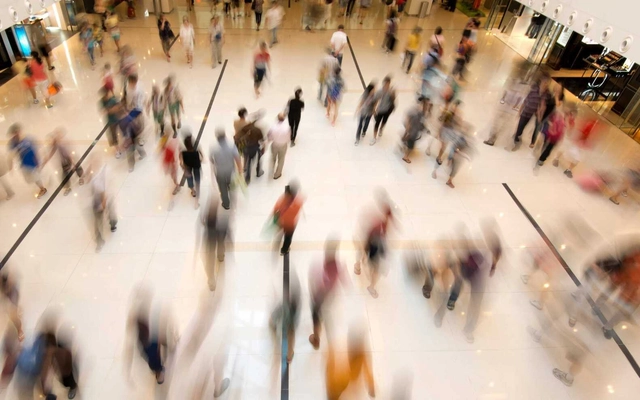
In medieval cities, walls played a crucial function, acting both as a defense against external threats and as a symbol of power and control, while also regulating local trade. The access to the interior of these cities was strictly controlled by guarded gates, drawbridges, and portcullises, ensuring the free flow of local residents and simultaneously obstructing travelers and potential invaders. While fortified towers and armed guards are now primarily associated with prisons, creating access conditions that promote security, reliability, and practicality remains a challenge for architects and designers, especially in complex infrastructure projects such as airports, hospitals, and educational centers.
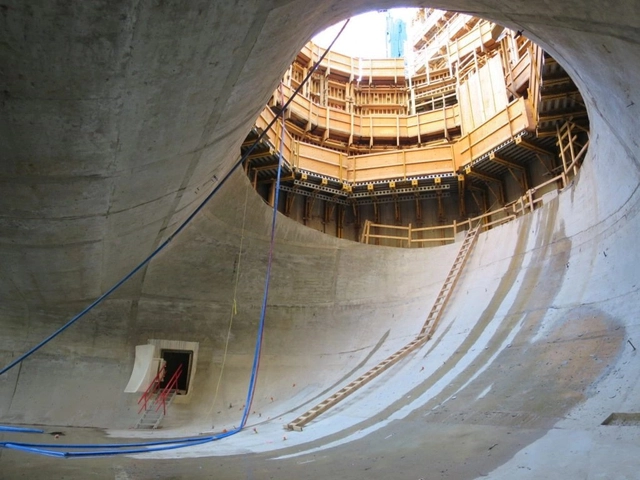
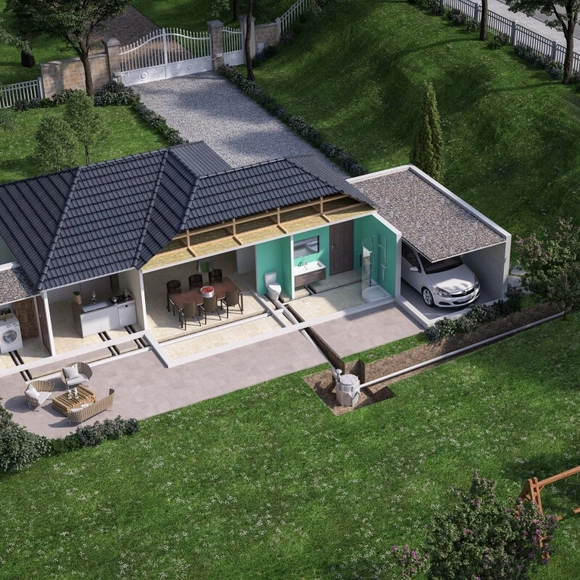
Ancient civilizations like the Egyptians, Greeks, and Romans understood long ago the importance of sanitation and wastewater management, building elaborate sewage systems by using underground drainage channels to carry wastewater away from their cities. These systems relied on gravity to transport wastewater to nearby bodies of water, since water cannot flow upward without being pumped. Today, many sewage systems continue using gravity in a similar way, with a suitable slope that facilitates the flow of wastewater downhill to treatment facilities or other infrastructure. This also occurs inside private lots, where a height difference is needed between the building's piping and the urban drainage or sewage system. But there are times when the available height difference is not sufficient, or when the system is lower than necessary, causing gravity to get in the way, and making the system impossible to function in turn.
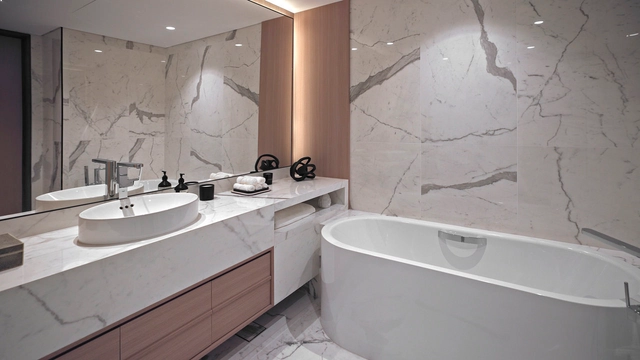
When it comes to buildings, there are several factors that contribute to creating something truly luxurious: attention to detail, use of premium, high-quality materials, and unique designs. Lately, the environmental impact of building decisions has also entered heavily into this equation, and the development of a luxury project requires all steps and products to take sustainability into account. At One Za'abeel, the new addition to the Dubai skyline, the careful choice of all solutions, manufacturers and surfaces had a direct influence on the final look and atmosphere of the building, which aims to be an urban landmark and raise the standard of buildings in the UAE.
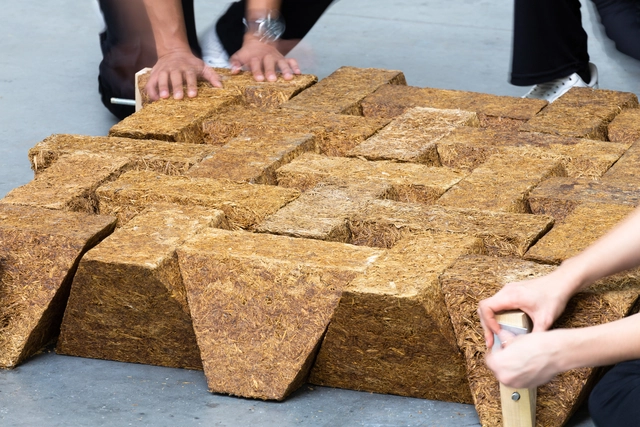
Finding effective and valuable solutions for agricultural waste management has been an inspiring challenge for researchers. By-products from monocultures, such as residues from soybean production, corn cobs, straw, sunflower seeds, and cellulose, are often destined for soil composting, used as animal feed, or even converted into energy in order to reduce waste and mitigate the environmental impacts associated with agricultural activities. Sugarcane production, for example, generates a significant amount of by-products, totaling about 600 million tons of bagasse fiber waste from an annual production of two billion tons of sugarcane. This by-product has a promising potential to replace energy-intensive building systems, such as concrete and brick, by providing building materials that combine sustainability and structural efficiency.
With this perspective in mind, the University of East London (UEL), in partnership with Grimshaw Architects and manufacturer Tate & Lyle Sugar, has developed an innovative building material called Sugarcrete™. The aim of the project is to explore sustainable building solutions by recycling biological by-products from sugarcane, which in turn reduces carbon emissions in the construction industry – all while prioritizing social and environmental sustainability during the production and implementation of these building materials.
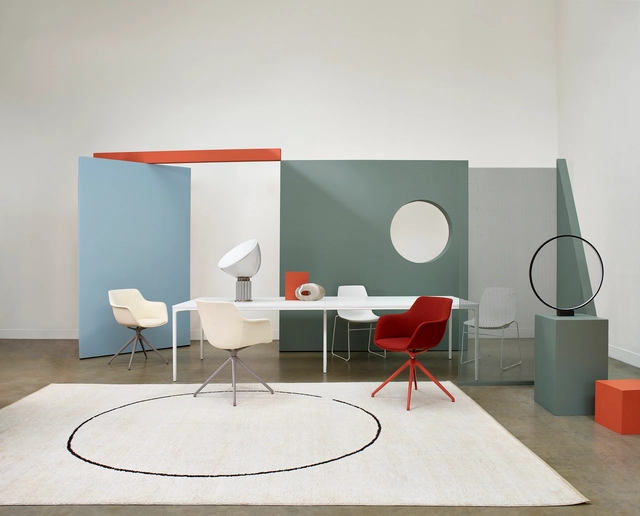
Designing a good chair is a much more challenging task than we might think. To begin with, several factors must be addressed, such as ergonomics, aesthetics, materials, functionality and durability. In addition, it is essential to define the purpose for which it will be used: an office chair has different requirements than a reading armchair or a dining chair, for example. Only when all these elements are carefully balanced and thought-out can you achieve a truly excellent chair. And often, a good design can end up triggering many other variations throughout the years.
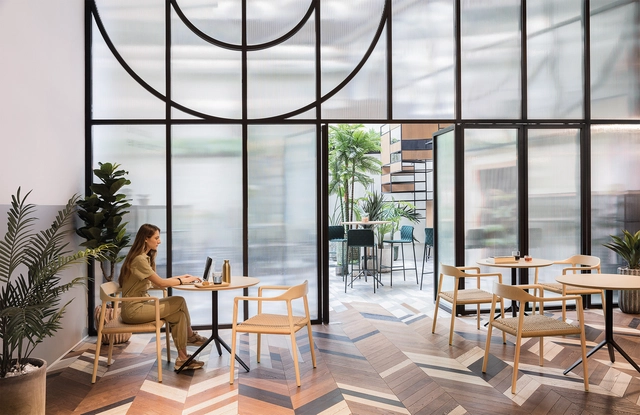
Some pieces of furniture are so versatile that they are equally at home in a home, in an office or in a cafeteria. The Liceo armchair by Piergiorgio Cazzaniga and the Triada table by Layer Design for Andreu World with height adjustement are perfect example of this. Image Cortesia de Andreu World
How can a space that is no longer essential become valued again? The traditional office as we know it is disappearing with the changes brought about by technological advances and globalization, all of which was accelerated by the impositions of the pandemic. As living and working become inseparable activities and hybrid, flexible work arrangements are now the norm in many fields, offices will need to become increasingly sustainable, healthier, and also more comfortable. But how can architects and designers design workspaces so that people will continue to want to inhabit them? What solutions and furnishings can meet the needs of occupants, with flexible solutions that can adapt to a variety of activities and purposes?
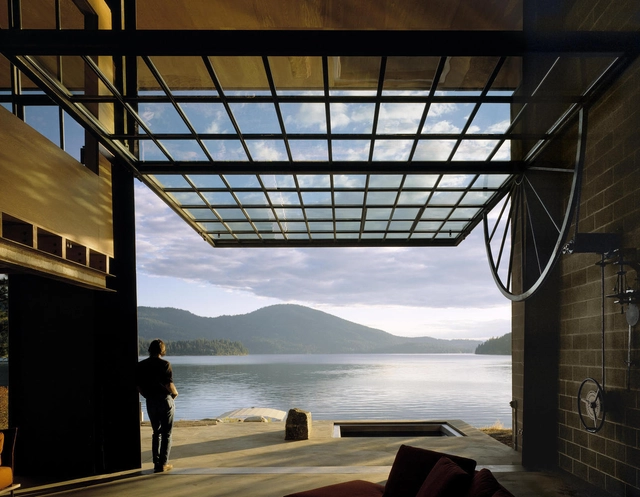
Seattle-based Olson Kundig is an example of how context and culture can influence a firm's design approach. Founded in 1966 by Jim Olson and now consisting of hundreds of employees and thirteen principals/owners, including Tom Kundig, the firm has an extensive and diverse portfolio that spans different scales and budgets. In lectures and interviews, Kundig in particular often talks about how having grown up in a region with a strong mining and lumbering tradition has influenced the industrial and rational aesthetic of his designs, the use of durable and low-maintenance materials, and a special attention to craftsmanship. In many of the firm's designs, however, the ingenuity and emphasis on moving parts –blurring the boundaries between inside and outside– is striking. This is usually achieved by incorporating hand-held devices that allow users to activate the building directly, connecting them both to the context but also to the building itself and the dynamic mechanisms therein.
By operating in closed cycles, circular design goes beyond the traditional linear concept of "extracting, producing, consuming and discarding", and seeks to create more sustainable and efficient systems throughout the life cycle of a product. Through the principles of reduction, reuse, recycling and regeneration, it can minimize the environmental impact of a product from the very first stages of its life: with the choice of more sustainable, durable materials; by minimizing waste during production; by promoting reuse and repair during its use; and at the disposal phase, with the efficient recycling of materials that can be reintroduced to the production chain. The adoption of circular design has gained strength in the industry, but despite the many advances and initiatives, it is still rare to see concrete examples of its implementation.
While most architectural critics and theorists agree that architecture can only really be learned on site –by experiencing its volumes, textures, sounds and smells– hardly anyone would have the time and resources to see all the projects they would like to in person. Ways of documenting a building or a city have aroused the curiosity of painters, photographers and artists throughout history. From the traditional classical portrait with perfectly adjusted proportions to disruptive forms such as Michael Wesely's long exposure images, Heinz Emigholz's experimental film set, or Tuca Vieira's Photographic Atlas of the city of São Paulo, there are myriad ways to portray the built environment. 360° cameras bring yet another set of possibilities to documenting architecture and urban scenes. We spoke to Romullo Fontenelle, architect and architectural photographer, who tested the new RICOH THETA X 360° camera and provided an account of how this technology can improve the efficiency and precision of his design processes.
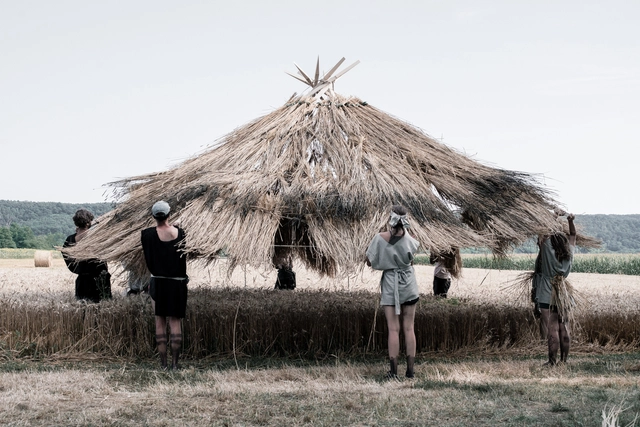
Towers, walkways, decks, cabins and tree houses. Since 2010, the Hello Wood Festival has erected dozens of temporary constructions, with one common denominator: wood. The initiative aims to make knowledge about this material more accessible to everyone, as it has immense potential for the future. However, despite its potential, wood still faces various prejudices within the construction industry. Through the connection between designers and artists from different cultural, academic and professional backgrounds, the event uses construction as a platform for innovation, discussion and knowledge. It offers participants the unique opportunity to experiment with sustainable design and construction methods, encouraging learning through experience, held in a forested area near Budapest, Hungary.
Verticality in architecture conveys aesthetic, symbolic and cultural meanings, representing concepts such as elegance, sophistication, modernity, progress and technological advancement. In religious buildings, for example, it symbolizes greatness and a connection with the divine. These strategies are very common in Gothic architecture, as well as Art déco buildings or even the skyscrapers of Mies van der Rohe. But these elements need not be restricted to grandiose constructions. Even in single-family homes, working with elements that refer to verticality can be just as useful, playing with volumes and facades or working with openings, such as windows and doors.