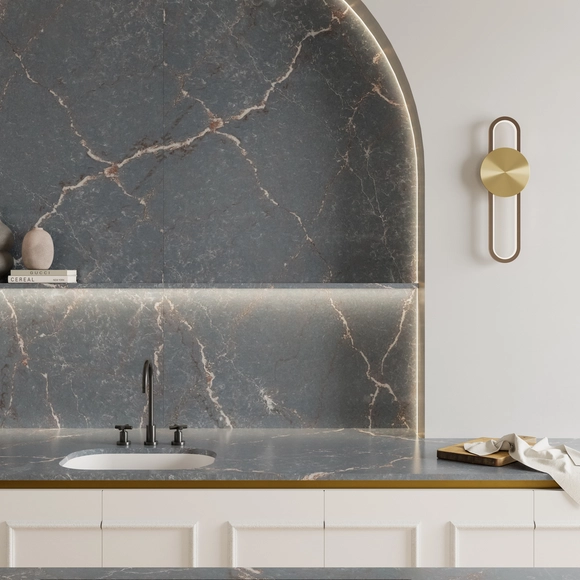
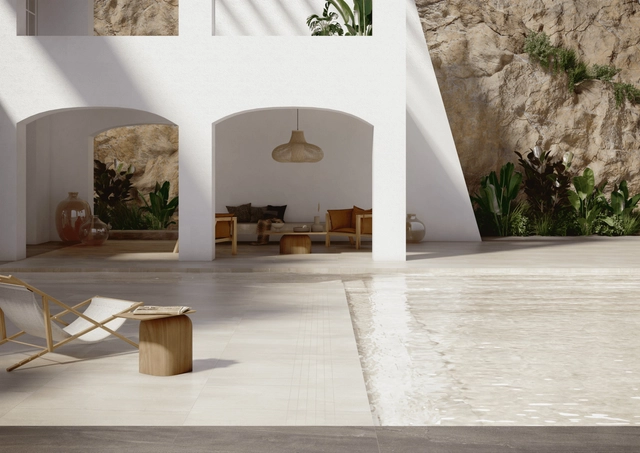
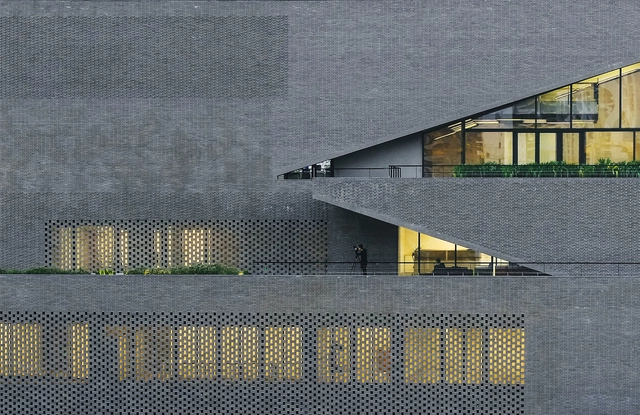
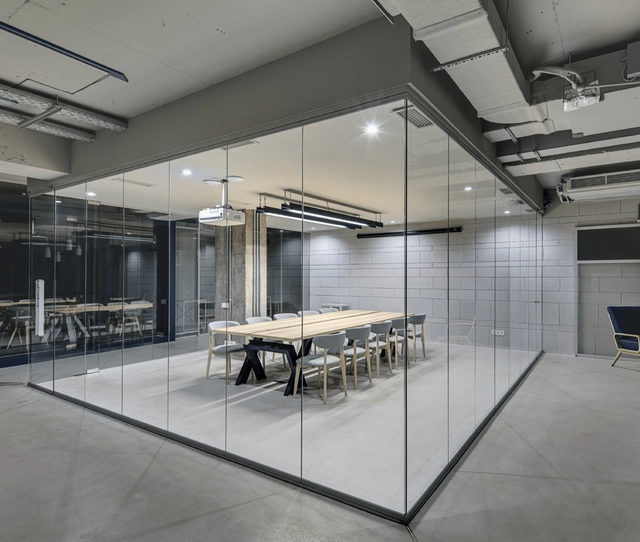
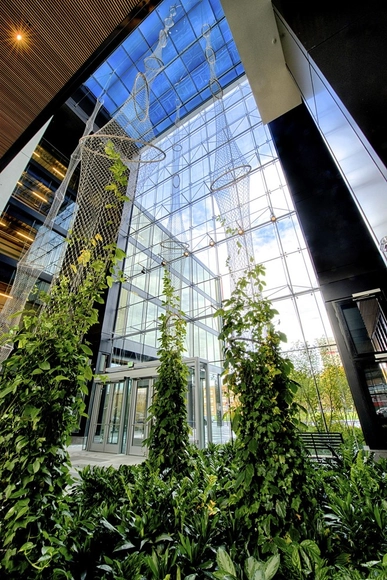
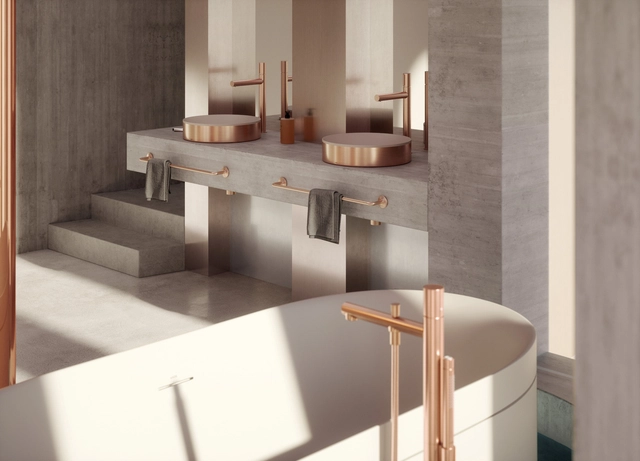
Whether through small samples of materials or a digital collage, a moodboard is a valuable project tool for architects and designers; an inspiration board with colors and elements to guide choices. The objective is to use this as an inspirational tool for upcoming projects, in order to define backgrounds, predominant textures, and standout details. To this end, surfaces play a fundamental role in defining a space and setting the tone of the space, just like a piece of music, where all the other elements may or may not match the harmony of the chosen palette.
Videos
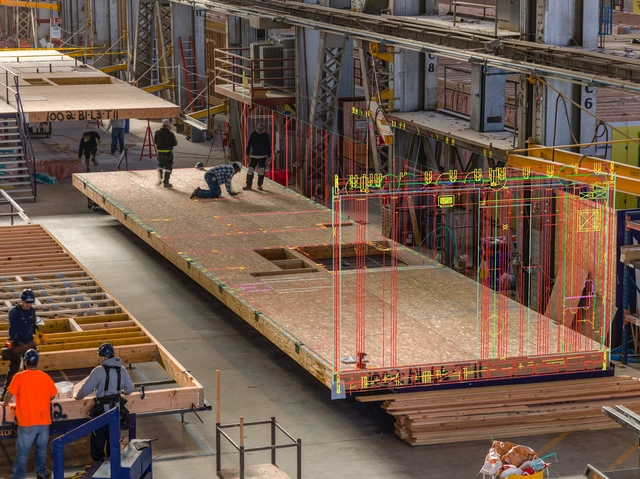
Phoenix Project. Image Cortesia de Autodesk
"In just one generation, we have gone from the pencil to AI.” This quote by Knut Ramstad from the Nordic Office of Architecture encapsulates the seismic changes we have witnessed in the development of architecture projects over the last few decades. By bringing forth increased efficiency and visualization possibilities, the express analysis and deeper understanding of project variables have become much easier. Architectures have become more complex, with more variables, numerous new demands and pressures, and with deadlines not getting any shorter. In this ever-evolving landscape of the architecture, engineering, and construction (AEC) industry, technological advancements have sparked a radical shift in professionals' approach to conceptualizing, planning, and executing projects, expanding a wide array of opportunities and highlighting the transformative power of data as an essential resource. This transformation could catalyze the industry's efficiency and sustainability, with a crucial focus on reducing its carbon footprint and minimizing waste generation.
In his Robie House, Frank Lloyd Wright created an ingenious arrangement of public and private spaces that slowly moving away from the street through a series of horizontal planes. Pronounced eaves made the interior space expand toward the outside. Considered the first phase of the American architect's career, the so-called Prairie Houses had marked horizontality, mainly due to the enormous plans created by slightly inclined eaves. Eaves are ubiquitous in most traditional architecture, and in addition to their aesthetic role, they serve several important functions, the primary one being to keep rainwater away from the building's walls and structure. But for some time now, we have seen plenty of projects with sloping roofs without eaves, forming pure and unornamented volumes. This brings us to the question: in these projects, how are practical issues such as draining rainwater?
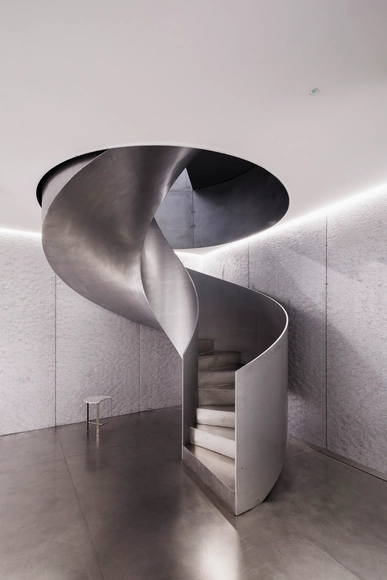
Shortly before the First World War, Harry Brearley (1871-1948), who had been working as a metalworker since he was 12 years old, developed the first stainless steel. Seeking to solve the problem of wear on the inner walls of British army weapons, he ended up obtaining a corrosion resistant metal alloy, and added chrome to the cast iron. The invention found applications in almost all industrial sectors including for the production of cutlery, health equipment, kitchens, automotive parts, and more, replacing traditional materials such as carbon steel, copper, and even aluminum. In civil construction, this was no different, and stainless steel was soon incorporated into buildings.
When we conceive an architectural project, it is crucial to transcend mere aesthetics and consider all aspects of our material decisions. The spaces where we live, work, and interact should not only be visually pleasing but also contribute to our safety and comfort. What if, in addition, they could improve air quality and reduce the amount of pathogens on surfaces? This is why the selection of materials plays a fundamental role, and architects and specifiers need to strive to acquire as much knowledge as possible about the materials and systems they incorporate into their projects.
Representing a fusion of innovation and convenience, a smart home can be defined as an environment in which one or more devices are connected and can be controlled remotely, either through a smartphone or voice commands. Automation, or home automation, is an advanced technology that has become increasingly accessible and popular. It enables tasks ranging from efficiently controlling lighting and room temperature to managing security devices, entertainment systems, and voice-activated personal assistants. Smart homes empower residents with continuous and user-friendly control over their environment. This dynamic synergy of automation and connectivity not only promotes efficiency and resource conservation but also opens new horizons in customization and comfort, envisioning a future where homes adapt to the needs and preferences of their occupants, making life simpler and more enjoyable. However, these systems often require the installation of new cables and wiring to build the necessary infrastructure, as well as the hiring of highly specialized labor, which can often make their implementation impractical.
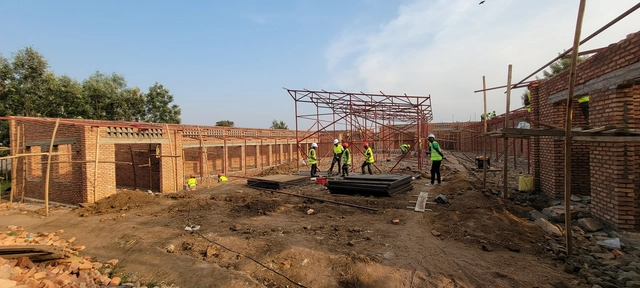
Pink Floyd's song “Another brick in the wall” criticizes an alienating and demotivating educational system. People, or children, are portrayed as bricks due to their homogeneity, whether in the way of living or thinking in a society that is not very fond of opposition. Bricks work very well in this comparison, having changed very little throughout history and around the world in their rectangular shapes. But that's not true of their colors. Although we tend to think of red when we talk about bricks, there are infinite possibilities of shades, depending on the composition and manufacturing process of the pieces.
Frank Lloyd Wright first came up with the concept of the open-plan office in 1906, in the Larkin Building in Buffalo, New York, United States. The innovative nature of this approach, at the beginning of the 20th century, contrasted with the norm of closed offices and probably stunned those who first used it. Fast-forwarding to the 1950s, the concept of an open-plan office –Bürolandschaft or Office landscape– originated in Germany, with the objective of eliminating spatial hierarchy through shared spaces. The architects strategically designed the office layout to improve communication and teamwork, removing solid barriers and replacing rows of desks with work areas that were organized based on functions and workflows, with a mentality aligned with the precepts of the time, especially related to the European post-war reconstruction effort.
With the high population density of cities and voracious appetite of the market for every square meter, it is not uncommon for urban vegetation to be forgotten. For this reason, forests, vegetable gardens, and vertical gardens have aroused much interest and figured into a variety of different innovative proposals. Using the vertical plane to maintain plants in an urban setting is a coherent and common-sense solution, especially when there is little possibility of bringing green to the level of the people on the streets.
Throughout history, architecture has always been associated with the elite and the wealthiest echelons of society, who commissioned sumptuous buildings to satisfy their aesthetic and functional needs. This trend dates back to ancient civilizations: Egyptian pharaohs built pyramids and impressive temples, Roman emperors erected magnificent amphitheaters and palaces. Architecture was, and often still is, a symbol of power and prestige. Over time, the profession expanded to encompass various types of buildings and audiences, from simple residences to public and commercial structures, and the advancement of technology and construction techniques made it more accessible in terms of costs. However, inequality in access to high-quality architecture still prevails, especially in underdeveloped countries or socially vulnerable contexts. Many regions face serious housing, infrastructure, and urban planning problems due to a lack of resources and adequate investments, with poor construction conditions, slum areas, a lack of basic sanitation, and unsafe buildings.
As urban areas around the world continue to experience population growth and increasing demand for housing, the land available for development is becoming both more limited and expensive. In large urban centers, many people deliberately choose the convenience and efficiency of compact living spaces in exchange for the benefits of city life, such as proximity to work, amenities, and cultural attractions. For others, however, the need to live in small spaces is a reality imposed by circumstances. In order to make construction feasible and increase urban density, builders and developers end up significantly reducing the size of rooms in homes, occasionally compromising the quality of life of those who live there. This has led to the adoption of various creative strategies to improve the efficiency of reduced interior spaces and provide greater comfort for occupants.
Sustainable construction certifications can play a crucial role in mitigating climate change by establishing solid criteria to foster ecologically responsible practices in the construction industry. They not only give public visibility to industry-accepted standards and monitor performance, ensuring compliance with regulations, but also stimulate the reduction of negative environmental impacts while rewarding buildings that fulfill strict sustainability standards. By establishing higher levels of excellence in projects and constructions, these certifications influence the evolution of construction codes, training professionals, and even changing corporate strategies.
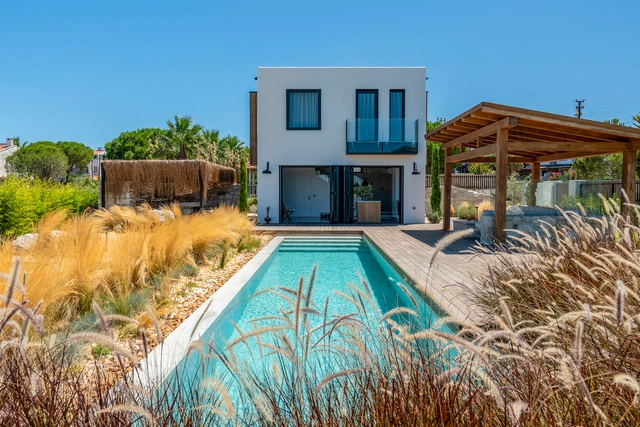
Archaeological findings suggest that the Great Bath of Mohenjo-Daro, the "oldest public water tank in the world," was constructed during the 3rd millennium BC. The significance of this impressive millennia-old structure is unknown, but it is generally believed to be linked to some form of purification ritual of the mysterious Harappan Civilization in the Indus Valley —the first civilization to develop urban planning. Indeed, throughout history, water has consistently captivated human fascination, from ancient ceremonial practices to the modern leisure and sports pools we see today. Whether situated indoors or outdoors, these structures represent a fusion of architectural design and landscape. However, it's no secret that establishing, operating, and maintaining pools involve substantial financial commitments. Every phase of the construction process, from the initial foundations to the meticulous steps of waterproofing, plastering, tiling, and the intricate installation of mechanical and electrical systems, requires significant investment and attention to detail. Therefore, the use of top-tier materials, cutting-edge technical equipment, and the highest level of skill is not merely advisable but absolutely essential.
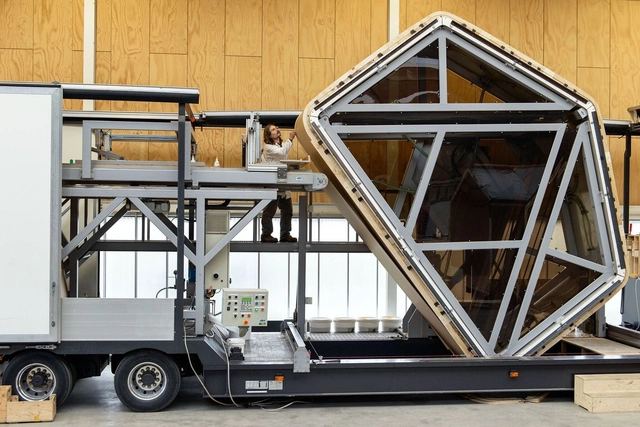
Modular Eco-Housing . Image Cortesia de Yvonne Witte
When we talk about technology, we often think of robots, supercomputers, data centers or smartphones. But technology also refers to the invention of the first chipped stone tools or the development of the steam engine, which brought about the first Industrial Revolution. The term comes from the combination of the Greek words techne (art, craft) and logos (word, speech) and is nothing more than the application of knowledge to achieve goals in a specific and reproducible way, for practical purposes. In the construction industry, which moves large amounts of resources and people, more technology means incorporating new methods, tools, automation and software that can improve efficiency. As a historically innovation-resistant industry, the construction sector has a huge impact on the environment due to its carbon emissions and exploitation of raw materials. However, as it turns to the digital world, builders have seen technology as a means to optimize practices and identify, build, and manage their projects.
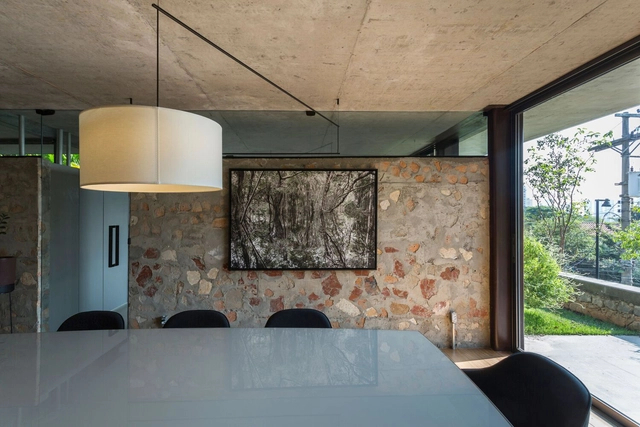
Ancient cyclopean walls were built by overlapping raw stones, supported one on the other, without the use of mortar. The name derives from the Cyclops, the giants of Greek mythology, as their construction required seemingly superhuman effort due to the weight and difficulty of lifting and fitting each wall piece. Cyclopic concrete, in turn, mixes this ancient constructive technique with contemporary materials and techniques. What sets it apart from traditional concrete is essentially the size of the coarse aggregate, which is traditionally composed of stones but can also include brick or concrete remains. Our Projects section includes examples of this constructive technique, which, unlike the cyclopes, clearly carries traces of the workers who built it. We talked to Rafic Jorge Farah, from São Paulo Criação Office, about his experience with this technique in recent works.
Timeless design possesses qualities that resonate with people on a fundamental level, whether through its simplicity, functionality, emotional impact, or adaptability. It continues to captivate and inspire indefinitely, remaining relevant and cherished across generations. This is the primary ambition of any designer, to endure through their creations over time. Philippe Starck, the renowned French designer, has long been at the forefront of the design world. He emphasizes that "The keywords for the future and ecology are longevity, transmission and heritage." His designs aim to go beyond mere aesthetics, incorporating a commitment to timelessness and a dedication to environmentally conscious practices.
Innovation thrives when we pause to observe, question, and reimagine the world around us, turning challenges into opportunities for progress. Nature, in particular, serves as a rich source of inspiration. By observing it, studying its daily challenges, and contemplating its processes, we can discover valuable insights that inspire innovative solutions.
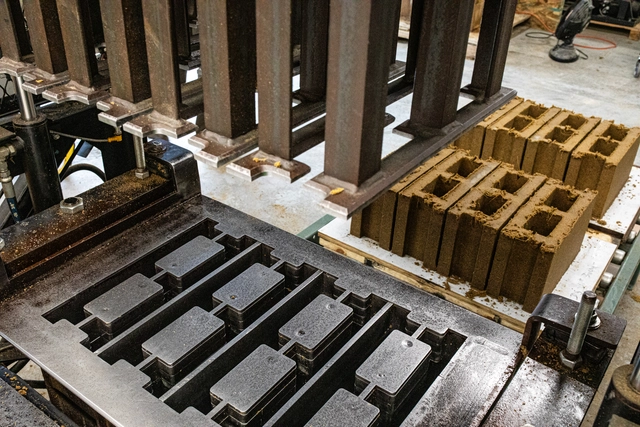
One of these current challenges is the production of concrete, an ancient and extremely popular material that is now accountable for a significant portion of global CO₂ emissions, due to the energy-intensive process of cement production and the chemical reactions involved. It is estimated to be responsible for approximately 8% of the world's annual CO₂ emissions, pumping 11 million tons of CO₂ into the atmosphere every day and consuming 9% of the world's annual industrial water usage. In addition, the world's building stock is expected to double by 2060—the equivalent of building an entire New York City every month for the next 36 years, which means an incredible increase in demand for cement and concrete. Faced with this daunting situation, is there anything we can do? In this article, we speak with Loren Burnett, CEO of Prometheus Materials, which has developed a material that mimics nature's processes to recreate concrete as we know it.
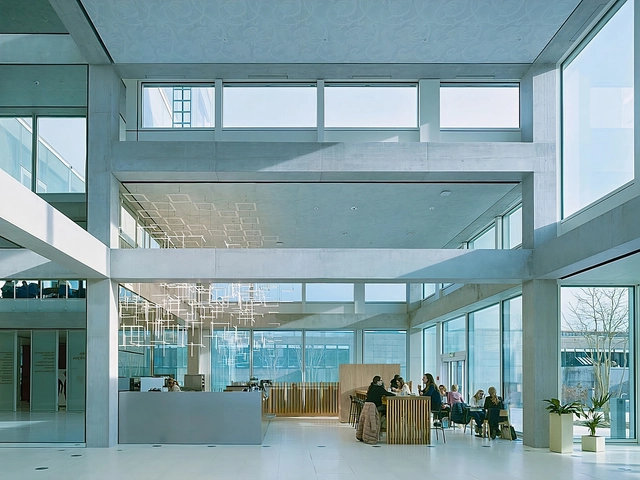
HSG Learning Center / Photo by Roland Halbe. Image Courtesy of Holcim
The need to reduce the construction industry's carbon footprint and its reliance on virgin natural resources is the most pressing issue facing the sector. It is therefore extremely important to foster innovation that can improve existing building materials and make them environmentally friendly, in order to successfully tackle its sizable carbon footprint and close the material loop.
Concrete, for example, has been used since the times of the ancient Romans and has proven to be a durable, strong, affordable and versatile building material. Today, it is the most widely used man-made resource in the world. However, its production methods raise environmental concerns: firstly, due to the high consumption of natural resources such as sand and gravel; and secondly —and more importantly— because of the CO₂ emissions associated with the production of its key ingredient: cement.