Diogo Borges Ferreira

Architect, researcher, and editor. Master in architecture from the Faculty of Architecture of the University of Porto and TU Munich. Based in Porto, Portugal.

BROWSE ALL FROM THIS AUTHOR HERE

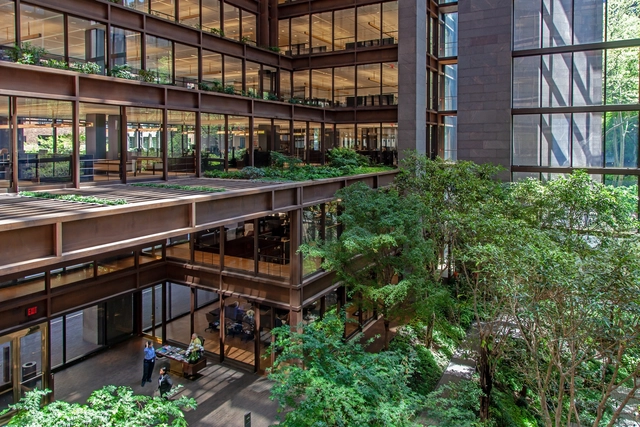
Designing with Empathy: Architecture for Social Equity

Architecture has long been understood as a powerful tool for shaping the physical environment and social dynamics within it. However, its potential to foster social equity is often overlooked. Empathy-driven design invites architects to approach their work not only as creators of space but as facilitators of human connection and community well-being. This approach centers on understanding people's lived experiences, struggles, and aspirations — particularly marginalized communities — and responding to their needs through thoughtful, inclusive architecture. It goes beyond aesthetics and functionality, instead focusing on creating spaces fostering dignity, accessibility, and social equity. By prioritizing empathy, architects can design environments that uplift communities, address disparities, and create inclusive spaces that promote positive societal change in a tangible, human-centered way.

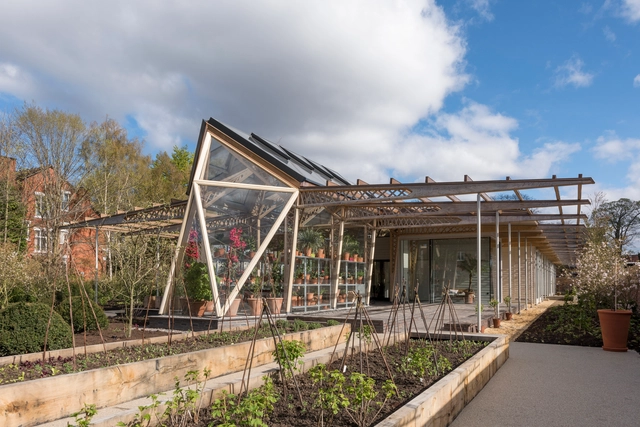
Designing with Empathy: Architecture for Social Equity - Image 1 of 4Designing with Empathy: Architecture for Social Equity - Image 2 of 4Designing with Empathy: Architecture for Social Equity - Image 3 of 4Designing with Empathy: Architecture for Social Equity - Image 4 of 4Designing with Empathy: Architecture for Social Equity - More Images+ 13

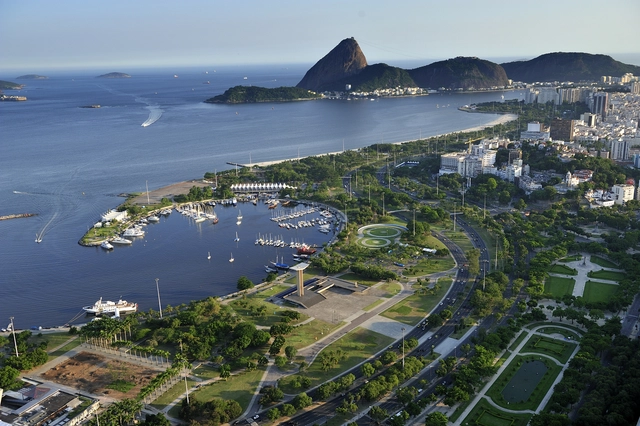
Exploring the Legacy of Modernism in Landscape Architecture

Modernist landscape architecture marked a radical shift from traditional garden designs, emphasizing simplicity, functionality, and a stronger connection between people and their environments. From the 1930s through the 1960s, this movement saw the emergence of visionary landscape architects who integrated form and function in ways that redefined outdoor spaces. Their designs responded to the rapidly evolving urban landscapes of the time, prioritizing usability and creating environments that could accommodate modern life. The enduring influence of these principles continues to shape contemporary practices, while also presenting unique challenges in preservation as these landscapes age.

Exploring the Legacy of Modernism in Landscape Architecture - Imagen 1 de 4Exploring the Legacy of Modernism in Landscape Architecture - Imagen 2 de 4Exploring the Legacy of Modernism in Landscape Architecture - Imagen 3 de 4Exploring the Legacy of Modernism in Landscape Architecture - Imagen 4 de 4Exploring the Legacy of Modernism in Landscape Architecture - More Images+ 18

Designing for Two Worlds: How Space Exploration is Shaping the Future of Architecture on Earth

Subscriber Access | 

Space exploration isn’t merely a testament to human ambition or a quest for new territories and resources. Our ventures beyond Earth’s atmosphere are driven by a deeper purpose: to understand better our place in the cosmos and to pioneer innovations that can transform life on our home planet.

While venturing beyond our planet captures the imagination, the true impact of space exploration may be felt much closer to home. Public perception often frames space exploration as a distant endeavor with limited relevance to terrestrial challenges. However, this perspective overlooks the substantial contributions of space programs to our world. By driving technological innovation, expanding our scientific knowledge, and inspiring future generations, space exploration has proven to be an invaluable catalyst for addressing global issues.

Designing for Two Worlds: How Space Exploration is Shaping the Future of Architecture on Earth - Image 1 of 4Designing for Two Worlds: How Space Exploration is Shaping the Future of Architecture on Earth - Image 2 of 4Designing for Two Worlds: How Space Exploration is Shaping the Future of Architecture on Earth - Image 3 of 4Designing for Two Worlds: How Space Exploration is Shaping the Future of Architecture on Earth - Image 4 of 4Designing for Two Worlds: How Space Exploration is Shaping the Future of Architecture on Earth - More Images+ 30

The Future of Smart Cities: How Digital Technologies are Transforming Urban Living in Barcelona and Dublin

Subscriber Access | 

As the world witnesses an unprecedented exodus from rural to urban areas, cities face a monumental challenge: how to accommodate a constantly growing population? This phenomenon, characterized by rapid population growth and increasing density, puts pressure on resources, infrastructure, and urban services. As significant problems demand even larger solutions, it becomes necessary, more than ever, to rethink the tools at our disposal. In this challenging context, the rise of emerging technologies such as the Internet of Things (IoT), data analytics, and artificial intelligence (AI) presents itself as a light at the end of the tunnel. These technologies, initially conceived to simplify everyday tasks and facilitate communication, are potential instruments that enable an effective response to contemporary urban challenges.

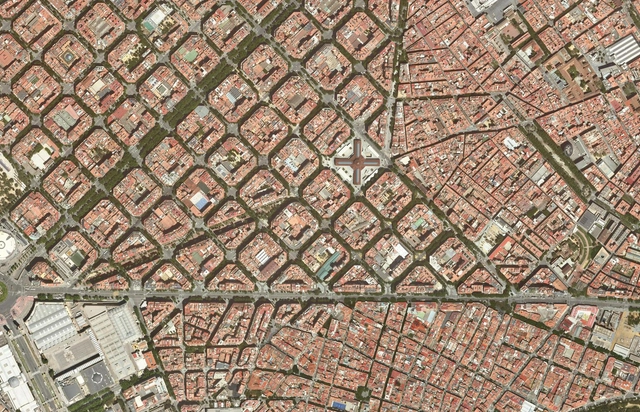
The Future of Smart Cities: How Digital Technologies are Transforming Urban Living in Barcelona and Dublin - Image 5 of 4The Future of Smart Cities: How Digital Technologies are Transforming Urban Living in Barcelona and Dublin - Image 2 of 4The Future of Smart Cities: How Digital Technologies are Transforming Urban Living in Barcelona and Dublin - Image 1 of 4The Future of Smart Cities: How Digital Technologies are Transforming Urban Living in Barcelona and Dublin - Image 4 of 4The Future of Smart Cities: How Digital Technologies are Transforming Urban Living in Barcelona and Dublin - More Images+ 4