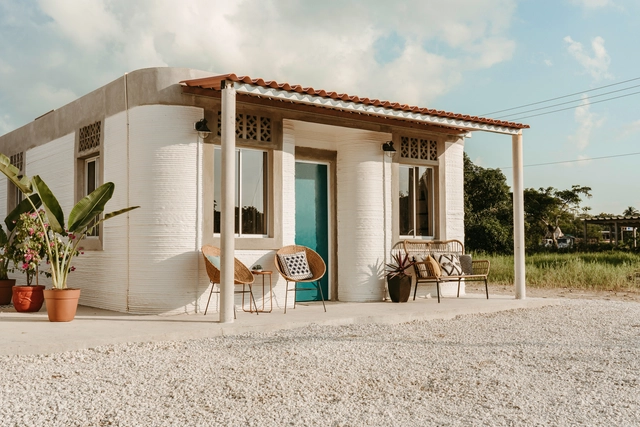
New Story Project - ICON - Mexico. Image Courtesy of ICON
BIG - Bjarke Ingels Group has joined a series of investors and partnered up with ICON, in order to push forward the use of 3D printing robotics to deliver dignified, resilient homes around the world. Aiming to contribute actively in the ongoing transformation, Bjarke Ingels, Founder and Creative Director of BIG stated that “additive manufacturing will play a transformative role in the future of construction”.
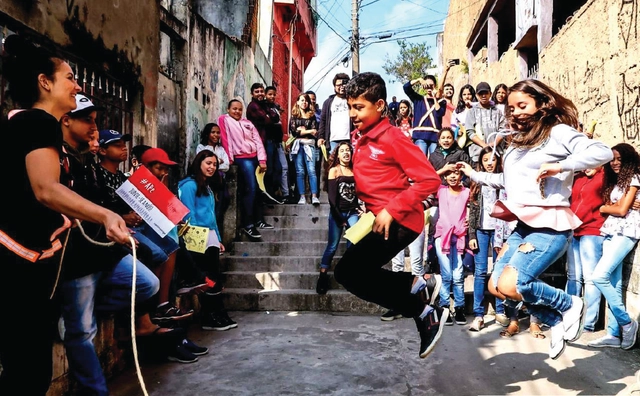
Mind the Step - Jardim Nakamura, São Paulo, Brazil. Image Courtesy of UN-Habitat
The Un-Habitat or the United Nations agency for human settlements and sustainable urban development, whose primary focus is to deal with the challenges of rapid urbanization, has been developing innovative approaches in the urban design field, centered on the active participation of the community. ArchDaily has teamed up with UN-Habitat to bring you weekly news, article, and interviews that highlight this work, with content straight from the source, developed by our editors.
Discover in this feature the first lesson to learn from UN-Habitat, on how to design with and for the people. In order to create great public spaces, the only secret is listening to the community. Questioning “how can we design together”, this article presents cases in Ghana, Brazil, and India, focusing on street, market, and open public spaces implementation projects, where interventions took on participatory approaches and involved local residents from the beginning of the process.
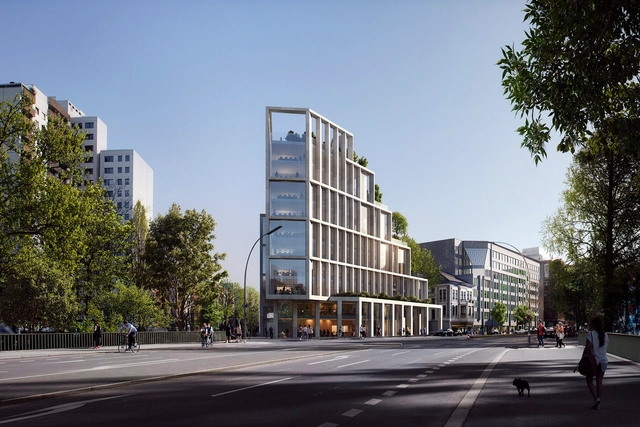
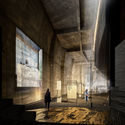
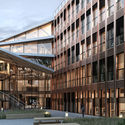
C.F. Møller Architects was selected to design the new HQ of Berlin Hyp, one of Germany’s leading real estate financiers. With a strong focus on sustainability, the winning proposal of the invited international competition, supports the bank’s vision, “contributing to the transition and urban development of the surrounding area”.
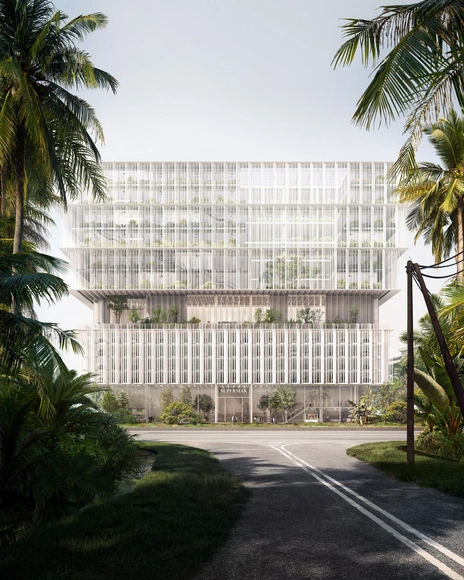
The Choice School - Calicut, India. Image Courtesy of CetraRuddy
Architects are mobilizing their efforts, to help schools around the world reconsider their design in order to guarantee sustainability, emotional wellness, and physical health. CetraRuddy, Cooper Robertson, and WXY are amongst those proposing an increase in outdoor programming and a rearrangement of classrooms, for post-pandemic school design.
The architectural scene has been witnessing lately a growing focus on indoor/outdoor functions. Discover 3 different interventions from 3 different practices, tackling one common issue, and focusing on outdoor space as a major programming element.
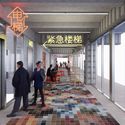
MVRDV has just unveiled the If Factory, a disused urban structure converted into a new 11.000 m2 creative building, containing a mixture of offices for the Urban Research Institute of China Vanke and offices for rent. Located in one of Shenzhen’s most historic districts, Nantou, the project is the largest proposed renovation in the city to date.
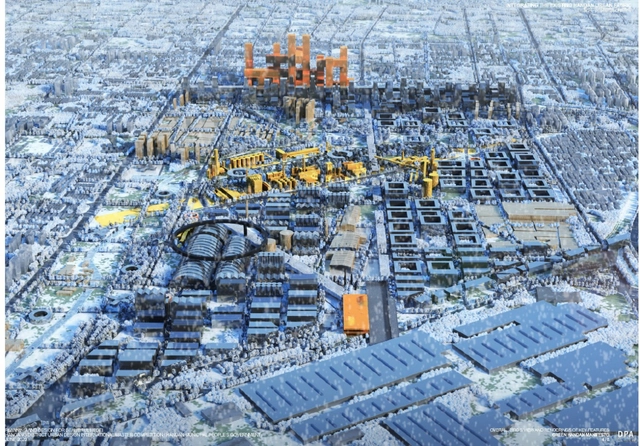
Dominique Perrault Architecture - The City of Tomorrow. Image Courtesy of Hangang District Urban Design International Master Competition
Dominique Perrault’s proposal has won “the transformation and revival of industrial heritages” or the Hangang district urban design international competition, in Handan, China. Six teams from world-renowned architectural firms, including Coop Himmelb(l)au and UNStudio Team, were invited to participate in the contest and envision the future of the city, through their creative designs.
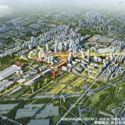
SOM and Fender Katsalidis have won an international design competition for Central Place Sydney, a commercial development that will introduce new transformative public space and high-tech towers. Located in Sydney's Central Business District, Australia, the proposed project seeks to transform the western edge by introducing innovative buildings and public realm improvements.
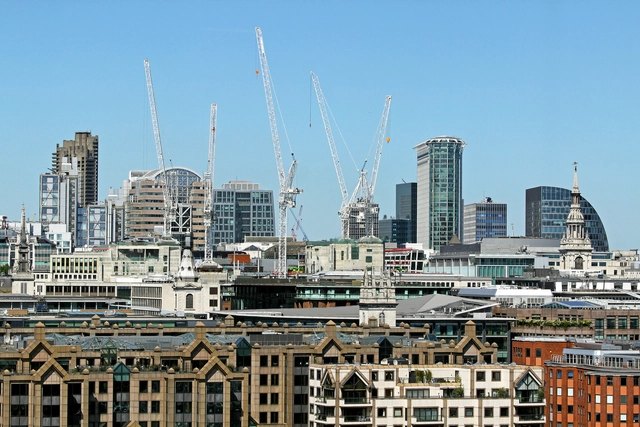
London cityscape with building construction sites in background. Image via Shutterstock/ By Ttatty
The UK government has released a document that proposes reforms in the planning system, such as speeding up the process of approvals for development. Entitled Planning for the Future, the report suggests “to streamline and modernize the planning process, bring a new focus to design and sustainability, improve the system of developer contributions to infrastructure, and ensure more land is available for development where it is needed”.
Budget Direct and NeoMam Studios, a creative studio based in the UK, have created a series of animated gifs restoring 6 UNESCO cultural sites and showcasing how these ruins would have looked like if they had been preserved. Bringing to life endangered sites, the project includes the recently destroyed ruins of Palmyra in Syria and Hatra in Iraq, demolished by ISIS in 2015.
Following an international competition, the latex glove manufacturer Supermax selected Szczepaniak Astridge, to design its new headquarters, in Malysia. The world's largest supplier of medical gloves and PPE had seen an increase this year in demand due to the coronavirus pandemic and needs to expand its buildings accordingly.
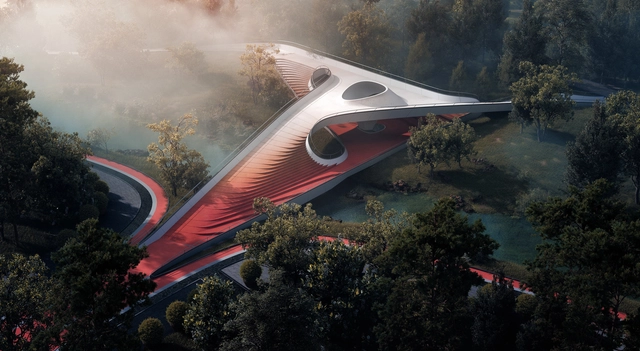
This week’s curated selection of Best Unbuilt Architecture encompasses conceptual proposals submitted by our readers. It features diverse functions and tackles different scales, from a spiraling bridge in China to a transportation hub dedicated primarily to space travel in Japan.
Comprising uncommon design approaches, this article introduces a humanitarian architectural response to the needs of the residents in an informal Egyptian settlement. In the master plan category, a Green city proposal highlights how we should develop our cities and neighborhoods in the future, and the first net-zero energy airport in Mexico reinterprets holistic design approaches. Moreover, the roundup presents different cultural interventions, from a museum in Botswana, an installation at the Burning Man festival by AI Studio, and an observatory in Vietnam.
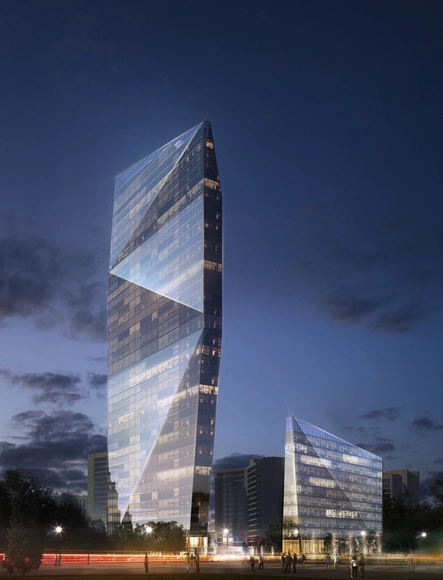
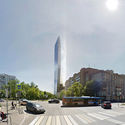
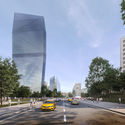
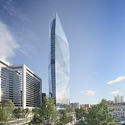
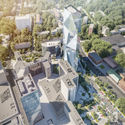
SPEECH has designed a proposal for the World Trade Centre (WTC), in Moscow, Russia, one of the largest and oldest mixed-use business complexes built initially in 1980. The suggested project introduces two glass blocks to the city’s skyline, featuring mixed-use functions such as offices, cafés, and shops.
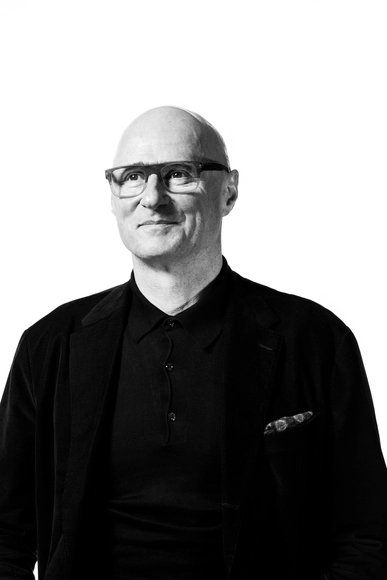
Simon Allford has been elected for the highest position in UK architecture, as the next President of the Royal Institute of British Architects (RIBA). Taking over the two-year presidential starting 1 September 2021, Allford, founding director of AHMM, will succeed to Alan Jones.
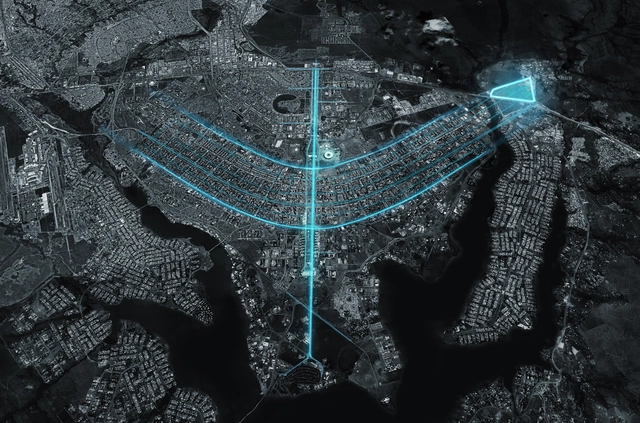
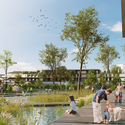
CRA - Carlo Ratti Associati has unveiled a major extension for Brazilia, reinterpreting “Lúcio Costa and Oscar Niemeyer’s modernist master plan for Biotic - a high-tech innovation district immersed in nature”. Developed in collaboration with Ernst&Young, the project that started in 2018 reimagines primarily the superblocks.
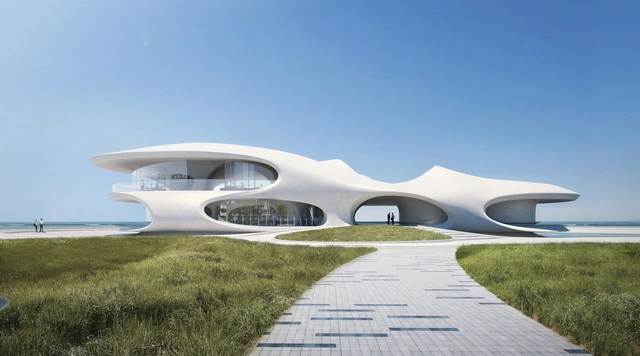
MAD Architects has just released its design for the Wormhole Library, a curved structure that serves as a multi-functional building, allowing visitors to read, enjoy the sea views and attend open-air performances. Located on the coast in Haikou, Hainan Province in China, the “wormhole” pavilion is now under construction and is expected to be completed in 2021.
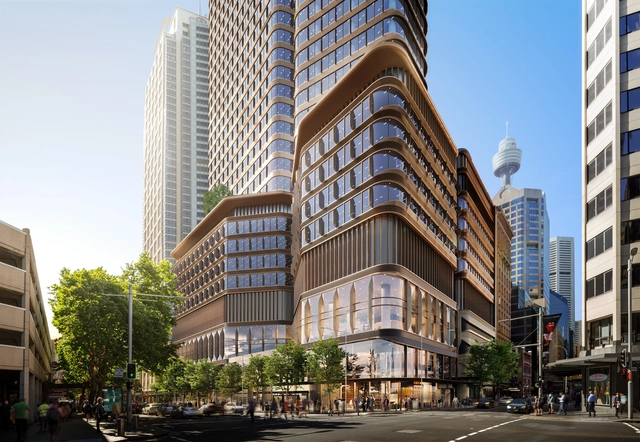
Pitt Street Over Station Development, Sydney. Image Courtesy of Foster + Partners
Foster + Partners has revealed visuals for its Pitt Street OSD and metro station design in Sydney, Australia. Stretching out underground across an entire city block, the over station development in the center of the city puts in place a 39-story office building and “creates a vibrant mixed-use hub offering flexible space with an elevated lobby and retail plaza in the heart of Sydney’s retail, dining, and entertainment precinct”.
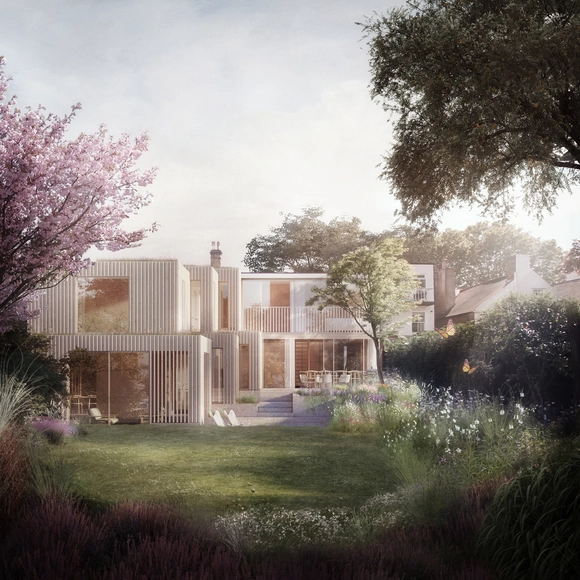
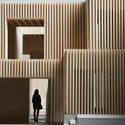
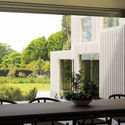
Morris + Company has just received planning approval to create a timber extension to Walter Segal’s Highgate residence in London. The transformation aims to revive the original architecture of the house, built by the architect himself in 1965 and introduces a contemporary intervention to the iconic village home.
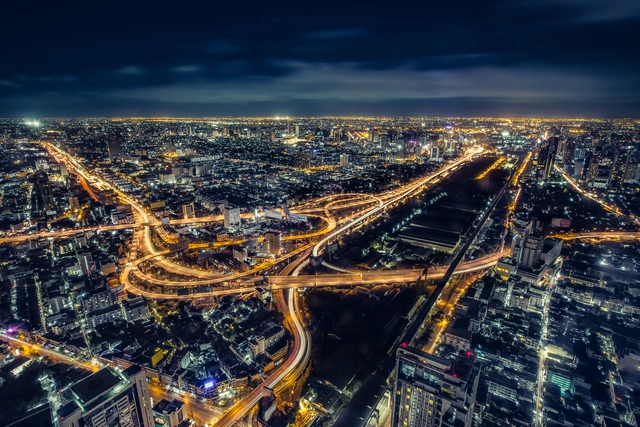
Our cities, vulnerable by nature and design, have generated the biggest challenge that humankind has to face. With the vast majority of the population expected to settle in urban agglomerations, rapid urbanization is going to raise the issue of adaptability with future social, environmental, technological and economic transformations.
In fact, the main problematic of the decade questions how our cities will cope with fast-changing factors. It also looks into the main aspects to consider in order to ensure long-term growth. In this article, we highlight major points that help future-proof our cities and create a livable, inclusive and competitive fabric that adapts to any unexpected future transformation.






.jpg?1597648211&format=webp&width=640&height=580)


.jpg?1597648186 "The Choice School - Calicut, India. Image Courtesy of CetraRuddy")
.jpg?1597648211)
.jpg?1597742181&format=webp&width=640&height=580)
.jpg?1597742097 "Courtesy of MVRDV")
.jpg?1597741926 "Courtesy of MVRDV")
.jpg?1597742150 "Courtesy of MVRDV")
.jpg?1597742181)


.jpg?1597587766&format=webp&width=640&height=580)

.jpg?1597587782 "Courtesy of SOM | Fender Katsalidis")
.jpg?1597587827 "Courtesy of SOM | Fender Katsalidis")
.jpg?1597587803 "Courtesy of SOM | Fender Katsalidis")
.jpg?1597587766)

2020_canaria__dentsu__noiz__Space_Port_Japan_Association.jpg?1597222708 "SPACEPORT CITY. Image Courtesy of Noiz Architects")