What happens when a city’s industrial past becomes the raw material for its future? In Copenhagen, Nordhavn transforms the old harbor into a living laboratory of sustainable urbanism, where warehouses and docks give way to independent districts, small islands, and canals that redefine what it means to inhabit the city.
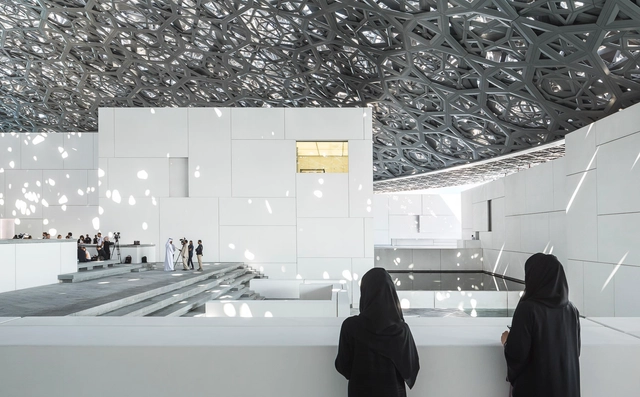
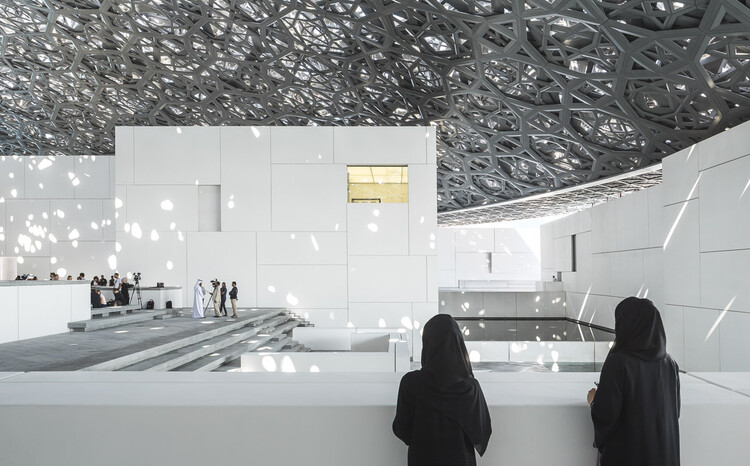
It is undeniable that, at first glance, the idea of a Louvre in Abu Dhabi or a Centre Pompidou in Brazil may seem somewhat disconcerting. The image of these museums, internationally renowned, appears in many ways inseparable from their original cultural contexts. And to some extent, it truly is. The Louvre, deeply rooted in the history of France as a former fortress and later royal residence, embodies a set of invaluable heritage values, further amplified by I. M. Pei’s iconic glass pyramid intervention in 1989. The Pompidou, meanwhile, is remembered as a historic turning point: by redefining the concept of public infrastructure through radically unconventional architecture, it marked the first time culture drew in mass audiences.
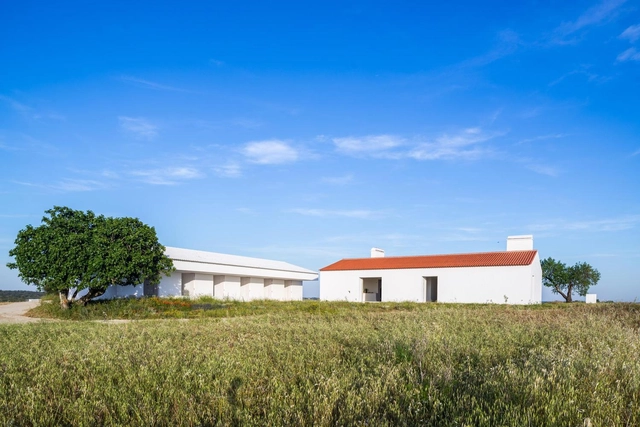
Tourism in Portugal began to develop in the late 1950s, initially centered on key destinations such as the Algarve coast, Lisbon, and the religious hub of Fátima. This focus made tourism largely a coastal activity. However, rapid growth and overburdened infrastructure in these areas led to saturation and a crisis in the sector. To address this, efforts were made to promote alternative destinations, appealing to a new wave of tourists looking for more sustainable, authentic, and locally immersive experiences.
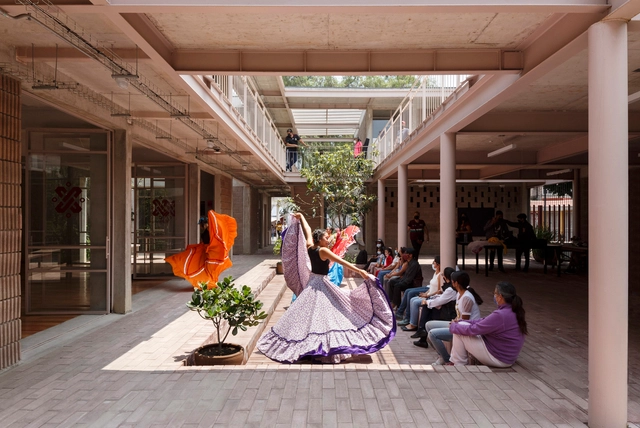
The cultural center is an architectural typology that has fascinated architects and urban planners for decades. Whether due to its multifaceted program, its often emblematic scale, or its potential to transform the urban context in which it is inserted, it is a building type that carries strong symbolic and conceptual value. The wide circulation of international references—many designed by renowned architects—reinforces the aura of prestige associated with this program, frequently seen as a privileged ground for formal and conceptual experimentation. Not by chance, cultural center designs are among the most recurring themes in competitions, exhibitions, and academic studios.
Yet behind this contemporary fascination lies a complex history in which the notion of space dedicated to culture has been redefined over time, gradually taking the form we recognize today. This ongoing evolution invites us to reflect not only on the historical path of these spaces but also on the possibilities that will shape their future.
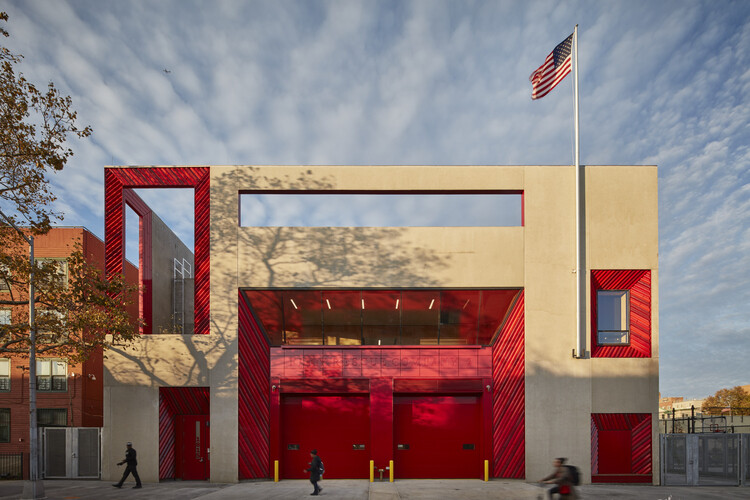
What should be taken into account when designing a fire station? The answer may seem obvious: functionality and efficiency. After all, every second counts in an emergency. But can a building designed for urgent operations also be aesthetically compelling, welcoming, and connected to its community? In recent decades, architects such as Zaha Hadid and Álvaro Siza have demonstrated that it can. By rethinking this building type, they have created spaces that go beyond emergency response—spaces that strengthen social ties, support the well-being of firefighters, and become urban landmarks.
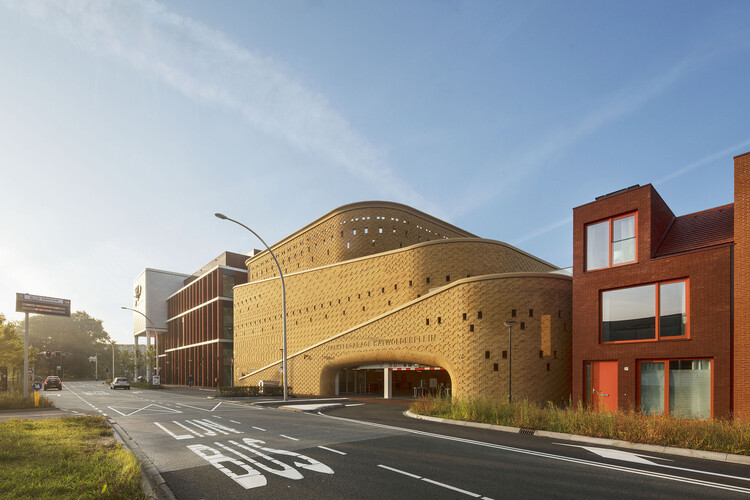
In an era of people-centered urban planning, 15-minute cities, “eyes on the street,” and active public spaces, parking garages are often seen as the antithesis of contemporary urban ideals. But that was not always the case. If today they challenge architects and planners to reinvent them in pursuit of more sustainable mobility and more human cities, in the past they stood as witnesses to a radical transformation in how we move, inhabit, and perceive urban space. Once symbols of modernity, parking garages embodied the height of an age when the automobile was seen as a driving force of progress. This shift in meaning reveals them as much more than utilitarian structures — they are powerful reflections of the evolution of urbanism, technology, and social habits over the past two centuries.
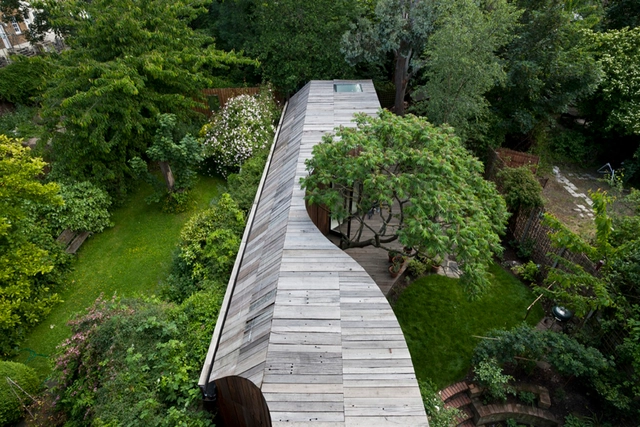
The preservation of the environment and the harmonious integration of the built and natural elements are fundamental principles in contemporary architecture. Various design strategies are employed to achieve this balance, ranging from the revival of vernacular techniques to the use of advanced technologies. However, this concern goes beyond the choice of specific construction systems or innovative materials; it also manifests in the design approach that ensures the preservation of the site's natural elements. In this context, we present 15 homes designed to protect local trees, showcasing how architectural decisions can adapt to nature rather than impose on it.
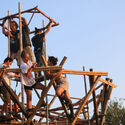
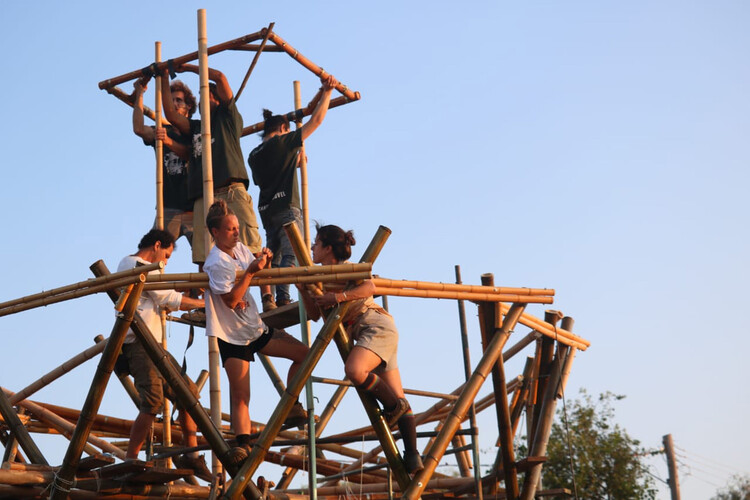
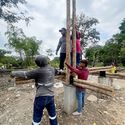
Construction group for the Circo-lô at the IDE Association, in Botucatu | SP. Photo: Tomaz Lotufo
Historically, the first universities in the contemporary model were established in Europe to educate elites for the State and the Church, rather than to promote social emancipation. With the rise of capitalism, they became privileged centers for producing and reproducing modern Western culture. However, from the 1960s onward—particularly after the student uprisings of May 1968—the academic focus shifted toward market-oriented values, displacing humanist and critical ideals. The humanities lost prominence, while technical fields gained central importance, often at the expense of reflecting on the social impact of their work.
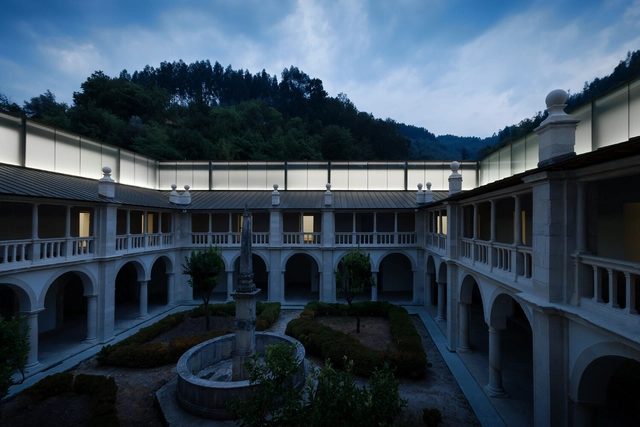
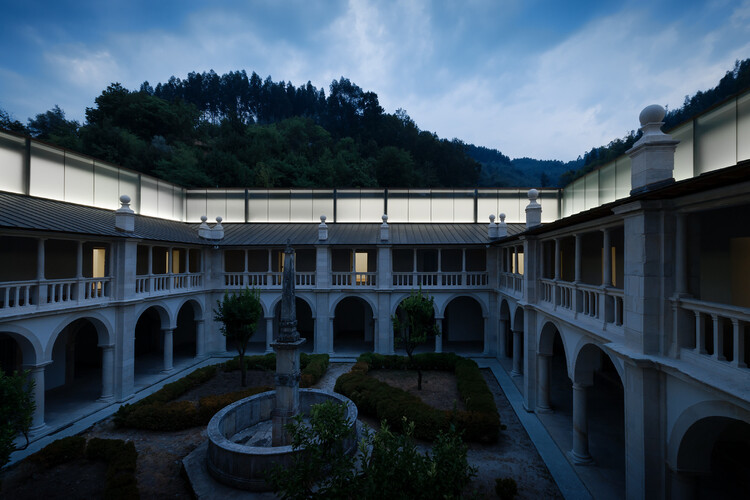
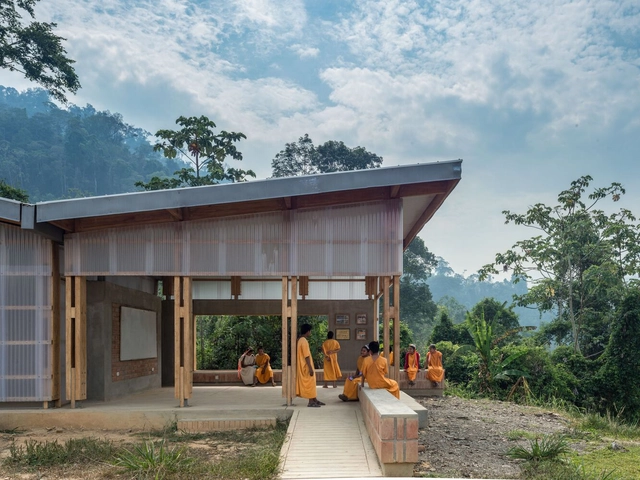
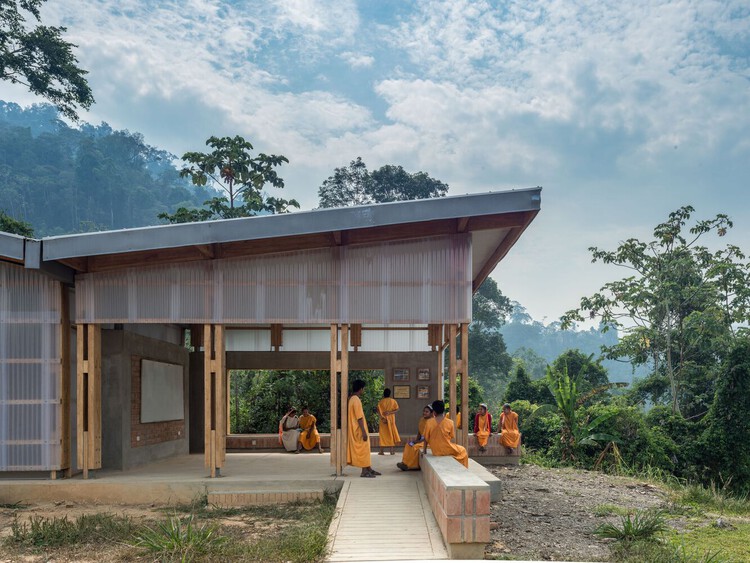
Monasticism emerged from a deep impulse to withdraw—a radical pursuit of spirituality and transcendence. The word itself comes from the Greek μόνος (mónos), meaning “alone,” reflecting the ideal of the holy hermit who retreats from the world to dedicate life entirely to the divine. By the late 3rd century, in Egypt and Palestine, the first Christian monks began to follow this path, creating ways of life that would later give rise to a distinct architecture centered on seclusion.
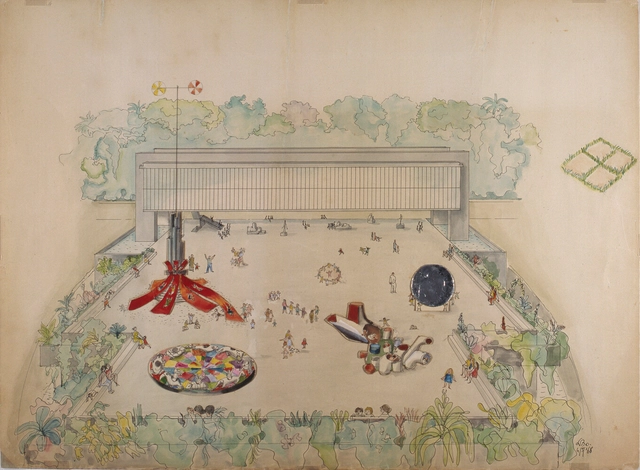
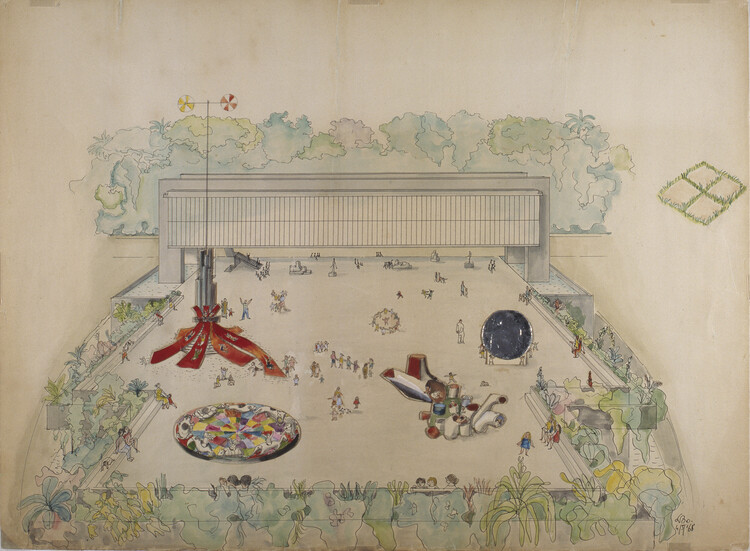
Lina Bo Bardi / Preliminary Study – Practicable Sculptures for the Belvedere at Museu Arte Trianon, 1968. Credit line: Doação Instituto Lina Bo e P.M. Bardi, 2006. Cortesia de MASP.
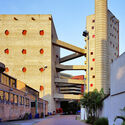
Aldo van Eyck and Lina Bo Bardi were two subversive figures. Their visions of collectivity and playfulness—though applied to very different kinds of structures—shared a common ground: an idea of architecture that goes beyond design. For both, architecture was a living space, animated by appropriation, movement, and exchange. From Dutch playgrounds to thw São Paulo Museum of Art, their ideals intertwined, reinforcing the notion of an architecture where anyone could become a child again.
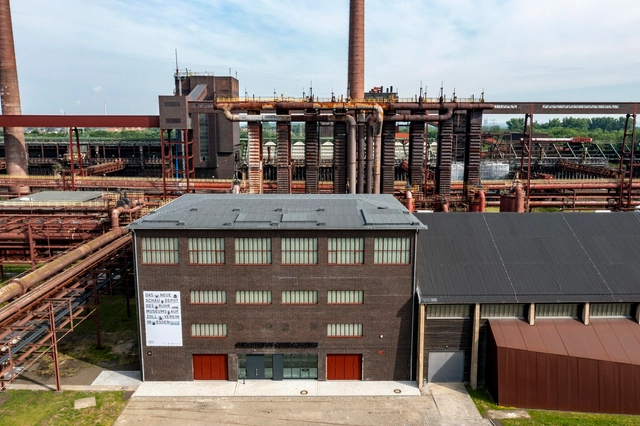
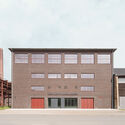
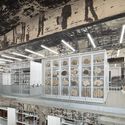
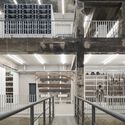
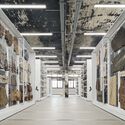
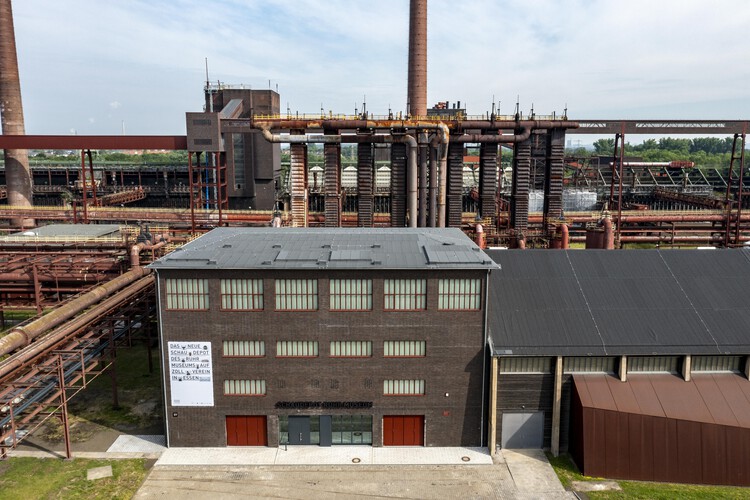
Once the largest coal mine in Europe, the Zollverein complex in Essen, Germany, has undergone a remarkable transformation over the past twenty-five years. What was once a landscape of abandoned industrial facilities is now a laboratory of contemporary architecture, featuring works by Rem Koolhaas, Norman Foster, and SANAA. Their interventions bridge the site’s industrial past with its imagined future. Spanning 100 hectares, the UNESCO World Heritage site has become a global model of adaptive reuse, redefining what it means to preserve industrial heritage. Within this context stands the Ruhr Museum and its enigmatic art repository, the Schaudepot. Located in the complex’s former salt factory, the museum impresses not only with its collection but also with its architecture, which transforms a 1960s industrial building into a vibrant cultural venue.
Because of its historical and architectural relevance, the project is featured in the 2025 edition of Open House Essen, under the theme “Future Heritage.” The initiative explores which spaces might shape our future architectural legacy and asks pressing questions: What should we preserve? What should we adapt? And how can we design a future that is both livable and fair?
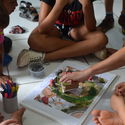
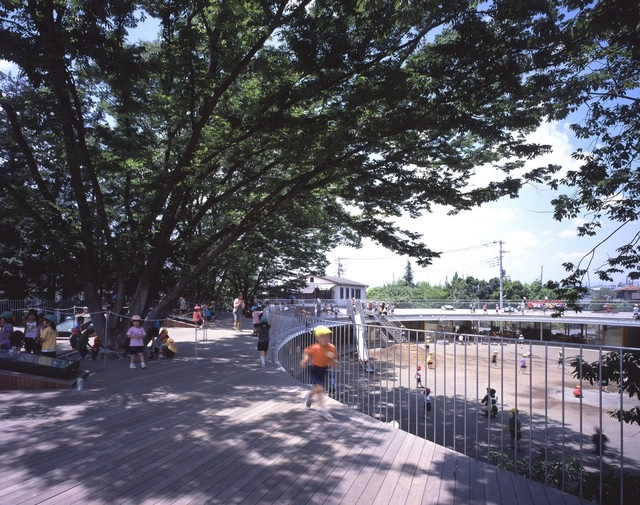
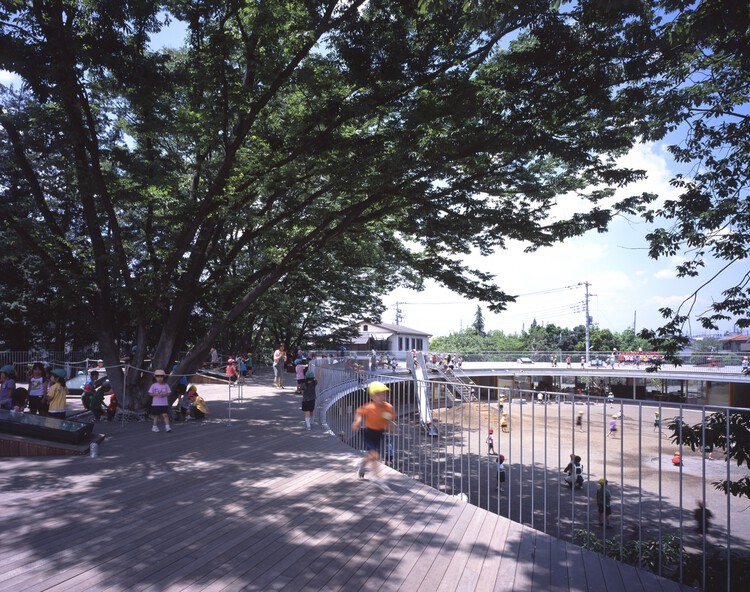
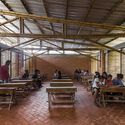
In South AmericanIndigenous communities, a child’s place is wherever they choose to be. Babies crawl on the earthen floor, approach the fire, investigate anthills, and experience the world with their whole bodies. They learn by feeling: discovering limits, recognizing dangers, and gathering lessons no manual could ever teach. In urban contexts, by contrast, children are often confined to spaces designed for adults, filled with rules that—though well-intentioned—tend to distance them from essential experiences. Rather than judging which model is “better,” what matters is recognizing that when cultures observe one another, there is always room for learning.
From an architectural perspective, this childhood with little freedom of time and movement challenges us to rethink how we shape daily environments. Why restrict spontaneous exploration to controlled settings? Why create physical and symbolic barriers between children and the natural world? And, above all, how might contemporary architecture break away from this paradigm and, inspired by Indigenous childhoods, design environments that restore to children their wild, curious, and complete dimension?
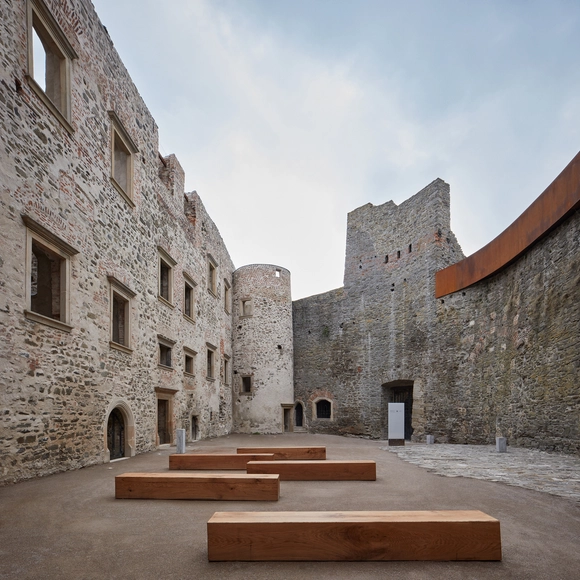
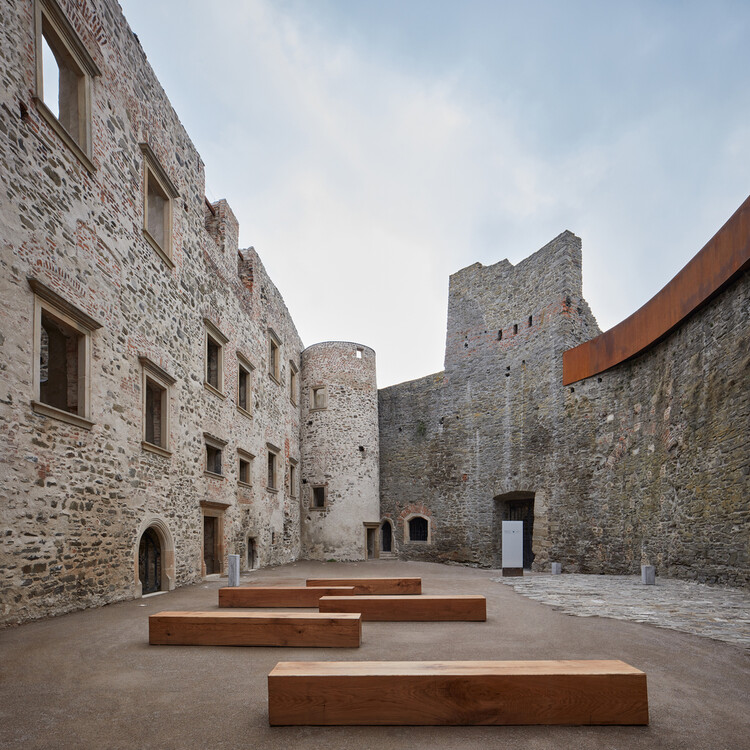
To recover, revitalize, convert—these actions have become increasingly present in contemporary cities, where architecture takes on the role of stitching together the overlapping layers of time that make up the urban fabric. Faced with this task, architects have explored a range of design strategies. Among them, one material in particular has stood out for how frequently—and effectively—it appears in interventions on historic buildings and contexts: corten steel. With its rusted surface, rich in texture and tone, it seems to offer a compelling answer to the challenging question of how to insert the new into the old. But what makes this material so recurrent in these situations? Is it simply its durability and versatility, or is there something deeper in its visual and symbolic presence?
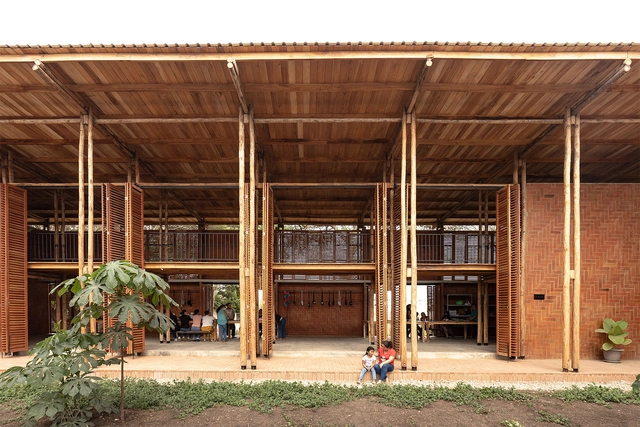
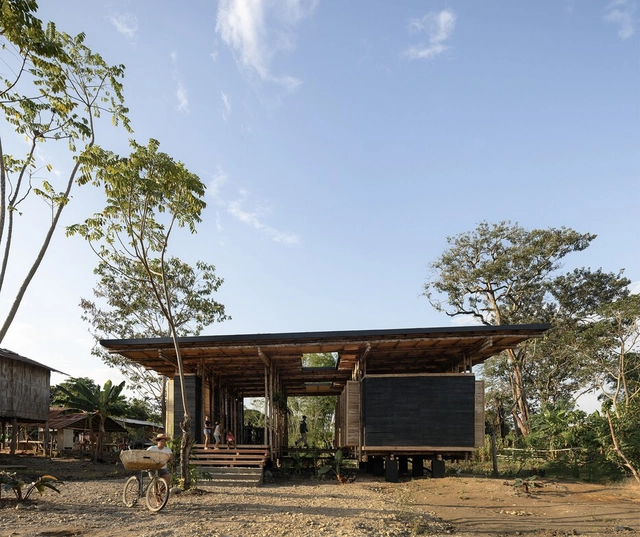
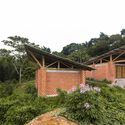
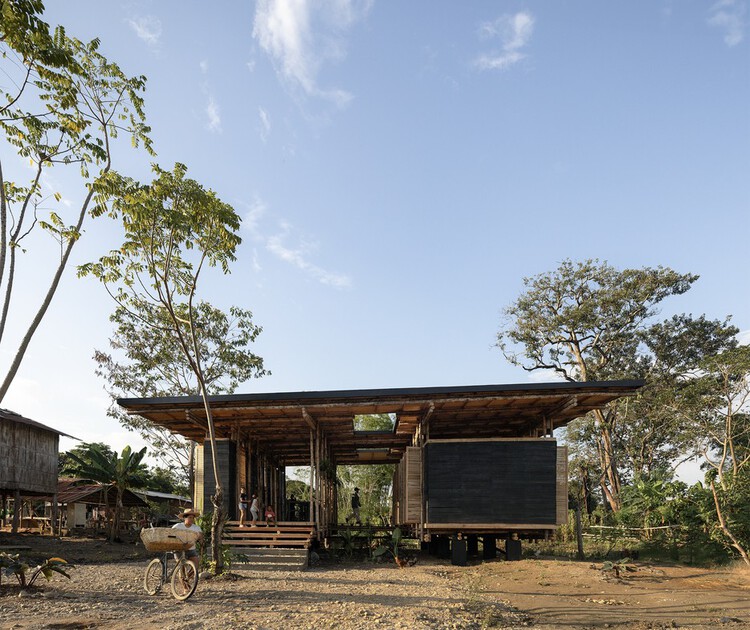
The countryside—long underestimated—is now emerging as fertile ground for possibility. More than a “marginalized space,” rural Latin America today asserts itself as a true laboratory for architectural, social, and ecological experimentation. From agroecological communities to low-impact technologies, from relationships between humans, machines, and other living beings to locally grounded solutions for global challenges—such as the climate crisis, food security, and migration—the rural world is actively and inventively reshaping its own future.
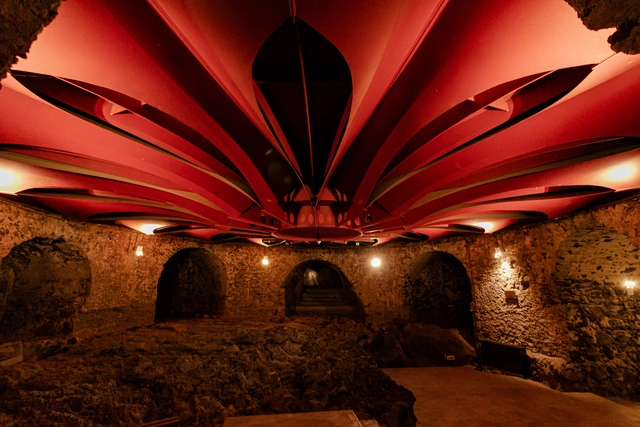
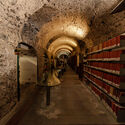
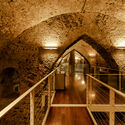
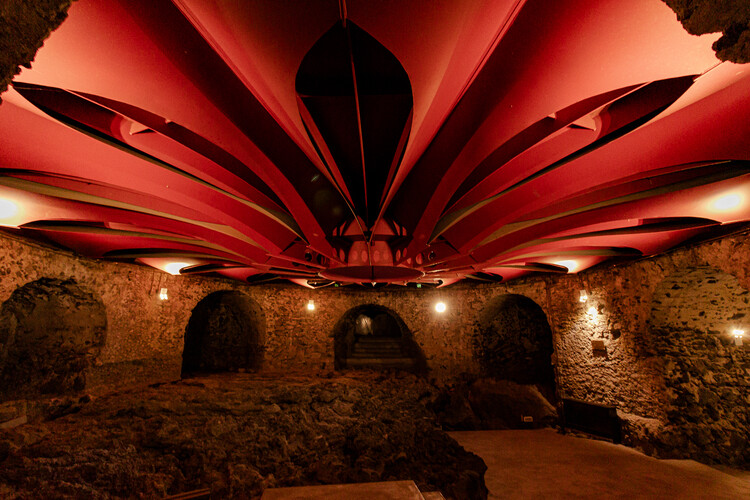
The Benedictine Monastery of San Nicolò l’Arena in Catania, Sicily, holds within its stones the echoes of five centuries, shaped by time, varied uses, violent earthquakes, and the blazing force of Mount Etna. Its walls, silent witnesses to history, were molded both by the fire of nature and by human hands. Yet among all the transformations it underwent, none was as profound or poetic as the one led by Italian architect Giancarlo De Carlo, starting in 1980. After 30 years of dedicated work, time required to truly understand such a complex and awe-inspiring site, the former monastic residence was reborn as a university, not by force, but through revelation.
Rural areas have long played a foundational role in the social and economic development of nations. Until the 18th century, they were the primary sites of production and social organization. However, the Industrial Revolution brought profound structural shifts that reshaped this landscape. Industry took center stage, anchoring itself in urban environments and establishing a hierarchical, binary view of rural versus urban, agriculture versus industry. Within this new paradigm, two opposing narratives gained prominence: one predicted the decline of rural life in the face of urbanization and economic progress; the other envisioned its persistence and eventual renewal. Today, it is clear which of these predictions has come to pass.