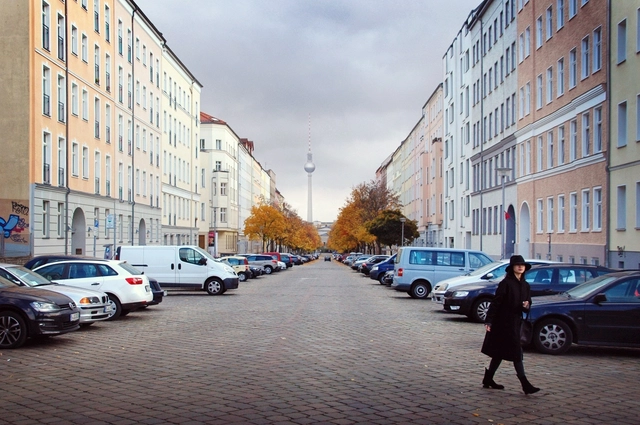

Fundación Arquia, along with architect Ana Asensio, invites us to reflect on how cities have been designed until recently—spaces of friction conceived without equal participation in decision-making, which consequently leads us to discuss feminism.
Fundación Arquia, along with architect Ana Asensio, invites us to reflect on how cities have been designed until recently—spaces of friction conceived without equal participation in decision-making, which consequently leads us to discuss feminism.
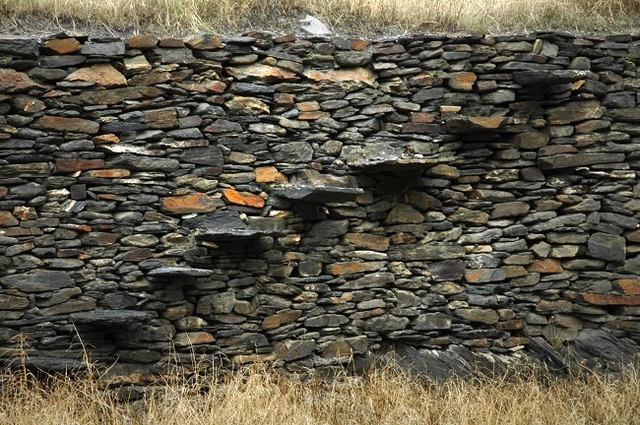
The Fundación Arquia Blog shares an article reflecting on personal experience to show why memory must not be approached in an austere, detached manner. Technical and typological studies of architectural heritage, or the mere recognition of a site's characteristics, customs, and history, are not enough. Memory is emotional; consequently, we must grasp the true meaning of a place and the value of its architecture beyond the material.

June 20th. World Refugee Day.
When we think of emergency architecture, what usually comes to mind are villages razed by flooding, by a hurricane or tornado. Families who have lost everything. From catastrophe emerges a new home for a new life, a new future to rebuild from the debris. But there are many other emergencies of an equally - if not more - dramatic nature.
Political and armed conflicts displace tens of millions of people every year. In the 2012 census collected by ANCUR, it was estimated that “43.3 million people in the world were displaced by force due to conflict and persecution. Children constitute 46% of this population.” These are not people who are starting from 0 with a new home, but rather who have run to save their own lives, taking with them only what they can carry - the things that will furnish houses that aren’t houses, because their inhabitants aren’t citizens.
But a refugee camp is also a city.
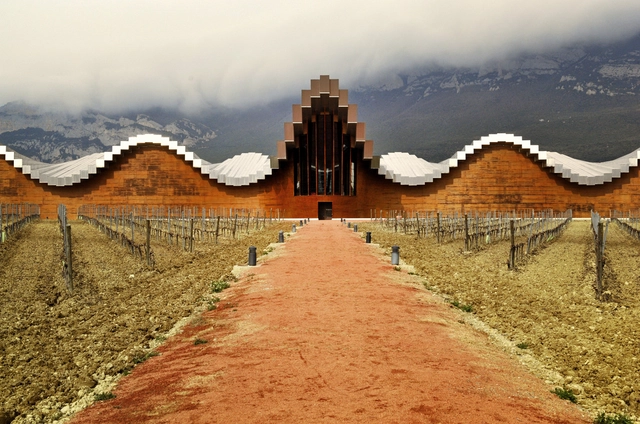
The architect and engineer Santiago Calatrava has once again made the headlines of Spanish papers - and, once again, for less than favorable reasons.
Calatrava's latest controversy is a lawsuit filed against him by the famous Bodegas Domecq winery, property of the Ysios Laguardia in Rioja, Spain. Both the Valencian architect as well as those involved in the winery's construction are being asked to pay two million euros to the winery, a sum that should help cover a renovation as well as the costs the winery has incurred over the last two years fixing the structure's leaky roof. The owner claims that the leaks have been creating a damp atmosphere (in a building where moisture control is critical for the quality of the wine) and thus damaging his business.