This guide shows how to use a D5 Render a free live-sync plugin to improve SketchUp workflow.
How to improve rendering workflow on SketchUp
| Sponsored Content
https://www.archdaily.comhttps://www.archdaily.com/catalog/us/products/32369/how-to-improve-rendering-workflow-on-sketchup-d5-render
Winners of the XVII Jalisco Architecture Award 2023
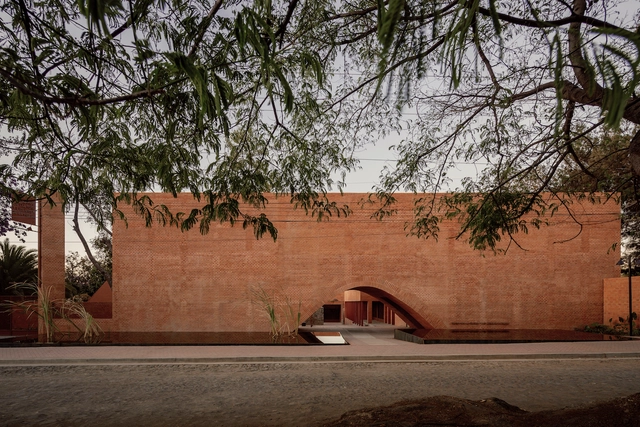
Thirty-eight years ago, the Colegio de Arquitectos del Estado de Jalisco A.C. established the Jalisco Architecture Prize to recognize the work of outstanding architects and to encourage and motivate architecture professionals in the State of Jalisco. The award was also conceived to celebrate the region's rich tradition of excellence and innovation, as the birthplace of numerous illustrious professionals, including architect Luis Barragán Morfín and Fray Gabriel Chávez de la Mora—who designed the signature medal for this prestigious honor. The accolade is divided into three main categories: the Architectural Design Award, the Urban Design and Planning Award, and Distinctions, as well as the Honoris Causa Recognition.
https://www.archdaily.com/1136226/winners-of-the-xvii-jalisco-architecture-award-2023Mónica Arellano
P+ Construction Materials Passport: A Platform for Circular Architecture
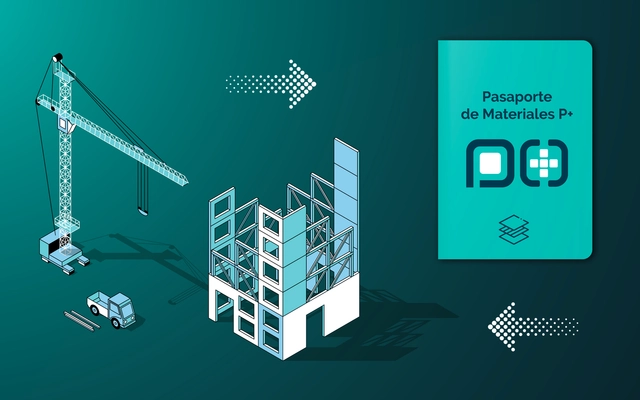
Launched in 2023 and developed by the Technological Center for Innovation in Construction (CTEC) and the Chile Green Building Council, the P+ Material Passport for Construction Platform enables the registration, characterization, and traceability of building materials and components throughout their lifespan.
https://www.archdaily.com/1136166/p-plus-construction-materials-passport-a-platform-for-circular-architectureRene Submissions
Between Frames: Cinema, City, Architecture / Short Film Competition Shot on Mobile Phones

"Entreplanos: Cinema, City, Architecture" is an open-call competition for short films of up to two minutes, shot entirely on a mobile phone. Entries must address themes related to the city and architecture.
https://www.archdaily.com/1049003/between-frames-cinema-city-architecture-short-film-competition-shot-on-mobile-phonesRene Submissions
Winners of the BANL XXII - Nuevo León Architecture Biennial 2023
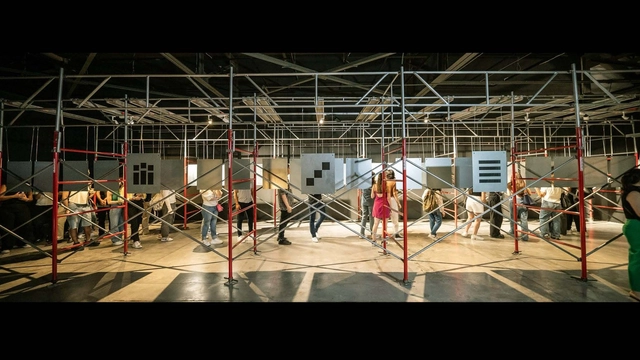
The winners of the XXII Bienal del Colegio de Arquitectos de Nuevo León in Monterrey have been announced. Under the theme "Coherence," this edition's discourse proposes establishing dialogues and expressions to recognize the correct expressive and material act of architecture in practice. The biennial seeks to acknowledge how both architectural objects and urban projects operate under the following categories: social coherence, ethical coherence, strategic coherence, participatory coherence, productive coherence, and material coherence.
https://www.archdaily.com/1136387/winners-of-the-banl-xxii-nuevo-leon-architecture-biennial-2023Mónica Arellano
Mugak Basque Country International Architecture Biennial 2023: Rebuild, reinhabit, rethink
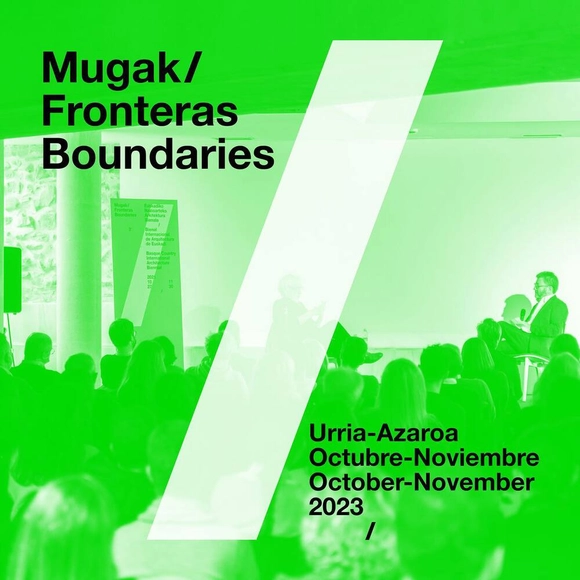
From October until November 24, 2023, the Mugak International Architecture Biennial of the Basque Country will take place. Now in its fourth edition, the event brings together a wide range of open, free activities across San Sebastián, Bilbao, and Vitoria-Gasteiz under the theme “rebuild, reinhabit, rethink,” encouraging debate on the impact of architecture within the context of today's multidimensional crisis—encompassing its environmental, economic, and social responsibilities, as well as its capacity for transformation and care.
https://www.archdaily.com/1135852/mugak-basque-country-international-architecture-biennial-2023-rebuild-reinhabit-rethinkAgustina Iñiguez
Are our cities meeting the demands of babies and children?
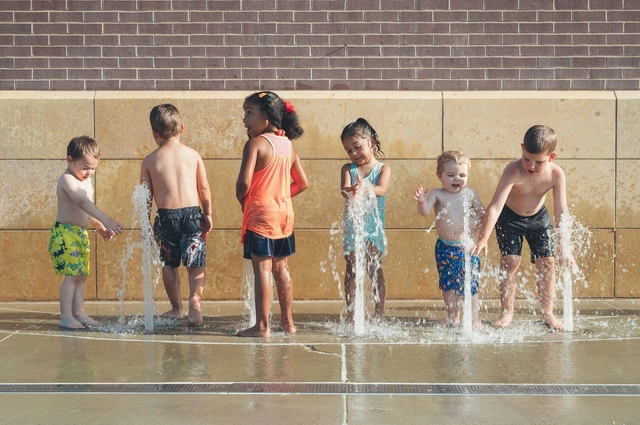
More than one billion babies and children live in urban environments. However, the way cities are planned fails to consider their needs, or those of the people responsible for their care. To support decision-makers, urban planners, and transportation professionals in improving access to urban opportunities for thousands of Brazilian children, ITDP Brasil has launched Access for Babies, Toddlers, and Caregivers, developed in partnership with the Bernard van Leer Foundation.
https://www.archdaily.com/1136398/are-our-cities-meeting-the-demands-of-babies-and-childrenITDP Brasil
Benefits of Activating Public Space Around the World
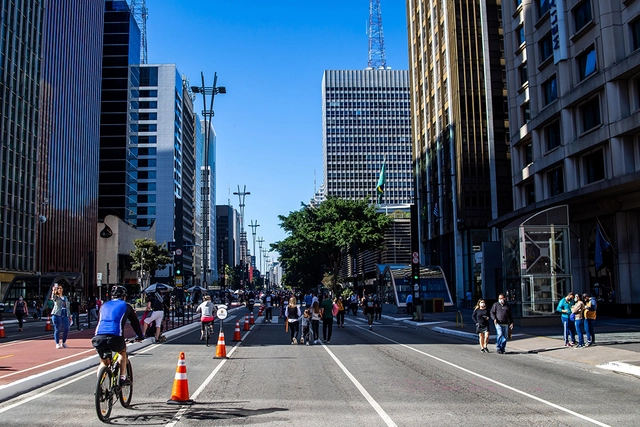
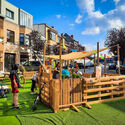
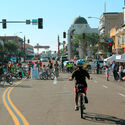
Urban public space is, and must remain, a platform for social, cultural, and political expression. Studies such as those by UN-Habitat recognize that accessible, safe, and inclusive public spaces are vital tools for mitigating urban inequality.
Moreover, when conceiving these spaces as a "living room," they should ideally be functional and welcoming to everyone, ensuring users feel "invited" to linger, use, and care for them. Over the past two decades, open public spaces (streets, intersections, squares, plazas, parks, etc.) have increasingly become the focus of strategic and tactical activations and experiments.

https://www.archdaily.com/1136447/benefits-of-activating-public-space-around-the-worldRodrigo Vielmo Moura
Streets in São Paulo's Liberdade neighborhood will be pedestrian-only on Sundays
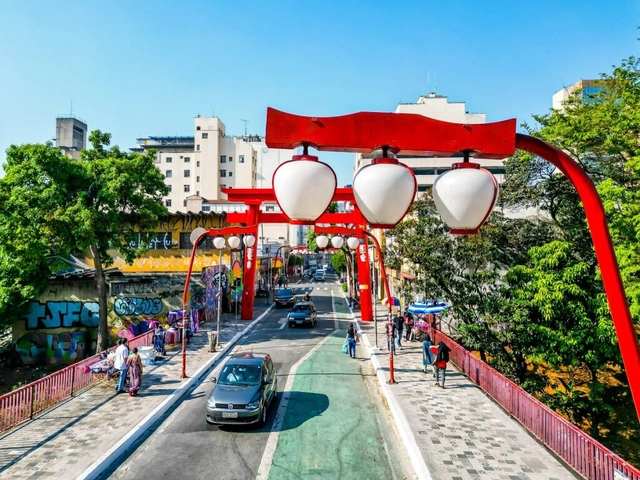
The Liberdade neighborhood, in the central region of São Paulo, will begin testing the Open Streets (Ruas Abertas) program this Sunday (1st). Similar to what has been done on Paulista Avenue since 2016, four streets in the area will be open exclusively to pedestrians from 9 a.m. to 8 p.m. on Sundays and holidays.
Led by the Municipal Department of Urban Development and Licensing, the initiative aims to prioritize the use of urban space based on pedestrian needs. “The goal is to foster conditions that encourage people to linger, improve walkability, and strengthen the area as a tourist and commercial attraction,” the São Paulo city government stated in a press release.
https://www.archdaily.com/1135870/streets-in-sao-paulos-liberdade-neighborhood-will-be-pedestrian-only-on-sundaysMarcia Sousa
CAU Election: Vote to choose your representatives on the Council of Architecture and Urbanism

Architects and urban planners across the country will participate in a national election this Monday and Tuesday, October 16 and 17. More than 200,000 professionals in the field are set to choose 402 state councilors for the Councils of Architecture and Urbanism of the States and the Federal District (CAU/UF) and 28 federal councilors for the Council of Architecture and Urbanism of Brazil (CAU/BR) – one from each Federative Unit plus one representative of Higher Education Institutions (IES).
https://www.archdaily.com/1135934/cau-election-vote-to-choose-your-representatives-on-the-council-of-architecture-and-urbanismArchDaily Team
What We Can Learn from the Urban Evolution of Porto Alegre
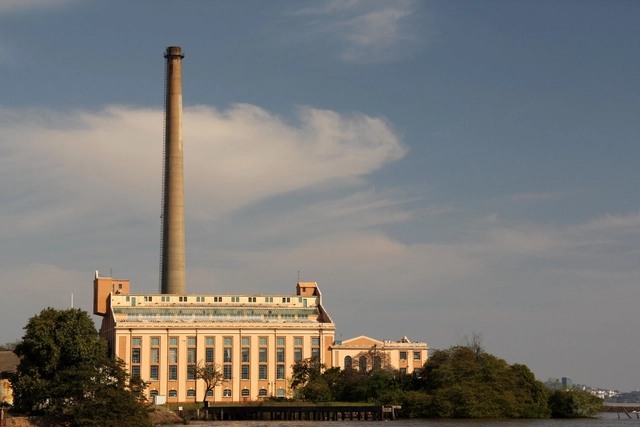
The update to Porto Alegre's Master Plan is currently underway. Much has been said about the city's future, but what can we learn from the past to foster greater dynamism, walkability, and quality of life for its citizens? After all, a more inviting city retains and attracts talent, driving innovation and wealth. In this article, I look back at the most significant moments in Porto Alegre's urban evolution, dividing them into four major periods.
https://www.archdaily.com/1136084/what-we-can-learn-from-the-urban-evolution-of-porto-alegreRafaela Koehler
CT House / MATTERIA
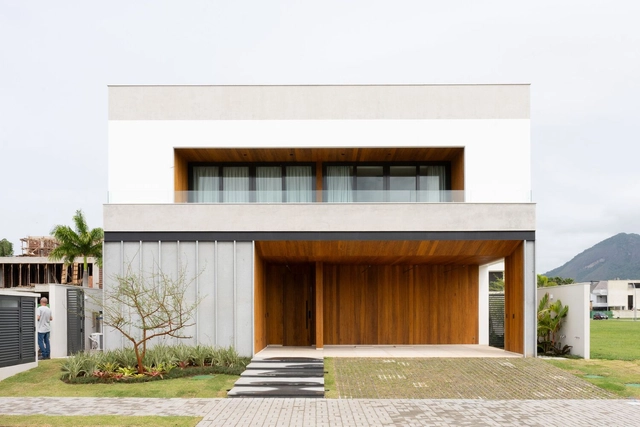
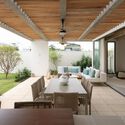
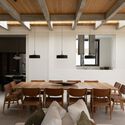

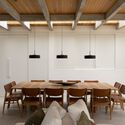

https://www.archdaily.com/1008013/ct-house-matteriaSusanna Moreira
Tanzania: Africa's Agrarian Urbanism
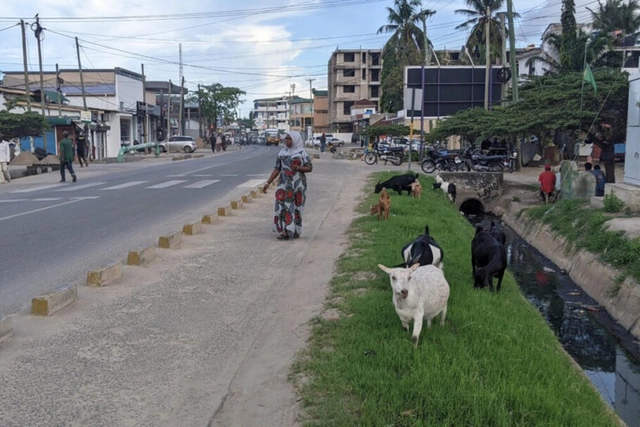
In the hyper-tech twenty-first century, urban North America is largely a service economy. New York City, for example, is currently dominated by a mix of high-end financial services, technology, and other specialized professions, while lower-skilled work is concentrated in tourism, food delivery, and other service-sector jobs. Manufacturing jobs, where they exist, persist as a legacy of strictly industrial zoning. Agrarian land uses, such as "urban agriculture," are almost non-existent—an esoteric hobby for foodies.
https://www.archdaily.com/1136344/tanzania-africas-agrarian-urbanismScott Beyer
Results of the competition for the renovation of the CAU/SC headquarters building
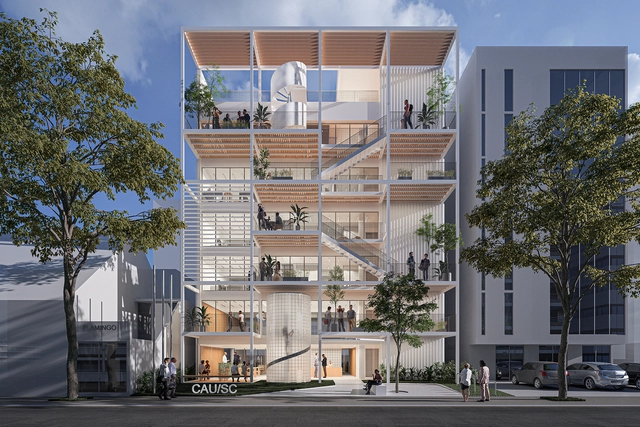
The Council of Architecture and Urbanism of Santa Catarina (CAU/SC) has announced the results of the design competition for the partial renovation of its headquarters. Acquired last year, the six-story building is located on Rio Branco Avenue in Florianópolis, and its main spaces—such as the atrium, reception, and facade—will be renovated according to the winning design.

https://www.archdaily.com/1135957/results-of-the-competition-for-the-renovation-of-the-cau-sc-headquarters-buildingArchDaily Team
What is a Low Emission Zone?
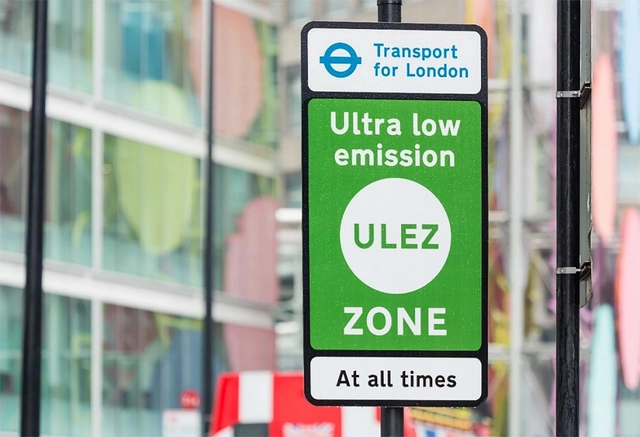
Discouraging the use of private cars is a crucial step in addressing climate change, improving air quality, and reducing traffic collisions. Cities must find ways to curb traffic and prioritize human well-being, while also considering the environmental and social impacts of automobile use by offering transportation options that generate lower carbon emissions.
Recently, low-emission zones (LEZs) have become a popular strategy in several cities worldwide. The measures implemented in these areas effectively reduce car dependency by offering cleaner, more affordable, and accessible transportation alternatives.
https://www.archdaily.com/1136277/what-is-a-low-emission-zoneITDP Brasil
Engine of Equality: The Residencia de Señoritas and Madrid's New Cultural Space
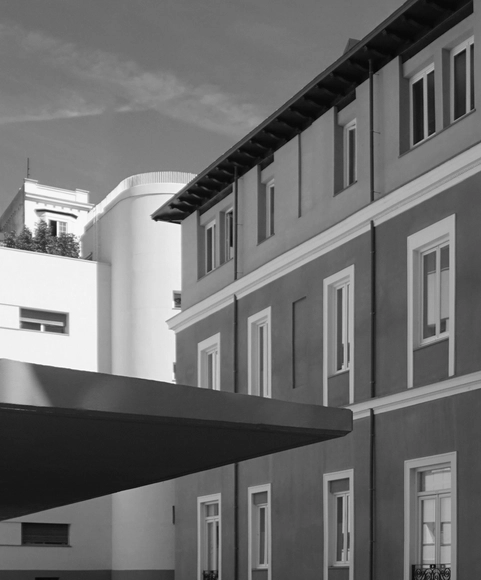
The exhibition "Engine of Equality: La Residencia de Señoritas (1915-1936)" will be open until October 15, celebrating a unique, iconic, and pivotal institution in promoting equality in Spain. It is housed in the Ortega-Marañón Foundation's recently opened cultural space—an expansion at the rear of the central "casa" in Madrid that joins the historic 1930s building designed by Carlos Arniches on the corner of Miguel Ángel and General Martínez Campos streets.
https://www.archdaily.com/1135849/engine-of-equality-the-residencia-de-senoritas-and-madrids-new-cultural-spaceFabian Dejtiar
Camponesa Restaurant / Memola Estúdio
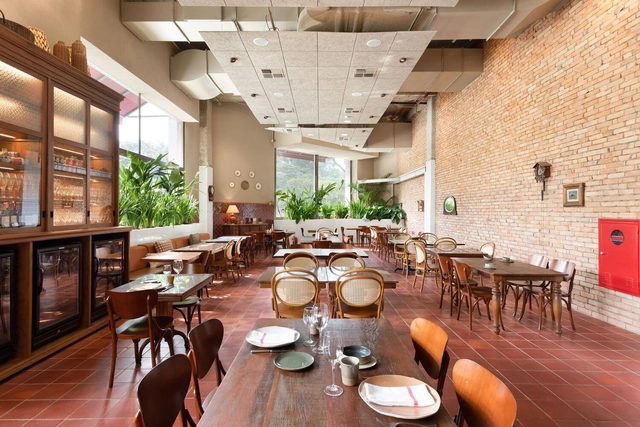


https://www.archdaily.com/1061950/camponesa-restaurant-memola-estudioAndreas Luco
Castro Abierto 2023: Journeys of Memory and Future in Southern Chile
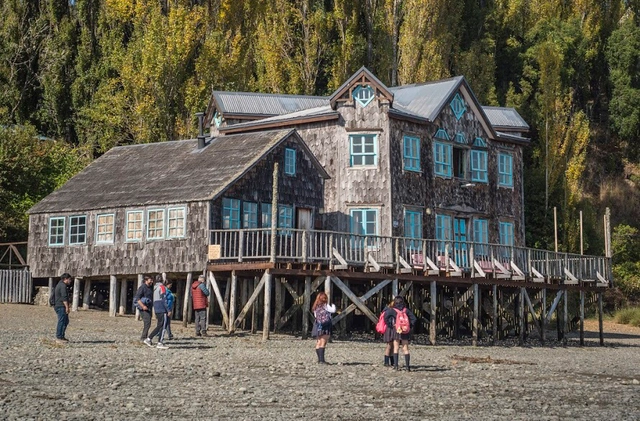
Chiloé, in southern Chile, is a place where architecture is a tangible expression of history, culture, and the natural environment in which it sits. Its urban identity is unique, as are its inhabitants, featuring everything from the iconic colorful stilt houses suspended over the water to the wooden churches designated as UNESCO World Heritage sites.
Inspired by this rich architectural heritage, Castro Abierto was created—a festival that brings together architecture, landscape, and local communities to connect and promote the diverse expressions of Chiloé's archipelagic culture.
https://www.archdaily.com/1135921/castro-abierto-2023-journeys-of-memory-and-future-in-southern-chileMagdalena Casamitjana
Assembly: Foundational Chilote Architecture of Magallanes
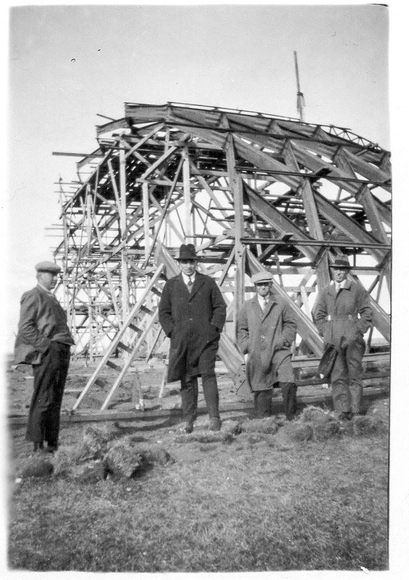
Chiloé as a starting point. From here, translocal phenomena, driven primarily by sea, served as the catalyst for sculpting the southern Patagonian cone—across both Chile and Argentina—by Chilote hands during colonial times. A hybrid people of Indigenous and European descent, whose geographic and political-administrative isolation forced them to rely on the self-construction of their settlements, the cultivation and gathering of their own food, and the making of their own clothing—all from the resources available within their archipelago. Out of this emerged the unquestionable Chilote ingenuity—a skill set highly sought after in territories that, during the colonial period, were being forged under the Chilean state. Consequently, it is easy to recognize the creative hand of the Chilote people in the architecture of the southernmost towns.
https://www.archdaily.com/1136281/assembly-foundational-chilote-architecture-of-magallanesValentina Cárdenas Espinoza y Silvana Arteche Sepúlveda